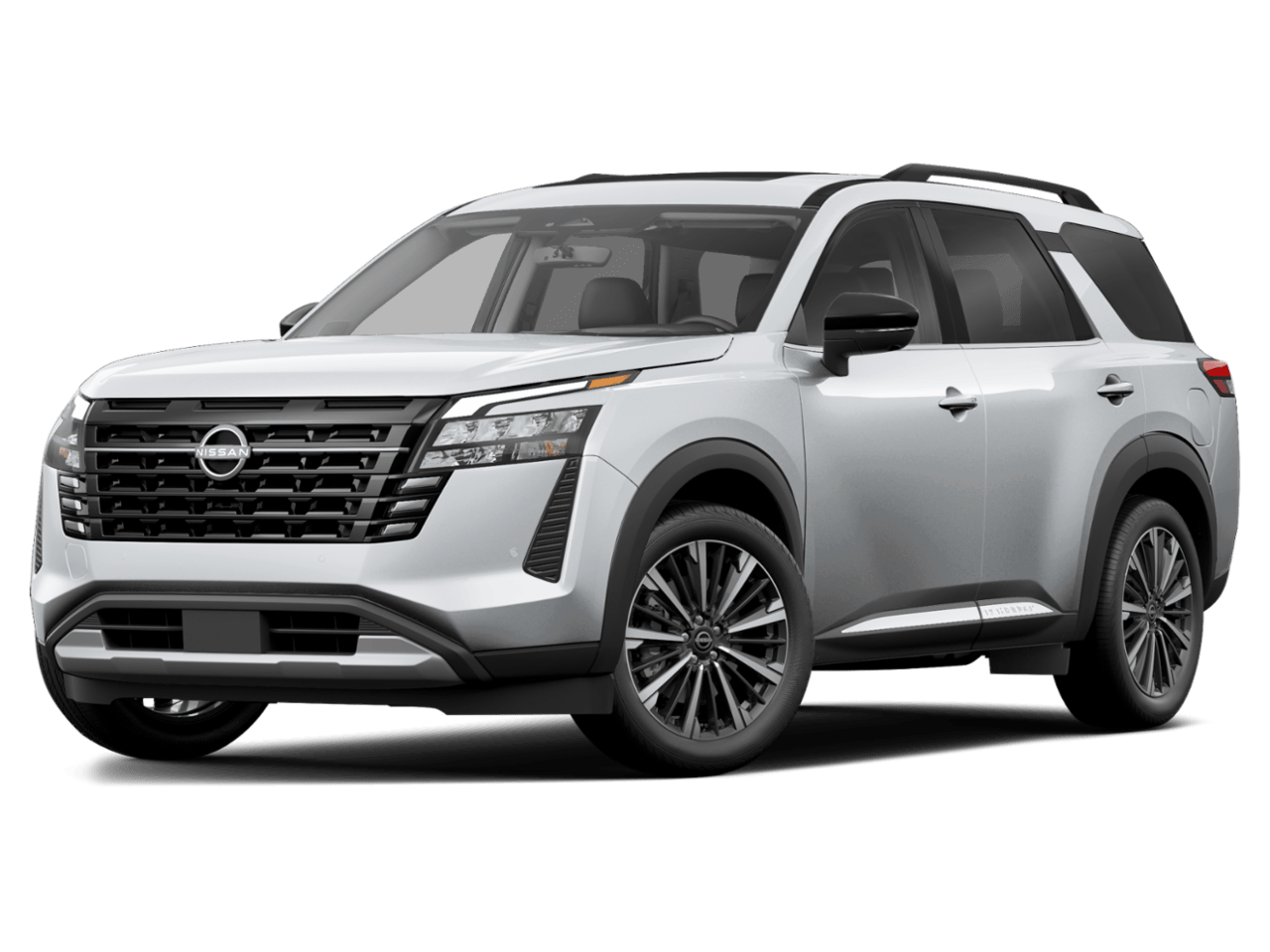
The 2004 Nissan Pathfinder Platinum Edition represents the final, highly accessorized evolution of the R50 generation, combining a rugged body-on-frame architecture with luxury appointments like automatic climate control, a Bose audio system, and a potent 3.5-liter VQ35DE V6 engine. Today, this specific trim sparks intense debates among automotive enthusiasts and used-car buyers regarding its long-term reliability, fuel economy, body-on-frame durability, and whether its collector and utility value outweighs the common suspension and rust issues associated with early-2000s Japanese SUVs.
Evaluating a vehicle from the mid-2000s requires separating factory specifications from real-world performance, market realities, and mechanical longevity. As automotive markets stabilize and enthusiasts increasingly seek out analog, truck-based SUVs over modern unibody crossovers, the 2004 Nissan Pathfinder Platinum Edition occupies a unique niche. Understanding its engineering background, technical specifications, market value drivers, and the ongoing community debates helps prospective buyers and restorers make informed decisions.
Engineering Heritage and the Evolution of the R50 Generation
The R50 generation of the Nissan Pathfinder, produced from the 1996 through 2004 model years, marked a major turning point for the nameplate. Nissan transitioned the Pathfinder from a two-door hardbody truck-based utility vehicle into a four-door, unibody-framed SUV in its first generation, but quickly pivoted back to a more robust, full-frame layout with independent front suspension and a heavy-duty rear axle for the R50.
By 2004, the final year of the R50 platform before Nissan transitioned to the larger, F-Alpha-based R51 generation, the vehicle was heavily refined. The Platinum Edition served as a special run trim package designed to clear remaining inventory while offering nearly every optional feature as standard equipment. It bridged the gap between traditional off-road utility and early-2000s luxury comfort, incorporating wood-grain interior accents, unique alloy wheels, and premium leather seating surfaces.
Despite its luxury styling, the vehicle retained its core truck DNA. It utilized a ladder frame welded to a steel body structure, providing a rigid platform for towing and off-road articulation. However, this design also added significant curb weight, which directly influenced the vehicle's fuel consumption and dynamic handling characteristics on paved roads.
Technical Specifications and Powertrain Performance
Under the hood of the 2004 Nissan Pathfinder Platinum Edition lies one of the most celebrated engines of its era: the 3.5-liter VQ35DE 24-valve DOHC V6. This engine won numerous industry accolades for its smooth power delivery, robust aluminum block construction, and responsive throttle tuning.
Engine and Transmission Metrics
- Displacement: 3,498 cc (3.5 liters)
- Horsepower: 240 hp at 6,000 rpm
- Torque: 265 lb-ft at 3,200 rpm
- Valvetrain: DOHC with continuously variable valve timing control (CVTCS)
- Transmission: 4-speed electronically controlled automatic (2WD) or dual-range electronic transfer case 4WD (ALL-MODE 4WD system)
The VQ35DE powerplant delivers peak torque at a relatively low 3,200 rpm, making it well-suited for launching a heavy SUV from a standstill or crawling over trail obstacles. In 4WD configurations, the Nissan ALL-MODE system features an Auto mode that automatically shifts torque to the front wheels when rear slippage is detected, alongside traditional 2Hi, 4Hi, and 4Lo settings for serious off-road recovery and traction management.
Chassis, Suspension, and Dimensions
- Front Suspension: Independent strut-type with coil springs and stabilizer bar
- Rear Suspension: Multi-link beam axle with coil springs and stabilizer bar
- Brakes: 4-wheel vented disc brakes with Anti-lock Braking System (ABS) and Electronic Brake force Distribution (EBD)
- Curb Weight: Approximately 4,000 to 4,300 lbs depending on drivetrain configuration
- Towing Capacity: Up to 5,000 lbs when properly equipped with a weight-distributing hitch
| Feature / Metric | Specification Details |
|---|---|
| Engine Type | VQ35DE 3.5L V6 Aluminum Block |
| Horsepower | 240 hp @ 6,000 rpm |
| Torque | 265 lb-ft @ 3,200 rpm |
| Drivetrain Options | Rear-Wheel Drive (2WD) or All-Mode 4WD |
| Transmission | 4-Speed Automatic (RE4R04A variant) |
| Fuel Economy (EPA Est.) | ~15 City / 19 Highway MPG |
| Max Towing Capacity | 5,000 lbs |
Market Value, Depreciation, and Collector Appeal
Evaluating the financial value of a 2004 Nissan Pathfinder Platinum Edition requires looking at it through two distinct lenses: its utility as an affordable used daily driver and its emerging status as a modern classic for overland enthusiasts. Because depreciation curves bottomed out years ago, current market values are driven primarily by vehicle condition, mileage, rust mitigation, and maintenance history rather than original MSRP.
Pricing Tiers Based on Condition
- Project / High Mileage (180,000+ miles): Typically trades between $1,500 and $3,500. These units often require mechanical refreshing, transmission service, or suspension bushing replacements.
- Good Daily Driver (120,000 to 180,000 miles): Commands $4,000 to $7,000. Clean examples with working climate control, solid service records, and minimal rust hold steady in this bracket.
- Collector / Low Mileage (Under 100,000 miles): Pristine, garage-kept examples occasionally command $8,000 to $12,000+ among enthusiasts specifically hunting the final-year R50 Platinum specification.
Insurance valuations generally treat these vehicles as standard older utility vehicles, meaning comprehensive and collision coverage often exceeds the actual cash value of the vehicle. Many owners opt for liability-only coverage once the vehicle crosses the 200,000-mile threshold, provided mechanical reliability has been verified.
Ongoing Debates in the Enthusiast Community
The 2004 Nissan Pathfinder Platinum Edition is the subject of several persistent debates within automotive forums, mechanic shops, and off-road clubs. These debates shape how the vehicle is maintained, modified, or avoided.
1. VQ35DE Reliability vs. Pre-Cat Degradation Concerns
While the VQ35DE is widely praised for its longevity and timing chain durability, early implementations of this engine in Nissan trucks and cars faced controversy regarding catalytic converter degradation. The debate centers on whether microscopic ceramic material from the exhaust pre-catalysts can be drawn backward into the combustion chambers via valve overlap, causing cylinder wall scoring and premature engine failure.
Proponents of the vehicle note that this issue is largely preventable if owners inspect the pre-cats, install aftermarket headers (catless or high-flow), or replace failing catalytic converters before degradation occurs. Detractors argue that unmitigated examples represent a ticking time bomb, requiring costly exhaust remediation.
2. R50 Unibody-Frame Hybrid vs. Traditional Truck Chassis
Purists frequently debate the structural integrity of the R50 chassis. Unlike the fully boxed separate ladder frames of contemporary body-on-frame SUVs like the Toyota 4Runner (Third Generation), the R50 features a unibody structure welded to a subframe framework.
- The Criticism: Off-road traditionalists argue that this hybrid construction is more susceptible to structural fatigue under extreme rock-crawling stress and develops rust in hidden box sections where moisture collects.
- The Defense: Overlanders and daily drivers point out that the R50 frame provides superior ride comfort, tighter structural rigidity on paved highways, and more than enough strength for moderate off-road trails, camping expeditions, and utility hauling.
3. Fuel Economy vs. Capability
With an EPA fuel economy rating hovering around 15 mpg city and 19 mpg highway—figures that often drop significantly lower in real-world driving with larger all-terrain tires and roof racks—the Pathfinder is frequently criticized for its thirsty nature relative to its power output.
The counterargument is straightforward: buyers seeking a heavy-duty, naturally aspirated V6 utility vehicle with genuine 4WD capabilities must accept lower fuel efficiency as a trade-off for mechanical simplicity. Unlike modern turbocharged engines, the VQ35DE lacks complex turbo plumbing and high-pressure direct-injection fuel pumps that complicate long-term DIY maintenance.
Common Maintenance Issues and Troubleshooting
Owning or purchasing a 2004 Nissan Pathfinder Platinum Edition requires vigilance regarding specific mechanical trouble spots typical of high-mileage R50 models.
- Suspension Strut Tower Rust: The rear upper strut mounts and front strut towers are prone to rust accumulation, particularly in regions that utilize road salt during winter months. Buyers should inspect these areas thoroughly with a flashlight and pick tool.
- Knock Sensor Failure: The factory knock sensor is located under the intake plenum. When it fails, the engine enters a conservative limp/retarded timing mode, causing sluggish performance and triggering diagnostic trouble code (DTC) P0325. Replacement requires removing the intake manifold.
- Valve Cover Gasket Leaks: Oil leaking past aging valve cover gaskets into the spark plug tubes can cause misfires. Replacing these gaskets requires high-temperature RTV sealant at the half-moon seals and careful torque sequencing.
- Automatic Transmission Cooler Lines: The rubber sections of the transmission cooling lines can degrade over time, leading to fluid leaks. Inspecting and replacing these lines with modern high-pressure rubber or silicone hosing prevents catastrophic transmission fluid loss.
Frequently Asked Questions
What makes the Platinum Edition different from standard 2004 Pathfinders?
The Platinum Edition was an elite trim package for the final R50 model year that bundled high-end luxury features as standard equipment. This included specific alloy wheels, upgraded Bose premium audio systems, automatic climate control, specialized interior wood-grain trim, and premium leather seating surfaces that were otherwise optional on LE models.
Is the 2004 Nissan Pathfinder good for off-roading?
Yes, especially models equipped with the ALL-MODE 4WD system and a low-range transfer case. While its independent front suspension limits extreme rock articulation compared to solid-axle competitors, a mild suspension lift and all-terrain tires turn the vehicle into a capable, comfortable overlanding platform.
What are the main engine problems to watch out for with the VQ35DE?
The most critical items to monitor are the condition of the exhaust pre-catalysts (to prevent ceramic ingestion), failing knock sensors that trigger reduced power modes, and oil leaks from aging valve cover gaskets spilling into the spark plug wells.
How does the 2004 Pathfinder compare to the Toyota 4Runner of the same year?
The fourth-generation Toyota 4Runner (2003–2009) generally commands a higher resale value and offers a larger V8 engine option (2UZ-FE), whereas the 2004 Pathfinder is typically more affordable on the used market while providing comparable interior space, robust towing, and a refined V6 powertrain.
Can the 2004 Pathfinder safely tow a camper or trailer?
When equipped with the factory tow package and a weight-distributing hitch, the vehicle has a maximum towing capacity of up to 5,000 lbs. Drivers should ensure the transmission fluid is clean and consider adding an auxiliary transmission cooler if towing heavy loads frequently in warm climates.
Practical Recommendations for Prospective Buyers
Securing a reliable 2004 Nissan Pathfinder Platinum Edition requires patience and a comprehensive pre-purchase inspection. Prioritize vehicles with documented maintenance histories, particularly those where spark plugs, ignition coils, fluids, and suspension components have been recently serviced.
If you live in the Rust Belt, inspect the chassis rails, rear suspension trailing arm mounts, and inner rear wheel arches meticulously. For those intending to use the vehicle as an overland rig or a dependable winter daily driver, budget an immediate reserve fund of $1,000 to $2,000 to address deferred maintenance, replace rubber coolant and vacuum lines, and upgrade the suspension components to restore factory ride quality. When properly maintained, the R50 generation rewards its owner with truck-based durability, classic styling, and mechanical longevity that modern crossovers simply cannot replicate.