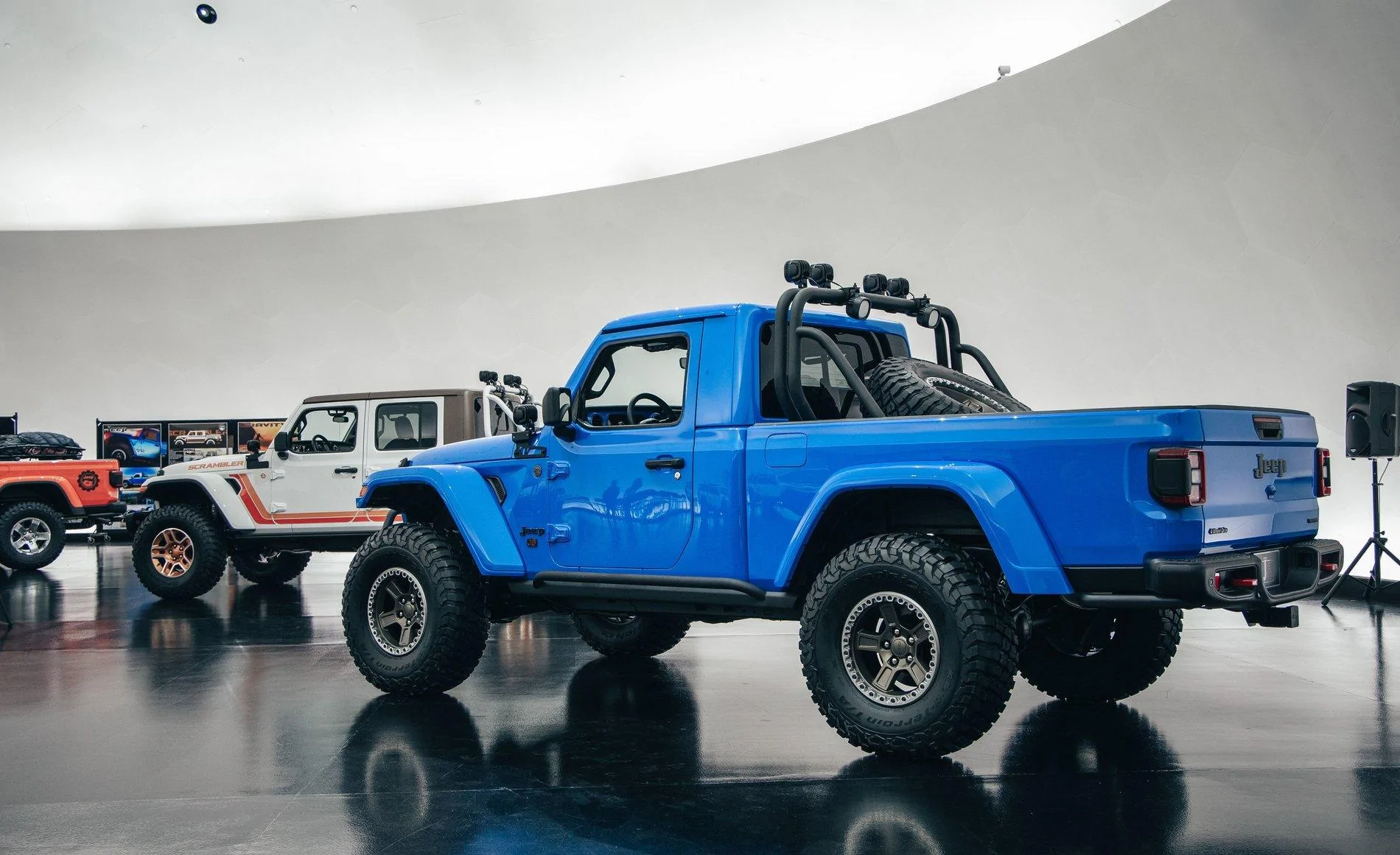
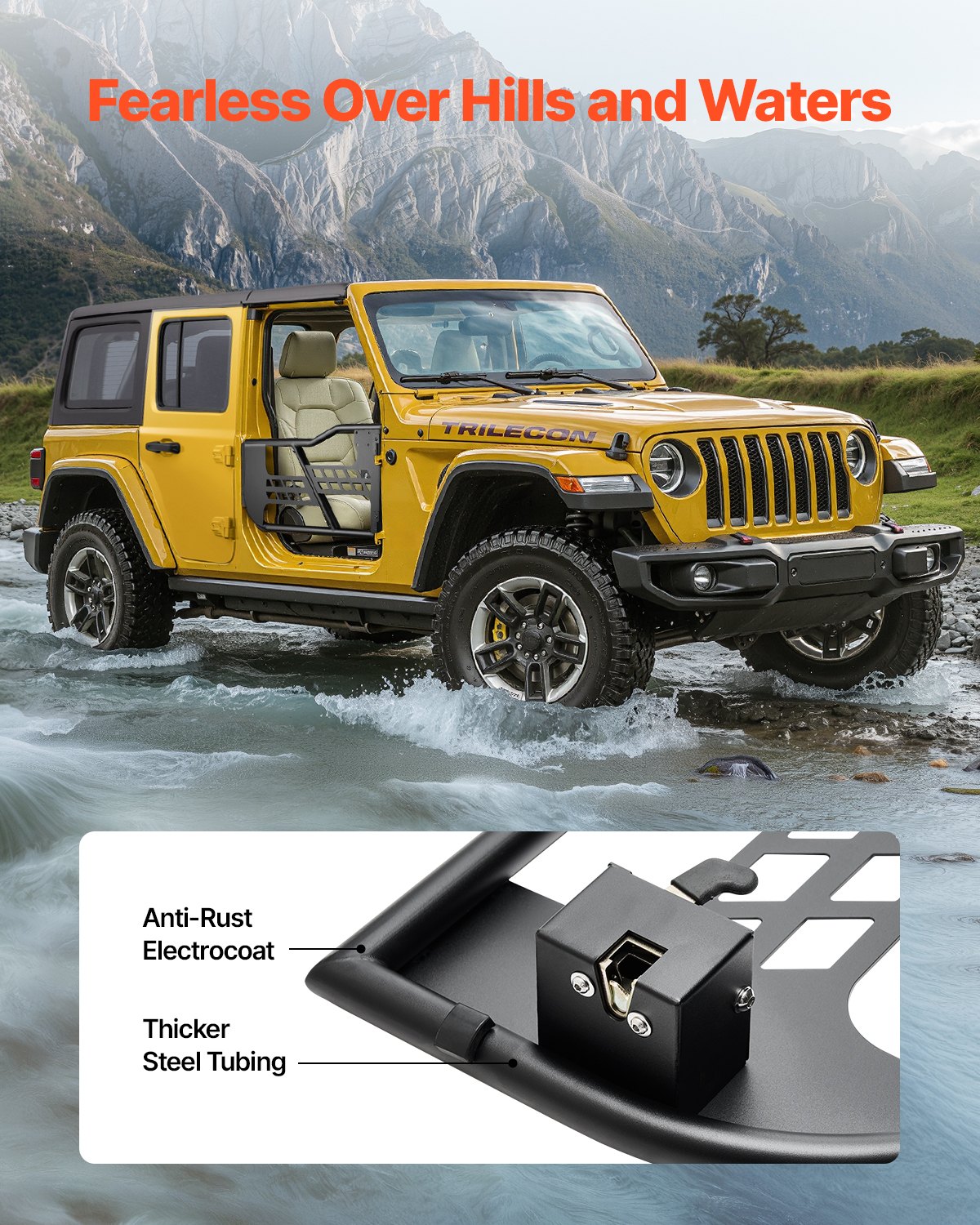
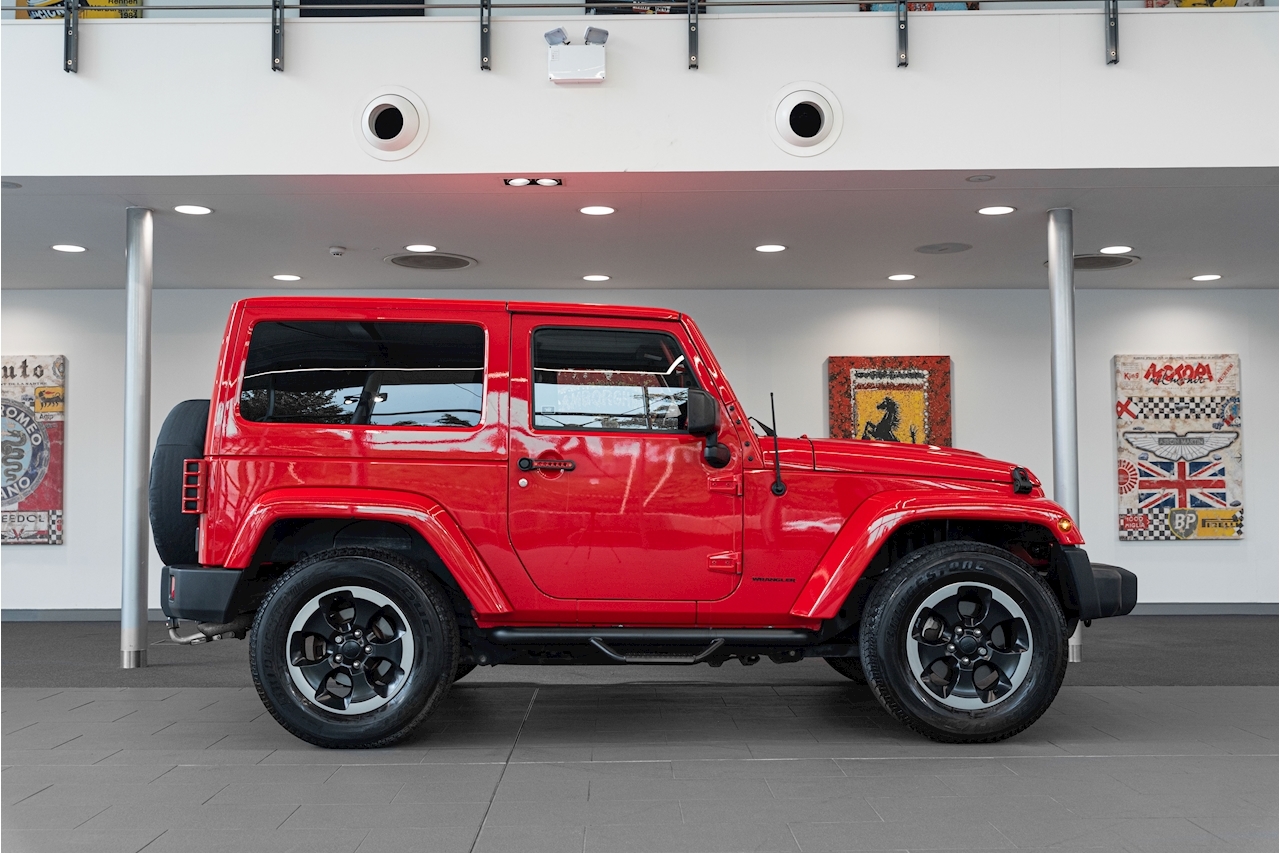
Choosing between a 2-door and a 4-door Jeep Wrangler comes down to balancing classic off-road agility with everyday practicality. The 2-door model offers superior maneuverability on tight trails, a tighter turning radius, and a more traditional heritage look, whereas the 4-door Wrangler provides a longer wheelbase, easier rear-seat access, expanded cargo capacity, and superior high-speed stability.
The debate between the 2-door and 4-door Jeep Wrangler is one of the most enduring arguments in the automotive enthusiast community. Since the introduction of the 4-door Wrangler Unlimited variant, buyers have had to weigh traditional styling and nimbleness against modern family utility and comfort. Understanding the mechanical differences, spatial layouts, and performance characteristics of each configuration ensures that you select the right vehicle for your daily driving habits, outdoor adventures, and long-term ownership goals.
Understanding the Lineage and Structural Differences
The Jeep Wrangler 2-door is the direct modern descendant of the original Willys MB military vehicle and the civilian CJ series. It maintains a short wheelbase, compact overall length, and a lightweight body structure. This design prioritizes pure off-road geometry over cabin space.
Conversely, the 4-door Jeep Wrangler Unlimited—first introduced for the 2007 model year (JK generation) and refined through the JL generation—was engineered to bridge the gap between rugged utility and daily-driver livability. By stretching the frame and wheelbase, Jeep added full rear doors and a substantially larger cargo bay.
These structural differences dictate how each vehicle drives on the highway, navigates parking structures, and handles technical terrain. Buyers must look beyond aesthetics to evaluate how wheelbase length impacts physical capability and passenger comfort.
Wheelbase, Dimensions, and Maneuverability
The most consequential physical difference between the two configurations is the wheelbase length. The 2-door Wrangler features a significantly shorter wheelbase, which translates directly to a tighter turning circle and heightened agility in confined spaces.
When navigating narrow, rocky trails with tight switchbacks, the 2-door model can pivot around obstacles that might require a multi-point turn in a larger vehicle. Furthermore, the shorter overall length makes urban parallel parking and garage storage much simpler.
However, a short wheelbase comes with distinct trade-offs. On the highway, 2-door models tend to feel more twitchy or sensitive to steering inputs, requiring more frequent driver corrections at high speeds.
The 4-door Wrangler features a stretched wheelbase, which adds substantial straight-line stability. Crosswinds and highway grooving affect the 4-door far less, making long road trips significantly less fatiguing. The downside is reduced agility on tight trails, where the longer belly of the vehicle is more prone to high-centering on steep crests.
Off-Road Geometry: Breakover Angles vs. Stability
Off-road capability is the core identity of any Jeep Wrangler, but the 2-door and 4-door models achieve their prowess in different ways. Off-road performance is governed by three primary geometric metrics: approach angle, departure angle, and breakover angle.
- Approach and Departure Angles: Both the 2-door and 4-door models share similar front and rear bumper designs in standard trims, resulting in nearly identical approach and departure angles. They can scale steep ledges and clear drops with equal competence.
- Breakover Angle: This is where the 2-door model holds a definitive advantage. Because the distance between the front and rear axles is shorter, the 2-door Wrangler can clear the crest of a steep hill or obstacle without its belly touching the ground. The 4-door model has a flatter breakover angle, meaning it is more likely to drag its frame rails or factory skid plates over large rocks unless lifted.
- Hill Stability: On steep, side-sloped terrain or continuous ascents, the longer wheelbase of the 4-door provides a more planted, stable feel, reducing the psychological and physical sensation of tipping over.
Interior Space, Seating, and Everyday Usability
Practicality is often the deciding factor for buyers torn between these two body styles. The 2-door Wrangler is strictly configured as a four-passenger vehicle, though accessing the rear bench requires folding and sliding the front passenger seat forward. Legroom in the rear of a 2-door is tight for adults, and loading child safety seats into the back is remarkably difficult.
Cargo space behind the rear seat of a 2-door model is severely limited. Fitting groceries, luggage, or camping gear for more than one person usually requires tumbling or completely removing the rear seats, which eliminates passenger capacity entirely.
The 4-door Wrangler eliminates these compromises. It features full-sized rear doors that open wide, making entry and exit effortless for passengers of all ages. Rear legroom is generous, rivaling mid-size SUVs.
More importantly, the cargo area behind the rear seat of a 4-door is expansive. It easily accommodates strollers, luggage, large coolers, and pets without requiring any seat reconfiguration. For daily errands, family transport, and road-trip gear hauling, the 4-door is overwhelmingly superior.
Comparison Matrix: 2-Door vs. 4-Door Wrangler
| Feature / Metric | 2-Door Jeep Wrangler | 4-Door Jeep Wrangler (Unlimited) |
|---|---|---|
| Seating Capacity | 4 passengers | 5 passengers |
| Wheelbase | Shorter (approx. 96.8 inches) | Longer (approx. 118.4 inches) |
| Turning Radius | Tighter, highly agile in tight spaces | Wider, requires more room to maneuver |
| Highway Stability | More sensitive to steering inputs | Smoother, more planted at high speeds |
| Breakover Angle | Superior (less risk of high-centering) | Lower (prone to scraping on severe crests) |
| Cargo Space (Rear Up) | Minimal (requires seat folding for gear) | Generous (ample room for daily gear and luggage) |
| Roof Removal | Lighter, easier to remove hardtop/soft top | Heavier panels, requires more effort to remove |
| Pricing | Lower entry-level price point | Higher base cost across equivalent trims |
Powertrain Options and Performance
Under the hood, both the 2-door and 4-door Wrangler share many of the same engine architectures, though availability varies depending on the specific model year and trim package. Historically, engine lineups have included the trusted 3.6-liter Pentastar V6, turbocharged four-cylinder options, and the high-torque EcoDiesel (though discontinued in recent years).
Because the 2-door Wrangler is significantly lighter than its 4-door counterpart, it generally delivers faster acceleration and slightly better fuel efficiency when paired with the same engine. The lighter mass puts less strain on the suspension and braking components during everyday driving.
The 4-door model, while heavier, utilizes its increased weight to plant power effectively to the ground, especially when towing or hauling heavy loads. It is important to note that towing capacities for 4-door models generally exceed those of 2-door configurations due to the stabilizing effect of the longer wheelbase.
Open-Air Experience and Top Removal
One of the defining pleasures of Jeep ownership is open-air driving. Both models offer removable soft tops, hardtops, and power-retractable options, but the physical handling of the components differs.
The hardtop panels (Freedom Panels) and the full hardtop assembly on a 2-door Wrangler are smaller, lighter, and much easier for a single person to remove and store. Removing the soft top is similarly straightforward, and the open cabin feels more intimate and exposed to the elements.
The 4-door hardtop is larger, heavier, and typically requires two people to safely remove without damaging the fiberglass or scratching the vehicle's paint. While the open-air experience is still exceptional in a 4-door, the sheer physical effort required to strip the vehicle down to a bare roll cage is noticeably higher.
Financial Considerations, Resale Value, and Insurance
Budgetary factors extend beyond the initial window sticker price. The 2-door Wrangler serves as the entry point to the lineup, offering a lower baseline purchase price across equivalent trim levels (such as Sport, Willys, and Rubicon).
However, market demand heavily favors the 4-door Wrangler. Because families and mainstream buyers heavily prefer the utility of four doors, 4-door models often hold a slightly higher percentage of their residual value over time, despite commanding a higher initial investment.
Insurance rates also vary. Insurers evaluate risk based on vehicle usage statistics, accident history, and passenger capacity. While rates depend heavily on individual driver records, location, and chosen trim, 4-door models are often categorized more favorably as family-transport vehicles, whereas 2-door models may occasionally carry specialized classification depending on the insurer.
Common Mistakes When Choosing Between 2 and 4 Doors
Buyers frequently make critical errors when selecting their Wrangler configuration, often leading to premature trade-ins or dissatisfaction. Avoiding these missteps will save you time and money.
- Buying for Today Instead of Tomorrow: Purchasing a 2-door model because you currently only drive solo or with a partner, without accounting for potential lifestyle changes (such as starting a family or adopting large dogs) over a typical multi-year ownership period.
- Underestimating Highway Fatigue: Assuming that the shorter wheelbase will feel "sporty" on long highway commutes, when in reality, the constant steering corrections can become exhausting on extended road trips.
- Ignoring Parking and Garage Constraints: Failing to measure garage clearance or parking space dimensions, assuming all Jeeps occupy the same footprint.
- Overlooking Cargo Constraints: Packing for a weekend camping trip and discovering that the 2-door trunk cannot hold necessary gear without blocking rear visibility or removing seats.
Frequently Asked Questions
Which Jeep Wrangler has better off-road capability?
The 2-door Wrangler has a structural advantage in technical rock crawling due to its superior breakover angle and tight turning radius. However, the 4-door model excels on steep, sustained climbs and high-speed desert runs where wheelbase stability prevents pitching. For tight, technical trails, the 2-door wins; for general expedition work, the 4-door is more versatile.
Can you fit car seats in a 2-door Jeep Wrangler?
Yes, but it is exceptionally difficult. While the 2-door features LATCH anchor points in the rear seat, the narrow door opening and the need to tilt the front seats forward make loading a child seat and a toddler a daily physical chore. The 4-door model is vastly superior for child safety seats.
Do 2-door and 4-door Jeeps hold their resale value equally?
Both configurations hold their resale value exceptionally well compared to standard passenger cars, but 4-door models generally experience higher aggregate demand in the used market. This broader appeal means 4-door Wranglers often sell faster and command a stronger secondary market price relative to their original MSRP.
Which model is better for daily commuting?
The 4-door Wrangler is universally considered a better daily commuter. Its longer wheelbase smooths out highway bumps, reduces crosswind wander, provides easy access to the rear seats for passengers or groceries, and offers a more planted, predictable ride quality on paved roads.
Are soft tops and hardtops interchangeable between 2-door and 4-door models?
No. Due to the vastly different lengths, roof areas, and door counts, tops, window panels, and interior accessories designed for a 2-door Wrangler cannot fit a 4-door model, and vice versa.
Final Recommendation
Your choice ultimately depends on your lifestyle priorities. If you view your Jeep primarily as a weekend recreational toy, value heritage proportions, and prioritize nimble maneuverability on tight trails, the 2-door Wrangler is the authentic, rewarding choice.
If your Jeep must serve as a primary daily driver, family transporter, road-trip cruiser, and gearhauler while still offering legendary off-road capability, the 4-door Wrangler Unlimited is the practical winner that eliminates everyday compromises.