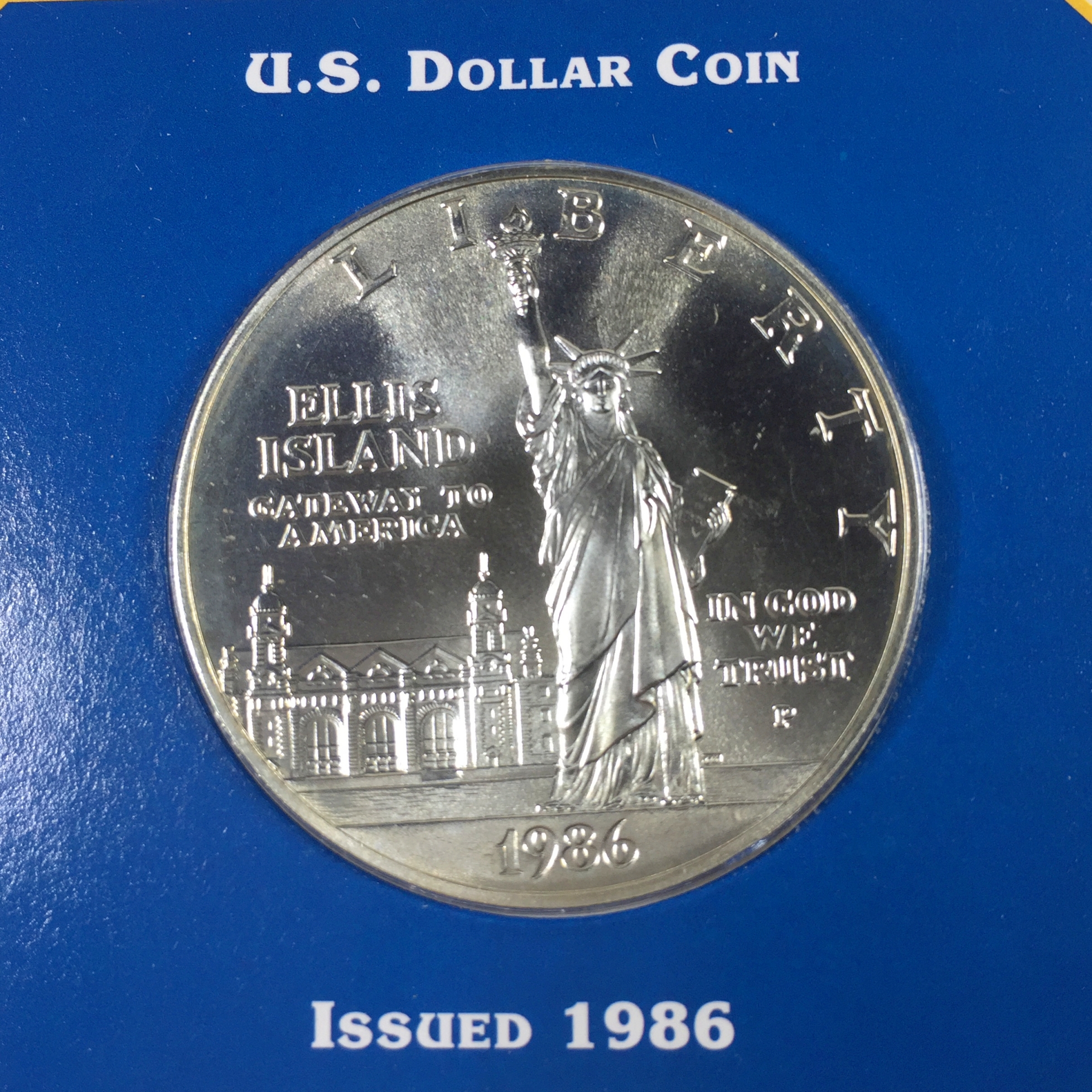
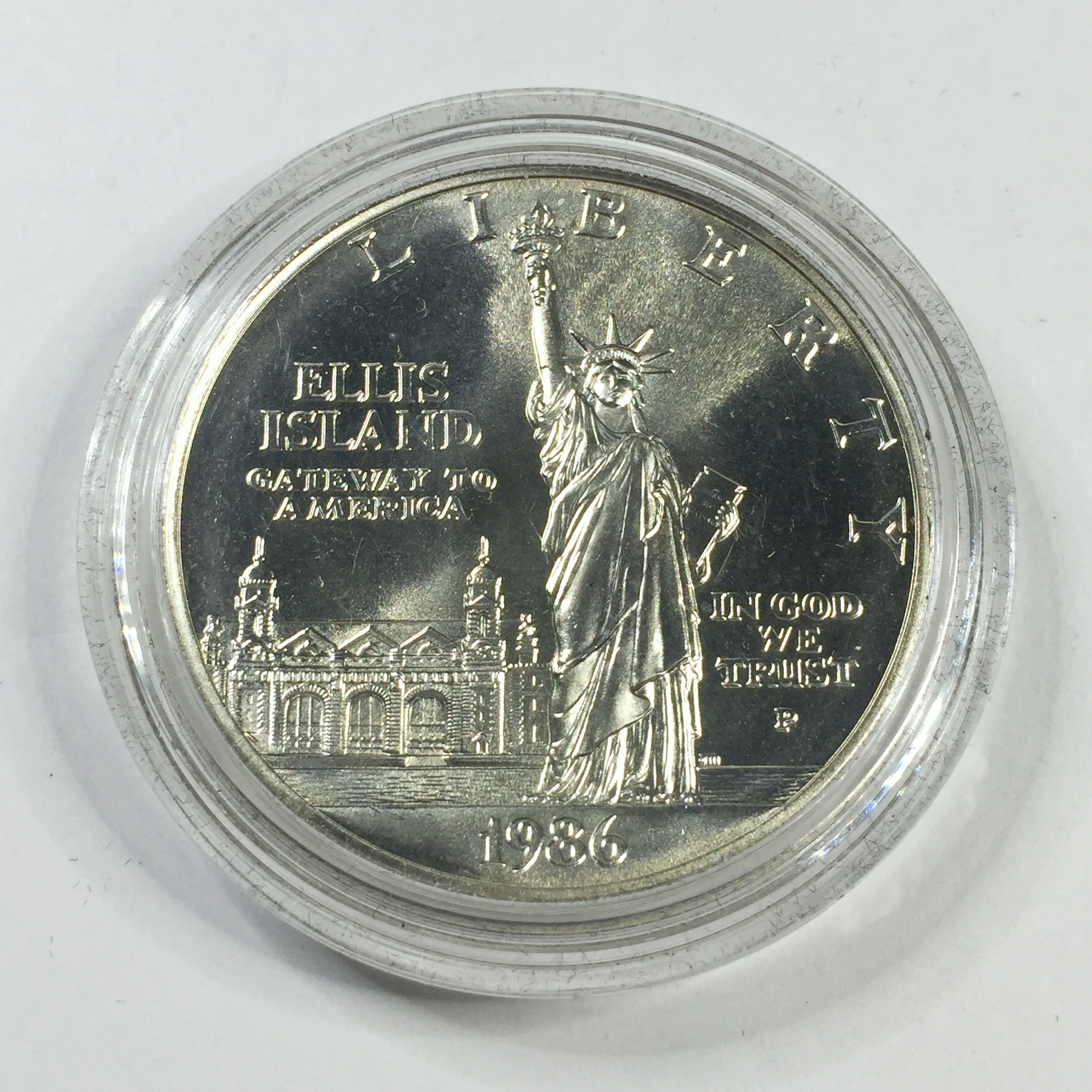
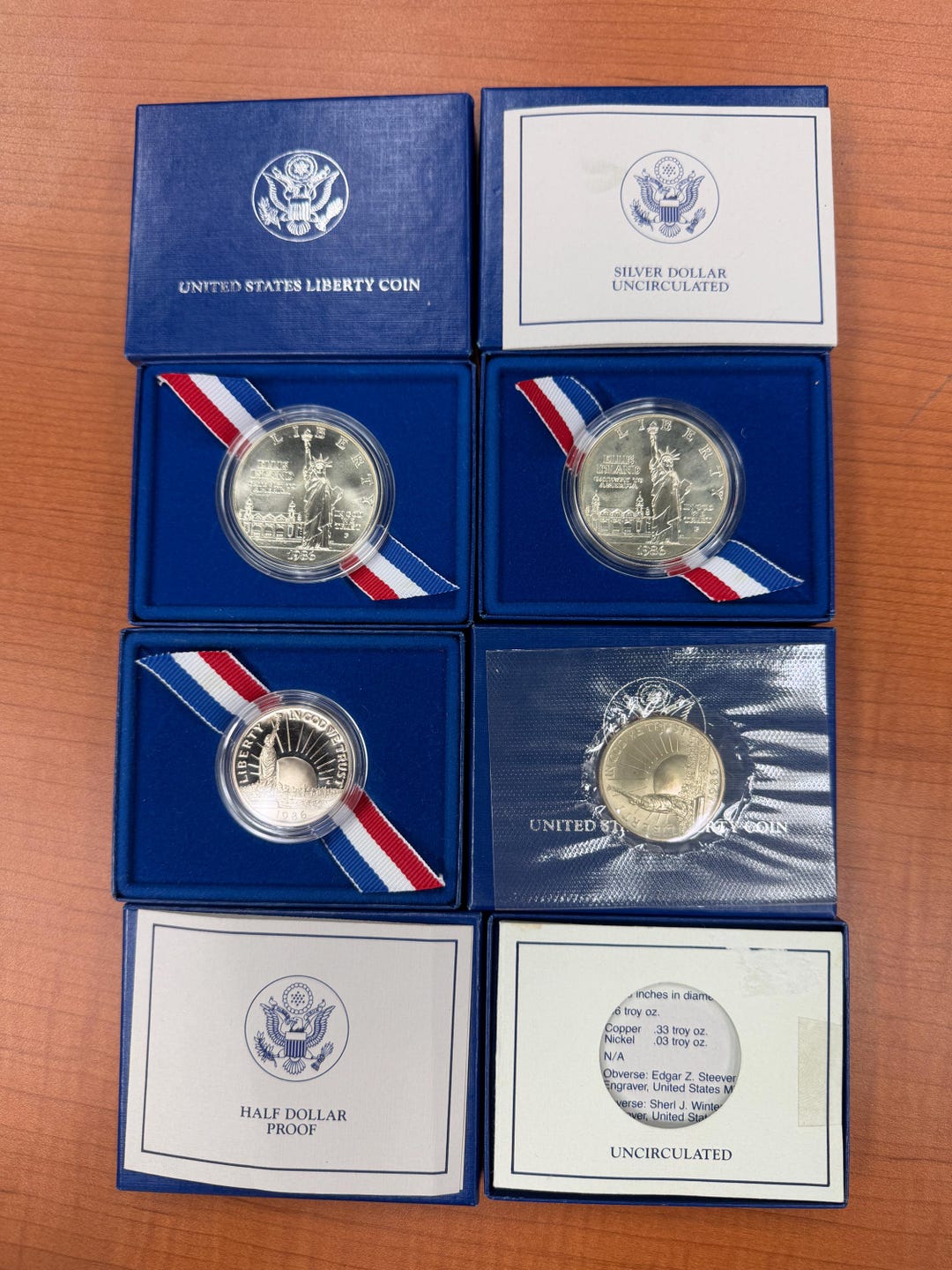
The 1986 uncirculated Liberty Silver Dollar, officially known as the American Silver Eagle, holds a value typically ranging from $60 to $130 for raw specimens, depending on silver spot prices. High-grade certified copies are significantly more expensive; an MS-69 specimen averages $180, while a rare MS-70 can exceed $2,800.
The 1986 American Silver Eagle represents a pivotal moment in United States numismatic history. As the inaugural release of the American Eagle Coin Program, it serves as both a bullion investment and a prized collector's item. In 2026, as the series marks its 40th anniversary, the 1986 "Key Date" status has only solidified, making it a cornerstone for any serious silver portfolio or coin collection.
Historical Context of the 1986 Silver Eagle
The 1986 Liberty Silver Dollar was authorized by the Liberty Coin Act of 1985. This legislation was prompted by the federal government's desire to reduce the National Defense Stockpile of silver. Instead of simply selling the silver on the open market—which would have depressed prices—the government decided to strike coins for investors.
The "Liberty" moniker comes from the obverse design, which features Adolph A. Weinman’s "Walking Liberty." This design originally appeared on the circulating half-dollar from 1916 to 1947 and is widely considered one of the most beautiful designs in the history of American coinage. The 1986 issue is particularly significant because it was the first time this design was rendered in a large, dollar-sized format containing exactly one troy ounce of pure silver.
The Significance of the First Year of Issue
In numismatics, the first year of a series often carries a "first-year premium." For the 1986 Silver Eagle, this premium is driven by historical novelty and the fact that minting processes in 1986 were different from the high-speed, high-volume production seen in the 2020s. Collectors often seek out the 1986 issue to complete "date sets," ensuring that demand remains constant even when silver prices fluctuate.
Technical Specifications and Composition
To accurately value a 1986 Liberty Silver Dollar, one must first verify its physical properties. Counterfeit coins often fail to match these exact specifications, which are mandated by federal law.
- Weight: 1.000 troy ounce (31.103 grams).
- Diameter: 40.6 mm (1.598 inches).
- Thickness: 2.98 mm (0.117 inches).
- Purity: .999 fine silver.
- Composition: 99.93% silver, 0.07% copper (to provide slight durability).
- Edge: Reeded.
- Mint Mark: None (Bullion versions were minted at the San Francisco Assay Office in 1986, but they do not bear an "S" mint mark).
Understanding these specs is the first step in verification. If a coin weighs significantly less or more, or if it reacts to a magnet, it is not a genuine 1986 Liberty Silver Dollar.
Determining Uncirculated Condition (Mint State)
The term "uncirculated" can be confusing for new collectors. In the context of the 1986 Silver Eagle, it refers to a coin that was struck for investment or collection and has never entered the stream of commerce as money. However, within the "uncirculated" category, there is a wide range of quality known as the Sheldon Grading Scale, ranging from MS-60 to MS-70.
The Grading Tiers
- MS-60 to MS-62: These coins have never been in circulation but may show significant "bag marks" (scratches from bumping into other coins in mint bags), dull luster, or spots.
- MS-63 to MS-65: Often called "Choice Uncirculated" or "Gem Uncirculated," these coins have attractive luster and few distracting marks on the primary focal points (Liberty’s face and the sun’s rays).
- MS-66 to MS-68: High-tier coins with very few marks visible to the naked eye. These are the standard for high-end collectors.
- MS-69: Near perfection. To the unaided eye, the coin appears flawless, though a 5x or 10x magnifier may reveal a microscopic imperfection.
- MS-70: A perfect coin. Under 5x magnification, there are no visible marks, scratches, or planchet defects.
For the 1986 issue, MS-70 grades are incredibly difficult to find. In 1986, the coins were shipped in monster boxes and tubes that allowed for more movement than modern packaging, leading to more surface contact. Consequently, a 1986 Silver Eagle in a perfect MS-70 holder from a reputable agency like PCGS or NGC is a major rarity.
2026 Value Breakdown: Grade vs. Price
The following table provides estimated market values for the 1986 uncirculated Liberty Silver Dollar in 2026. These values are based on a combination of numismatic demand and a projected silver spot price of approximately $32.00 per ounce.
| Condition/Grade | Estimated Value (USD) | Rarity/Notes |
|---|---|---|
| Raw (Typical Unc) | $60.00 – $75.00 | Most common state; value fluctuates with silver spot price. |
| MS-63 to MS-65 | $85.00 – $115.00 | Modest premium for verified surface quality. |
| MS-67 | $140.00 – $165.00 | Common for well-preserved rolls; requires professional grading. |
| MS-68 | $190.00 – $240.00 | High collector demand; very attractive eye appeal. |
| MS-69 | $280.00 – $350.00 | The "sweet spot" for investors; high quality but attainable. |
| MS-70 | $2,800.00 – $3,500.00 | Extreme rarity for 1986; value depends on the grading service. |
Note: Prices represent retail values. Selling to a dealer will typically net 15-25% less than the values listed above.
Factors That Influence Value in 2026
While the year and the grade are the primary drivers of price, several secondary factors can either enhance or detract from the value of a 1986 Silver Eagle.
1. Toning and Patina
Silver reacts to oxygen and sulfur in the air over time. Because the 1986 coins are now 40 years old, many have developed "toning." This can range from unattractive black spots (milk spots) to beautiful "rainbow toning." Coins with vibrant, natural rainbow colors can sell for double or triple the standard price to "toning specialists." Conversely, coins with heavy milk spotting or "white spots" may trade at a discount because they are less aesthetically pleasing.
2. Certification (Third-Party Grading)
A raw 1986 silver dollar is always a risk. For the 1986 issue, having the coin certified by PCGS or NGC is crucial for maximizing value. Certification guarantees the coin's authenticity and provides a professional opinion on the grade. In 2026, buyers are increasingly wary of sophisticated counterfeits, making "slabbed" (encapsulated) coins much easier to sell at a premium.
3. Silver Spot Price
The "melt value" is the floor for any Silver Eagle. Even if a 1986 coin is badly scratched, it will always be worth its one-ounce silver content. When silver prices rise, the value of uncirculated eagles rises in tandem. However, for a key date like 1986, the numismatic premium (the value above the silver price) remains more stable than that of common-date eagles from the 2010s.
4. Market Demand and Anniversaries
2026 marks the 40th anniversary of the American Silver Eagle. Historically, significant anniversaries lead to increased marketing by coin dealers and a surge in interest from new collectors. This "anniversary effect" often leads to a temporary spike in premiums for first-year issues.
Common Pitfalls to Avoid
When buying or selling a 1986 Liberty Silver Dollar, avoid these common mistakes that can lead to financial loss.
Cleaning the Coin
Never clean a silver coin. Even using a soft cloth can create "hairlines"—microscopic scratches that ruin the coin’s original mint luster. A cleaned 1986 Silver Eagle will be graded as "Improperly Cleaned" by professional services, which typically reduces its numismatic value to nearly the spot price of silver.
Ignoring "Milk Spots"
Milk spots are cloudy white patches that appear on some Silver Eagles due to a chemical residue left over from the minting process. While they don't affect the silver content, they significantly hinder the grade. When purchasing a 1986 coin, look for specimens that have remained clear for four decades, as they are less likely to develop spots in the future.
Relying on Ungraded "MS-70" Claims
Be skeptical of raw coins sold on auction sites as "Probable MS-70." If a coin were truly a perfect MS-70, the seller would have sent it to PCGS or NGC to realize the $2,800+ valuation. If it’s raw, assume it is an MS-63 to MS-67 at best.
Where to Buy and Sell in 2026
For those looking to acquire or liquidate a 1986 Silver Eagle, the venue matters as much as the coin itself.
- Local Coin Shops (LCS): Best for immediate cash or seeing a coin in person. You will likely pay a slightly higher premium but avoid shipping and insurance risks.
- Online Bullion Dealers: Sites like APMEX, JM Bullion, or SD Bullion are reliable for raw uncirculated coins. They often have strict quality controls but rarely offer high-grade (MS-69/70) older eagles.
- Numismatic Auctions: For MS-69 or MS-70 specimens, specialized auction houses like Heritage Auctions or Stacks Bowers are the preferred venues. These platforms attract serious collectors willing to pay top dollar for the finest known examples.
- Peer-to-Peer Platforms: Sites like eBay are useful for price discovery but require caution. Always check the seller’s feedback and look for "Free Returns" to protect yourself against counterfeit or misrepresented items.
FAQs About the 1986 Liberty Silver Dollar
Is there a 1986 Liberty Silver Dollar with a mint mark?
The uncirculated "bullion" version was struck at San Francisco but does not have a mint mark. However, there is a Proof version of the 1986 Silver Eagle which features an "S" mint mark. The Proof version was struck specifically for collectors using polished dies and planchets, resulting in a mirror-like finish. Its value is distinct from the uncirculated bullion coin.
How can I tell if my 1986 Silver Eagle is a fake?
First, check the weight. It must be exactly 31.1 grams. Second, use a magnet; silver is non-magnetic. Third, check the diameter and thickness. Finally, examine the fine details of Liberty’s dress and the eagle’s feathers. Counterfeits often look "mushy" or lack the sharp definition of a genuine U.S. Mint strike.
Why is 1986 more expensive than 2024 or 2025 Silver Eagles?
Because 1986 was the first year of production. The total mintage of bullion coins in 1986 was approximately 5.39 million. While this sounds like a lot, it is quite low compared to later years where mintages often exceeded 30 or 40 million. This relative scarcity, combined with the "first-year" demand, creates the higher premium.
Is the 1986 Liberty Silver Dollar a good investment for 2026?
As a "Key Date," it is generally considered a safer investment than common-date eagles. It benefits from both the rising price of precious metals and the collector demand for the inaugural issue of the series. However, like all collectibles, its value can go down if the silver market crashes or if collector interest wanes.
Does the original packaging add value?
The 1986 uncirculated bullion coins were originally shipped in green-topped plastic tubes of 20. Having a full, "unopened" tube from 1986 can carry a significant premium because it offers the possibility of "cherry-picking" high-grade coins for submission to grading services.
Final Recommendations for Collectors
If you are looking to add a 1986 Liberty Silver Dollar to your portfolio in 2026, the most prudent path is to purchase an NGC or PCGS certified MS-69 specimen. This grade offers the best balance of quality and value. It ensures you have a near-perfect example of the first-year issue without the extreme price volatility associated with the MS-70 "trophy" coins.
For those on a budget, a clean, raw specimen is an excellent way to own a piece of history. Just ensure you verify the weight and purity to protect your investment. As the American Silver Eagle series moves toward its half-century mark, the 1986 issue remains the essential starting point for any collection.