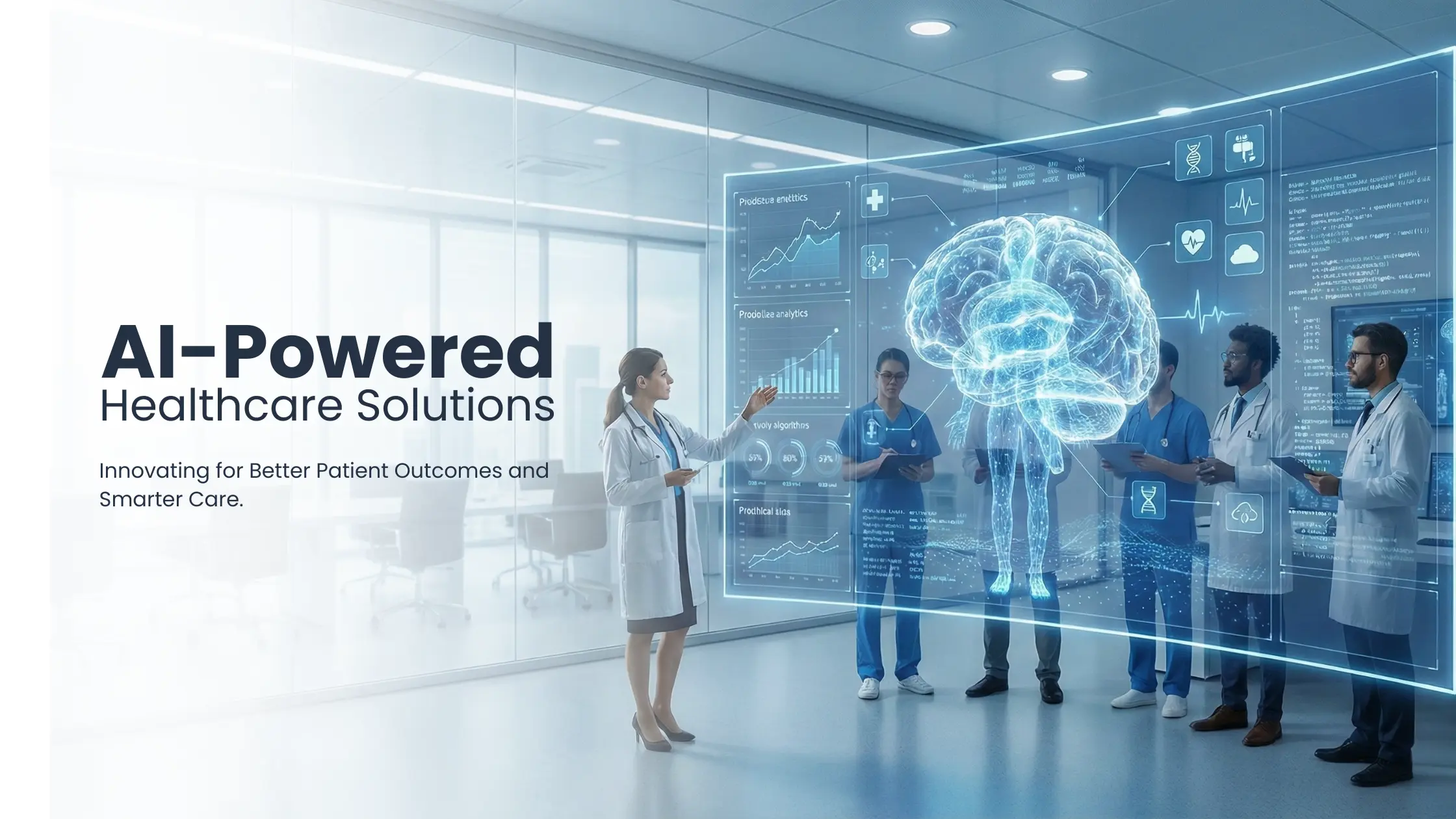
Health technology encompasses an expansive range of tools, from software-driven diagnostic algorithms to sophisticated surgical robotics, all designed to improve patient outcomes and streamline clinical workflows. In 2026, the focus has shifted toward hyper-personalized care, where technologies like generative AI, continuous biosensors, and gene-editing therapies allow for real-time health interventions tailored to an individual’s unique genetic and physiological profile.
The Evolution of Health Technology (HealthTech)
The landscape of healthcare has undergone a radical transformation over the last decade. We have moved from a reactive model—treating illness after it appears—to a proactive, preventative model. Health technology, or HealthTech, is the primary driver of this shift. It integrates principles of engineering, data science, and molecular biology to solve complex medical challenges.
As of 2026, the "Internet of Medical Things" (IoMT) has matured. Devices are no longer isolated; they exist within a connected ecosystem where data flows seamlessly between patients and providers. This connectivity reduces the burden on traditional hospital infrastructure and empowers patients to manage chronic conditions from the comfort of their homes. To understand the current state of the industry, we must examine the specific examples currently defining the standard of care.
1. Generative AI and Multimodal Large Language Models (LLMs)
By 2026, Generative AI has moved beyond simple chatbots to become a cornerstone of clinical documentation and diagnostic support. Multimodal LLMs can process not just text, but also medical imaging, genomic sequences, and real-time audio from patient consultations.
The primary application here is the reduction of "pajama time"—the hours clinicians spend on paperwork after shifts. Ambient clinical intelligence tools listen to patient-doctor interactions and automatically generate structured electronic health record (EHR) notes. Beyond administration, these models assist in differential diagnosis by cross-referencing a patient’s symptoms against millions of pages of medical literature in seconds, highlighting rare diseases that a human might overlook.
2. Continuous Glucose Monitors (CGM) for Metabolic Health
Initially designed for Type 1 diabetics, Continuous Glucose Monitors have evolved into a mass-market tool for metabolic health. These small, subcutaneous sensors measure glucose levels in the interstitial fluid every few minutes, transmitting data to a smartphone.
In 2026, the technology has expanded to include "multisensors" capable of tracking glucose, ketones, and lactate simultaneously. This provides a comprehensive view of metabolic flexibility. For the general population, these devices offer real-time feedback on how specific foods, sleep patterns, and exercise affect their blood sugar, effectively serving as a preventative tool against the development of Type 2 diabetes and metabolic syndrome.
3. CRISPR-Cas9 and Gene Editing Therapies
The promise of "curing the incurable" has become a reality with CRISPR-based gene editing. Following the landmark approvals of therapies for sickle cell disease and beta-thalassemia, 2026 sees an expansion into in-vivo treatments—where the gene-editing components are injected directly into the body to target specific organs like the liver or eyes.
CRISPR technology works like a pair of molecular scissors, allowing scientists to snip and replace faulty DNA sequences. Current clinical trials are pushing the boundaries into treating hereditary blindness, high cholesterol, and even certain types of amyloidosis. The regulatory framework has matured, focusing heavily on long-term safety and "off-target" effects to ensure that edits remain precise and localized.
4. Robotic-Assisted Surgery (RAS) Platforms
Robotic surgery is no longer limited to the urology department. In 2026, next-generation platforms feature enhanced haptic feedback, allowing surgeons to "feel" the resistance of tissues through the robotic console. These systems utilize a master-slave architecture where the surgeon controls miniaturized instruments with a degree of precision and range of motion far exceeding the human hand.
Modern RAS platforms are increasingly integrated with augmented reality (AR). During a procedure, a surgeon can see a 3D digital overlay of the patient’s internal anatomy—derived from pre-operative CT scans—directly on the surgical field. This "X-ray vision" helps avoid critical structures like blood vessels and nerves, reducing complications and shortening recovery times.
5. Digital Therapeutics (DTx)
Digital Therapeutics are evidence-based software programs designed to prevent, manage, or treat medical disorders. Unlike a standard wellness app, a DTx must undergo rigorous clinical trials and receive regulatory clearance (such as from the FDA or EMA) to make specific health claims.
In 2026, DTx is a standard prescription for conditions like chronic insomnia, pediatric ADHD, and substance use disorders. For instance, a DTx for chronic pain might use cognitive behavioral therapy (CBT) modules combined with biofeedback from a wearable device to help patients retrain their nervous system’s response to pain signals. This offers a non-pharmacological alternative to opioids, addressing a critical public health need.
6. Nanomedicine and Targeted Drug Delivery
Nanomedicine involves the manipulation of materials at the molecular scale (1 to 100 nanometers) to diagnose and treat disease. The most prominent example in 2026 is the use of lipid nanoparticles (LNPs) for drug delivery.
Traditional systemic chemotherapy often damages healthy cells along with cancerous ones. Nanomedicine allows for "targeted" delivery, where drugs are encapsulated in particles designed to open only when they encounter specific markers on a tumor's surface. This maximizes the concentration of the drug at the site of the disease while minimizing side effects. Research is currently focused on "nanobots" that can perform microscopic repairs or clear arterial plaques from within the bloodstream.
7. 3D Bioprinting of Tissues
While 3D printing of titanium joints and dental implants is common, 3D bioprinting involves the precise layering of "bio-inks" containing living cells. By 2026, bioprinting is used extensively for skin grafts for burn victims and for creating "organ-on-a-chip" models.
These chips mimic the physiological response of entire organs, allowing pharmaceutical companies to test new drugs on human tissue models rather than relying solely on animal testing. While the printing of complex, vascularized organs like hearts or lungs remains in the late-stage research phase, the ability to print functional patches for damaged heart tissue or liver segments has begun to enter clinical pilot programs.
8. Smart Prosthetics and Neural Interfaces
The field of prosthetics has shifted from passive mechanical limbs to "smart" bionic systems that integrate with the user’s nervous system. In 2026, targeted muscle reinnervation (TMR) and osseointegration allow prosthetic limbs to be attached directly to the bone and controlled by the user's thoughts.
Furthermore, these prosthetics now incorporate sensory feedback. Sensors in the fingertips of a bionic hand can send electrical signals back to the user’s remaining nerves, allowing them to feel the pressure and texture of an object they are holding. This bidirectional communication significantly improves the "embodiment" of the limb, reducing the high abandonment rates seen with older prosthetic models.
9. Telemedicine 2.0 and Virtual Wards
Telemedicine has moved beyond simple video calls. "Telemedicine 2.0" refers to the integration of remote patient monitoring (RPM) into virtual ward programs. In 2026, patients with acute conditions that would previously require hospitalization—such as mild pneumonia or heart failure exacerbations—can be treated at home.
Patients are equipped with a kit containing a cellular-enabled pulse oximeter, blood pressure cuff, and a continuous ECG patch. This data is monitored 24/7 by a centralized "command center" staffed by nurses and AI algorithms. If a patient’s vitals deteriorate, the system triggers a home visit or an emergency admission. This model reduces hospital-acquired infections and frees up beds for more critical cases.
10. Blockchain for Health Data Interoperability
One of the greatest challenges in healthcare is the fragmentation of data. Patient records are often trapped in "silos" across different hospital systems. Blockchain, or distributed ledger technology, provides a decentralized way to manage medical records in 2026.
By using blockchain, patients hold the "private key" to their own health data. When they visit a new specialist, they can grant temporary access to their records, ensuring that the doctor has a complete, immutable history of their treatments, allergies, and lab results. This eliminates the need for faxing records and prevents redundant testing, which currently costs the healthcare system billions of dollars annually.
11. Virtual and Augmented Reality (VR/AR) in Care
VR and AR have found diverse applications in 2026, ranging from medical education to patient therapy. In medical schools, VR allows students to perform unlimited "virtual dissections" and practice complex surgeries in a risk-free environment.
For patients, VR is a powerful tool for pain management and mental health. During painful procedures, such as changing burn dressings, VR can immerse a patient in a calming, snowy environment. This "distraction therapy" has been shown to reduce perceived pain as effectively as some sedative medications. Additionally, VR exposure therapy is the gold standard for treating PTSD, allowing veterans to process traumatic memories in a controlled, safe setting.
12. Wearable Biosensors and Sweat Analysis
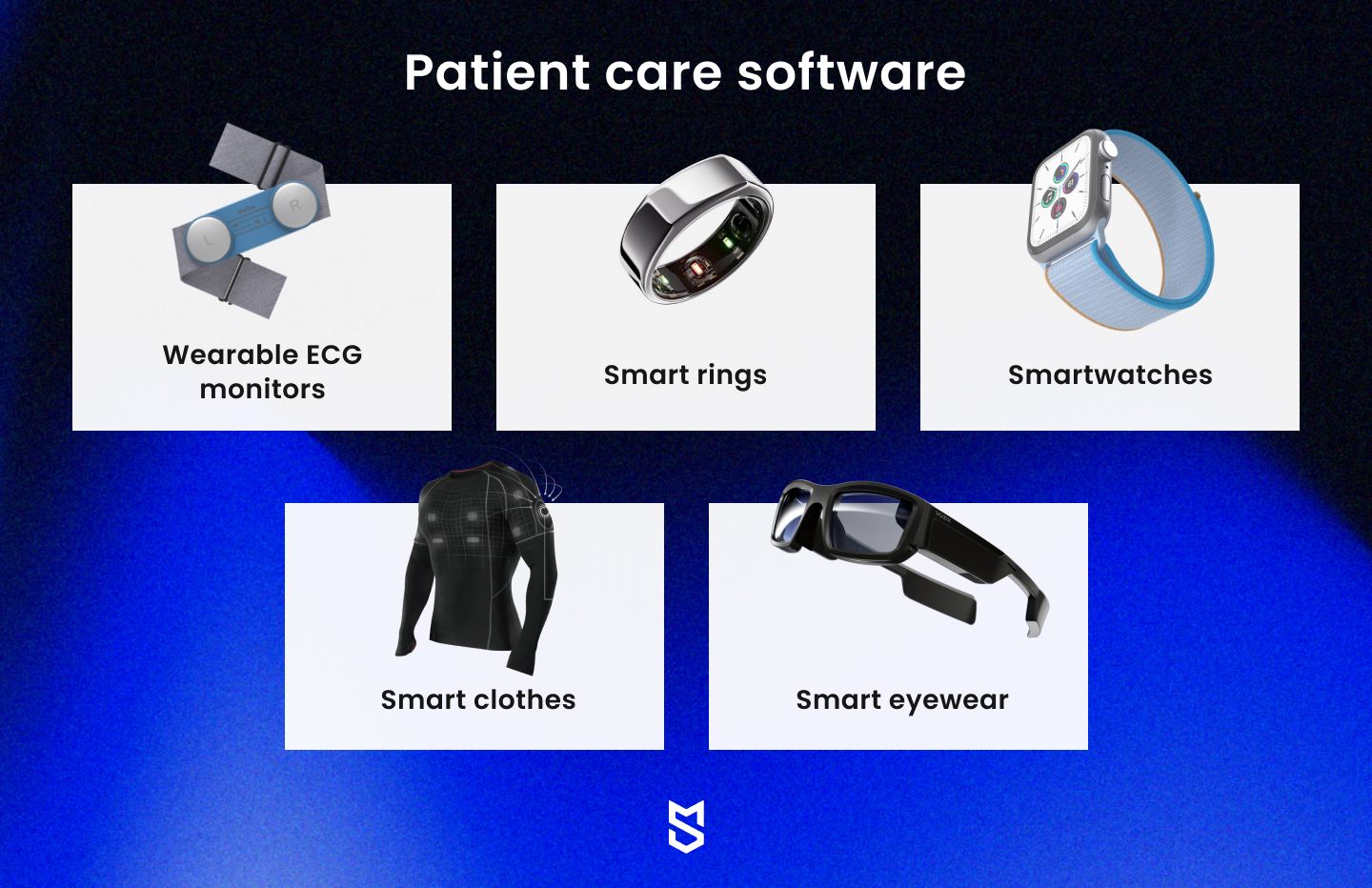
The newest generation of wearables in 2026 has moved beyond heart rate tracking to molecular-level analysis. Wearable biosensors can now analyze the composition of a user’s sweat in real-time.
Sweat contains valuable biomarkers, including electrolytes, hormones like cortisol (the stress hormone), and even trace amounts of drugs. For athletes, these sensors provide precise hydration and recovery data. In a clinical context, they offer a non-invasive way to monitor stress levels in patients with anxiety or to ensure that elderly patients are adhering to their medication regimens.
Comparison of Key Health Technologies
The following table summarizes the primary impact and maturity of the 12 technologies discussed.
| Technology | Primary Use Case | Core Benefit | Maturity Level (2026) |
|---|---|---|---|
| Generative AI | Diagnostic Support | Redux of admin burden; faster diagnosis | Widespread |
| CGMs | Metabolic Monitoring | Real-time glucose/metabolic feedback | Consumer-grade |
| CRISPR | Genetic Therapy | Curing hereditary diseases | Early Clinical |
| Robotic Surgery | Precision Procedures | Less invasive; faster recovery | Standard of Care |
| Digital Therapeutics | Behavioral Health | Non-drug treatment for chronic issues | Growing |
| Nanomedicine | Oncology/Drug Delivery | Reduced toxicity; targeted treatment | Specialized |
| 3D Bioprinting | Tissue Engineering | Personalized grafts; drug testing models | Research/Pilot |
| Smart Prosthetics | Limb Replacement | Neural control; sensory feedback | Specialized |
| Telemedicine 2.0 | Acute Home Care | Reduces hospital stays; 24/7 monitoring | Widespread |
| Blockchain | Data Management | Patient-owned, interoperable records | Emerging |
| VR/AR | Training & Pain Mgmt | Risk-free learning; non-drug pain relief | Growing |
| Wearable Biosensors | Bio-monitoring | Molecular-level health insights | Consumer-grade |
Frequently Asked Questions
Are these technologies covered by health insurance in 2026?
Coverage varies by region and technology type. Established technologies like robotic surgery and traditional telemedicine are universally covered. Digital Therapeutics (DTx) and Continuous Glucose Monitors for non-diabetics are increasingly covered as "preventative care" by private insurers, though public systems like Medicare may have stricter eligibility requirements based on clinical necessity.
How is patient privacy protected with these connected devices?
In 2026, most health technologies are subject to updated regulations like the "Health Data Security Act," which mandates end-to-end encryption and localized data processing (Edge AI). This means that much of your sensitive data stays on your device rather than being stored in a central cloud server, minimizing the risk of large-scale data breaches.
Will AI eventually replace human doctors?
The consensus in 2026 is that AI is an "augmented intelligence" tool, not a replacement. While AI excels at pattern recognition in imaging and processing vast amounts of data, it lacks the empathy, ethical judgment, and complex physical dexterity of a human physician. The role of the doctor is shifting toward interpreting AI insights and managing the patient-provider relationship.
Can CRISPR be used to "design" babies?
Regulatory bodies, including the WHO and various national ethics committees, have maintained a strict ban on "germline" editing—edits that can be passed down to future generations. Current medical CRISPR applications are "somatic," meaning the changes only affect the individual patient and cannot be inherited. The focus remains strictly on treating debilitating diseases.
What is the most significant barrier to adopting these technologies?
The "digital divide" remains the largest hurdle. While these technologies are life-changing, their high initial cost and the requirement for high-speed internet (5G/6G) mean that rural and lower-income populations may not have equal access. Bridging this gap is a primary focus for global health organizations in 2026.
Practical Recommendations for Implementation
For healthcare providers and organizations looking to integrate these technologies, the focus should not be on the gadgets themselves but on the data integration. A wearable sensor is only useful if the data it generates can be interpreted and acted upon by a clinician without creating "alert fatigue."
- Prioritize Interoperability: Ensure any new technology can "talk" to your existing EHR system using standardized protocols like HL7 FHIR.
- Focus on Patient Literacy: Patients need to be educated on how to use these tools effectively. High-tech care only works if the user is engaged and understands the data.
- Invest in Cybersecurity: As healthcare becomes more connected, it becomes a larger target for cyber-attacks. Security must be a "day zero" consideration for any new tech rollout.
The trajectory of health technology in 2026 suggests a future where medicine is no longer a "one size fits all" service, but a precisely calibrated intervention that respects the biological individuality of every patient.