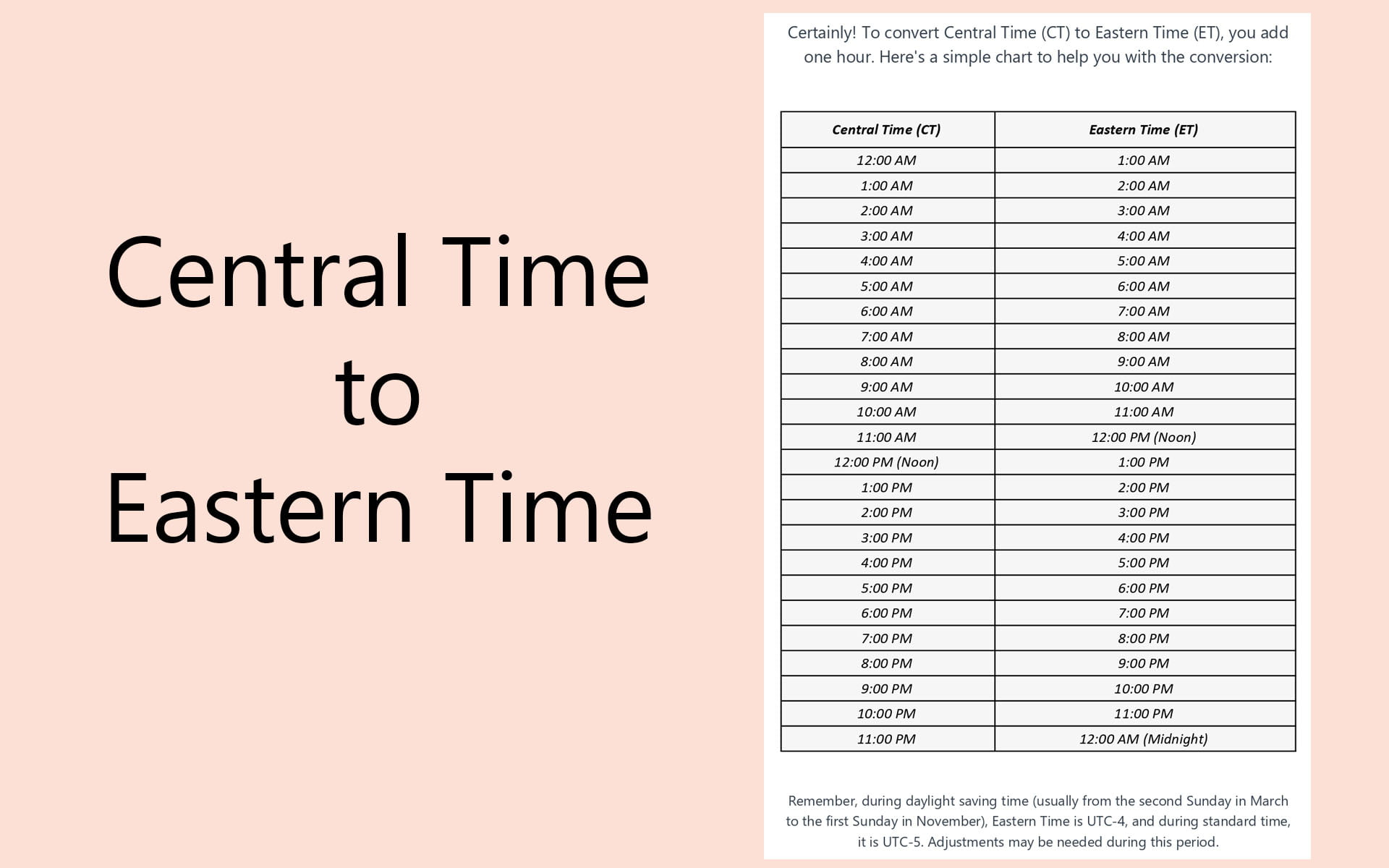
When it is 12:30 PM PDT (Pacific Daylight Time), the time in the Eastern United States is 3:30 PM EDT (Eastern Daylight Time). Because both regions typically observe Daylight Saving Time simultaneously, the three-hour difference remains constant. If you are specifically converting to Eastern Standard Time (EST) while the West remains on Daylight Time, the result is 2:30 PM EST.
Understanding the Fundamentals of the PDT to EST Conversion
Navigating the transition between the Pacific and Eastern coasts of North America requires more than a simple three-hour addition. In 2026, the complexity of time management is often compounded by the distinction between "Standard" and "Daylight" designations. While many people use the terms "EST" and "ET" (Eastern Time) interchangeably, they represent different UTC offsets that can significantly impact scheduled meetings, travel itineraries, and broadcast times.
Pacific Daylight Time (PDT) is the time zone observed on the West Coast of the United States, Canada, and parts of Mexico during the warmer months of the year. It is officially seven hours behind Coordinated Universal Time (UTC-7). Conversely, Eastern Standard Time (EST) is five hours behind Coordinated Universal Time (UTC-5). However, during the period when the West is in "Daylight" mode, the East is almost always in Eastern Daylight Time (EDT), which is UTC-4.
This distinction is crucial. If you are coordinating a call for 12:30 PM PDT and your counterpart in New York insists on using "EST" literally, there is a risk of a one-hour discrepancy. In the vast majority of professional and casual contexts, the search for "12:30 PDT to EST" is a search for the current time in the Eastern time zone, which, for most of the year, is actually EDT.
The Mechanics of the Three-Hour Gap
The three-hour difference between the Pacific and Eastern time zones is a product of geographical distance and the standardized time system established in the late 19th century. Spanning approximately 3,000 miles, the continental United States is divided into four primary time zones: Pacific, Mountain, Central, and Eastern.
When it is 12:30 PM in Los Angeles (PDT), the sun has reached its peak or is just past its zenith. In New York or Miami, the sun is significantly lower in the sky as the workday begins its final stretch. This gap creates a "golden window" of productivity for transcontinental businesses. For a professional starting their day at 9:00 AM on the West Coast, their East Coast colleagues are already returning from lunch at 12:00 PM. By 12:30 PM PDT, the East Coast is entering the 3:30 PM hour—often the final block of intensive work before the business day concludes.
Understanding this rhythm is essential for maximizing efficiency. Scheduling a meeting at 12:30 PM PDT means you are catching your Eastern counterparts toward the end of their day. This is often the latest viable time for a collaborative session without infringing on the personal time of those in the East.
Daylight Saving Time in 2026: Key Dates and Impact
In 2026, the transition between Standard and Daylight time follows the established North American pattern. Unless federal legislation (such as the proposed Sunshine Protection Act) has been fully implemented to make Daylight Saving Time permanent, we continue to observe the biannual shift.
For 2026, the key dates are as follows:
- March 8, 2026: Clocks "spring forward" one hour. PST becomes PDT, and EST becomes EDT.
- November 1, 2026: Clocks "fall back" one hour. PDT reverts to PST, and EDT reverts to EST.
When you ask for a conversion of "PDT," you are explicitly referring to the period between March 8 and November 1. During this window, the Eastern side of the country is also on "Daylight" time (EDT). Therefore, the calculation is 12:30 PM (UTC-7) + 3 hours = 3:30 PM (UTC-4).
If you are communicating with someone in a region that does not observe Daylight Saving Time, such as most of Arizona or parts of the Caribbean that use EST year-round, the conversion changes. In those specific cases, 12:30 PM PDT (UTC-7) actually becomes 2:30 PM EST (UTC-5), resulting in only a two-hour difference. Always verify if the person you are contacting is in a DST-observing region to avoid confusion.
12:30 PDT to Eastern Time Conversion Table
To help visualize the transition across different increments of the hour, the following table provides a quick reference for the mid-day window.
| Pacific Daylight Time (PDT) | Eastern Daylight Time (EDT) | Eastern Standard Time (EST)* |
|---|---|---|
| 12:00 PM | 3:00 PM | 2:00 PM |
| 12:30 PM | 3:30 PM | 2:30 PM |
| 1:00 PM | 4:00 PM | 3:00 PM |
| 1:30 PM | 4:30 PM | 3:30 PM |
| 2:00 PM | 5:00 PM | 4:00 PM |
*Note: EST is only applicable during this window in regions that do not observe Daylight Saving Time, or during the brief periods of transition.
Why the "EST" vs. "EDT" Distinction Matters
While it might seem pedantic, using the correct acronym is a hallmark of professional clear communication. The "S" in EST stands for Standard, and the "D" in EDT stands for Daylight. When the Pacific region is in "Daylight" time (PDT), the Eastern region is almost certainly in "Daylight" time (EDT) as well.
If a contract or a legal document specifies "12:30 PM EST" during the summer months, a strict interpretation would place that event at 1:30 PM Eastern Daylight Time (or 10:30 AM PDT). This "off-by-one-hour" error is a common source of missed appointments and logistical failures in logistics and aviation. In 2026, most digital scheduling tools like Google Calendar, Outlook, and Zoom handle these transitions automatically, but manual entries in emails or Slack messages remain vulnerable to human error.
To be safe, many professionals have adopted the use of "ET" (Eastern Time) or "PT" (Pacific Time) to circumvent the Standard/Daylight confusion. Saying "12:30 PM PT" allows the time to float naturally with the seasonal shifts, ensuring the three-hour gap is maintained regardless of whether it is currently Standard or Daylight time.
Technical Considerations for Software and Global Teams
For developers and systems administrators managing servers across the US, time zone conversion is rarely as simple as adding three. Most modern systems utilize the IANA Time Zone Database, which tracks the historical and current time zone rules for every region on Earth.
When a computer converts 12:30 PM PDT to Eastern Time, it isn't just doing math; it is checking a library of rules. For example:
- Normalization to UTC: The system first converts 12:30 PM PDT to 7:30 PM UTC.
- Lookup Region Rules: It then looks at the target region (e.g.,
America/New_York). - Check DST Status: For the date in 2026, it determines that the region is currently observing UTC-4.
- Final Calculation: It subtracts 4 hours from 7:30 PM UTC to arrive at 3:30 PM EDT.
If you are working with remote teams in 2026, ensure your team’s shared calendars are set to a specific city (like "New York" or "Los Angeles") rather than a generic offset. This ensures that when the DST shift occurs in March or November, the 12:30 PM meeting remains at 12:30 PM for the host, and the software automatically adjusts the time for all other participants.
Common Mistakes When Converting 12:30 PDT
Despite the simplicity of the "add three hours" rule, several recurring mistakes can derail scheduling:
- The Noon-Midnight Flip: 12:30 PM is just after noon. Some people mistakenly calculate as if it were 12:30 AM (midnight). Always remember that 12:30 PM PDT is broad daylight on the West Coast, meaning it is mid-afternoon (3:30 PM) on the East Coast.
- The Arizona Exception: As mentioned, Arizona (with the exception of the Navajo Nation) does not observe Daylight Saving Time. During the months when the West is on PDT, Arizona is effectively on the same time as PDT (UTC-7). This can lead to confusion if you are traveling from Phoenix to New York and expecting the same time difference you experienced in the winter.
- Assuming All of Canada Follows Suit: While most of Canada follows the US DST schedule, certain areas in Saskatchewan and British Columbia have unique rules. Always verify the specific province if your conversion involves Canadian stakeholders.
- Misinterpreting "EST" as a Generic Label: Many users search for "EST" because it is the most recognized acronym for Eastern Time, even when EDT is the active zone. In 2026, if you see "12:30 PDT to EST," your first step should be to confirm if the requester actually means the current Eastern time (EDT).
Practical Applications: 12:30 PDT in Daily Life
Understanding this conversion is particularly relevant for several sectors:
1. The Financial Markets
The New York Stock Exchange (NYSE) and NASDAQ close at 4:00 PM ET. If you are a trader on the West Coast, 12:30 PM PDT is your "Power Hour." You have exactly 30 minutes left before the closing bell rings at 3:30 PM ET (EDT). This is often a period of high volatility and significant trading volume.
2. Live Sporting Events
Major League Baseball or NFL games scheduled for a "late afternoon" Eastern start of 3:30 PM will begin at 12:30 PM for viewers in Seattle, San Francisco, or Los Angeles. For West Coast fans, this often means a lunchtime kickoff.
3. Corporate Webinars and Product Launches
Many tech companies based in Silicon Valley schedule their announcements for 10:00 AM or 12:00 PM local time. A 12:30 PM PDT start time is a strategic choice—it allows the West Coast to finish their morning tasks while ensuring the East Coast can participate before the end of the traditional 9-to-5 workday.
The Future of Time Zones: Will We Still Convert in 2026?
As of 2026, the debate regarding permanent Daylight Saving Time continues. If the United States were to adopt permanent PDT (making it the new "Standard"), the three-hour gap to the East would remain, but the labels would change forever. However, until such legislation is passed and synchronized across states, the manual conversion from PDT to EDT (commonly searched as EST) remains a necessary skill for transcontinental coordination.
The National Institute of Standards and Technology (NIST) and the U.S. Naval Observatory remain the primary authorities for timekeeping in the United States. For those requiring sub-second accuracy for scientific or legal purposes, referring to these official government sources is recommended over third-party conversion sites.
Frequently Asked Questions
Is 12:30 PDT the same as 3:30 PM in New York?
Yes. During the months when Daylight Saving Time is active (March to November), New York operates on Eastern Daylight Time (EDT), which is exactly three hours ahead of Pacific Daylight Time (PDT).
If it is 12:30 PM PDT, is it 11:30 AM in Hawaii?
No. Hawaii-Aleutian Standard Time (HST) does not observe Daylight Saving Time. Hawaii is UTC-10. Since PDT is UTC-7, Hawaii is three hours behind the West Coast. Therefore, 12:30 PM PDT is 9:30 AM in Hawaii.
Why do people say EST when they mean EDT?
"EST" has become a colloquialism for "Eastern Time" in general. Many people use it year-round without realizing that the "S" specifically refers to the winter months. In professional settings, it is better to use "ET" or "Eastern Time" to avoid technical inaccuracies.
What is 12:30 PM PDT in UTC?
12:30 PM PDT is 7:30 PM (or 19:30) Coordinated Universal Time (UTC). This is calculated by adding seven hours to the Pacific time during the Daylight Saving period.
Does 12:30 PDT to EST change in the winter?
Yes and no. In the winter, the West Coast uses PST (Pacific Standard Time) and the East Coast uses EST (Eastern Standard Time). The three-hour gap remains the same, so 12:30 PM PST becomes 3:30 PM EST. The term "PDT" is not used in the winter.
Final Recommendation for Scheduling
When scheduling an event for 12:30 PM PDT, always include the equivalent Eastern time in your invitation: 3:30 PM ET. Using "ET" instead of "EST" or "EDT" is the most effective way to ensure clarity for all participants, as it accounts for the current seasonal time setting without requiring the guests to know the specific acronym rules for 2026. For the most accurate synchronization, use a digital calendar invite that automatically detects the recipient's local time zone settings.