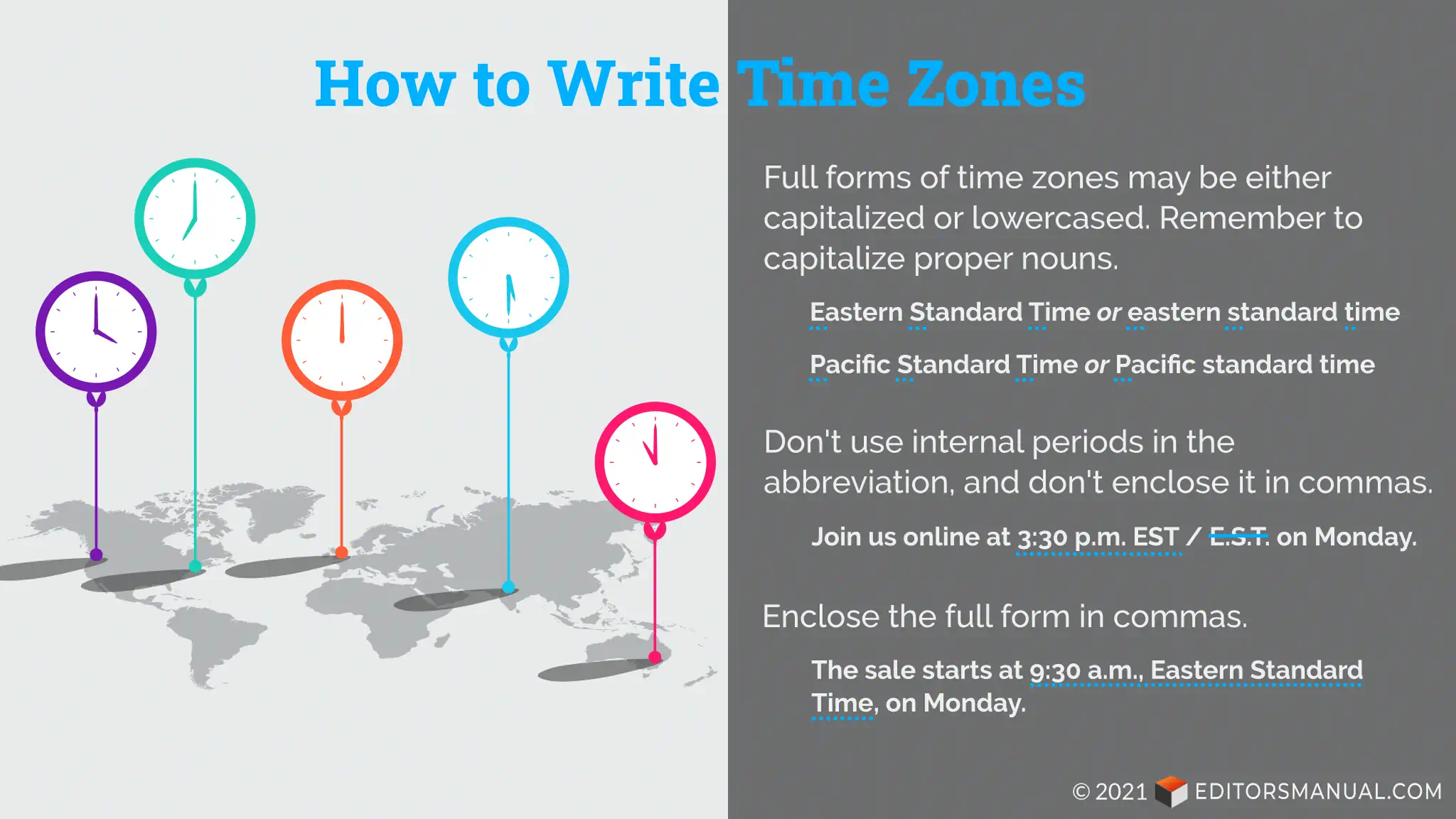
When it is 11:30 Eastern Standard Time (EST), it is 16:30 Greenwich Mean Time (GMT) during standard time months, and 15:30 Greenwich Mean Time when Eastern Daylight Time (EDT) is active. Understanding this transition is essential for coordinating global schedules, financial markets, and remote professional meetings.
Understanding Eastern Time (EST/EDT) and Greenwich Mean Time (GMT)
Navigating international schedules requires a firm grasp of how different geographic regions define and measure time. The relationship between North American eastern time zones and global standard time is frequently misunderstood because of seasonal clock adjustments. To convert times accurately, one must first understand the structural foundations of these time systems, including how they relate to Coordinated Universal Time (UTC) and how daylight saving time alters the mathematical formulas.
The Anatomy of Eastern Standard Time (EST) and Eastern Daylight Time (EDT)
The Eastern Time Zone encompasses a large portion of the eastern coast of North America, stretching from parts of Canada down through the eastern United States and into parts of Central and South America. In common parlance, people frequently use "EST" as a blanket term for the eastern time zone year-round. However, this is technically incorrect for roughly two-thirds of the year.
During the winter months—specifically from early November to mid-March—the region observes Eastern Standard Time (EST), which is officially defined as UTC-5. This means that EST is exactly five hours behind Coordinated Universal Time. Conversely, during the spring and summer months, the region observes Eastern Daylight Time (EDT), which shifts the clocks forward by one hour to UTC-4. This seasonal shift is designed to extend evening daylight during the warmer months, but it creates a recurring complication for international scheduling.
The Role of Greenwich Mean Time (GMT) and UTC
Greenwich Mean Time (GMT) originates from the prime meridian located at the Royal Observatory in Greenwich, London. Historically used as a global time standard, GMT is functionally equivalent to Coordinated Universal Time (UTC) for most everyday civilian purposes, although UTC is maintained by a precise ensemble of atomic clocks while GMT is technically a time zone based on Earth's rotation.
Crucially, unlike North America, the United Kingdom observes its own seasonal transitions between Greenwich Mean Time (GMT, UTC+0) in the winter and British Summer Time (BST, UTC+1) in the summer. Because the transition dates for daylight saving time in North America and Europe do not align perfectly, there are brief multi-week windows in the spring and autumn where the time difference between the eastern United States and London shifts temporarily.
The Mathematical Breakdown: 11:30 EST in GMT
Converting 11:30 from the Eastern time zone to GMT depends entirely on whether standard time or daylight saving time is currently in effect. Applying the correct offset ensures that virtual meetings, financial transactions, and international communications occur precisely on schedule.
Conversion During Standard Time (November to March)
When Eastern Standard Time (UTC-5) is active, the mathematical calculation is straightforward:
- Identify the base time: 11:30 EST.
- Identify the offset: GMT is 5 hours ahead of EST (UTC+0 vs. UTC-5).
- Add 5 hours to 11:30.
- Calculation: 11 hours + 5 hours = 16 hours. The minutes remain 30.
- Result: 16:30 GMT (or 4:30 PM in 12-hour format).
During this period, the conversion is consistent because neither region is observing daylight saving time.
Conversion During Daylight Saving Time (March to November)
When the eastern region of North America shifts to Eastern Daylight Time (UTC-4) while the United Kingdom is observing British Summer Time (BST, UTC+1), or during the transition weeks when the UK has returned to GMT while North America is still on EDT (or vice versa), the offset changes.
Assuming standard alignment during the peak summer months when EDT (UTC-4) and BST (UTC+1) are active, the time difference between Eastern Time and London remains 5 hours. However, when comparing strict Eastern Daylight Time (UTC-4) directly to pure Greenwich Mean Time (UTC+0):
- Identify the base time: 11:30 EDT (treated as UTC-4).
- Identify the offset: Pure GMT is 4 hours ahead of EDT.
- Add 4 hours to 11:30.
- Calculation: 11 hours + 4 hours = 15 hours. The minutes remain 30.
- Result: 15:30 GMT (or 3:30 PM in 12-hour format).
| Eastern Time Season | Eastern Time Offset | GMT / London Offset | 11:30 EST/EDT Equivalent in GMT |
|---|---|---|---|
| Standard Time (Nov–Mar) | UTC-5 (EST) | UTC+0 (GMT) | 16:30 GMT |
| Daylight Saving (Mar–Nov) | UTC-4 (EDT) | UTC+1 (BST / UK Time) | 16:30 London Time (15:30 strict GMT) |
Practical Applications for Global Scheduling
Knowing that 11:30 EST translates to 16:30 GMT is only the first step. Professionals, students, and travelers frequently need to apply this conversion across various operational contexts, ranging from corporate boardrooms to international freight logistics.
Coordinating Cross-Border Business Meetings
Corporate scheduling tools like Microsoft Outlook and Google Calendar often handle time zone conversions automatically, but manual verification is frequently required when dealing with clients who do not use digital calendar invites or when writing contracts and service level agreements.
When scheduling a webinar or a live conference call for 11:30 EST, organizers based in London must log in at 16:30 GMT (during the winter) to catch the start of the meeting. Failing to account for the seasonal shift can result in attendees logging in an hour early or an hour late, disrupting professional momentum.
Financial Markets and Economic Data Releases
Global financial markets operate on strict timetables where seconds matter. While major exchanges like the New York Stock Exchange (NYSE) open at 09:30 EST, economic indicators, central bank announcements, and quarterly earnings reports are frequently published at specific times throughout the morning, such as 11:30 EST.
Traders in European financial centers tracking these North American announcements must convert 11:30 EST to 16:30 GMT to align their trading strategies, manage risk exposure, and execute portfolio rebalancing near the close of the European trading day.
Common Pitfalls and Troubleshooting Conversion Errors
Even experienced professionals make mistakes when converting time zones, particularly during transitional weeks. Recognizing common errors helps prevent costly scheduling failures.
The Daylight Saving Time Mismatch Trap
The most frequent source of error is assuming that the time difference between North America and Europe remains constant throughout the entire year. The United States and Canada typically begin daylight saving time on the second Sunday of March and end it on the first Sunday of November. Meanwhile, European Union member states and the United Kingdom begin summer time on the last Sunday of March and end it on the last Sunday of October.
During these mismatched weeks in March and November, the time offset shifts by one hour for a brief period. Someone converting 11:30 EST to GMT during these transition weeks must verify the exact calendar dates of the time changes in both jurisdictions to avoid a one-hour discrepancy.
AM/PM and 24-Hour Format Confusion
Mixing up 12-hour and 24-hour time notations is another common pitfall.
- 11:30 AM EST converts to 16:30 GMT (or 4:30 PM).
- If the original time were 11:30 PM EST (23:30), the GMT equivalent would be the following day at 04:30 GMT.
Always verify whether the source time is morning (ante meridiem) or evening (post meridiem) before applying the hour addition.
Frequently Asked Questions
Is EST the same as EDT?
No. EST stands for Eastern Standard Time (UTC-5) and is used during the autumn and winter months. EDT stands for Eastern Daylight Time (UTC-4) and is used during the spring and summer months when clocks are moved forward by one hour.
What is 11:30 EST in UTC?
Because Greenwich Mean Time (GMT) is functionally equivalent to Coordinated Universal Time (UTC) for standard offset calculations, 11:30 EST is equal to 16:30 UTC.
How do I convert EST to GMT during the summer?
During the summer months, North America observes Eastern Daylight Time (EDT, UTC-4). If you are converting from EDT to strict GMT (UTC+0), you add 4 hours, making 11:30 EDT equal to 15:30 GMT. However, if you are converting to London time, London observes British Summer Time (BST, UTC+1) during this period, meaning London remains 5 hours ahead of Eastern Time (16:30 in London).
Do all areas in the Eastern Time Zone observe daylight saving time?
Most of the Eastern Time Zone observes daylight saving time, but there are notable exceptions. For example, the state of Arizona primarily stays on Mountain Standard Time year-round (except for the Navajo Nation), and parts of Indiana historically maintained exceptions before unifying their time zones. Always check the specific sub-region if dealing with localized municipal schedules.
What is the easiest way to avoid conversion errors for recurring meetings?
When setting up recurring international meetings, rely on internet-enabled calendar software that automatically adjusts for daylight saving time changes in both participant locations. Alternatively, anchor the meeting time to UTC rather than a localized time zone.
Conclusion and Next Actions
Converting 11:30 EST to GMT requires recognizing whether standard time or daylight saving time is currently active. For the majority of the winter months, 11:30 EST equals 16:30 GMT by adding a five-hour offset. To ensure absolute accuracy for upcoming international calls, financial transactions, or travel itineraries, verify the current active time zones in both regions, double-check AM and PM designations, and utilize synchronized digital tools when scheduling cross-border commitments.