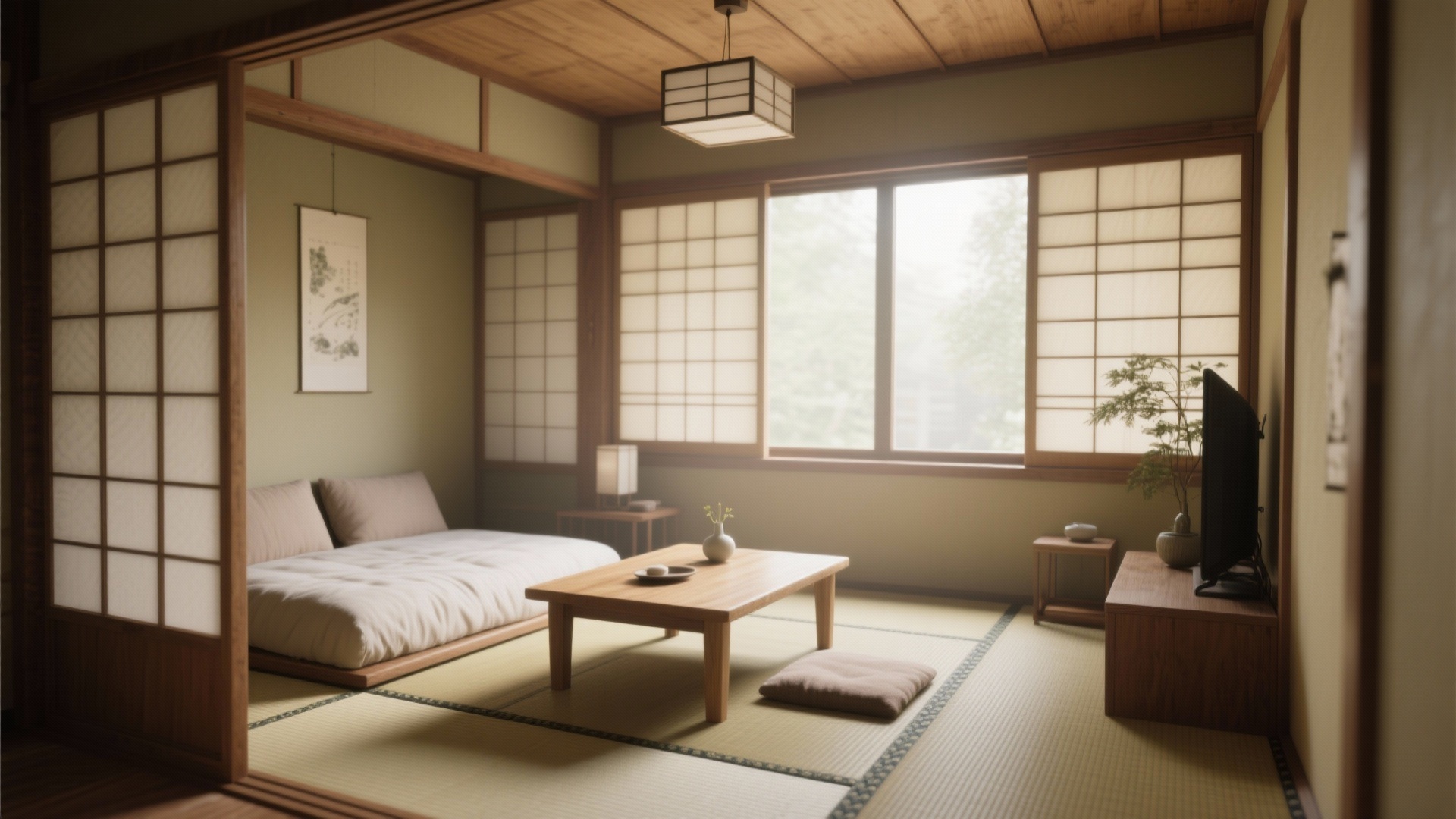
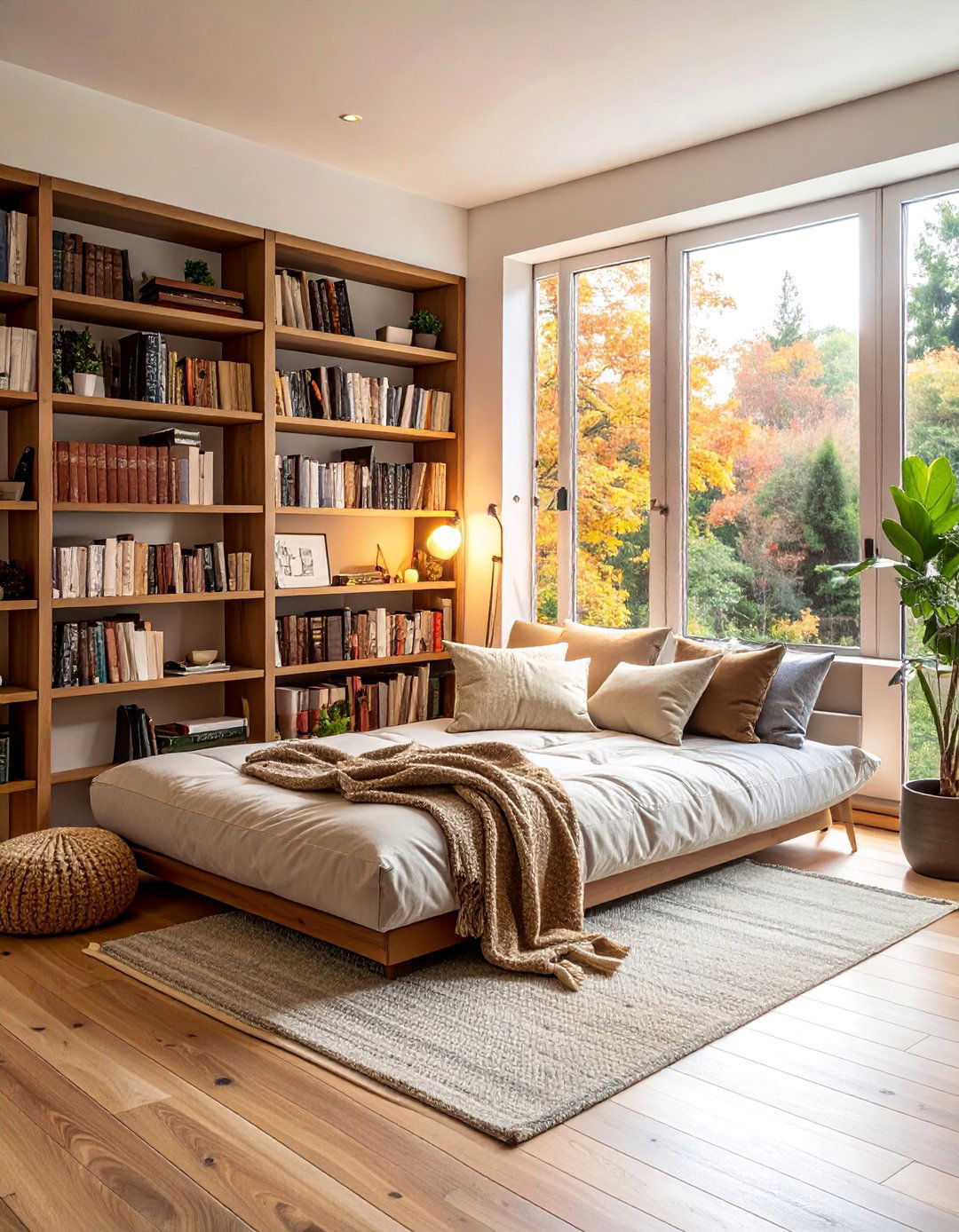
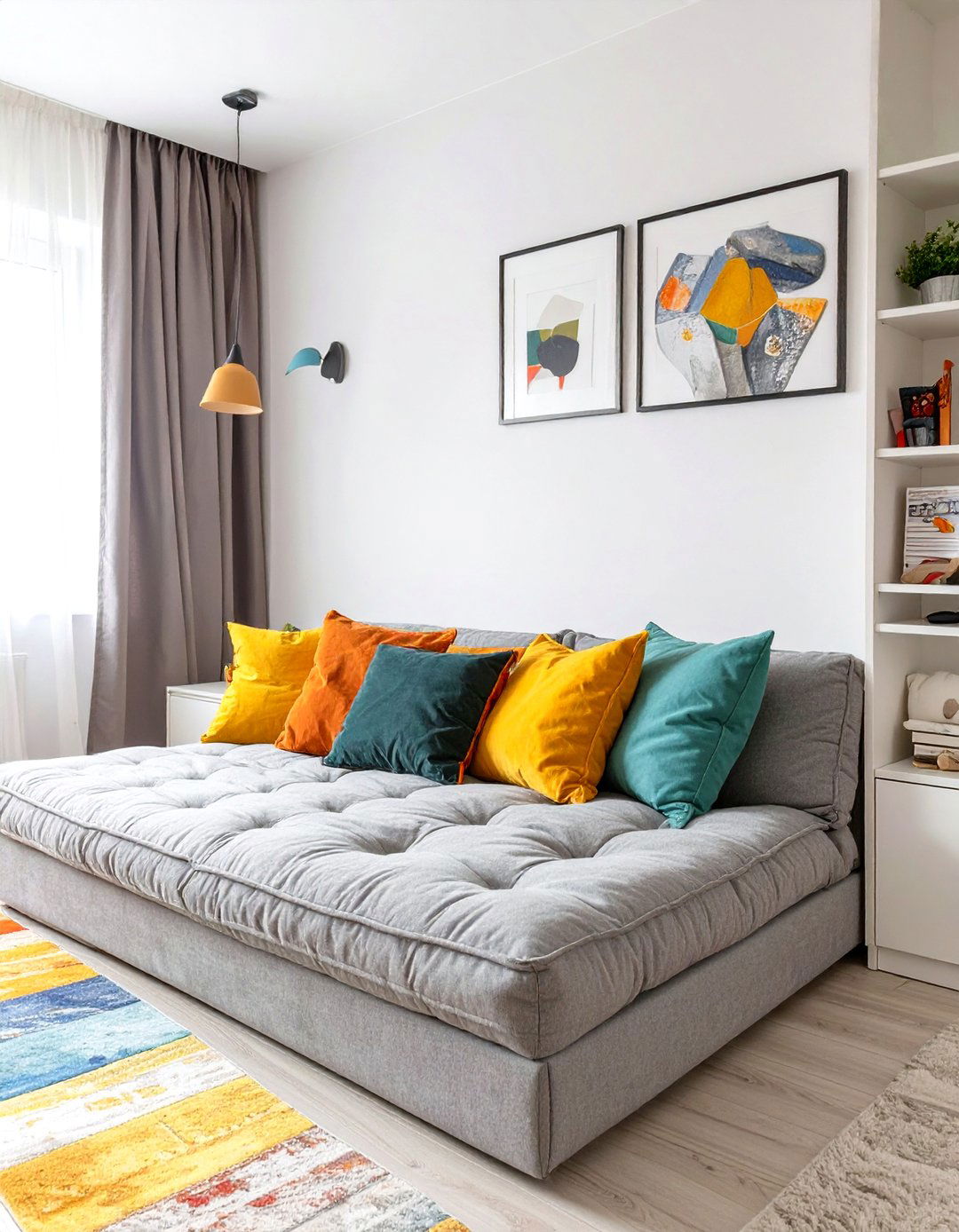
Integrating a futon into a bedroom design offers a versatile solution for maximizing square footage while maintaining a polished aesthetic. Often misconstrued as purely dorm-room furniture, modern futons serve as high-utility centerpieces that bridge the gap between dedicated sleeping areas and multi-purpose living spaces. Whether you are outfitting a studio apartment, a home office, or a guest suite, these design strategies optimize comfort and spatial flow.
The fundamental appeal of a futon bedroom lies in its transformational capability. By utilizing furniture that functions as both a seating area during the day and a bed at night, you effectively reclaim floor space that would otherwise be permanently occupied by a bulky bed frame. Achieving a cohesive look requires careful attention to frame quality, mattress firmness, and textile selection to ensure the bedroom feels curated rather than temporary.
1. The Minimalist Studio Layout
In a studio apartment, the bed is the most prominent visual element. Using a sleek, low-profile futon allows you to maintain a clean, airy feel that prevents the room from appearing cluttered. Opt for a frame made of solid wood or powder-coated metal with clean lines. Keep the color palette neutral—whites, grays, or natural wood tones—to ensure the room feels like an intentional living area rather than a place where someone just happens to be sleeping.
2. Incorporating the Home Office Dual-Use Room
For those who need a home office that doubles as a guest bedroom, a futon is the most logical furniture choice. Position the futon against the wall furthest from your primary workspace to create a sense of separation. When you aren't hosting guests, the futon serves as a reading nook or a spot for midday breaks. Use a folding screen or a well-placed bookshelf to create a visual barrier when the futon is folded down into a bed, providing guests with a modicum of privacy.
3. The Bohemian Textural Approach
If your aesthetic leans toward the eclectic, a futon is an excellent canvas for layered textiles. Unlike traditional bed frames that may demand specific headboards, a futon allows you to lean into the "low-to-the-ground" vibe by adding plush Moroccan-style rugs, floor cushions, and an abundance of throw pillows. During the day, fold the frame up and pile the pillows to create a lounge-like atmosphere that emphasizes comfort and informality.
4. Maximizing Vertical Storage
When space is at a premium, the area surrounding your futon becomes vital. Installing floating shelves above the futon serves the dual purpose of acting as a pseudo-headboard and providing essential storage. Use these shelves for bedside lighting, books, or decorative accents. Because the futon sits lower than a standard mattress, you have more vertical clearance to install shelves at a level that feels accessible while sitting up, maximizing the utility of every square inch.
5. The Industrial Loft Aesthetic
For rooms with exposed brick or concrete floors, a metal-frame futon complements an industrial design perfectly. Look for frames with exposed mechanical parts or matte black finishes. To soften the harshness of the industrial materials, pair the futon with a high-density, tufted mattress in a dark charcoal or navy fabric. This combination balances the raw, structural elements of the room with the necessary softness of a sleeping area.
6. Under-Frame Storage Integration
One common mistake in futon bedrooms is neglecting the potential storage space beneath the frame. Most standard futon frames provide at least 6 to 10 inches of clearance. Utilize this space with low-profile storage bins or rolling drawers. This is an ideal location to store seasonal bedding, extra pillows, or guest towels, keeping your floor clutter-free and ensuring your bed-making process remains quick and efficient.
7. The Scandi-Modern Neutral Palette
Scandinavian design principles emphasize functionality and natural light. A futon in a pale oak finish paired with a light-gray or cream-colored mattress creates a calming, functional bedroom. Avoid excessive decor; instead, focus on one or two high-quality pieces, such as a pendant light or a single large-scale piece of wall art, to act as a focal point. This approach keeps the room feeling spacious and intentional.
8. Creating a Dedicated Guest Nook
If your futon is located in a common area or a multi-use room, transform it into a dedicated "guest zone" with lighting and decor. A pair of wall-mounted swing-arm lamps on either side of the futon mimics the function of traditional bedside table lamps without taking up floor space. Adding a small, wall-mounted drop-leaf table can serve as a nightstand that folds away when the futon is in its upright, seated position.
9. The Gallery Wall Backdrop
Because a futon frame usually lacks a tall headboard, the wall behind it can feel empty. Use this space to create a gallery wall that anchors the futon within the room. Arrange artwork, mirrors, or personal photographs at a height that complements the futon’s frame when it is upright. This draws the eye upward, making the ceilings feel higher and turning the futon into a deliberate design choice rather than a space-saving necessity.
10. Textile Coordination for Sophistication
The biggest factor in elevating a futon’s appearance is the quality of the bedding. A futon often looks like a piece of living room furniture until you dress it. Use a fitted sheet that perfectly matches the mattress size and layer with a high-quality duvet cover and throw blankets. By treating the futon with the same level of textile coordination as a traditional bed, you effectively bridge the gap between furniture functionality and bedroom comfort.
Considerations for Choosing Your Futon Frame and Mattress
When selecting your futon, you must evaluate the mechanism and the padding separately. The frame determines the longevity and ease of conversion, while the mattress dictates the sleeping quality.
| Feature | Low-End Frames | Premium Frames |
|---|---|---|
| Material | Lightweight Pine / Tubular Metal | Hardwood (Oak/Maple) / Heavy Steel |
| Mechanism | Simple Hinges | Ratcheting or Multi-Stage Clicks |
| Stability | May wobble during conversion | Stable, solid-base construction |
| Lifespan | 2–3 years of heavy use | 7–10+ years of heavy use |
Note: Always verify the weight capacity of your frame if you intend for it to be used frequently by multiple guests.
Frequently Asked Questions
How do I make a futon more comfortable for sleeping? Most futon mattresses are thinner than traditional mattresses. Adding a memory foam topper—typically 2 to 3 inches thick—can significantly improve comfort. Ensure the topper can be folded or stored easily when you transition the futon back into a sofa.
Can a futon be used as a primary bed? Yes, provided you invest in a high-density, multi-layer mattress designed for daily sleep. Avoid thin, cotton-only cushions if you intend to use the futon nightly, as they will compress and lose support rapidly.
How do I hide the futon frame's industrial look? Use a "slipcover" or a structured throw blanket designed for futons. These can cover the frame's hinges and sidebars, making the unit look like a conventional sofa when upright.
What is the best way to clean a futon mattress? Check the manufacturer’s tag for specific cleaning instructions. Many modern futon mattresses feature removable, machine-washable covers. If yours is not removable, use a handheld upholstery cleaner and vacuum regularly to prevent dust accumulation in the crevices.
Are there size restrictions for futon bedding? Most standard futons come in "Full" or "Queen" sizes. Verify the exact dimensions of your mattress before purchasing bedding, as "futon-specific" sizes sometimes deviate slightly from standard mattress dimensions.
Next Steps for Your Bedroom Project
Start by measuring your floor space in both the "sofa" and "bed" configurations to ensure you have adequate clearance for movement. Once you have cleared the space, prioritize purchasing a high-quality frame, as this component experiences the most physical wear. Finally, select a mattress with high-density foam or pocketed coils to ensure the longevity of the setup and the comfort of anyone using the space.