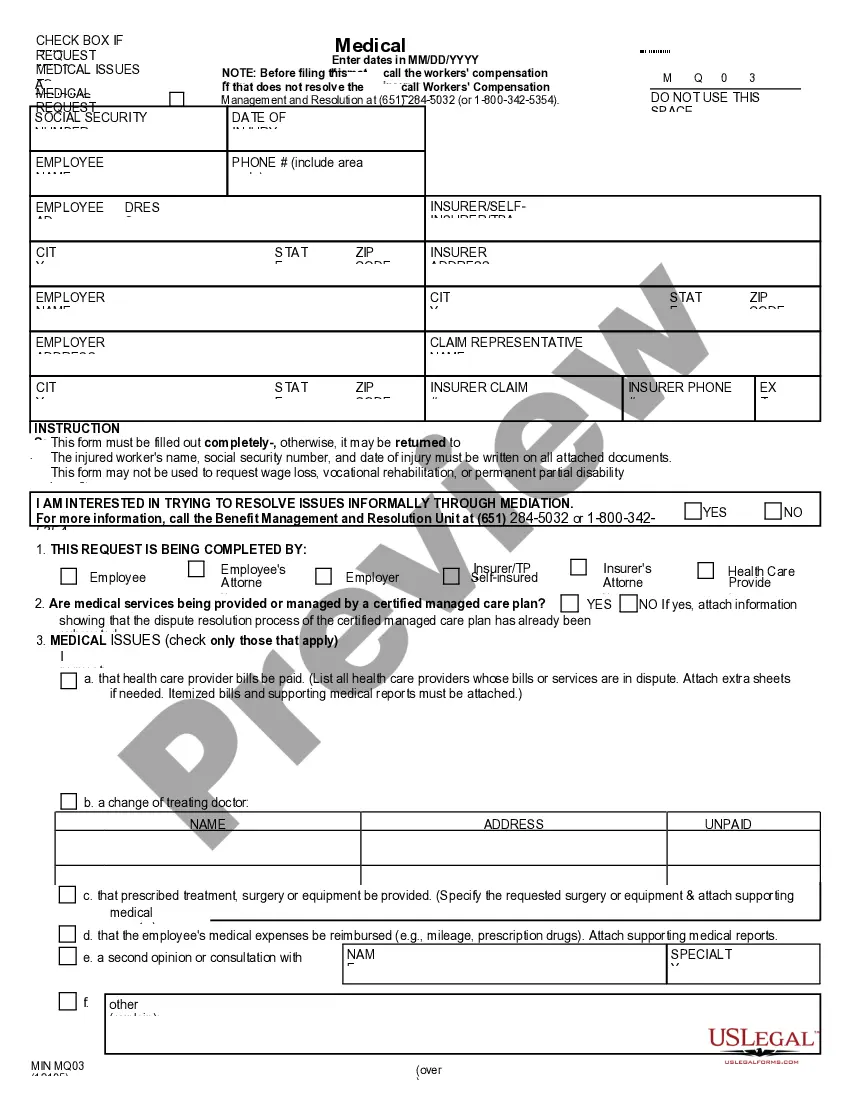
Form 827 is a critical document in workers' compensation systems, particularly in states like Florida, used by authorized treating physicians to report initial treatment, medical history, work status changes, and permanent impairment ratings for injured employees. Providing this documentation in Spanish or understanding Spanish-language resources associated with workers' compensation procedures ensures that Spanish-speaking workers, employers, and medical providers can accurately navigate claims, communicate medical restrictions, and maintain compliance with state regulations without language barriers impeding medical care or benefits administration.
Understanding Workers' Compensation Form 827 and Its Purpose
Workers' compensation systems exist to provide medical treatment, wage replacement, and rehabilitation benefits to employees who suffer occupational injuries or illnesses. Within this framework, administrative forms serve as the official record of a worker's medical condition and recovery trajectory. Form 827 specifically acts as the doctor's initial report of injury or illness, establishing the vital causal link between a workplace incident and the resulting medical condition.
When an employee sustains an injury on the job, state laws typically require them to seek medical attention from an authorized healthcare provider. This provider must document the clinical findings, outline a treatment plan, and determine whether the worker can return to employment immediately or requires restrictions. Form 827 captures these initial assessments. In jurisdictions where this form is mandated, such as Florida under the purview of the Department of Financial Services (DFS) Division of Workers' Compensation, it functions as more than just a medical note; it is a legally binding administrative document that triggers the delivery of benefits, establishes the date of maximum medical improvement (MMI) when applicable, and records any permanent impairment ratings.
The inclusion of Spanish-language support, translations, or bilingual guidance for Form 827 addresses a significant demographic reality in modern labor markets. Many injured workers primary language is Spanish. When administrative forms, notices, and physician communications lack accessibility in Spanish, misunderstandings arise regarding medical appointments, work restrictions, and benefit adjustments. While the official legal form filed with state agencies often remains in standardized English to maintain administrative consistency, understanding Form 827 through a Spanish overview helps injured employees comprehend their rights, verify physician entries, and ensure that their medical status is accurately reported to insurance carriers and employers.
Key Components and Sections of Form 827
Form 827 is structured to capture comprehensive medical and employment data across multiple distinct sections. Navigating this document requires an understanding of how each section contributes to the overall workers' compensation claim lifecycle.
The primary sections of the form generally include patient identification, employer details, clinical history, diagnosis, treatment plan, work status declarations, and impairment ratings. Below is a detailed breakdown of what each section entails and how it impacts the claim:
- Employee and Employer Information: Captures the full legal name of the worker, contact information, social security number or identifier, employer business name, and the specific insurance carrier handling the claim. Accuracy here ensures that the medical report matches the correct administrative file.
- History of Injury and Symptoms: Documents the date, time, and mechanism of the workplace accident as described by the patient, alongside a detailed record of current symptoms and complaints.
- Causation Assessment: Requires the treating physician to state professional medical opinion on whether the diagnosed condition is directly related to the reported workplace incident or employment duties.
- Diagnosis and ICD Codes: Details the specific medical conditions using standardized International Classification of Diseases (ICD) codes, ensuring precise clinical categorization.
- Treatment Plan: Outlines recommended therapies, diagnostic tests, surgical interventions, medications, and specialist referrals necessary for recovery.
- Work Status Determination: Categorizes the worker's current capacity, indicating whether they are fully disabled, able to work with specific restrictions, or released to full-duty work.
- Maximum Medical Improvement (MMI) and Impairment: Utilized later in the claim lifecycle to record the date MMI is reached and assign a permanent impairment percentage if lasting functional deficits remain.
Breakdown of Form 827 Sections
| Section Name | Primary Objective | Responsible Party | Impact on Claim |
|---|---|---|---|
| Patient & Employer Identification | Verify claim matching and routing | Provider / Staff | Prevents misfiling and delays in benefit processing. |
| History & Accident Description | Establish timeline and mechanism of injury | Treating Physician | Determines initial compensability and validity. |
| Diagnosis & ICD Coding | Provide clinical nomenclature of injury | Treating Physician | Defines approved medical conditions for treatment coverage. |
| Work Status & Restrictions | Dictate ability to work or need for indemnity | Treating Physician | Governs eligibility for temporary disability wage benefits. |
| MMI & Impairment Rating | Conclude active treatment and assess permanence | Authorized Provider | Triggers permanent disability calculations and claim closure. |
The Role of Spanish-Language Resources in Workers' Compensation
Language barriers in workers' compensation can lead to delayed medical treatment, improperly documented injuries, and contested claims. Because Form 827 dictates work restrictions—such as lifting limits, sitting or standing tolerances, and total work incapacity—an injured worker must fully understand what the physician has recorded. If a doctor prescribes restricted duty, but the worker cannot read the English documentation provided by the clinic, misunderstandings with the employer regarding job duties can jeopardize employment or benefit status.
State agencies and insurance providers increasingly provide informational brochures, translated rights notices, and bilingual assistance to bridge this gap. While the statutory Form 827 submitted to state databases is typically completed in English by the licensed medical provider, patients have the right to request verbal interpretation services during medical examinations and translated explanatory guides that outline what the physician's report contains.
Furthermore, authorized treating physicians who operate in heavily Spanish-speaking regions often employ bilingual medical staff to ensure that the history of the injury reported in Section 2 of Form 827 accurately reflects the worker's statements. Inaccurate historical accounts due to translation errors can lead insurance adjusters to question the credibility of the claim or deny coverage based on perceived inconsistencies.
Step-by-Step Overview of Filing and Processing Form 827
The lifecycle of Form 827 follows a strict procedural sequence involving the injured worker, the medical provider, the employer, and the insurance carrier. Understanding this workflow helps stakeholders anticipate requirements and prevent administrative bottlenecks.
- Reporting the Injury: The worker reports the accident to the employer immediately. The employer provides information regarding authorized medical providers within the state-approved network.
- Initial Medical Evaluation: The injured worker attends an appointment with an authorized treating physician. During the exam, the physician evaluates the injury and completes Form 827.
- Completion and Signing: The physician fills out all clinical sections, establishes work status, and signs the document. The worker should review the work status section to ensure it matches their physical reality.
- Submission to the Carrier: The medical provider's office transmits Form 827 to the workers' compensation insurance carrier and the relevant state agency within mandated statutory deadlines (often within days of the initial visit).
- Benefit Activation or Adjustment: Based on the work status indicated on Form 827 (e.g., restricted duty or total disability), the insurance carrier calculates and distributes appropriate wage-loss benefits, or the employer accommodates restrictions.
- Follow-Up Reporting: Subsequent submissions of Form 827 occur during follow-up visits to update work status, report progress, or declare Maximum Medical Improvement (MMI).
Common Challenges and Troubleshooting
Navigating workers' compensation documentation frequently presents challenges, particularly when coordinating between medical providers, insurance adjusters, and injured employees. Recognizing common pitfalls allows stakeholders to resolve issues before they result in delayed care or disputed claims.
- Discrepancies in Work Restrictions: A common issue arises when a worker believes they cannot perform a job, but the physician's entry on Form 827 releases them to light duty. Workers should immediately clarify restrictions with the provider and request a Spanish-language explanation if needed.
- Late Submissions by Providers: State regulations impose strict deadlines for submitting Form 827. If a provider fails to submit the form promptly, benefit payments can stall. Injured workers should confirm with their clinic that paperwork has been dispatched to the carrier.
- Incomplete Form Fields: Unanswered sections regarding the mechanism of injury or ICD coding can trigger rejection by insurance adjusters. Clinics must ensure every mandatory field is populated before filing.
- Denial of Compensability: An insurance carrier may accept the medical report while denying that the injury occurred on the job. In such cases, Form 827 serves as key medical evidence in administrative hearings or mediations.
Frequently Asked Questions
What is the primary purpose of Workers' Compensation Form 827?
Form 827 is an official medical reporting document used by authorized treating physicians to record an injured employee's initial medical evaluation, diagnosis, treatment plan, work status, and eventual maximum medical improvement or permanent impairment ratings.
Must Form 827 be completed in Spanish if the worker does not speak English?
The official regulatory form submitted to state agencies and insurance carriers is typically maintained in English for administrative standardization. However, medical providers are generally required to ensure effective communication, which includes providing qualified medical interpreters and explanatory resources in Spanish during clinical evaluations.
How do work status changes affect benefits on Form 827?
The work status section dictates whether a worker is totally disabled, partially disabled, or released to full duty. Insurance carriers rely directly on these physician designations to calculate temporary total disability (TTD) or temporary partial disability (TPD) wage-replacement benefits.
What should an injured worker do if information on Form 827 is incorrect?
If an injured worker notices an error regarding the accident description, medical history, or work restrictions, they should immediately contact the treating physician's office to request an amended report and notify their employer or attorney.
Where can official guidelines and forms be verified?
Official guidance, statutory requirements, and administrative rules regarding workers' compensation reporting forms are maintained by state-specific regulatory bodies, such as the state department of labor or division of workers' compensation.