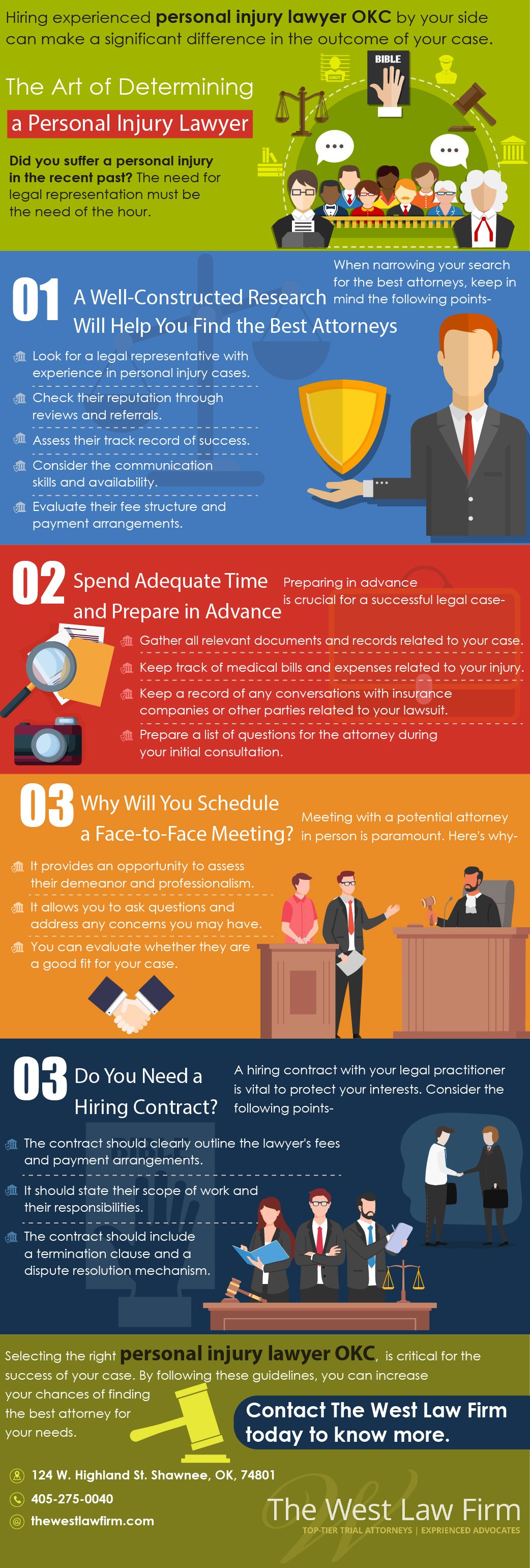
Finding the "best" personal injury lawyer in Philadelphia is not about identifying a single, universally superior attorney, but rather matching a specific legal professional’s expertise, trial history, and communication style to the unique needs of your claim. Success in personal injury law depends on an attorney’s ability to navigate Pennsylvania’s comparative negligence statutes, evidentiary rules, and local jurisdictional nuances.
Understanding the Legal Landscape in Philadelphia
Personal injury law is a broad practice area that encompasses motor vehicle accidents, slip-and-fall incidents, medical malpractice, and workplace injuries. In Philadelphia, the legal environment is shaped by both state statutes and local court rules administered through the Court of Common Pleas of Philadelphia County.
When evaluating attorneys, it is critical to understand that "best" is a subjective term often conflated with marketing reach. The legal profession prohibits attorneys from making false or misleading claims about their success rates in advertising. Therefore, a firm with the most prominent television commercials or digital advertisements is not necessarily the most effective litigator for your specific case.
Effective representation requires an attorney who understands the Philadelphia Court of Common Pleas procedural environment. This includes knowing the specific judges, local rules regarding discovery, and the nuances of Philadelphia jury pools. A lawyer from outside the city—or even outside the county—may struggle to navigate these hyper-local dynamics as effectively as an established local practitioner.
Criteria for Evaluating Legal Representation
To determine which lawyer is best for your situation, you must look past general reputation and examine evidence-based metrics of performance. The following factors should serve as your primary vetting framework.
1. Trial Experience vs. Settlement History
Many firms pride themselves on high-volume settlements. While a settlement is often the desired outcome, you need a lawyer who is prepared to go to trial if the insurance company offers an inadequate sum. Ask potential attorneys what percentage of their cases go to trial. An attorney who rarely enters the courtroom may be incentivized to settle quickly, even if it is not in your best financial interest.
2. Practice Area Specialization
Personal injury is not a monolith. A lawyer who excels at navigating complex medical malpractice litigation involving catastrophic injury may not be the most efficient choice for a straightforward "fender bender" or a slip-and-fall claim. Ensure the firm has a proven track record in the specific type of accident or injury you have suffered.
3. Fee Structures and Contingency Agreements
Almost all personal injury attorneys in Philadelphia operate on a contingency fee basis. This means they only receive payment if they secure a settlement or a verdict on your behalf. However, the percentages can vary, as can the way costs (such as expert witness fees, filing fees, and administrative expenses) are handled. Always read the retainer agreement carefully to ensure you understand whether costs are deducted before or after the attorney’s fee is calculated.
4. Communication and Accessibility
A brilliant legal mind is of little use if you cannot reach them to discuss your case. During your initial consultation, observe how the firm treats you. Are you speaking with the attorney who will handle your case, or a paralegal/intake specialist? Will you have a direct point of contact throughout the litigation process?
Comparison of Legal Firm Types
The following table summarizes the different types of legal entities you will encounter when searching for representation in Philadelphia.
| Firm Type | Typical Scale | Best For | Potential Drawbacks |
|---|---|---|---|
| Boutique Personal Injury | Small to Mid-sized | Complex, high-value injury claims requiring focus | May lack resources for massive litigation |
| Large National Firm | Large/Multi-state | Cases requiring massive financial reserves | Can be impersonal; "churn and burn" culture |
| Local General Practice | Small/Solo | Simple, low-stakes negotiations | Lack of specialized injury resources |
| Trial-Focused Firms | Mid-sized | Catastrophic injury/Wrongful death cases | Likely to be highly selective with cases |
The Role of Evidence in Selecting Counsel
When researching, prioritize verifiable data over testimonials on a law firm’s own website. You can verify an attorney’s status and disciplinary history through the Disciplinary Board of the Supreme Court of Pennsylvania. This is a mandatory step. If an attorney has faced professional misconduct charges or suspension, this will be reflected in the public record.
Furthermore, review the Pennsylvania Bar Association resources and the Philadelphia Bar Association Lawyer Referral and Information Service. These organizations can help you verify that an attorney is in good standing and licensed to practice within the Commonwealth.
Common Mistakes When Choosing a Lawyer
- Prioritizing Advertising over Experience: Do not equate a large marketing budget with legal skill. Some of the most effective trial lawyers rely entirely on professional referrals rather than billboards.
- Ignoring Conflicts of Interest: If you are suing a major entity, ensure your lawyer has no prior or current conflicts that would prevent them from aggressively pursuing your claim.
- Failing to Verify Costs: Understand clearly how "costs" are defined. Some firms charge for minor administrative tasks, which can balloon into significant expenses, regardless of the outcome of the case.
- Accepting the First Offer: If you are unhappy with the attorney after the initial consultation, continue your search. Your relationship with your legal counsel will last for months or even years.
Managing the Litigation Process
Once you have selected counsel, your primary role is to be an organized and honest client. The "best" lawyer in Philadelphia cannot win a case if they are provided with inaccurate or incomplete information.
- Maintain a Paper Trail: Keep copies of all medical records, police reports, and correspondence with insurance adjusters.
- Follow Medical Advice: Any lapse in medical treatment can be used by the defense to argue that your injuries were not as severe as claimed.
- Avoid Social Media: Do not discuss your accident or your health status on any public platform. Defense teams frequently use social media posts to undermine personal injury claims.
- Patience: The legal process is intentionally methodical. Expect motions, discovery periods, and court scheduling to make the process take longer than initial projections.
Frequently Asked Questions
How do I know if I have a valid personal injury claim?
A valid claim requires evidence of a legal duty, a breach of that duty, causation, and damages. You must demonstrate that the other party’s negligence directly resulted in your physical or financial harm. A consultation with a qualified attorney is the only way to perform a definitive analysis of your case's viability.
Are there limits on how much I can recover?
Pennsylvania does not have a general cap on compensatory damages in personal injury cases. However, there are exceptions, such as in cases involving government entities or specific types of medical malpractice, where statutory caps on non-economic damages may apply.
What is the statute of limitations for personal injury in Philadelphia?
In Pennsylvania, the statute of limitations for most personal injury claims is two years from the date of the injury. If you fail to file your lawsuit within this window, you will almost certainly be barred from recovering any damages, regardless of the strength of your evidence.
Does it matter if I was partially at fault for the accident?
Pennsylvania follows a "modified comparative negligence" rule. You can recover damages as long as you are 50% or less at fault for the incident. If you are found to be 51% or more at fault, you are barred from recovery. If you are found to be partially at fault (but less than 50%), your award will be reduced by your percentage of fault.
Can I change my lawyer if I am unhappy with their performance?
Yes, you have the right to change your attorney at any time. However, be aware that your former attorney may have a "lien" on your case for the value of the work performed up until the time of their departure. This can complicate your case and should be managed with the help of your new counsel.
Recommendation for Next Steps
If you are currently seeking a personal injury lawyer in Philadelphia, begin by documenting every detail of your accident and injury. Consult with at least three different firms to compare their assessment of your case, their suggested strategy, and their communication style. Always check their standing with the Disciplinary Board of the Supreme Court of Pennsylvania before signing any retainer agreement. Focus your selection on attorneys who emphasize their trial experience and who have a clear, transparent process for handling litigation costs.