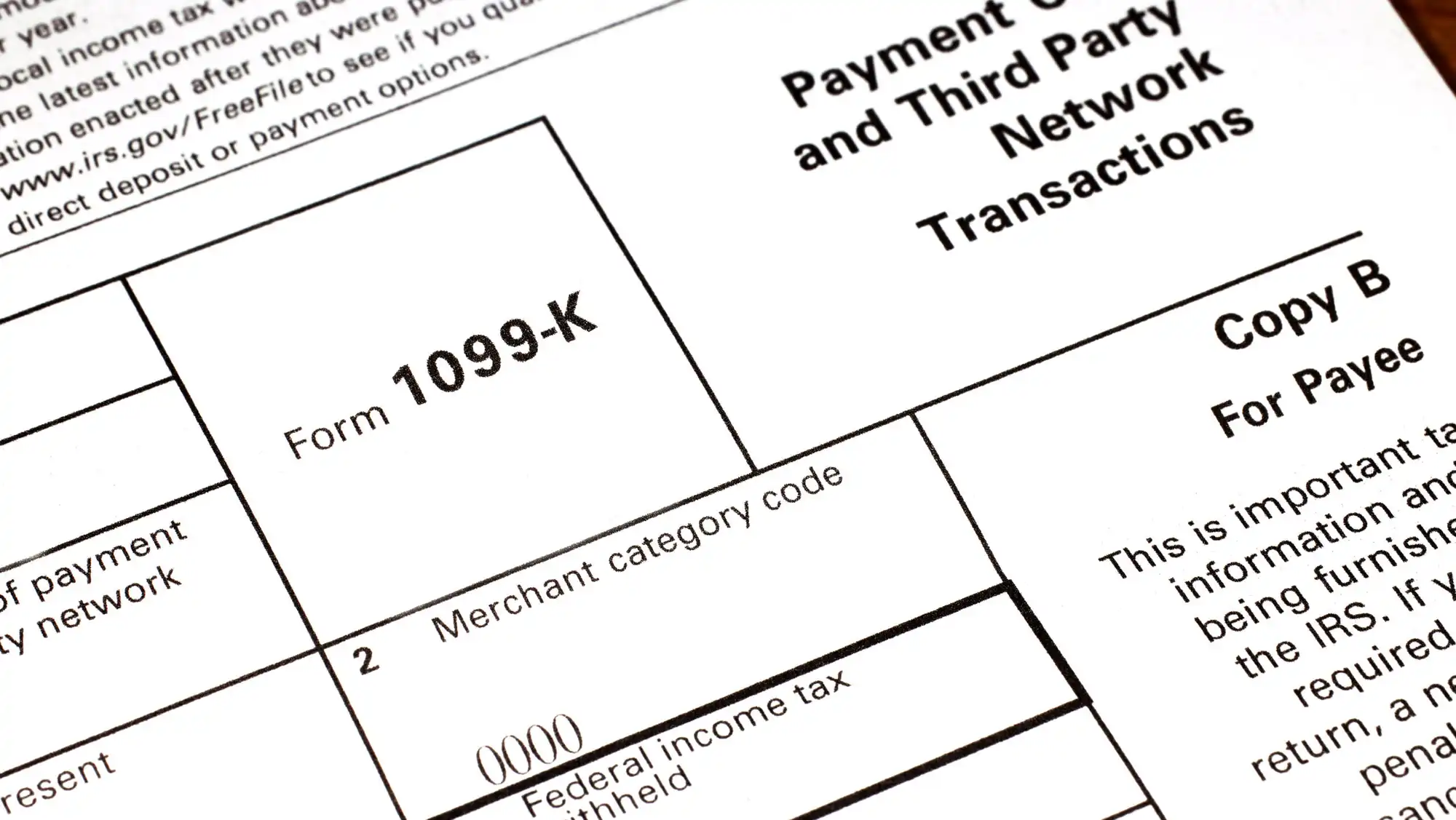
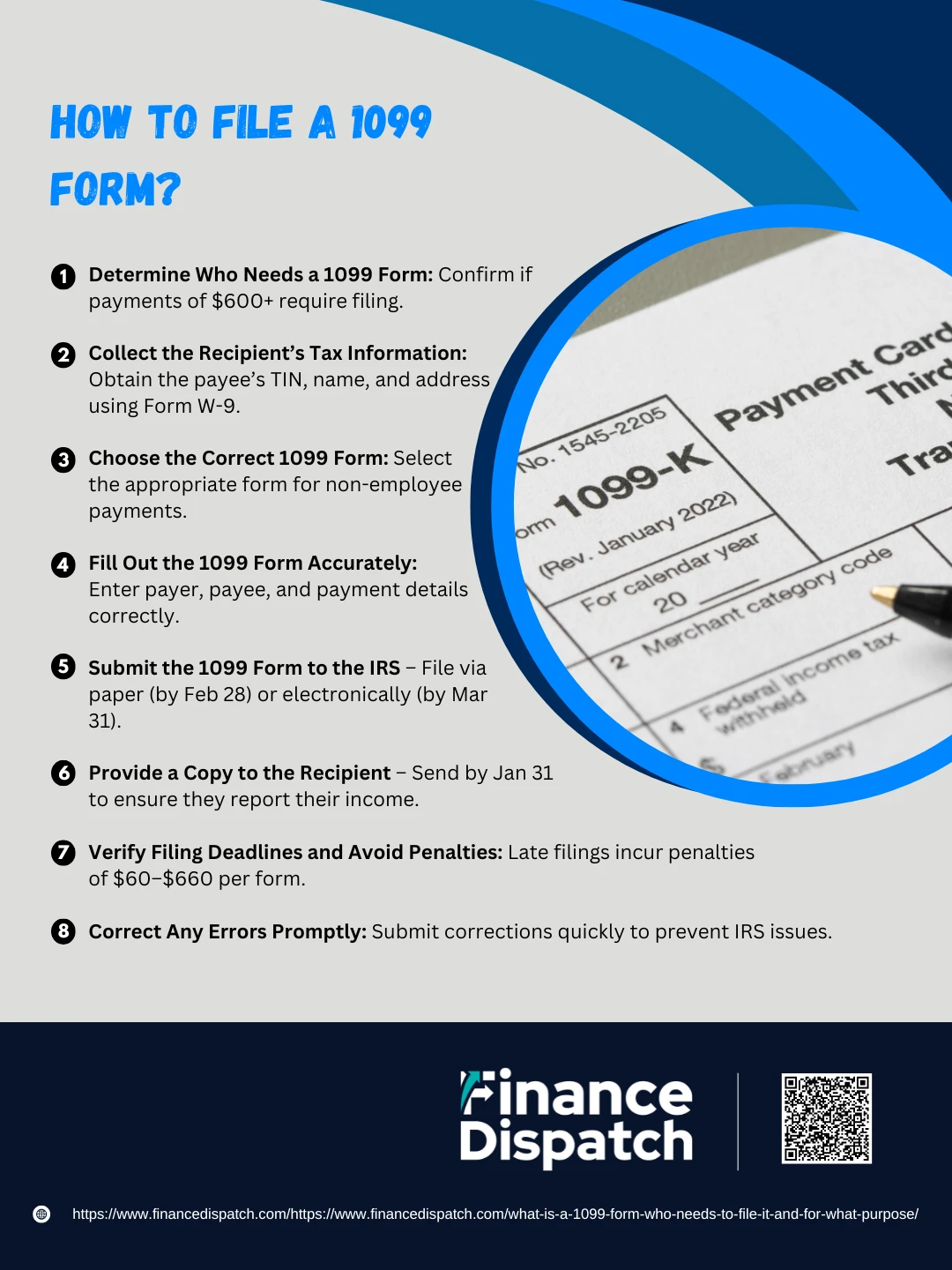
For the 2025 tax year, life insurance companies are required to mail your Form 1099-R or 1099-INT by January 31, 2026. Because January 31, 2026, falls on a Saturday, the IRS deadline for insurers to postmark these forms officially moves to the next business day, Monday, February 2, 2026. You should typically receive your physical copy by mid-February, though many carriers provide digital versions through online portals by late January.
Understanding the Standard Delivery Timeline for Tax Forms
The timeline for receiving tax documentation is governed strictly by the Internal Revenue Service (IRS). Insurance carriers are institutional "payors," and they must report any distributions that meet specific taxable thresholds. Whether you are dealing with a cash value withdrawal, a policy surrender, or interest earned on a death benefit, the reporting process follows a predictable seasonal cycle.
By January 31, 2026, most major life insurance companies—such as Prudential, MetLife, Northwestern Mutual, and New York Life—will have processed their internal records for the preceding calendar year. If you opted for electronic delivery, you will likely receive an email notification during the final two weeks of January. For those relying on the United States Postal Service, the "postmarked by" date is the critical metric. This means the form leaves the carrier’s facility by early February, and depending on your location and mail speed, it should arrive in your mailbox within five to ten business days.
It is important to distinguish between the date the insurer generates the form and the date you receive it. Large carriers often process forms in batches. If you held multiple policies or had different types of transactions (e.g., a policy loan that became taxable and a separate dividend payment), you might receive multiple 1099 forms at slightly different times.
Why You Might Receive a 1099 Form for Life Insurance
A common misconception is that all life insurance proceeds are tax-free. While the core death benefit of a life insurance policy is generally exempt from federal income tax under Internal Revenue Code Section 101(a), there are several scenarios where a policyholder or beneficiary will trigger a taxable event, necessitating the issuance of a 1099 form.
Cash Value Surrenders and Withdrawals
When you surrender a whole life or universal life policy for its cash value, the IRS treats the portion that exceeds your "cost basis" as taxable income. The cost basis is essentially the total amount of premiums you have paid into the policy, minus any dividends you received in cash or used to reduce premiums. If you withdraw $50,000 from a policy where your cost basis was only $40,000, the insurance company will issue a Form 1099-R for the $10,000 gain.
Policy Loans and Lapses
Policy loans are typically not taxable as long as the policy remains in force. However, if the policy lapses or is surrendered while a loan is outstanding, the amount of the loan that exceeds the cost basis becomes taxable. This is a "phantom income" scenario where you don't receive new cash, but the IRS views the debt forgiveness as a distribution. Carriers must report this on a 1099-R, often using specialized distribution codes to indicate the nature of the event.
Interest on Death Benefits
When a policyholder passes away, the insurer may not pay the death benefit immediately. If there is a delay in filing the claim or if the beneficiary chooses to leave the proceeds in an interest-bearing account with the insurer, any interest earned on that money is taxable. If that interest exceeds $10 for the year, the insurer will issue a Form 1099-INT.
The Distinction Between Form 1099-R and Form 1099-INT
In the context of life insurance, you are most likely to encounter two specific versions of the 1099. Understanding the difference is crucial for accurate filing in 2026.
| Feature | Form 1099-R | Form 1099-INT |
|---|---|---|
| Primary Use | Distributions from pensions, annuities, and insurance contracts. | Reporting interest income of $10 or more. |
| Common Trigger | Surrendering a policy, MEC distributions, or taxable withdrawals. | Interest earned on death benefit proceeds held by the carrier. |
| Tax Treatment | Generally taxed as ordinary income for the portion exceeding basis. | Taxed as interest income at ordinary rates. |
| Box 7 Codes | Uses alpha-numeric codes to define the type of distribution (e.g., Code 7, Code L). | Not applicable; focuses on interest amounts in Box 1. |
| Deadline | January 31 (Mailed/Available). | January 31 (Mailed/Available). |
Modified Endowment Contracts (MECs) and Accelerated Reporting
A Modified Endowment Contract (MEC) is a life insurance policy that has failed the "7-pay test" established by the Technical and Miscellaneous Revenue Act of 1988 (TAMRA). If your policy is classified as a MEC, the tax rules change significantly. Distributions from a MEC are treated on a "Last-In, First-Out" (LIFO) basis, meaning the gains are taxed before the non-taxable cost basis.
Furthermore, if you take a withdrawal from a MEC before the age of 59½, you may be subject to a 10% federal tax penalty. In these cases, the 1099-R you receive in early 2026 will reflect the taxable amount in Box 2a and will often include a distribution code in Box 7 that alerts the IRS to the potential penalty. If you own a MEC, you are almost certain to receive a 1099-R if any money was moved out of the policy during 2025.
How to Calculate Your Cost Basis Before the Form Arrives
If you are planning your 2026 tax strategy before the forms arrive, you can estimate your taxable gain by calculating your investment in the contract. The formula is generally:
- Total Premiums Paid: Sum all out-of-pocket premium payments made since the policy's inception.
- Subtract Dividends: Deduct any dividends that were paid to you in cash or used to pay off policy loans. (Dividends used to purchase "Paid-Up Additions" generally do not reduce basis in the same way).
- Subtract Prior Tax-Free Withdrawals: If you took money out of the policy previously that was not taxed, subtract that from the total.
The remaining number is your Cost Basis. Any amount received above this number upon surrender or withdrawal is what you should expect to see in Box 2a ("Taxable amount") of your 1099-R.
Troubleshooting: What to Do if You Haven't Received Your Form
If mid-February 2026 arrives and you still do not have your life insurance 1099, follow these steps to resolve the issue:
1. Check the Online Customer Portal
Most modern insurance companies prioritize digital delivery. Log in to your account and look for a "Tax Documents" or "Forms" section. In many cases, the document has been available since mid-January, even if the paper copy was lost in the mail.
2. Verify the Mailing Address
If you moved during 2025, the 1099 may have been sent to your previous residence. While the USPS often forwards tax documents, they are sometimes returned to the sender if they are marked "Return Service Requested." Contact the carrier’s customer service department to update your address and request a duplicate.
3. Review the Thresholds
You will only receive a 1099-INT if the interest earned was $10 or more. Similarly, if you withdrew money from a policy but the amount was entirely within your cost basis (and the policy is not a MEC), the insurer is not required to issue a 1099-R because there was no taxable gain.
4. Contact the Carrier’s Tax Department
If you know a taxable event occurred, call the insurer. Ask for the "Tax Reporting Department." They can confirm if a form was generated and provide the specific figures over the phone, though they will usually require a formal request to re-send the physical or digital document.
5 Common Mistakes When Handling Life Insurance 1099s
- Ignoring Form 1099-INT: Beneficiaries often expect the death benefit to be tax-free and disregard any 1099-INT forms they receive. Even if the $1,000,000 benefit is tax-free, the $200 in interest the company paid while processing the claim is taxable.
- Failing to Report Policy Loan Lapses: If your policy "ate itself" because the loan interest exceeded the cash value, you will receive a 1099-R for the forgiven loan amount. This must be reported, even if you didn't receive a check in the mail.
- Mismatched Distribution Codes: Ensure the code in Box 7 of the 1099-R matches your situation. For example, if you performed a tax-free 1035 exchange, you should receive a 1099-R with Code 6. If it shows a different code, you might be taxed on a transaction that should have been tax-free.
- Double-Counting Basis: Some taxpayers accidentally report the entire gross distribution as income. Only the amount in Box 2a (Taxable amount) should be added to your income, not the Gross Distribution in Box 1.
- Forgetting State Taxes: Depending on your jurisdiction, the amount on your federal 1099 may also be subject to state income tax. Always check your state's specific filing requirements regarding insurance distributions.
Frequently Asked Questions
Do I get a 1099 for a life insurance death benefit?
In most cases, no. The death benefit itself is not taxable income to the beneficiary. However, you will receive a Form 1099-INT if the insurance company pays you interest on that death benefit (for example, if they held the funds for a period before payout). You would only receive a 1099-R if the policy was part of a structured settlement or an annuity that had different tax characteristics.
Why did I get a 1099-R when I didn't cancel my policy?
This typically happens if you took a withdrawal that exceeded your cost basis or if you have a Modified Endowment Contract (MEC) and took a loan or withdrawal. It can also occur if your policy dividends were higher than the total premiums you’ve paid into the policy, though this is rare and usually only happens with very old, high-performing whole life policies.
Is the January 31 deadline for the date I receive it or the date they send it?
The IRS deadline is for the postmark or electronic availability. The insurance company must send the form or make it available to you by January 31 (or the next business day if it's a weekend). It is not a "delivery" deadline, so you should expect a few days of mail transit time.
What if my 1099-R is incorrect?
If you believe the taxable amount in Box 2a is wrong, do not simply change it on your tax return. Contact the insurance company immediately to request a Form 1099-R Corrected. If you file with different numbers than what the insurer reported to the IRS, it will likely trigger an automated notice (CP2000) from the IRS.
Can I get my life insurance 1099 electronically?
Yes, most major carriers in 2026 offer an "e-delivery" option. You usually have to opt-in through your policy’s online portal. Once you opt-in, the company will notify you via email when the form is ready to download, which is often faster than waiting for a paper copy.
Do 1035 exchanges trigger a 1099?
Yes, a 1035 exchange will result in the issuance of a Form 1099-R, but it should show the distribution as non-taxable. The form will typically have Code 6 in Box 7, which tells the IRS that the funds were moved directly from one insurance contract to another in a tax-free manner under Section 1035 of the tax code.
Practical Recommendation for 2026 Tax Filing
As you prepare for the 2026 tax season, the most effective strategy is to proactively check your insurance carrier's online portal during the last week of January. Digital copies of 1099-R and 1099-INT forms are typically available 7-10 days before their paper counterparts arrive. If you had any significant policy activity in 2025—such as a surrender, a large withdrawal, or a policy lapse—save your final 2025 policy statement. This statement will help you or your tax professional verify the "Investment in the Contract" and ensure the carrier has correctly calculated your taxable gain. If a form does not arrive by February 15, contact the carrier's customer service line immediately to prevent delays in filing your return.