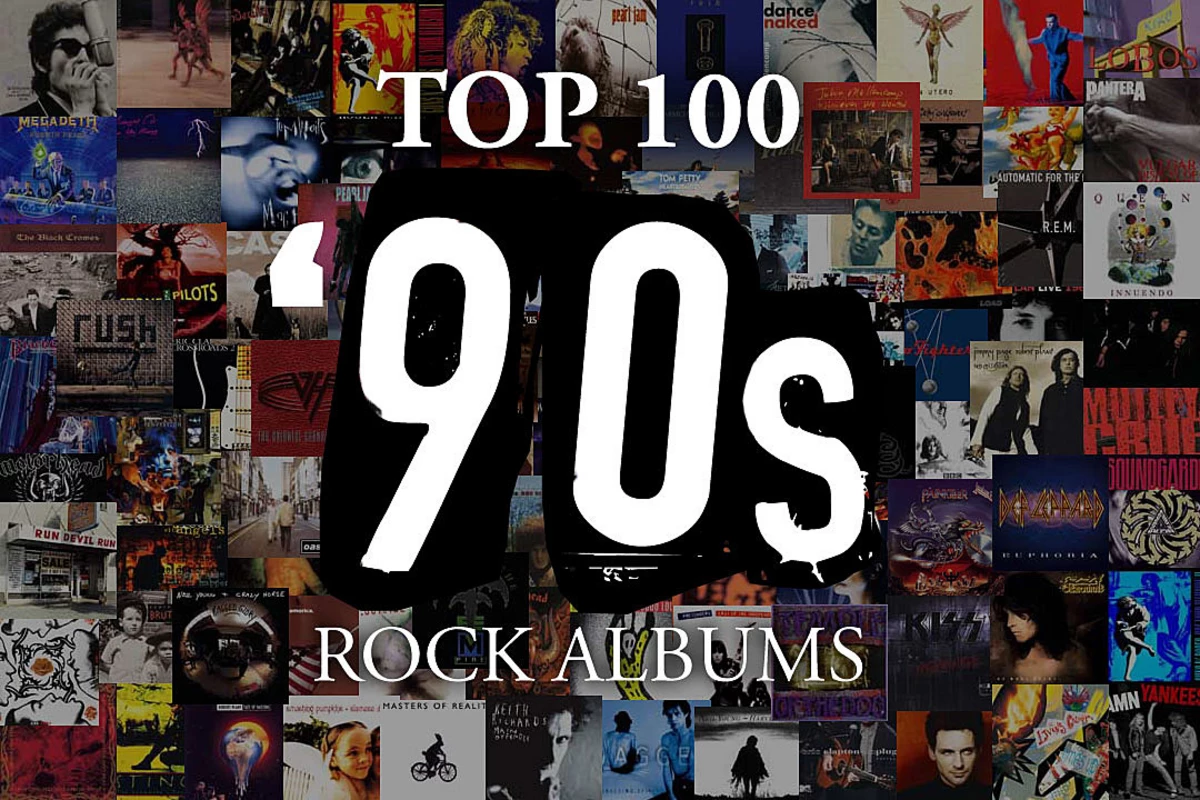
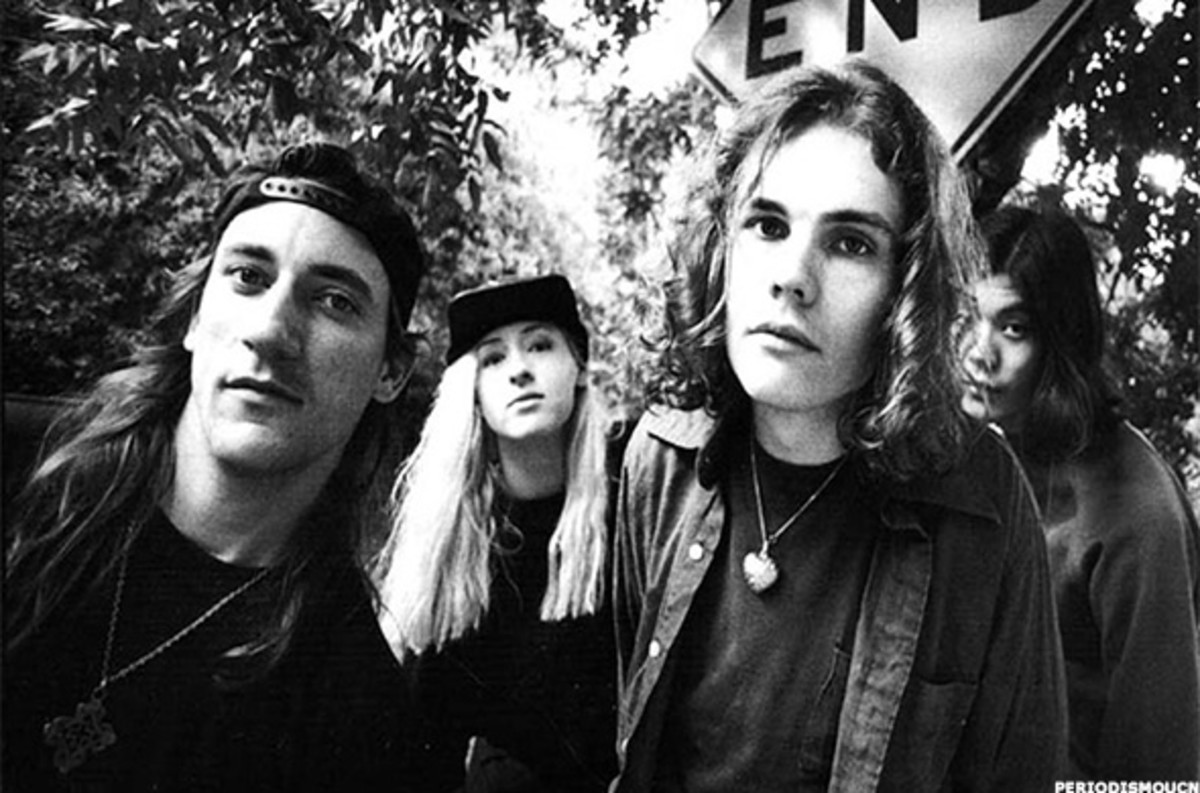
The music of the 90s bands represents a pivotal era of sonic experimentation, moving from the raw intensity of grunge and the cultural dominance of Britpop to the polished perfection of late-decade teen pop. This period redefined the global music industry, replacing the excess of 80s hair metal with authentic, often angst-driven narratives and innovative cross-genre fusions.
The Grunge Revolution: How Seattle Reshaped Global Rock
The early 1990s witnessed one of the most significant shifts in music history: the "Seattle Sound," commonly known as grunge. This movement was characterized by distorted guitars, introspective (and often dark) lyrics, and a rejection of the high-gloss production values that defined the 1980s. At the forefront of this revolution was Nirvana, whose 1991 album Nevermind effectively ended the reign of "hair metal" on the charts.
Nirvana, led by Kurt Cobain, brought a punk-influenced ethos to the mainstream. Their success opened the floodgates for other Seattle-based bands like Pearl Jam, Soundgarden, and Alice in Chains. Pearl Jam’s Ten became a cornerstone of the decade, blending classic rock sensibilities with modern angst. Meanwhile, Soundgarden combined heavy metal textures with complex time signatures, as heard on their 1994 masterpiece Superunknown. Alice in Chains added a darker, more dissonant layer to the genre, focusing on themes of addiction and isolation that resonated deeply with Generation X.
The technical core of grunge relied heavily on the "loud-quiet-loud" dynamic, a structure popularized by the Pixies but perfected by 90s bands. Musicians utilized specific gear to achieve their signature sound, such as the Electro-Harmonix Big Muff fuzz pedal and the ProCo Rat distortion. These tools allowed bands to transition from melodic, clean verses to explosive, high-gain choruses, creating a visceral emotional experience for the listener.
Britpop and the Battle for Cultural Identity
While the United States was immersed in the "slacker" culture of grunge, the United Kingdom was undergoing a massive cultural revival known as Britpop. This movement was a deliberate reaction against the perceived gloominess of American rock, aiming to celebrate British life through catchy melodies, mod-inspired fashion, and a focus on regional identity.
The mid-90s were dominated by the "Battle of Britpop," a highly publicized rivalry between Oasis and Blur. This culminated in August 1995, when both bands released singles—Blur’s "Country House" and Oasis’s "Roll With It"—on the same day. While Blur won the initial chart battle, Oasis achieved massive global commercial success with their album (What's the Story) Morning Glory?, which remains one of the best-selling albums in UK history.
Other key players in the Britpop movement included Pulp, led by the charismatic Jarvis Cocker, who provided a witty, class-conscious perspective on British life, and Suede, who brought a more glamorous, androgynous edge to the scene. Britpop wasn't just about the music; it was a central component of "Cool Britannia," a period of increased pride in the UK's cultural contributions during the mid-to-late 90s.
The Rise of Alternative and Indie Rock Diversity
Beyond grunge and Britpop, 90s bands expanded the definition of "alternative." This was a decade where bands that previously existed on the fringes of college radio suddenly became stadium-filling acts. R.E.M. transitioned from indie darlings to the "biggest band in the world" with albums like Out of Time (1991) and Automatic for the People (1992), blending mandolins and acoustic textures with Michael Stipe's cryptic lyrics.
The Smashing Pumpkins, led by Billy Corgan, pushed the boundaries of alternative rock by incorporating elements of shoegaze, heavy metal, and dream pop. Their double album Mellon Collie and the Infinite Sadness (1995) showcased a level of ambition rarely seen in the genre, featuring orchestral arrangements alongside blistering guitar riffs.
In the mid-90s, a more melodic, energetic subgenre emerged: pop-punk. Bands like Green Day and The Offspring brought the speed of punk rock to the mainstream with infectious hooks. Green Day’s Dookie (1994) sold over 10 million copies in the US alone, proving that the rebellious spirit of punk could be commercially viable on a massive scale. Similarly, Weezer introduced a "geek rock" aesthetic, combining heavy power chords with quirky, relatable lyrics that influenced an entire generation of subsequent emo and indie bands.
The Phenomenon of 90s Vocal Groups and Pop Dominance
As the decade progressed, the raw sound of the early 90s gave way to a resurgence of highly produced vocal groups. This era saw the rise of the modern "boy band" and "girl group" templates. The Spice Girls became a global phenomenon in 1996 with their debut single "Wannabe," promoting a message of "Girl Power" that redefined pop marketing. Their success paved the way for other female-led groups and solo artists to dominate the late 90s landscape.
On the male side, groups like the Backstreet Boys and *NSYNC engaged in a friendly but fierce competition for chart supremacy. These groups were known for their tightly choreographed dance routines, multi-part vocal harmonies, and the songwriting prowess of producers like Max Martin. Martin’s "Cheiron Studios" sound—characterized by heavy compression, synthesized basslines, and undeniable pop hooks—became the sonic blueprint for the end of the millennium.
In the realm of R&B, groups like TLC, Destiny’s Child, and En Vogue blended soulful harmonies with hip-hop production. TLC’s CrazySexyCool (1994) was a landmark release, addressing social issues and personal empowerment through a lens of smooth, contemporary R&B. These groups were instrumental in bringing urban sounds to the forefront of the global pop charts.
Comparison of Influential 90s Bands by Genre
The following table highlights key bands that defined their respective genres during the 1990s, along with their most impactful work and primary legacy.
| Band Name | Primary Genre | Landmark 90s Album | Key Achievement/Legacy |
|---|---|---|---|
| Nirvana | Grunge | Nevermind (1991) | Displaced pop/metal; brought alternative to the mainstream. |
| Oasis | Britpop | (What's the Story) Morning Glory? (1995) | Defined the "Cool Britannia" era and stadium rock revival. |
| Radiohead | Experimental Rock | OK Computer (1997) | Forecasted 21st-century anxiety and digital alienation. |
| Wu-Tang Clan | Hip-Hop | Enter the Wu-Tang (36 Chambers) (1993) | Revolutionized group branding and independent business models. |
| Green Day | Pop-Punk | Dookie (1994) | Revitalized punk for a commercial audience. |
| The Smashing Pumpkins | Alternative Rock | Mellon Collie and the Infinite Sadness (1995) | Fused orchestral ambition with alternative guitar work. |
| TLC | R&B | CrazySexyCool (1994) | One of the best-selling female groups of all time. |
| Korn | Nu-Metal | Follow the Leader (1998) | Pioneered the fusion of heavy metal and hip-hop rhythms. |
| No Doubt | Ska-Punk/Pop | Tragic Kingdom (1995) | Successfully merged ska, punk, and new wave for the charts. |
| Backstreet Boys | Pop | Millennium (1999) | Set records for first-week sales and global pop dominance. |
The Golden Era of Hip-Hop Collectives
The 90s are often cited as the "Golden Age" of hip-hop, a time when the genre's bands—or collectives—flourished. Unlike solo artists, these groups functioned as creative hubs, often featuring multiple emcees with distinct styles. The Wu-Tang Clan is perhaps the most prominent example. With nine original members, the group created a dark, gritty soundscape backed by RZA’s innovative sampling techniques, which drew heavily from soul records and martial arts films.
On the West Coast, groups like Cypress Hill blended Latin influences with heavy bass and psychedelic elements. Meanwhile, in the South, OutKast began their journey toward becoming one of the most critically acclaimed duos in history. Their early work, such as ATLiens (1996) and Aquemini (1998), introduced a spacey, soulful sound that challenged the East Coast/West Coast duopoly.
Groups like A Tribe Called Quest and De La Soul offered a more "alternative" hip-hop experience. They utilized jazz samples and focused on socially conscious, often playful lyrics. This "Native Tongues" collective approach prioritized musicality and positivity, providing a counterpoint to the increasingly prevalent gangsta rap narratives of the era.
Nu-Metal and the Harder Edge of the Late 90s
As the decade drew to a close, a new sound emerged that combined the aggression of heavy metal with the rhythmic structures of hip-hop and industrial music: Nu-metal. Bands like Korn and Deftones led the charge, utilizing seven-string guitars tuned to lower registers to create a massive, "bottom-heavy" sound.
Korn’s self-titled debut in 1994 is often credited with birthing the genre, but it was their 1998 release Follow the Leader that propelled Nu-metal into the mainstream. This era also saw the rise of Rage Against the Machine, who used their platform for political activism, blending Tom Morello’s innovative, DJ-like guitar techniques with Zack de la Rocha’s rap-inspired vocals.
Nine Inch Nails, while primarily a vehicle for Trent Reznor, functioned as a powerhouse live band that defined industrial rock in the 90s. The 1994 album The Downward Spiral was a technical marvel, utilizing early digital workstations and hardware samplers to create a dense, abrasive, yet melodic sonic environment.
The Technological Evolution: From Analog to Digital
The 1990s was the final decade where the physical sale of CDs and cassettes was the primary metric of success before the MP3 revolution began in the early 2000s. However, the recording process underwent a massive transformation. In 1990, most bands were still recording to 2-inch analog tape. By 1999, digital audio workstations (DAWs) like Pro Tools were becoming industry standards.
This shift had a profound impact on the "sound" of 90s bands. Early 90s albums often have a warmer, more "room-sound" quality, characteristic of live bands playing together in a studio (e.g., Nirvana’s In Utero). By the late 90s, pop and rock albums became increasingly "grid-based," with drums and vocals perfectly aligned and tuned, a trend that defined the "radio-ready" sound of the era.
The rise of MTV and its subsidiary programs, like 120 Minutes and Headbangers Ball, also played a crucial role in how bands were marketed. A band's visual aesthetic—whether it was the flannel shirts of grunge or the futuristic jumpsuits of Hype Williams-directed R&B videos—became as important as the music itself.
The Legacy of 90s Music Bands in 2026
As of 2026, the influence of 90s bands is more prevalent than ever. We are currently seeing a significant "90s revival" in both fashion and sound. Modern artists frequently sample 90s breaks and melodies, and the "raw" aesthetic of 90s indie rock is a primary influence on the current "bedroom pop" and "post-punk" scenes.
Many iconic 90s bands have reunited for massive world tours in the mid-2020s, driven by a combination of nostalgia and a genuine appreciation for the craftsmanship of the era. For example, the 30th-anniversary celebrations of landmark albums like OK Computer and The Colour and the Shape have introduced these sounds to a new generation of listeners who discover music through algorithmic streaming rather than the radio.
The music of 90s bands remains a testament to a time when the "alternative" became the "mainstream." It was a decade of contradictions—where cynical, underground rock stars became global idols, and where manufactured pop reached its absolute zenith.
Frequently Asked Questions
Which band is considered the most influential of the 1990s? While influence is subjective, Nirvana is most frequently cited as the most influential band of the decade. Their success with Nevermind in 1991 signaled a major cultural shift, ending the dominance of 80s glam metal and bringing "alternative" music into the mainstream. Their impact influenced not only music but also fashion, attitude, and the business structure of the music industry.
What was the "Battle of Britpop"? The Battle of Britpop was a chart rivalry between the bands Oasis and Blur in August 1995. The media framed it as a class struggle between the "working-class" Oasis (from Manchester) and the "middle-class" Blur (from London). Both bands released singles on the same day; Blur's "Country House" outsold Oasis's "Roll With It," but Oasis eventually achieved greater long-term global commercial success.
Why did Grunge decline in popularity toward the end of the 90s? The decline of grunge was caused by several factors, including the death of Nirvana's Kurt Cobain in 1994, the commercial over-saturation of the "Seattle Sound," and a general shift in listener preference toward more upbeat or experimental music. By the late 90s, the raw angst of grunge was largely replaced by the high-energy sounds of pop-punk, Nu-metal, and polished teen pop.
What were the key characteristics of the "Max Martin" sound? Max Martin, a Swedish producer who rose to prominence in the late 90s with bands like the Backstreet Boys and *NSYNC, developed a signature sound characterized by "melodic math." This involved using repetitive, infectious hooks, heavy use of synthesizers, perfectly quantized drums, and layered vocal harmonies. This technical precision made the songs highly effective for radio play.
How did 90s hip-hop groups differ from those in previous decades? 90s hip-hop groups, such as the Wu-Tang Clan and OutKast, moved away from the simpler "DJ and MC" format of the 80s. They introduced complex production techniques, cinematic storytelling, and "collective" business models. The Wu-Tang Clan, for instance, allowed its members to sign solo deals with different labels while remaining a group, a revolutionary move in music contract history.
Practical Recommendation for New Listeners
To truly understand the breadth of 90s music, start by listening to the "Big Four" of Grunge (Nirvana, Pearl Jam, Soundgarden, Alice in Chains) to grasp the early-decade shift. Then, transition to the experimental sounds of Radiohead’s OK Computer and the pop-perfection of the late-90s charts. This chronological approach provides the best context for how the decade's music evolved from raw rebellion to technical sophistication.