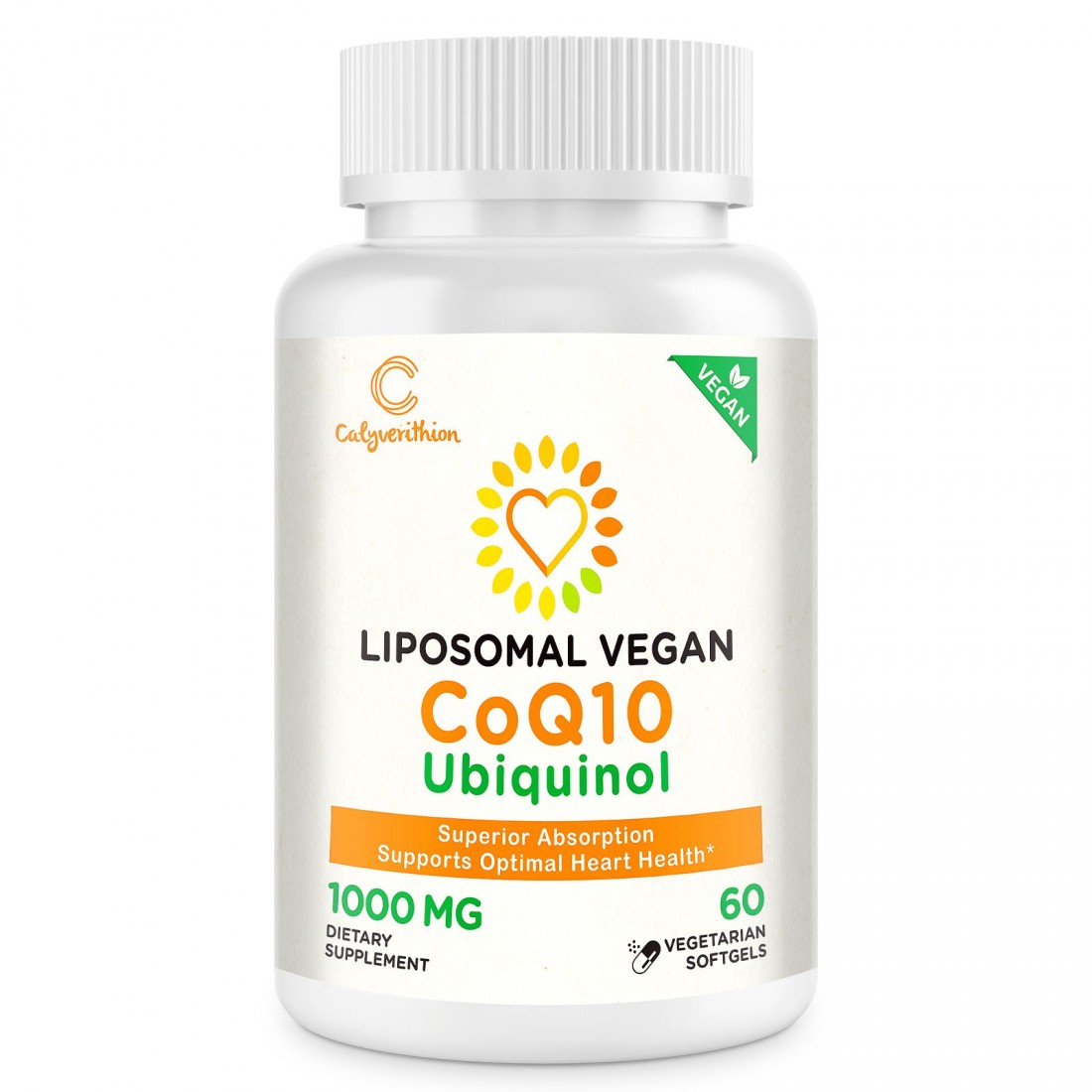
Coenzyme Q10 (CoQ10) ubiquinol is the active, antioxidant-ready form of CoQ10 that the human body naturally synthesizes to support cellular energy production and neutralize free radicals. Reviewing ubiquinol supplements involves examining bioavailability, purity, third-party testing, formulation stability, and user experiences to determine clinical efficacy, value, and overall suitability for targeted health support.
Understanding CoQ10: Ubiquinone vs. Ubiquinol
To properly evaluate CoQ10 ubiquinol reviews, one must first understand the fundamental biochemical difference between the two primary supplement forms available on the market: ubiquinone and ubiquinol. Coenzyme Q10 naturally exists in the body in a continuous redox cycle, shifting back and forth between these two states depending on whether it is accepting or donating electrons.
Ubiquinone is the oxidized form of CoQ10. For decades, it was the only commercially available supplemental form. When a person ingests ubiquinone, the body must expend energy and utilize specific enzymatic processes—primarily involving the enzyme NAD(P)H:quinone oxidoreductase 1 (NQO1)—to convert it into the reduced, active form (ubiquinol) before it can be effectively utilized by cellular mitochondria.
Ubiquinol, conversely, is the reduced, electron-rich form. Because it is already reduced, it does not require enzymatic conversion in the gastrointestinal tract or liver. This characteristic makes ubiquinol significantly more bioavailable, particularly for older adults or individuals with certain metabolic inefficiencies whose bodies experience a natural decline in the capacity to convert ubiquinone.
When consumers read or write supplement reviews, this distinction heavily influences the narrative. Higher cost and unique storage requirements (such as protection from oxidation upon exposure to light and air) are common trade-offs highlighted in user evaluations and expert critiques alike.
Key Criteria Examined in Ubiquinol Reviews
Navigating the landscape of dietary supplement evaluations requires a systematic approach to what makes a product genuinely effective and safe. Consumer feedback, independent laboratory testing, and clinical assessments generally focus on several core metrics.
Bioavailability and Absorption Technologies
Because CoQ10 is a fat-soluble molecule with high molecular weight and poor intrinsic water solubility, raw powder forms often pass through the digestive tract with minimal absorption. Ubiquinol reviews frequently center on how a specific manufacturer enhances bioavailability. Common technologies include:
- Liposomal Delivery: Encapsulating the ubiquinol molecule in phospholipid spheres to bypass standard digestive breakdown.
- Solubilized or Emulsified Oils: Suspending ubiquinol in medium-chain triglycerides (MCT oil) or specialized carrier oils to mimic natural dietary fat absorption pathways.
- Patented Complexes: Utilizing branded raw materials like Kaneka Ubiquinol®, which maintains a stable, reduced crystalline structure backed by extensive pharmacokinetic testing.
Purity and Third-Party Verification
Dietary supplements are regulated differently than pharmaceutical drugs, making independent verification a cornerstone of credible product evaluation. High-value reviews routinely look for certifications from organizations such as:
- NSF International or NSF Certified for Sport
- U.S. Pharmacopeia (USP)
- ConsumerLab.com
- Informed-Choice / Informed-Sport
These validations ensure that the label claim matches the bottle's contents, screening specifically for heavy metals, microbial contaminants, and degradation byproducts like oxidized ubiquinone.
Dosage Range and Value
Ubiquinol supplements typically range from 50 mg to 200 mg per softgel. Reviews often analyze the cost-per-milligram ratio, evaluating whether a higher upfront price point yields a clinically meaningful concentration or if consumers are paying merely for branding and marketing overhead.
Comparative Analysis of Popular Ubiquinol Formulations
To assist in navigating product options, the following comparative overview outlines the primary parameters evaluated in contemporary ubiquinol reviews.
| Product Category / Type | Typical Dosage | Primary Delivery Matrix | Key Advantage | Common Consumer Critique |
|---|---|---|---|---|
| Standard Kaneka-Based Softgels | 100 mg - 200 mg | MCT Oil / Olive Oil | Highly stable, clinically researched raw material base | Moderate bioavailability compared to advanced liquid delivery |
| Advanced Liposomal Ubiquinol | 50 mg - 100 mg | Phospholipid Complex | Enhanced cellular uptake and rapid mucosal absorption | Higher cost per serving; specialized taste profiles |
| Water-Soluble Emulsified Liquids | 50 mg / mL | Micellized / Surfactant blend | Easy mixing into beverages; suitable for pill fatigue | Shorter shelf life once opened; complex ingredient deck |
| Combination Formulations | 100 mg + PQQ / Shilajit | Oil suspension + botanical extracts | Synergistic support for mitochondrial biogenesis | Potential interactions with other active ingredients |
Practical Performance, User Feedback, and Common Themes
Analyzing aggregate user sentiment across verified buyer platforms reveals consistent patterns regarding what consumers experience when integrating ubiquinol into their daily routines.
Reported Benefits and Positive Trends
The most frequent positive remarks in ubiquinol reviews relate to subjective improvements in physical stamina, reduced recovery times following moderate exercise, and general vitality. Individuals taking statin medications—which can deplete endogenous CoQ10 synthesis by inhibiting the mevalonate pathway—frequently report improvements in muscle comfort when supplementing under medical supervision. Furthermore, individuals navigating preconception health protocols often highlight fertility-focused clinical recommendations as their primary driver for choosing ubiquinol over standard ubiquinone.
Common Criticisms and Limitations
Negative or critical reviews typically focus on three distinct areas:
- Financial Investment: Ubiquinol is consistently more expensive to manufacture and purchase than standard ubiquinone, leading to friction for long-term users.
- Softgel Size and Swallowing Difficulty: Standard high-dose softgels can be bulky, posing a challenge for consumers who struggle with large capsules.
- Subtle Subjective Effects: Because cellular-level antioxidant support does not always manifest as an acute physical sensation, some users discontinue use prematurely, mistaking a lack of dramatic immediate feedback for ineffectiveness.
Safety, Potential Side Effects, and Professional Guidance
While ubiquinol is generally well-tolerated by healthy adults, evaluating safety is a vital component of any responsible review overview.
Potential Side Effects
Mild adverse effects are uncommon but can include gastrointestinal discomfort, upper abdominal pain, nausea, loss of appetite, or mild insomnia if the supplement is taken late in the evening.
Drug Interactions
Ubiquinol can interact with specific pharmaceutical classes. Most notably, it may attenuate the anticoagulant efficacy of warfarin (Coumadin) and similar blood thinners, potentially increasing the risk of clotting complications. Additionally, individuals managing blood pressure medications should monitor their vitals, as CoQ10 can exert modest hypotensive effects.
Disclaimer: This overview is for informational and educational purposes only and does not constitute medical advice. Always consult a qualified healthcare professional before beginning any new dietary supplement, especially if you take prescription medications, are pregnant, or are nursing.
Frequently Asked Questions
What is the primary difference between ubiquinone and ubiquinol?
Ubiquinone is the oxidized form of CoQ10, which the body must convert into ubiquinol before cellular utilization. Ubiquinol is the pre-reduced, active antioxidant form that bypasses this conversion step, offering higher direct bioavailability, particularly for aging populations.
Why do ubiquinol supplements generally cost more than ubiquinone?
Ubiquinol is chemically unstable and highly sensitive to oxygen and light. Advanced manufacturing processes, specialized packaging (such as opaque bottles or nitrogen-flushed blister packs), and patented stabilization technologies are required to keep the molecule in its active reduced state, increasing production costs.
Can ubiquinol replace prescription medications for heart health?
No. Ubiquinol is a dietary supplement designed to support cellular energy and provide antioxidant defense. It is not a pharmaceutical medication and should never be used to replace prescribed treatments for cardiovascular conditions without explicit medical supervision.
When is the best time of day to take ubiquinol?
Because CoQ10 is a fat-soluble compound, it is best absorbed when consumed alongside a meal containing dietary fats (such as healthy oils, avocado, or nuts). Many users prefer taking it with breakfast or lunch to minimize any potential interference with sleep.
How long does it take to notice the effects of ubiquinol supplementation?
Biochemical repletion of cellular CoQ10 levels typically takes anywhere from two to four weeks of consistent daily supplementation. Subjective experiences vary widely, with some noticing changes in stamina within a fortnight, while others rely on lab markers and long-term wellness metrics.
Conclusion and Next Actions
Evaluating CoQ10 ubiquinol reviews requires looking past marketing claims to focus on verified raw material sourcing, third-party testing certifications, and personal health goals. When selecting a product, prioritize brands that transparently disclose their manufacturing standards and utilize stable delivery matrices. Before purchasing, verify your specific nutritional needs with a healthcare provider, check for potential medication interactions, and select a dosage that aligns with your budget and long-term wellness strategy.