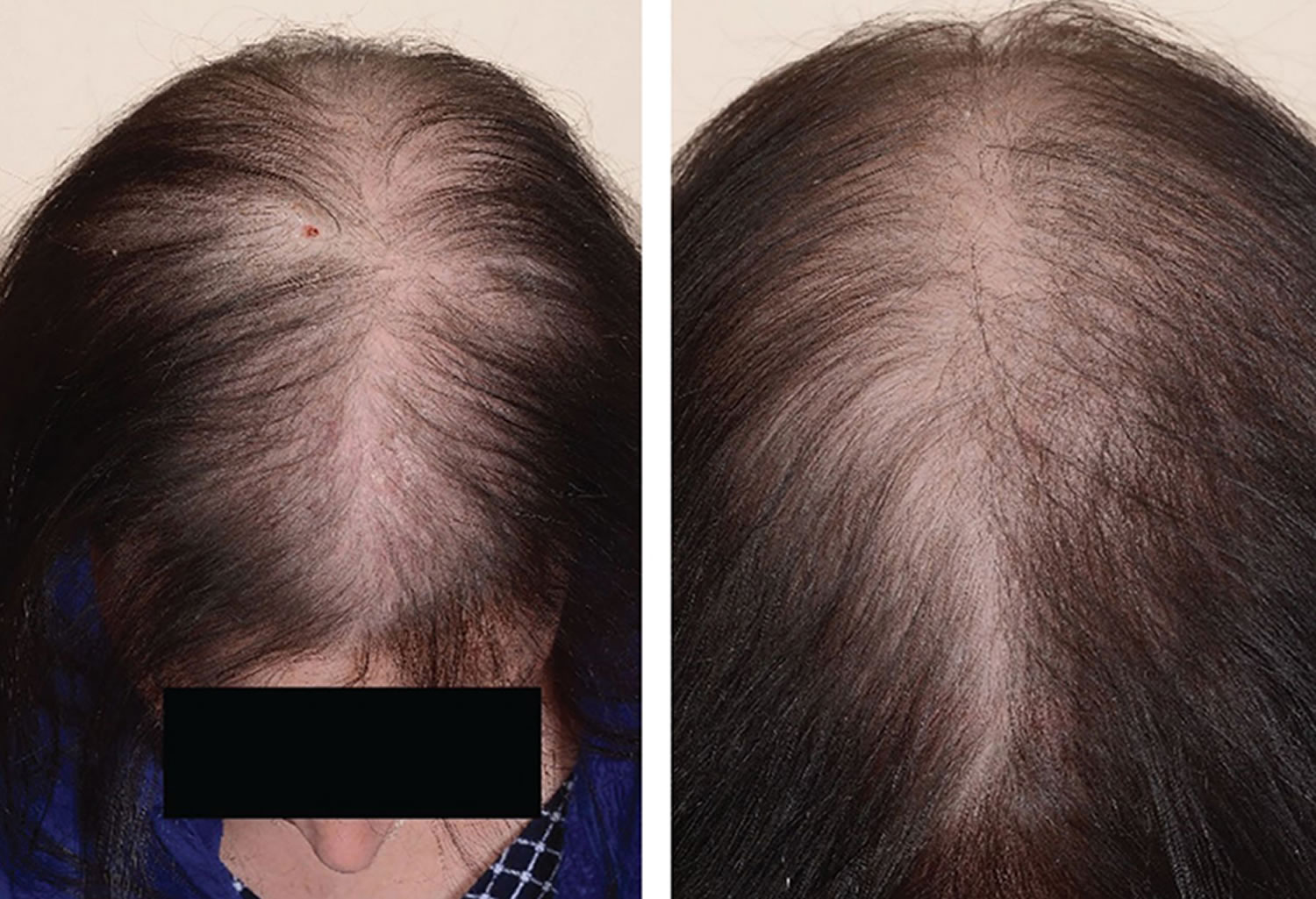
Finding a single clear winner for female thinning hair requires navigating a complex landscape of hormonal shifts, nutritional deficiencies, and dermatological conditions. While no single intervention works universally for every woman, clinical data, dermatologist consensus, and patient outcome studies consistently point toward specific evidence-based treatments that outperform alternatives in safety, efficacy, and ease of use. Understanding the root causes of hair thinning—ranging from female pattern hair loss (androgenetic alopecia) to telogen effluvium and chronic inflammation—is essential for identifying which treatment stands out as the definitive frontrunner for your specific clinical presentation.
Understanding the Landscape of Female Hair Thinning
Hair thinning in women differs fundamentally from male pattern baldness. Instead of receding hairlines and prominent bald patches, women typically experience a diffuse widening of the central hair part and an overall reduction in ponytail diameter. This phenomenon can be triggered by a wide array of internal and external factors, making a "one-size-fits-all" approach ineffective.
Before committing to any intervention, a proper diagnosis from a board-certified dermatologist or trichologist is paramount. Conditions like chronic telogen effluvium (stress or shock-induced shedding), traction alopecia (from tight hairstyles), and hormonal imbalances (such as those caused by polycystic ovary syndrome or menopause) require entirely different management strategies than genetic female pattern hair loss. Without addressing the underlying driver, even the most advanced topical therapies will yield suboptimal results.
Common Causes and Diagnostic Pathways
To determine the most appropriate course of action, medical professionals typically evaluate several key physiological markers:
- Hormonal Fluctuations: Shifts in estrogen and progesterone levels, particularly during postpartum recovery, perimenopause, and post-menopause, can unmask genetic predispositions to hair thinning.
- Nutritional Deficiencies: Low levels of serum ferritin (stored iron), vitamin D, zinc, and B-complex vitamins can disrupt the anagen (growth) phase of the hair cycle.
- Thyroid Dysfunction: Both hypothyroidism and hyperthyroidism are notorious for causing widespread hair shedding and brittle strands.
- Scalp Health: Fungal overgrowths, seborrheic dermatitis, and chronic micro-inflammation can choke hair follicles and impede healthy growth cycles.
The Contenders: Evaluating Treatments for Female Hair Loss
The market is saturated with over-the-counter shampoos, laser caps, ingestible supplements, and prescription medications, all claiming to reverse hair thinning. To find the clear winner, we must examine the clinical backing, regulatory approvals, and real-world compliance of the primary treatment categories.
Topical Minoxidil: The Gold Standard
For decades, topical minoxidil has remained the foundational treatment for female pattern hair loss. Initially developed as an oral medication for high blood pressure, clinicians observed hypertrichosis (excess hair growth) as a side effect, leading to its topical formulation.
Minoxidil is a potassium channel opener that dilates blood vessels in the scalp, potentially improving the delivery of oxygen and nutrients to hair follicles. More importantly, it prolongs the anagen phase of the hair cycle, allowing miniaturized hairs to grow longer and thicker.
- Concentrations: Available in 2% and 5% topical solutions or foams. Clinical dermatology guidelines frequently favor the 5% formulation, applied once daily (foam) or twice daily (solution), as it offers superior efficacy without a significant increase in side effects.
- Pros: FDA-approved, widely accessible without a prescription, backed by decades of clinical safety data, and relatively affordable.
- Cons: Requires indefinite, lifelong commitment to maintain results; initial "dread shed" can discourage new users; can cause localized scalp irritation or unwanted facial hair growth if application is sloppy.
Prescription Anti-Androgens and Oral Therapies
When topical treatments fall short, physicians often turn to systemic medications, particularly for women with diagnosed hyperandrogenism.
- Spironolactone: An aldosterone receptor antagonist and potassium-sparing diuretic that blocks androgen receptors and inhibits testosterone production. It is frequently prescribed off-label for women with female pattern hair loss.
- Oral Minoxidil: Low-dose oral minoxidil (typically 0.625mg to 2.5mg daily) has surged in popularity as an alternative to topical applications, offering higher patient compliance and avoiding scalp irritation, though it requires medical supervision to monitor blood pressure and cardiovascular health.
Low-Level Laser Therapy (LLLT)
LLLT devices, including laser caps, bands, and combs, utilize photobiomodulation to stimulate cellular respiration and metabolism within the hair follicle. While studies show positive outcomes in increasing hair density, these devices are costly, require strict adherence to usage schedules, and are often most effective when used as an adjunct therapy alongside minoxidil or nutritional support.
Nutritional Supplements and Dietary Adjustments
Nutritional supplements occupy a massive segment of the hair loss market, but their efficacy depends entirely on the presence of an underlying deficiency.
- Nutrafol and Viviscal: These clinical-grade nutraceuticals combine botanical extracts, marine proteins, and essential vitamins to target stress hormones, inflammation, and nutritional gaps. While robust clinical trials support their use in reducing shedding, they do not regrow hair in areas of complete follicular miniaturization.
- Biotin (Vitamin B7): Widely marketed for hair growth, biotin deficiency is actually quite rare in developed nations. High-dose biotin supplementation does not reverse genetic hair thinning and can interfere with certain lab tests, including cardiac panels and thyroid assays.
Comparing Female Hair Loss Interventions
| Treatment Category | Primary Mechanism | Regulatory Status | Ease of Use | Typical Timeframe for Results | Cost Profile |
|---|---|---|---|---|---|
| Topical Minoxidil (5%) | Vasodilation & anagen phase extension | FDA-Approved (OTC) | Moderate (Daily application) | 3 to 6 months | Moderate ($15–$40/month) |
| Oral Spironolactone | Androgen receptor blockade | Off-Label (Prescription) | High (Daily pill) | 6 to 12 months | Low to Moderate |
| Low-Level Laser Therapy | Photobiomodulation (cellular energy) | FDA-Cleared (Medical Device) | Moderate (3x weekly sessions) | 4 to 6 months | High (Upfront device cost) |
| Targeted Nutraceuticals | Anti-inflammatory & nutritional repletion | Dietary Supplement | High (Daily capsules) | 3 to 6 months | High ($50–$90/month) |
The Clear Winner: Why 5% Topical Minoxidil Stands Out
When evaluating clinical efficacy, safety, cost, accessibility, and depth of scientific validation, 5% topical minoxidil emerges as the clear winner for female thinning hair.
Unlike expensive laser devices or proprietary supplements that lack rigorous, independent long-term trials, topical minoxidil is backed by more than 30 years of peer-reviewed dermatological studies. It directly addresses the biological mechanism of follicular miniaturization by prolonging the growth phase of the hair cycle.
Furthermore, its over-the-counter availability removes the barrier of obtaining a doctor's prescription for initial trial, making it the most practical, democratic, and scientifically sound first-line intervention for the vast majority of women experiencing diffuse thinning.
Maximizing the Effectiveness of the Winner
To achieve optimal results with topical minoxidil, users must adhere to strict application protocols and manage expectations:
- Direct Scalp Application: Apply the solution or foam directly to a dry scalp, parting the hair in thinning areas, rather than simply massaging it into the hair strands.
- Patience and Consistency: Hair grows slowly—approximately half an inch per month. Visible density improvements rarely occur before 4 to 6 months of continuous, uninterrupted daily use.
- Managing the "Dread Shed": During the first 2 to 6 weeks of use, many users experience an increase in hair shedding. This occurs because minoxidil pushes resting hairs prematurely out of the follicle to make way for a new, healthier anagen cycle. This shedding is a positive sign that the treatment is working, not a reason to quit.
- Combining Therapies: For enhanced outcomes, many dermatologists recommend pairing topical minoxidil with a ketoconazole-based shampoo (to reduce scalp inflammation and mild DHT activity) and ensuring adequate daily protein and iron intake.
Frequently Asked Questions
Can I stop using minoxidil once my hair thickens?
No. Minoxidil is a maintenance therapy, not a cure. If you discontinue use, the hair follicles will revert to their pre-treatment miniaturization state within 3 to 4 months, and all the density gains achieved will gradually shed away.
Will topical minoxidil cause unwanted facial hair growth?
It is possible if the product drips onto the forehead or face, or if it is transferred via pillowcases. To minimize this risk, apply the treatment several hours before bedtime, wash your hands thoroughly after application, and wipe away any accidental runoff immediately.
How does oral minoxidil compare to topical minoxidil?
Low-dose oral minoxidil has gained traction because it eliminates the sticky residue and scalp irritation associated with topical applications, leading to higher compliance. However, it requires a prescription and regular medical monitoring by a physician to screen for systemic side effects like lower blood pressure or fluid retention.
Can hair thinning caused by menopause be reversed?
Yes, though management requires a multi-pronged approach. While topical minoxidil can stimulate growth, menopausal hair thinning is often driven by declining estrogen relative to androgens. Consulting an endocrinologist or gynecologist about systemic hormone replacement therapy (HRT) or anti-androgen medications alongside topical treatments yields the best clinical outcomes.
Are natural oils like rosemary oil effective alternatives?
Rosemary oil has gained viral popularity, with some small clinical trials suggesting it performs comparably to 2% minoxidil in treating androgenetic alopecia over a six-month period. However, it lacks the robust, multi-decade safety and efficacy data of 5% minoxidil and can cause contact dermatitis in sensitive skin types. It serves best as an complementary scalp massage oil rather than a replacement for evidence-based topicals.
Final Recommendation
If you are experiencing noticeable female hair thinning, your immediate next action should be to consult a board-certified dermatologist to rule out underlying medical conditions, thyroid issues, or nutritional deficiencies. Once genetic or diffuse thinning is confirmed, initiate treatment with 5% topical minoxidil (foam formulation is generally preferred to minimize irritation from propylene glycol). Commit to a strict, daily application routine for a minimum of six months before evaluating its effectiveness. Pair this regimen with adequate dietary protein, targeted iron supplementation if ferritin levels are low, and realistic expectations regarding the lifelong maintenance required to preserve your results.