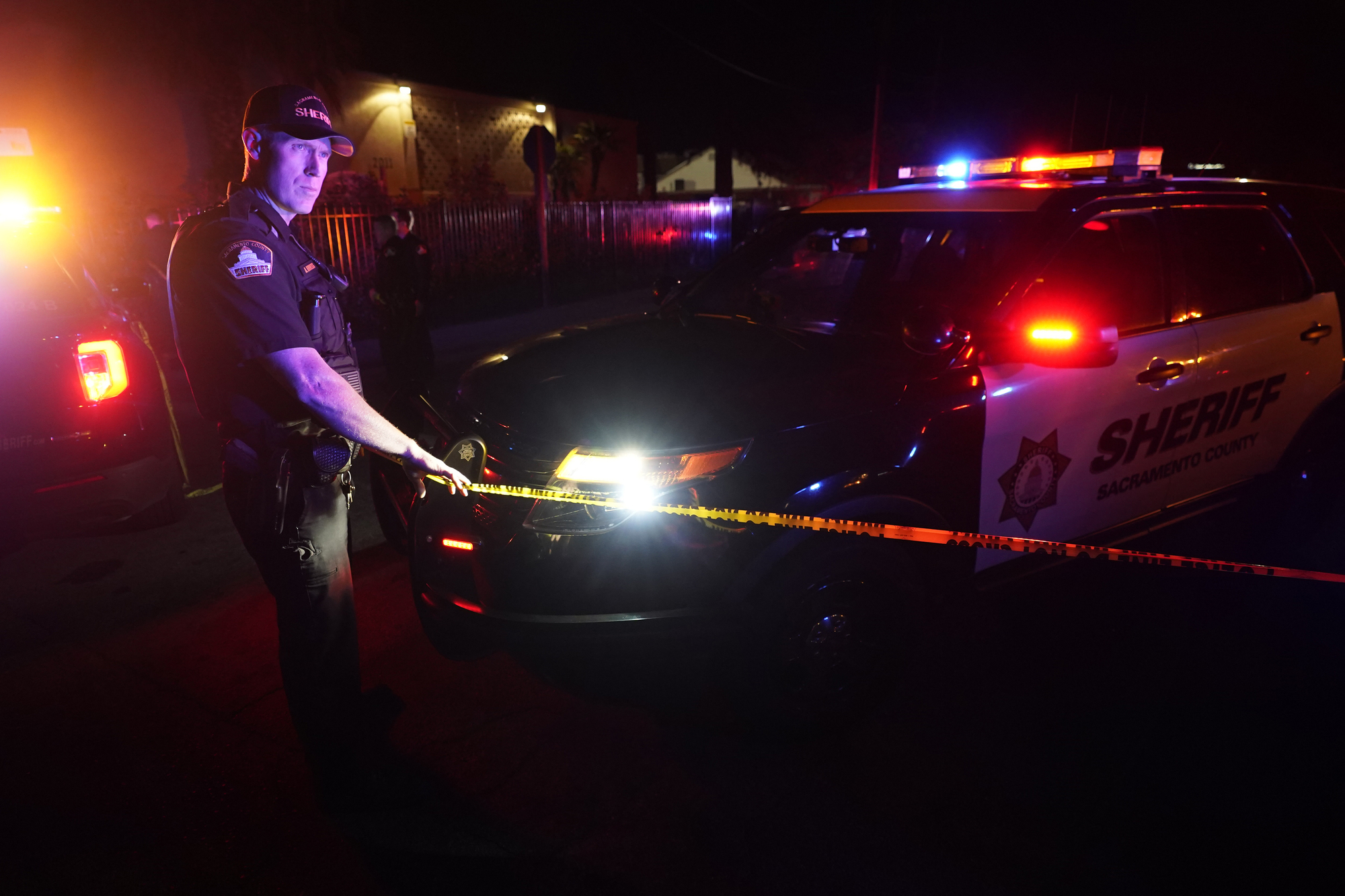
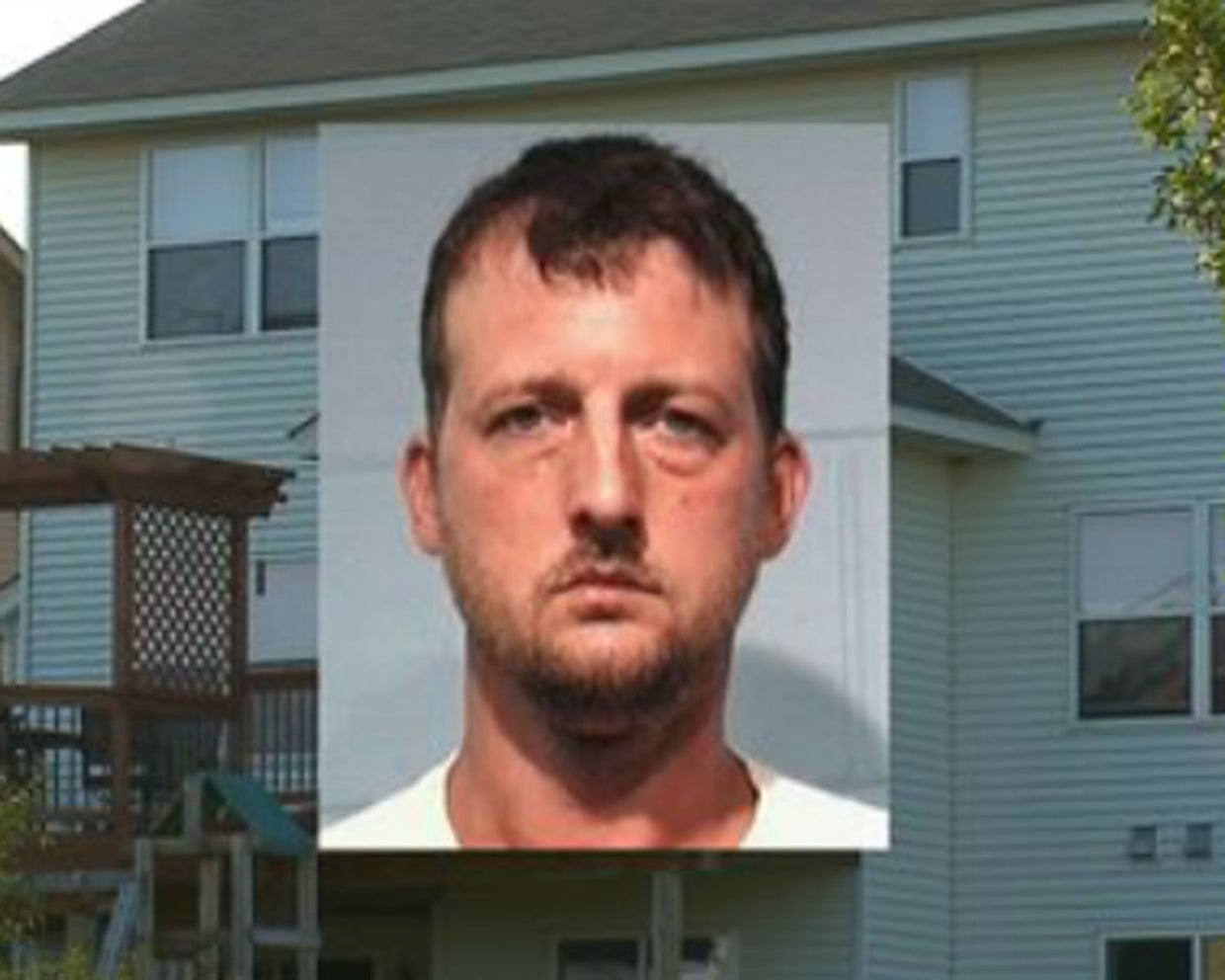
On February 28, 2022, David Mora-Rojas killed his three daughters—Samia (13), Samantha (10), and Samarah (9)—and a church chaperone during a supervised visitation at The Church in Sacramento. This case highlights critical failures in supervised visitation protocols, the enforcement of domestic violence restraining orders, and the risks associated with "ghost guns."
Chronology of the Tragedy: February 28, 2022
The events of February 28, 2022, occurred within a setting intended to be a sanctuary. David Mora-Rojas, aged 39, was scheduled for a supervised visit with his three daughters at The Church in Sacramento, located in the Arden-Arcade neighborhood. Under a court-issued domestic violence restraining order, Mora was permitted to see his children only under the supervision of a third party.
At approximately 5:00 PM, while the group was in the church’s main sanctuary, Mora produced an illegally obtained, AR-15-style "ghost gun." He opened fire, killing his three daughters and 59-year-old Nathaniel Kong, a church executive who was acting as the supervisor for the visit. After the murders, Mora turned the weapon on himself. The mother of the children, Ileana Gutierrez-Soto, was at work at the time of the incident, having previously expressed profound fear for her life and the safety of her children.
This specific case is frequently analyzed by legal and domestic violence experts because it occurred during a "supervised" event. In most jurisdictional frameworks, supervision is the final line of defense against parental violence. When that line fails, it often reveals systemic gaps in how courts vet supervisors and how law enforcement tracks prohibited persons in possession of firearms.
The Perpetrator and the Motive: David Mora-Rojas
Understanding the perpetrator requires looking at the months leading up to the massacre. David Mora-Rojas had a documented history of mental health struggles and domestic instability. In April 2021, less than a year before the shooting, Mora was placed on an involuntary psychiatric hold (often referred to as a "5150" in California) after expressing suicidal ideation and threatening to harm others.
The motive in this case aligns with a psychological profile known as "spousal revenge filicide." In these instances, the perpetrator kills their children not necessarily because of a grievance with the children themselves, but to inflict the maximum possible psychological pain on the surviving spouse. Gutierrez-Soto had successfully filed for a restraining order in May 2021, citing Mora’s volatility and threats. By killing the daughters, Mora ensured that the mother would suffer a lifelong vacuum of grief, a common, albeit horrific, goal in extreme domestic violence escalations.
As of 2026, psychologists continue to use the Mora case as a primary example of why "suicidal ideation" in a domestic abuser must be treated as a high-lethality indicator for the entire family, not just the individual.
The Victims: Samia, Samantha, and Samarah
The loss of the three sisters sent shockwaves through the Sacramento community and the local school district.
- Samia (13): The eldest, described as a protective sister who excelled in academics.
- Samantha (10): Known for her artistic interests and vibrant personality.
- Samarah (9): The youngest, remembered for her energy and close bond with her older siblings.
The fact that all three were killed simultaneously underscores the premeditated nature of Mora’s actions. He did not target one child or act in a spontaneous heat of passion; he targeted the entirety of Gutierrez-Soto's world. The fourth victim, Nathaniel Kong, was a devoted member of the church who had stepped in to help a family in crisis, illustrating the danger that non-professional supervisors face in high-risk domestic situations.
Systemic Failures in the Legal and Judicial System
The David Mora case is a study in how a "paper wall" of protection fails when it lacks physical enforcement. There were three primary areas where the system failed to protect the Mora children:
1. The Restraining Order Gap
Gutierrez-Soto had obtained a Domestic Violence Restraining Order (DVRO) that was supposed to last for five years. Under California law, a DVRO automatically prohibits the restrained person from owning or possessing a firearm. However, the court did not ensure that Mora had surrendered any weapons, nor did it verify that he was unable to obtain new ones. Because Mora was in the country illegally (having overstayed a visa from Mexico), he was already prohibited from possessing firearms under federal law, yet he was able to acquire a "ghost gun"—a weapon without a serial number that is difficult for authorities to track.
2. The Failure of Supervised Visitation Protocols
California Family Code Section 3200-3200.5 outlines the requirements for supervised visitation. In the Mora case, the court allowed for non-professional supervision. This meant that instead of a trained, security-conscious professional at a secure facility, the visits were monitored by a church elder in a public sanctuary.
Professional supervisors are trained to look for "lethality markers," conduct pat-downs if necessary, and operate in facilities with "panic buttons" and secure entrances. By allowing a non-professional to supervise a man with a recent history of psychiatric commitment, the court inadvertently created a soft target.
3. Immigration and Law Enforcement Coordination
Mora had been arrested just days before the shooting for battery of a police officer and driving under the influence. Despite his undocumented status and the existing restraining order, he was released from custody. This highlighted the friction between local "sanctuary" policies and the need for law enforcement to flag high-risk individuals for domestic violence monitoring.
The Role of "Ghost Guns" in Domestic Violence
A significant technical aspect of the Mora case is the weapon used: an AR-15 style ghost gun. Ghost guns are assembled from "80% lowers" or kits that do not require a background check to purchase.
| Feature | Standard Firearm | Ghost Gun (Used by Mora) |
|---|---|---|
| Serial Number | Required and registered | None |
| Background Check | Mandatory at point of sale | Bypassed via kit purchase |
| Traceability | High (via ATF records) | Impossible without physical recovery |
| Legal Status for Prohibited Persons | Illegal to possess | Illegal, but easily acquired |
Mora’s ability to build or obtain such a weapon while under a DVRO exposed the "kit" loophole that legislators have been scrambling to close. By 2026, regulations on "precursor parts" have tightened significantly in California and several other states, largely due to the high-profile nature of the Sacramento church shooting.
Psychological Perspectives on Paternal Filicide
Sociologists and criminologists categorize the Mora case under paternal filicide, which differs significantly from maternal filicide. While maternal cases are often linked to postpartum psychosis or "altruistic" motives (the mother believing she is "saving" the children from a cruel world), paternal filicide is more frequently characterized by:
- Control and Ownership: The father views the children and the wife as extensions of himself. If he cannot control them, he "terminates" them.
- Retaliation: Using the children as a tool to punish the mother for leaving or for filing a restraining order.
- The "Family Annihilator" Profile: A perpetrator who decides that since his life/reputation is over (due to legal or financial trouble), the family must also cease to exist.
Mora showed signs of all three. His psychiatric history suggests a man who felt he was losing his grip on his family and used the ultimate act of violence to reassert a final, grim form of "control."
Legislative Impact and Changes through 2026
In the years following 2022, the David Mora case became a catalyst for legislative reform. By 2026, several key changes have been influenced by this tragedy:
- SB 914 (The HELP Act): Legislation aimed at improving how domestic violence survivors who are experiencing homelessness or housing instability (like Gutierrez-Soto) are supported.
- Strengthening Supervised Visitation: There has been a push to mandate professional supervision for cases involving "high-lethality" factors, such as previous psychiatric holds or threats of suicide/homicide.
- Ghost Gun Bans: California’s aggressive stance on ghost guns was accelerated by the realization that a man under a restraining order could so easily bypass the background check system.
Comparison of Legal Safeguards
The following table compares the safety measures in place at the time of the Mora murders versus the recommended standards for high-risk domestic violence cases as of 2026.
| Safety Measure | Status in Mora Case (2022) | Recommended Standard (2026) |
|---|---|---|
| Supervision Type | Non-professional (Church friend) | Professional/Licensed Monitor |
| Venue | Public Church Sanctuary | Secured Visitation Center |
| Weapon Screening | None | Metal Detector/Pat-down |
| Law Enforcement Alerts | Limited coordination | Real-time "Prohibited Person" alerts |
| Risk Assessment | Subjective court review | Standardized Lethality Assessment |
Frequently Asked Questions
Why was David Mora allowed to see his children if he had a restraining order?
A restraining order (DVRO) does not automatically terminate parental rights. Courts often prioritize the "best interests of the child," which is traditionally interpreted as maintaining a relationship with both parents. In Mora's case, the court believed that "supervised" visits provided enough of a safety buffer, failing to account for the perpetrator's access to a firearm and his volatile mental state.
What is a "Ghost Gun" and how did Mora get one?
A ghost gun is a firearm that is assembled from parts and lacks a serial number. At the time, kits could be purchased online without a background check. Because Mora was a "prohibited person" due to both his immigration status and the restraining order, he could not buy a gun at a store, so he used the ghost gun loophole to manufacture his own weapon.
Why did the chaperone not stop the shooting?
Nathaniel Kong was a civilian and a church elder. He was not an armed security guard or a trained law enforcement officer. In non-professional supervised visitations, the "supervisor" is often just a witness, not a protector. This is why many advocates now demand professional supervision in high-risk cases.
Could this case have been prevented?
Experts suggest several "touchpoints" could have changed the outcome. Had the court mandated a professional supervisor in a secure facility, or had law enforcement conducted a follow-up "Prohibited Persons" sweep to ensure Mora did not have weapons, the tragedy might have been averted. The failure to bridge the gap between "issuing" a restraining order and "enforcing" it was the primary catalyst.
What is the "Lethality Assessment" used by courts today?
As of 2026, many jurisdictions use a 12-to-20 point "Lethality Assessment" (like the Campbell Danger Assessment). It looks for factors such as:
- Access to a firearm.
- Threats to kill the partner or children.
- Recent separation or divorce.
- History of stalking or extreme jealousy.
- Suicidal ideation by the abuser. If a certain number of these factors are met, the court is significantly less likely to allow even supervised visitation in unsecured locations.
Practical Recommendations for Families in Crisis
For those dealing with high-risk domestic violence situations, the David Mora case serves as a somber reminder that legal documents are only one part of a safety plan.
- Request Professional Supervision: Always advocate for court-ordered visits to take place at a licensed, professional facility rather than a home or a church.
- Request a "Firearm Relinquishment" Hearing: Ask the court to mandate a specific hearing where the restrained party must prove they have turned over all weapons to law enforcement.
- Utilize Red Flag Laws: In states like California, family members or law enforcement can file a Gun Violence Restraining Order (GVRO) specifically to remove firearms from someone who is a danger to themselves or others.
- Security during Transitions: The most dangerous times for a victim are during the "hand-off" of children. Ensure these occur at police stations or via "staggered" arrival/departure times at professional centers.
If you or someone you know is in danger, contact the National Domestic Violence Hotline or your local law enforcement immediately.