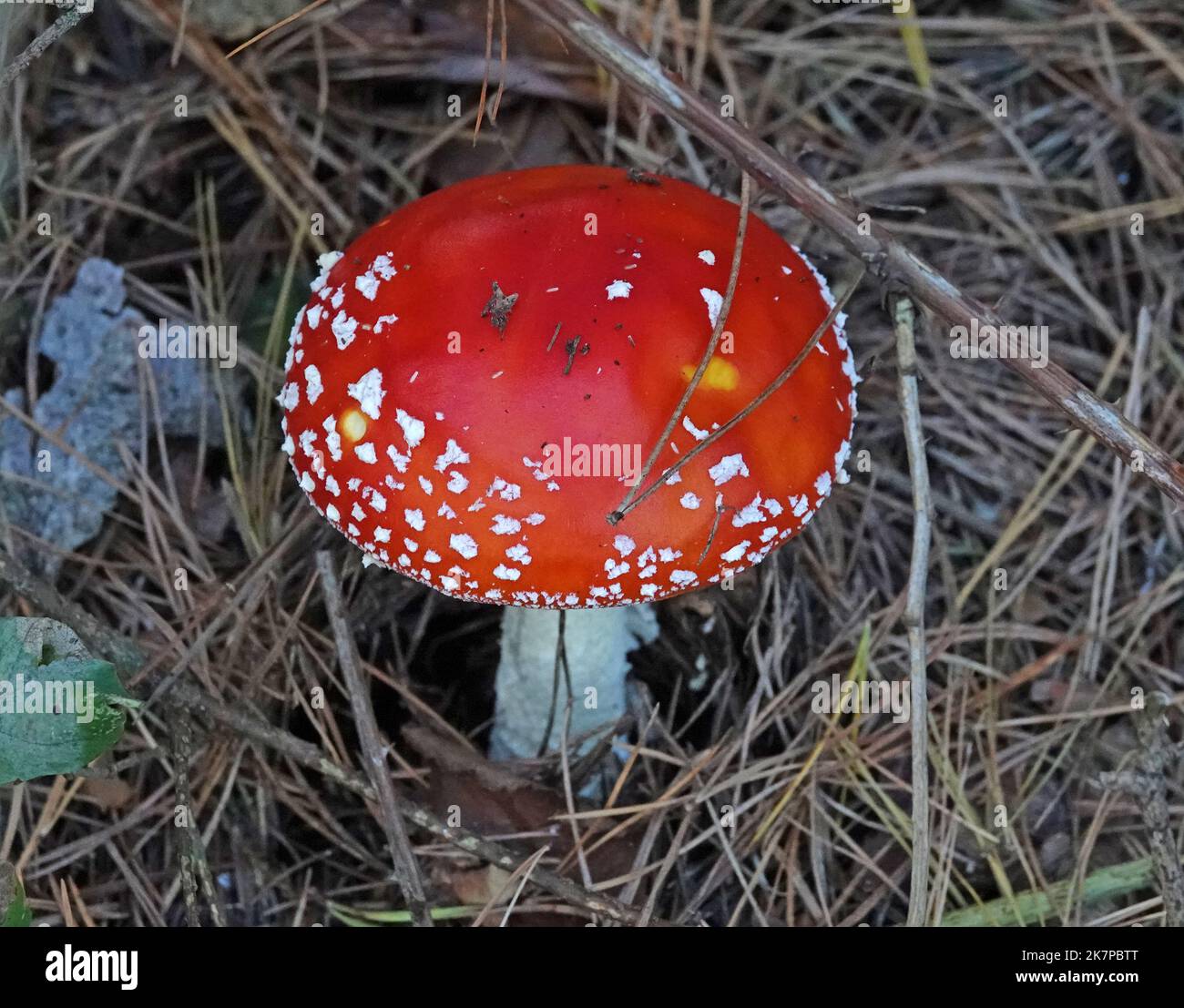
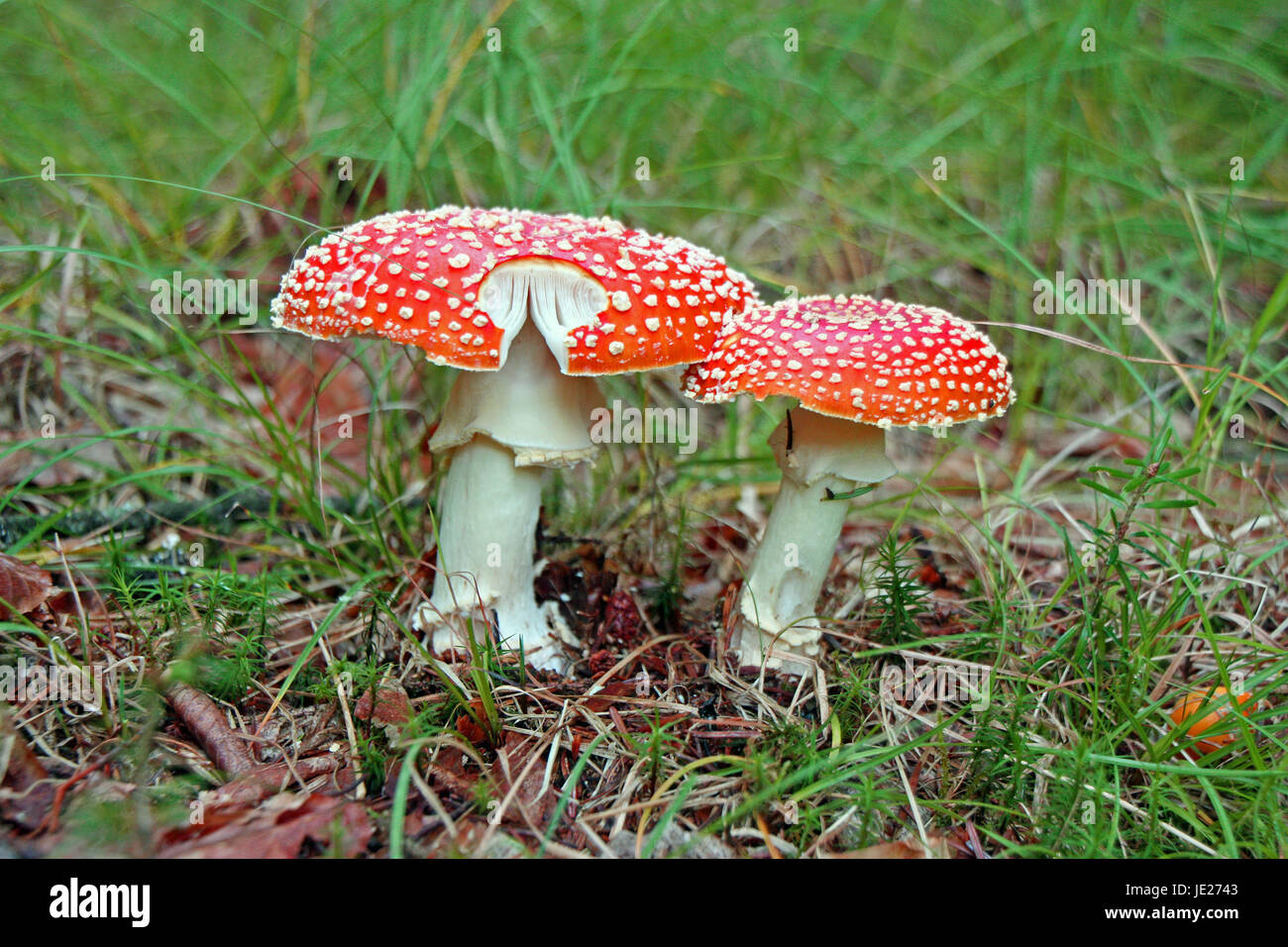
Toadstools are not biologically distinct from mushrooms; the term is merely a colloquial name often applied to large, umbrella-shaped fungi, particularly those that are wild, uncultivated, or suspected of being toxic. Because there is no simple visual rule to separate safe species from dangerous ones, any wild-gathered toadstool must be treated as potentially poisonous unless it is positively identified by a trained mycologist.
The Origin of the Term "Toadstool"
In everyday language, the word "toadstool" carries a heavy burden of folklore, fear, and misunderstanding. Historically, people used the term to describe fungi that appeared suddenly in lawns or forests overnight, often associating them with witchcraft, evil spirits, or venomous toads. Etymologically, the word derives from the Middle English todestok, combining toad and stool, evoking an image of a seat for a toad.
Despite these vivid cultural associations, mycologists—scientists who study fungi—do not use the word "toadstool" in scientific classification. Scientifically speaking, every toadstool is a mushroom, and every mushroom is a fungus belonging to the kingdom Fungi. The cap, stem, gills, and spores operate under the same biological principles regardless of whether a specimen is grown commercially in a sterile agricultural facility or sprouted spontaneously beneath an oak tree.
The persistent cultural divide between "mushrooms" (which are assumed to be edible and safe) and "toadstools" (which are assumed to be poisonous or hallucinogenic) is entirely artificial. This linguistic split creates a false sense of security. People who would never dream of eating a "toadstool" might carelessly forage for "wild mushrooms," failing to realize they are handling the exact same biological structures. Understanding that all these organisms share identical reproductive strategies helps demystify them and shifts the focus from folklore to empirical safety.
The Biological Reality of Fungal Toxicity
Fungal toxicity exists on a wide spectrum, ranging from mild gastrointestinal distress to rapid, catastrophic organ failure. Mushrooms do not produce toxins to harm humans maliciously; rather, these chemical compounds evolved over millions of years as evolutionary defense mechanisms against invertebrates, slugs, rodents, and other natural predators.
The toxins found in poisonous fungi—often collectively referred to as mycotoxins—are remarkably stable chemical structures. Cooking, freezing, pickling, drying, or soaking wild specimens does not reliably destroy these dangerous compounds. For example, the amatoxins found in the Amanita genus can withstand boiling temperatures for extended periods without losing their structural integrity or toxicity.
Furthermore, a single patch of fungi may contain multiple species growing in close proximity, leading to accidental cross-contamination in a foraging basket. A harmless edible species can easily touch a toxic neighbor, transferring microscopic spores or surface toxins. Therefore, evaluating the biological safety of wild fungi requires strict taxonomic identification rather than reliance on folk remedies or simplistic kitchen tests.
Debunking Dangerous Folk Myths About Poisonous Fungi
Generations of amateur foragers have passed down informal rules of thumb for identifying poisonous toadstools. Almost all of these traditional methods are scientifically false and profoundly dangerous. Relying on old wives' tales when foraging for wild fungi can result in severe poisoning or death.
One of the most persistent myths is that any fungus eaten by animals, such as squirrels, rabbits, or slugs, must be safe for human consumption. In reality, the digestive physiology of wild animals differs drastically from that of humans. Many invertebrates and mammals possess specialized metabolic pathways that allow them to ingest potent mycotoxins without experiencing ill effects. A squirrel can feast safely on a death cap mushroom (Amanita phalloides), while a human consuming the same specimen would suffer fatal liver destruction.
Another common misconception involves silver. The old belief claims that if a silver spoon or coin turns black when stirred into a pot of cooking fungi, the batch is poisonous. In truth, silver tarnishes in the presence of certain amino acids containing sulfur, which can be found in both edible and toxic species alike. The silver test has no correlation whatsoever with mycotoxin presence.
Similarly, people often believe that peeling the cap, boiling mushrooms in salted water with an onion or a silver coin, or avoiding brightly colored specimens will guarantee safety. None of these practices neutralize toxins. Some of the deadliest fungi on Earth, including the destroying angel (Amanita bisrigida and related species), are deceptively plain, white, and unassuming.
| Folk Myth | Scientific Reality | Consequence of Believing the Myth |
|---|---|---|
| Animals can eat it safely, so humans can too. | Animal digestive systems process toxins differently; many species eat deadly fungi without harm. | Severe organ failure or death from consuming toxic species like the death cap. |
| Cooking, boiling, or pickling destroys all toxins. | Amatoxins, gyromitrin, and other primary fungal poisons are heat-stable and survive cooking. | Ingestion of active poisons despite culinary preparation efforts. |
| Silver spoons turn black in toxic mushrooms. | Silver reacts with sulfur compounds present in many safe and unsafe fungi alike. | False sense of security leading to poisoning. |
| If it peels easily, it is edible. | Cap peeling depends on moisture and species anatomy, not toxicity. | Accidental consumption of toxic species with peelable caps. |
Major Categories of Fungal Poisoning Syndromes
Medical toxicologists categorize mushroom poisonings based on the specific physiological systems affected and the timeframe within which symptoms appear. Understanding these categories underscores why professional medical evaluation is necessary following any suspected ingestion.
Rapid-Onset vs. Delayed-Onset Toxins
The most critical dividing line in mycotoxicology is the time elapsed between consumption and the appearance of the first symptoms. Paradoxically, fungi that cause symptoms quickly—within 15 minutes to two hours—are rarely fatal, although they can cause severe physical distress. These rapid-onset toxins typically irritate the gastrointestinal tract, causing severe abdominal cramps, nausea, vomiting, and diarrhea.
Conversely, fungi with delayed-onset symptoms—where physical discomfort does not manifest until 6 to 24 hours later—are frequently life-threatening. By the time symptoms appear, the toxins have already been absorbed through the digestive tract and have begun attacking internal organs such as the liver and kidneys.
Organ-Specific Syndromes
- Cyclopeptide Poisoning (Amatoxins): Responsible for the vast majority of fatal mushroom poisonings worldwide, primarily caused by species in the genera Amanita, Galerina, and Lepiota. It features a deceitful latency period, followed by violent gastrointestinal distress, a brief period of apparent recovery, and subsequent catastrophic liver and kidney failure.
- Gyromitrin Poisoning: Caused by false morels (Gyromitra esculenta). Gyromitrin metabolizes in the body into monomethylhydrazine (MMH), a compound used in rocket fuel. It causes neurological symptoms, hemolysis, and hepatic damage.
- Orellanine Poisoning: Found in species like Cortinarius speciosissimus. This toxin has a remarkably long latent period ranging from 3 to 20 days. It targets the kidneys, frequently resulting in permanent renal failure requiring lifelong dialysis or transplantation.
- Gastrointestinal Irritants: A broad category encompassing hundreds of species that cause acute vomiting and diarrhea without causing permanent organ damage, though severe dehydration can be dangerous, especially for children and the elderly.
- Neurotoxic Syndromes: Includes muscarine poisoning (causing excessive sweating, salivation, and tearing) and ibotenic acid/muscimol poisoning (causing neurological symptoms, confusion, and drowsiness), associated with species such as Amanita muscaria.
Safe Identification and Foraging Best Practices
Because determining whether a wild toadstool is poisonous requires advanced botanical and mycological expertise, amateur foragers must adhere to rigorous safety protocols. The margin for error is nonexistent.
Forage Wild Fungi
- Are you 100% certain of the species ID?
- No: DISCARD IMMEDIATELY
- Yes: Consult a Certified Mycologist / Field Guide
- Cook thoroughly / Never eat wild fungi raw
- Are you 100% certain of the species ID?
Never Consume Wild Fungi Based Solely on Photographs: Field guides and online apps can be helpful educational tools, but photographs often fail to capture critical microscopic features, spore prints, or subtle color variations.
Collect Complete Specimens: When attempting identification, foragers must unearth the entire specimen, including the base of the stem (the bulb or volva), because crucial diagnostic features are frequently underground.
Use Spore Prints: The color of a mushroom's spores—obtained by placing the cap gill-side down on paper overnight—is a fundamental taxonomic characteristic used to separate safe species from dangerous lookalikes.
Engage with Mycological Societies: Joining local foraging clubs allows beginners to learn directly from experienced mentors who understand regional flora and toxic lookalikes.
Adopt the Precautionary Principle: When in doubt, leave it out. No culinary adventure is worth the risk of organ failure or death.
Frequently Asked Questions
Can you tell if a toadstool is poisonous by its color?
No. There is no coloration rule for fungi. While some brightly colored species like the fly agaric are toxic, other vividly colored mushrooms are edible. Conversely, some of the most lethally poisonous species on Earth, such as the death cap, are plain white or dull greenish-brown.
Does cooking destroy mushroom toxins?
No. Many dangerous fungal toxins, particularly the amatoxins found in Amanita species, are chemically stable and completely resistant to heat. Boiling, frying, baking, or stewing toxic toadstools will not make them safe to eat.
What should I do if someone ingests an unknown wild toadstool?
Treat the situation as a medical emergency immediately. Save any remaining specimens or fragments for identification by a mycologist or medical professional, and contact your local poison control center or emergency services without waiting for symptoms to appear.
Are all mushrooms growing in lawns poisonous?
Not necessarily, but many common lawn-dwelling mushrooms—such as lawnmower's mushrooms or certain Chlorophyllum species—can cause severe gastrointestinal illness. Never assume lawn fungi are safe simply because they grow in a domestic yard.
How do professional mycologists identify safe species?
Mycologists use a combination of macroscopic examination (cap shape, gill attachment, stem characteristics, bruising reactions), microscopic analysis (spore shape, size, and ornamentation under a lab microscope), and sometimes genetic sequencing to definitively determine species identity.
Conclusion and Next Action
Toadstools are neither inherently magical nor universally lethal, but they represent a diverse group of organisms where mistakes carry severe medical consequences. Never rely on folklore, animal habits, or superficial appearance to judge fungal safety. If you are interested in wild foraging, start by connecting with a local mycological society, invest in reputable, peer-reviewed regional field guides, and always prioritize absolute certainty over culinary curiosity.