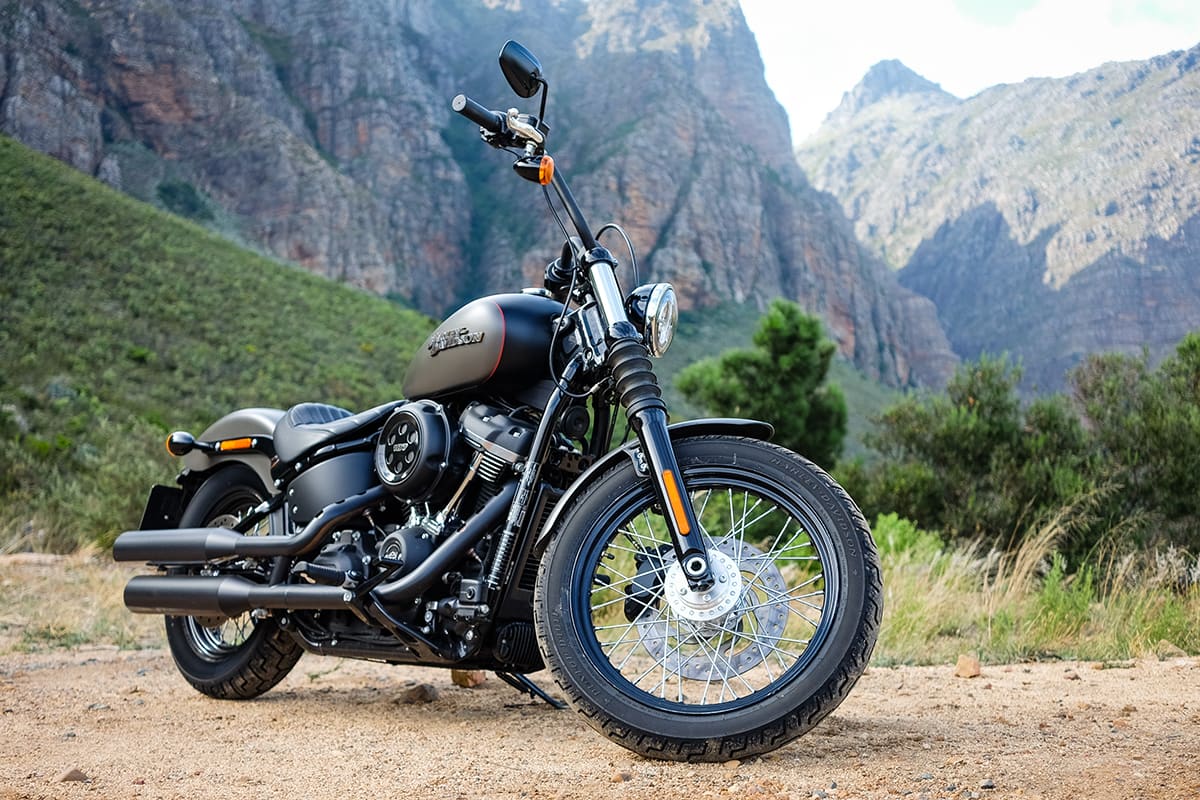
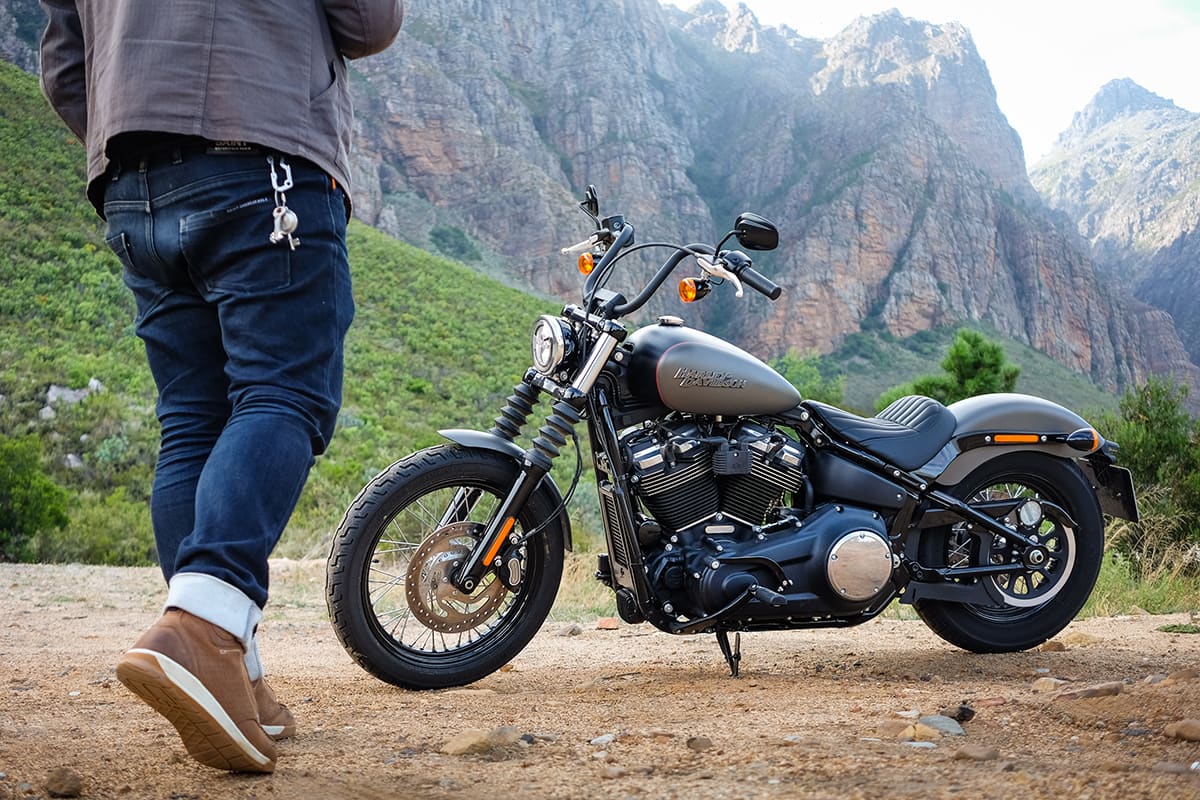
The Harley-Davidson Street Bob is indeed a Softail, specifically since the 2018 model year. This transition occurred when Harley-Davidson merged its Dyna and Softail lines into a single, redesigned Softail chassis. This move combined the classic "hardtail" aesthetic with a modern hidden mono-shock suspension, significantly improving handling and reducing weight compared to the previous Dyna platform.
The Street Bob has long been a staple in the Harley-Davidson lineup, representing a stripped-down, "no-nonsense" approach to the American cruiser. However, for many years, the identity of the Street Bob was tied to the Dyna family, known for its exposed twin rear shocks and rubber-mounted engine. In 2018, Harley-Davidson made a monumental shift in its engineering philosophy, effectively retiring the Dyna nameplate and migrating its most popular models—including the Street Bob—to an entirely new Softail frame.
As of 2026, the Street Bob (currently the FXBBS) remains a cornerstone of the Softail family. To understand why this change happened and what it means for riders today, we must look at the technical architecture, the performance benefits, and the stylistic evolution of this iconic motorcycle.
The Great Migration: From Dyna to Softail
The transition of the Street Bob from the Dyna platform to the Softail platform was one of the most controversial yet successful moves in Harley-Davidson’s modern history. Before 2018, the Dyna Street Bob (FXDB) was characterized by its visible dual rear shocks and a frame designed to allow the engine to move independently of the chassis to dampen vibrations. While this provided a classic look and a "raw" feel, it lacked the structural rigidity required for modern performance standards.
In 2018, the company introduced the "New Softail" platform. This was not just a minor update; it was a ground-up redesign. By moving the Street Bob to this new chassis, Harley-Davidson achieved several engineering goals:
- Increased Rigidity: The new Softail frame was 34% stiffer than the outgoing Dyna and Softail frames, leading to more precise handling in corners.
- Weight Reduction: The move to a single shock and a more efficient frame design shaved roughly 13 to 15 pounds off the Street Bob’s overall weight.
- Improved Engine Integration: The frame was designed specifically to house the Milwaukee-Eight engine, which is dual-counterbalanced, allowing it to be rigidly mounted to the frame for better chassis stiffness without excessive vibration reaching the rider.
Technical Architecture of the Softail Chassis
The defining characteristic of a Softail is its appearance of being a "hardtail"—a motorcycle with no rear suspension. In reality, the "Soft" in Softail refers to the hidden suspension system. On the current Street Bob, this is achieved through a high-performance mono-shock located beneath the seat.
The Hidden Mono-Shock
Unlike the old Dyna shocks that were mounted on the sides of the fender, the Softail mono-shock is tucked away. This design allows the rear swingarm to follow a triangular silhouette that mimics the rigid frames of the 1940s and 50s. However, the modern shock offers significantly better damping and preload adjustment than the old dual-shock setup. This means the 2026 Street Bob can handle potholes and uneven pavement with a level of sophistication that was previously impossible for a bobber-style bike.
Frame Geometry and Lean Angles
One of the primary benefits of the Softail frame is the improved lean angle. The Street Bob is designed for urban maneuvering and light touring. The geometry of the Softail chassis allows for a 28.5-degree lean angle on both sides, which, while not a sportbike figure, is respectable for a cruiser with mid-mount controls. The frame's design also allows for a lower center of gravity, making the bike feel much lighter than its actual curb weight when lifting it off the kickstand or navigating tight traffic.
The Heart of the Street Bob: The Milwaukee-Eight 114
By 2026, the Street Bob has firmly established the Milwaukee-Eight 114 V-Twin as its standard powertrain. This engine is a vital component of the "Softail experience." Because the Street Bob is the lightest model in the Softail lineup equipped with the 114-cubic-inch engine, it boasts a power-to-weight ratio that makes it one of the quickest "stoplight-to-stoplight" bikes in the Harley-Davidson catalog.
Performance Specifications
The Milwaukee-Eight 114 produces approximately 119 lb-ft of torque at 3,000 RPM. This low-end grunt is essential for the "bobber" riding style, which prioritizes quick acceleration over high-end top speed. The engine features four-valve cylinder heads and a dual-spark design, ensuring efficient combustion and meeting the increasingly stringent emissions standards of the mid-2020s.
Vibration Management
A common question regarding the Street Bob being a Softail is the "feel" of the engine. Dyna fans often miss the "Dyna shake"—the way the engine would dance in the frame at idle. The Softail Street Bob uses a rigidly mounted engine with internal counterbalancers. This setup eliminates about 75% of the primary vibration. While it still feels like a Harley-Davidson, the vibration is smoothed out into a "pulse" rather than a "shake," making long-distance rides significantly less fatiguing.
Comparing the Street Bob Across Generations
To understand how the Street Bob has evolved within the Softail family, it is helpful to compare the current technical specifications against its predecessor and its peers.
| Feature | Street Bob (Dyna - 2017) | Street Bob 114 (Softail - 2026) |
|---|---|---|
| Chassis Type | Dual Shock Dyna | Hidden Mono-shock Softail |
| Engine | Twin Cam 103 | Milwaukee-Eight 114 |
| Torque | 94 lb-ft | 119 lb-ft |
| Weight (As Shipped) | 639 lbs | 634 lbs |
| Lean Angle | 30 / 31 degrees | 28.5 degrees |
| Standard Controls | Mid-mount | Mid-mount |
| Standard Seating | Solo | Two-up (Passenger pillion included) |
The data shows that while the lean angle decreased slightly due to the lower profile of the Softail frame, the massive increase in torque and the slight reduction in weight have made the modern Street Bob a significantly more aggressive performer.
Design and Ergonomics: The Bobber Aesthetic
Despite the major mechanical overhaul, Harley-Davidson was careful to maintain the Street Bob's specific aesthetic. It remains a "Bobber," a style of motorcycle where everything unnecessary has been "bobbed" or removed to save weight and create a raw, minimalist look.
Mini-Ape Handlebars
The Street Bob is famous for its factory mini-ape hanger handlebars. These bars put the rider's hands in a high, "fists-in-the-wind" position. On the Softail chassis, this ergonomics profile works in tandem with the mid-mount foot controls. This "upright" seating position gives the rider a sense of command over the bike, which is ideal for city riding but can be taxing at highway speeds without a windshield.
Minimalist Instrumentation
In keeping with the Softail’s clean lines, the Street Bob features a digital instrument cluster integrated into the handlebar riser. This eliminates the need for a bulky tank-mounted console, leaving the 3.5-gallon fuel tank smooth and unobstructed. This design choice is a direct nod to the custom culture that the Street Bob represents.
Customization Potential within the Softail Platform
One reason the Street Bob is so popular as a Softail is the modularity of the frame. Unlike the older Dyna frames, which were difficult to modify without significant cutting and welding, the Softail frame is designed to be a "blank canvas."
- Exhaust and Intake: The Milwaukee-Eight engine responds exceptionally well to Stage I upgrades. Owners frequently swap the factory 2-into-2 offset shotgun exhaust for 2-into-1 systems to further enhance torque.
- Suspension Upgrades: While the stock mono-shock is capable, the Softail platform allows for easy installation of remote-adjustable shocks or even air suspension for those who want to "slam" the bike at shows.
- Forward Controls: For taller riders who find the mid-mount controls cramped, Harley-Davidson offers a forward-control conversion kit that is easily bolted onto the Softail frame.
- Passenger Accommodations: Since 2021, the Street Bob has come standard with passenger pegs and a pillion, but the Softail rear fender struts are reinforced to handle a variety of luggage racks and sissy bars.
Handling and Ride Quality
A common misconception is that because the Street Bob is a "Softail," it must be a cruiser designed only for slow, straight-line riding. On the contrary, the current Street Bob is surprisingly nimble. The front suspension uses a Dual Bending Valve (SDBV) fork technology, which provides the performance of a racing-style cartridge fork with linear damping characteristics.
In the 2026 riding landscape, the Street Bob is often seen as the "sporty" option for those who don't want the bulk of a Fat Boy or the touring-focused geometry of a Heritage Classic. The narrow 19-inch front laced wheel allows for quick turn-in, making it the weapon of choice for riders who enjoy carving through urban environments or navigating tight mountain switchbacks.
Addressing the "Dyna vs. Softail" Debate
Even in 2026, the debate continues among purists regarding whether the Street Bob "should" have stayed a Dyna. The primary argument for the Dyna was its high-speed stability and its ability to be modified into a "Club Style" performance cruiser with long-travel rear shocks.
However, the Softail platform has largely addressed these concerns. Companies like Öhlins and Legend Suspensions now offer high-performance mono-shocks for the Softail frame that provide more travel and better rebound control than the old dual-shock setups ever could. Furthermore, the Softail frame’s increased rigidity prevents the "speed wobble" that some Dyna riders experienced under heavy load or high-speed cornering.
Is the Softail Street Bob the Right Choice for You?
The Street Bob is positioned as the entry point into the Big Twin lineup for many riders. It offers the most "engine per dollar" of any Harley-Davidson model. It is best suited for:
- The Urban Commuter: Its narrow profile and mid-controls make lane filtering and tight turns easy.
- The Customizer: It is the ultimate platform for those who want to build a unique bike.
- The Minimalist: If you don't need bags, fairings, or a radio, the Street Bob provides the purest Harley-Davidson experience.
It may not be the right choice for riders who prioritize long-distance touring, as the small fuel tank requires frequent stops, and the solo-centric ergonomics can be fatiguing over 500-mile days.
FAQs
1. Is the Street Bob still a Dyna in 2026? No, the Dyna platform was officially discontinued by Harley-Davidson in late 2017. Since the 2018 model year, every Street Bob produced has been built on the Softail chassis. While you can still find Dyna Street Bobs on the used market, any new model sold at a dealership is a Softail.
2. Why does the Street Bob have mid-controls if it's a Softail? While many Softails (like the Fat Boy or Heritage Classic) use forward controls or floorboards, the Street Bob uses mid-mount controls to maintain its aggressive, "bobber" riding position. This allows the rider to use their legs to soak up bumps and provides better leverage for active handling in corners.
3. Does the Softail Street Bob have an ABS system? Yes, as of 2026, Anti-lock Braking System (ABS) is a standard or highly common option on the Street Bob. The Softail frame was designed with modern electronics in mind, allowing for a more seamless integration of the ABS modules compared to the older Dyna models.
4. How can I tell the difference between a Dyna Street Bob and a Softail Street Bob at a glance? The easiest way is to look at the rear suspension. If you see two shock absorbers on the sides of the rear fender, it is a Dyna. If the area around the rear fender is clean and the swingarm appears to be a solid piece of steel connected directly to the frame, it is a Softail. Additionally, the Softail version has a much larger, modern Milwaukee-Eight engine.
5. Can the Street Bob handle a passenger? Yes. Since the update to the 114 engine, Harley-Davidson has included a passenger pillion and footpegs as standard equipment on the Street Bob. However, due to the short rear fender and minimalist seat, most riders upgrade to a more comfortable two-up seat if they plan on carrying a passenger for long distances.
6. What is the fuel range on a Softail Street Bob? The Street Bob features a 3.5-gallon fuel tank. Given that the Milwaukee-Eight 114 averages around 43-47 mpg depending on riding style, you can expect a range of approximately 140 to 160 miles before the low-fuel light illuminates. This is one of the smaller tanks in the Softail family, reinforcing its role as a local cruiser rather than a long-haul tourer.
Final Recommendation: If you are looking for a modern motorcycle that captures the heritage of the "garage-built" bobber while providing the reliability and handling of 2026 engineering, the Street Bob 114 is an excellent choice. By embracing the Softail platform, Harley-Davidson has turned the Street Bob into a more capable, faster, and more comfortable machine without losing the raw soul that made it a legend. For the best experience, test ride the Street Bob back-to-back with a Low Rider S to see how the different ergonomics of the Softail frame suit your specific riding style.