Chimeric Antigen Receptor (CAR) T-cell therapy represents a transformative paradigm in immunotherapy, where a patient’s own T-cells are genetically engineered to express receptors that recognize and eliminate malignant cells. This review examines the technological evolution of these therapies, current clinical indicators, manufacturing requirements, and the management of toxicities associated with these advanced medicinal products as of 2026.
The Scientific Foundation of CAR T-Cell Therapy
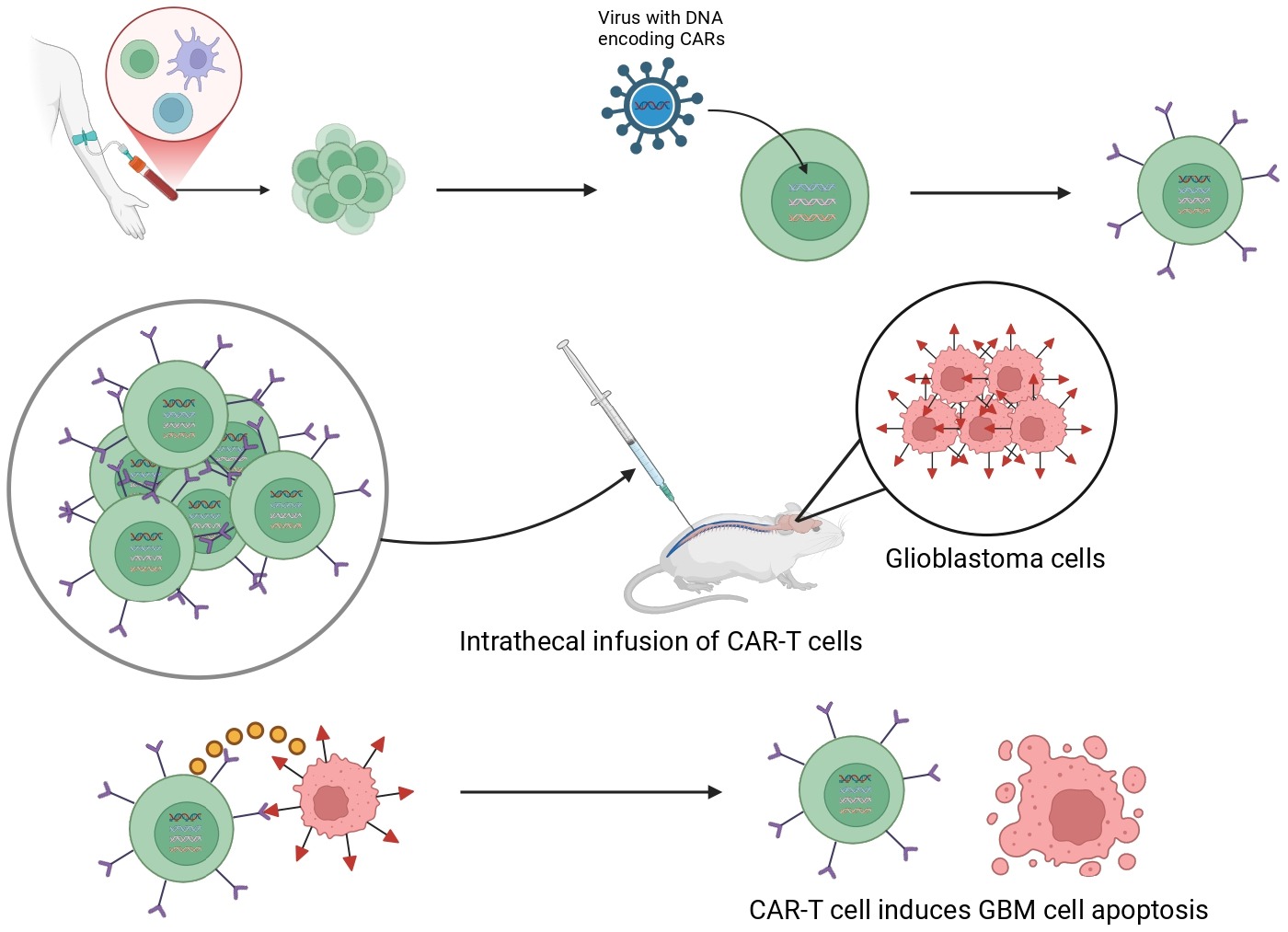
At its core, CAR T-cell therapy is a form of adoptive cell transfer. The process begins with leukapheresis, a procedure where a patient's blood is collected to isolate peripheral blood mononuclear cells (PBMCs), specifically T-cells. These cells are subsequently sent to a specialized manufacturing facility where they are modified using viral vectors (typically lentiviral or retroviral) or non-viral gene-editing technologies to express a chimeric antigen receptor on their surface.
The CAR structure itself is a synthetic construct comprising three main components: an extracellular single-chain variable fragment (scFv) derived from an antibody, which grants the T-cell the ability to recognize specific tumor-associated antigens in an MHC-independent manner; a transmembrane domain; and an intracellular signaling domain. The evolution of these receptors through multiple generations—from the first generation, which contained only the CD3-zeta signaling domain, to second and third generations incorporating co-stimulatory domains like CD28 or 4-1BB—has significantly improved the persistence and proliferative capacity of these modified cells post-infusion.
Clinical Landscape and Approved Indications
As of 2026, the clinical landscape for CAR T-cell therapy has expanded beyond the initial focus on hematologic malignancies. While the primary success stories remain concentrated in B-cell driven cancers, ongoing research and clinical trials are actively investigating applications for solid tumors and autoimmune conditions.
Primary Approved Indications
The majority of FDA and EMA-approved CAR T-cell products target the CD19 antigen, which is ubiquitously expressed on the surface of B-cells. These therapies are currently the standard of care for:
- Relapsed or Refractory (R/R) B-cell Acute Lymphoblastic Leukemia (ALL): Particularly in pediatric and young adult populations.
- Diffuse Large B-Cell Lymphoma (DLBCL): For patients who have failed at least two lines of systemic therapy.
- Multiple Myeloma: Utilizing BCMA (B-cell maturation antigen)-directed CAR T-cells, which have demonstrated significant efficacy in patients who have exhausted traditional therapeutic options.
- Follicular Lymphoma and Mantle Cell Lymphoma: Addressing specific high-risk, treatment-resistant subsets.
Manufacturing and Operational Logistics
The "vein-to-vein" process of CAR T-cell therapy is complex and time-sensitive. Unlike traditional pharmaceutical products that are mass-produced and held in inventory, CAR T-cell therapies are autologous, meaning each dose is patient-specific.
The Manufacturing Cycle
- Patient Selection and Pre-screening: Evaluating the patient’s health status, T-cell fitness, and tumor burden.
- Leukapheresis: The physical collection of the cellular starting material.
- Manufacturing: This typically involves activation, genetic transduction, and expansion in a GMP (Good Manufacturing Practice) facility, taking approximately 14 to 28 days depending on the specific product.
- Quality Control: Rigorous testing for sterility, identity, purity, potency, and safety (e.g., replication-competent retrovirus testing).
- Shipping and Cryopreservation: The final product is cryopreserved and shipped back to the clinical site in a temperature-controlled environment.
- Lymphodepletion and Infusion: Before the CAR T-cells are infused, the patient undergoes a brief course of lymphodepleting chemotherapy (usually fludarabine and cyclophosphamide) to create a "niche" in the immune system for the expansion of the infused cells.
Managing Toxicities: Cytokine Release Syndrome and Neurotoxicity
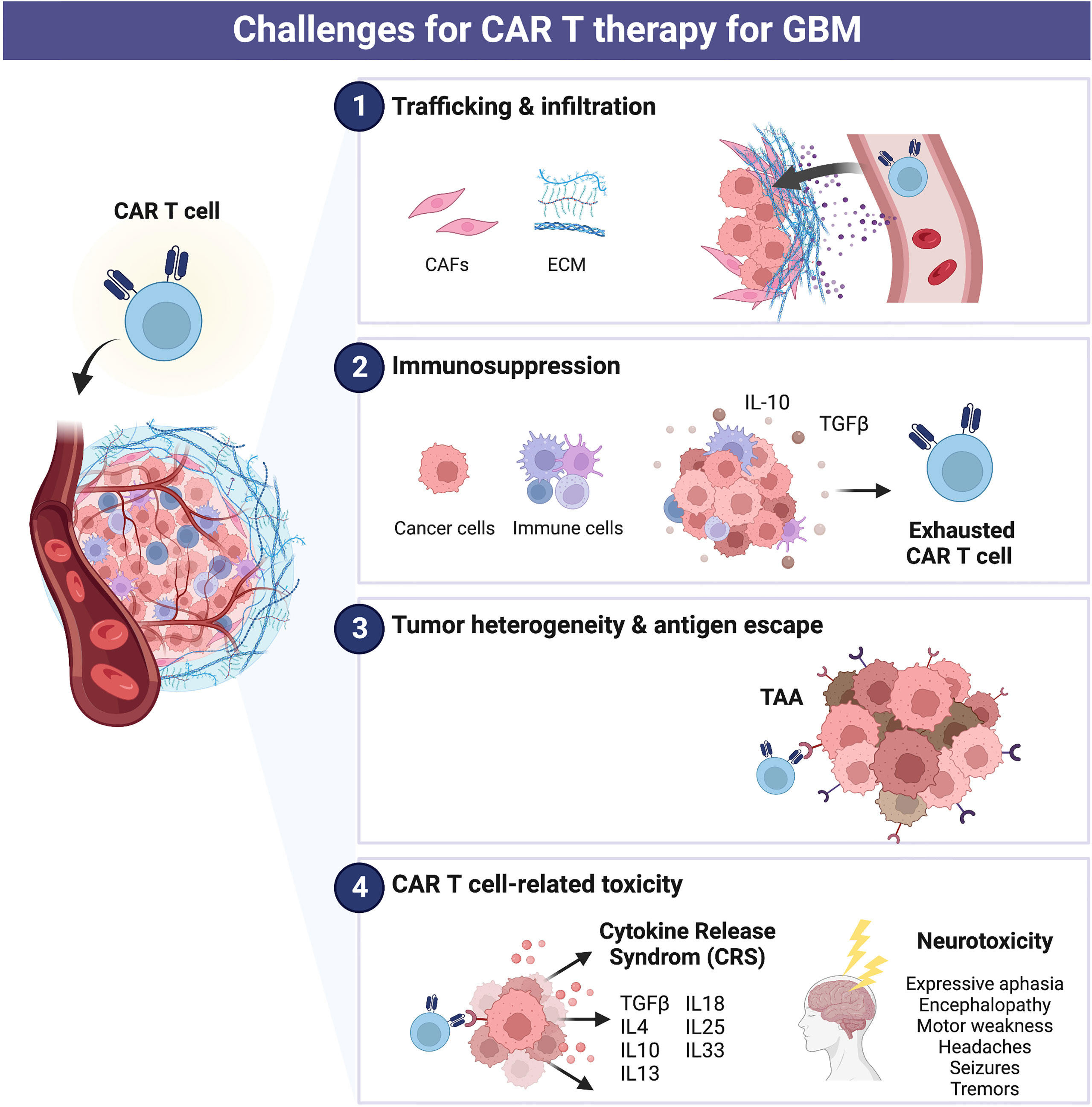
The efficacy of CAR T-cell therapy is intrinsically linked to the vigorous activation of the immune system. This, however, poses significant safety challenges, specifically Cytokine Release Syndrome (CRS) and Immune Effector Cell-Associated Neurotoxicity Syndrome (ICANS).
Cytokine Release Syndrome (CRS)
CRS is a systemic inflammatory response caused by the rapid release of cytokines (notably IL-6) following T-cell activation. Symptoms range from mild fever and malaise to life-threatening hypotension and hypoxia. Management protocols have become highly standardized by 2026, often relying on the administration of tocilizumab—an IL-6 receptor antagonist—and corticosteroids for more severe manifestations.
ICANS
Neurotoxicity presents as a spectrum of cognitive disturbances, including confusion, aphasia, tremors, and in extreme cases, seizures or cerebral edema. Unlike CRS, the pathophysiology of ICANS remains an active area of investigation. It requires careful neurological monitoring, and clinical sites must adhere to strict grading scales (such as the ASTCT consensus criteria) to determine appropriate pharmacological interventions.
Table: Comparison of Major Challenges in CAR T-Cell Administration
| Challenge | Primary Mechanism | Management Strategy |
|---|---|---|
| CRS | Excessive systemic cytokine release | Tocilizumab, supportive care, corticosteroids |
| ICANS | Endothelial activation and neuro-inflammation | Corticosteroids, ICU monitoring, anti-seizure meds |
| Manufacturing Wait | Complexity of patient-specific engineering | Bridging therapy (chemotherapy or radiation) |
| Access/Cost | High production and logistical overhead | Hospital-based value-based contracts |
Financial Considerations and Equitable Access
The cost of CAR T-cell therapy represents one of the most significant hurdles to universal adoption. With list prices often exceeding hundreds of thousands of dollars per infusion, these therapies strain healthcare budgets and private insurance models. By 2026, the industry has seen an shift toward "outcome-based" pricing models, where payments are contingent upon the patient achieving a defined clinical response. Furthermore, hospitals are increasingly investing in dedicated "CAR T-cell units" to minimize the cost of prolonged inpatient stays and improve the efficiency of managing complications.
Emerging Frontiers: Solid Tumors and Allogeneic Products
The limitation of CAR T-cell therapy in solid tumors stems from the "tumor microenvironment" (TME), which is often immunosuppressive, and the difficulty in identifying antigens that are not expressed on healthy vital tissues. Innovations in 2026 include "Armored CARs," which secrete cytokines to resist the suppressive TME, and "Dual-Targeting CARs," which require the presence of two antigens to trigger activation, thereby increasing safety.
Additionally, the development of "off-the-shelf" or allogeneic CAR T-cells—derived from healthy donor T-cells rather than the patient—is a major focus. These products have the potential to bypass the lengthy, expensive, and unpredictable autologous manufacturing cycle, effectively providing an immediate treatment option for patients who cannot wait for their own cells to be engineered.
Frequently Asked Questions
1. How long does the anti-tumor effect of CAR T-cells typically last? The persistence of CAR T-cells varies by patient and the specific construct used. In some patients, the cells can persist for years, acting as a "living drug" that provides long-term surveillance against recurrence. However, many patients experience a decline in CAR T-cell levels over time, which may correlate with disease relapse.
2. Are CAR T-cell therapies considered a "cure" for cancer? While CAR T-cell therapies have induced deep and durable remissions in patients with otherwise terminal blood cancers, it is clinically more accurate to categorize them as highly effective salvage therapies rather than guaranteed cures. Long-term follow-up is required for all patients.
3. What is "bridging therapy" and why is it necessary? Because the manufacturing process for autologous CAR T-cells can take several weeks, the patient's cancer may progress during this time. Bridging therapy refers to the use of lower-intensity chemotherapy or radiation administered during the manufacturing wait to keep the disease stable until the CAR T-cell product is ready for infusion.
4. Can patients with solid tumors receive CAR T-cell therapy? While most current commercial approvals are for hematologic malignancies, numerous clinical trials are investigating CAR T-cells for solid tumors such as glioblastoma, pancreatic cancer, and ovarian cancer. As of 2026, these remain largely investigational and should be accessed through clinical trial participation.
5. What is the difference between CD28 and 4-1BB co-stimulatory domains? These domains influence the kinetics of the T-cell. CD28-based CARs typically result in faster, more intense expansion, while 4-1BB-based CARs often favor greater persistence and long-term memory formation. These differences may lead to variations in the onset and severity of toxicities.
Recommendation for Patients and Clinicians
For patients considering CAR T-cell therapy, the primary step is a comprehensive consultation with a multidisciplinary oncology team at a specialized academic medical center. Evaluation of the patient’s "performance status" and the specific antigen expression of their malignancy is critical for determining eligibility. Clinicians should maintain strict adherence to institutional protocols for CRS and ICANS management, as early intervention is the most significant factor in patient outcomes. As the field continues to evolve in 2026, focusing on clinical trial enrollment remains the most viable path for patients with cancers currently outside the scope of standardized approved indications.