In most cases, the death benefit paid to beneficiaries from a whole life insurance policy is received income-tax-free under federal law. While this general rule applies to the vast majority of standard claims, specific financial structures, policy transfers, or changes in ownership can trigger unexpected tax liabilities, requiring careful planning and professional oversight.
Understanding the Income Tax Exclusion
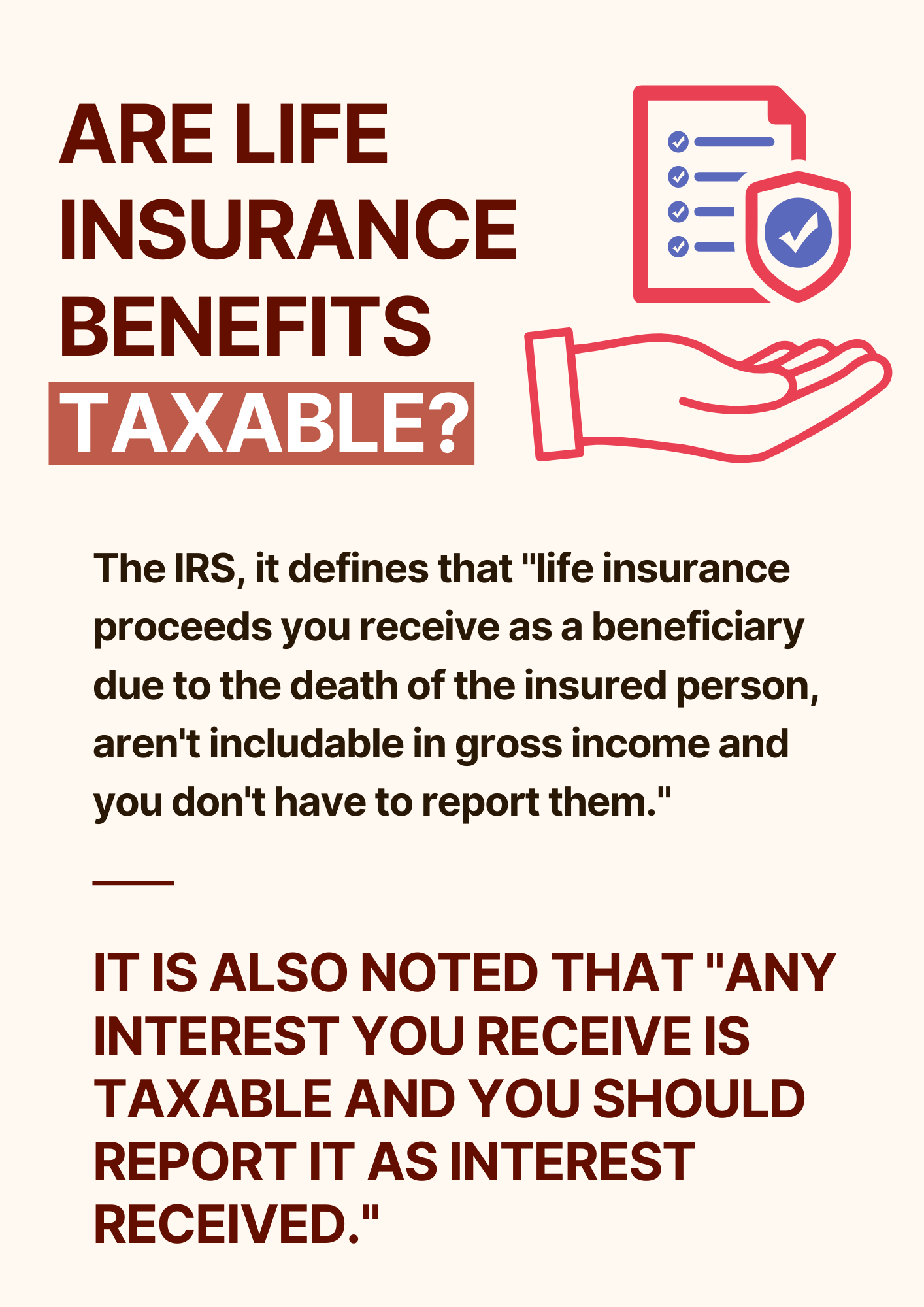
The primary tax advantage of life insurance is the exclusion of death benefits from gross income. Under Section 101(a) of the Internal Revenue Code (IRC), proceeds paid by reason of the death of the insured are generally exempt from federal income tax. This exclusion is designed to provide immediate liquidity and financial security to beneficiaries without the burden of a significant tax bill at a time of emotional and logistical transition.
This exemption applies regardless of the size of the death benefit or the total amount of premiums paid into the policy over its lifespan. However, it is essential to distinguish between the "death benefit" (the face amount of the policy) and other financial components of a whole life insurance contract, such as accumulated dividends or interest, which are treated differently under tax regulations.
The Impact of the Transfer for Value Rule
While death benefits are typically tax-exempt, the Transfer for Value Rule is a critical exception that can render the proceeds taxable. This rule applies if a life insurance policy—or an interest in a policy—is sold or transferred for "valuable consideration" (anything of financial value, such as cash or property).
If you purchase a policy from a previous owner or engage in certain business-related transfers, the death benefit may lose its tax-exempt status. In such cases, the taxable amount is generally the excess of the death benefit over the total of the purchase price and any subsequent premiums paid by the new owner. There are specific safe harbors to this rule, such as transfers to the insured, a partner of the insured, or a partnership in which the insured is a partner, but these require precise legal documentation to maintain the tax-free status.
Tax Treatment of Cash Value and Dividends
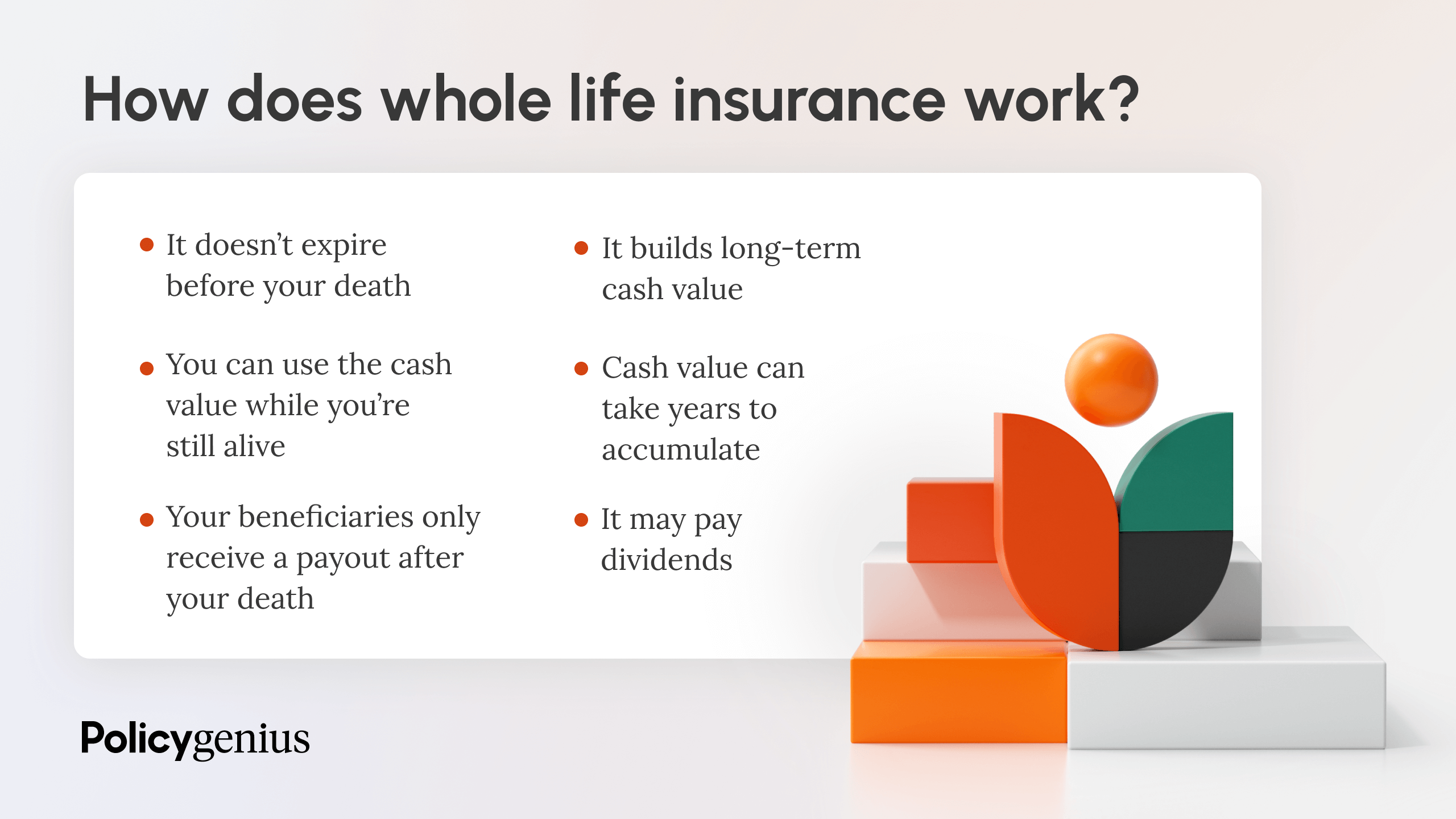
Whole life insurance differs from term insurance because it accumulates "cash value" over time. Understanding how this component interacts with the death benefit is crucial for policyholders:
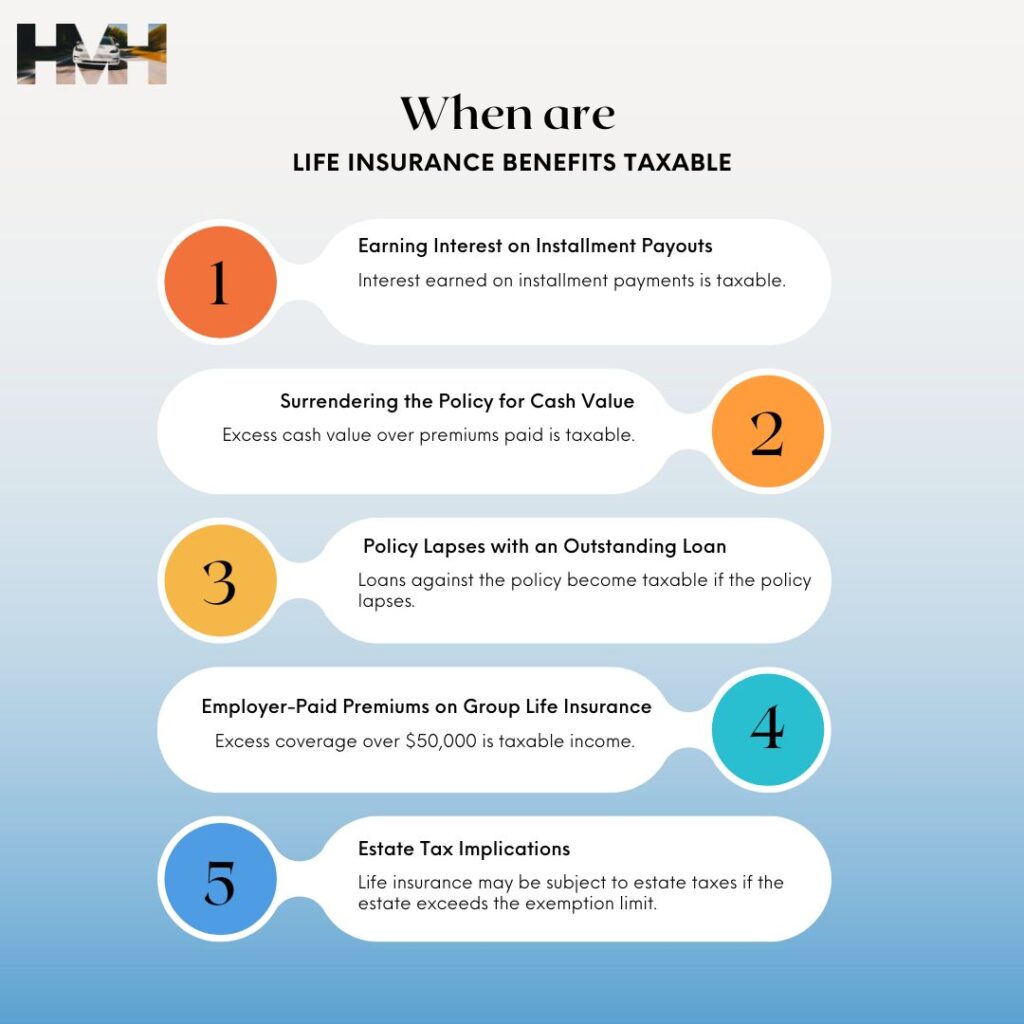
- Policy Loans: You can borrow against the cash value of your policy. These loans are generally not taxable as income, provided the policy remains in force. If the policy lapses or is surrendered while a loan is outstanding, the difference between the loan amount and the basis (total premiums paid minus dividends received) may become taxable income.
- Dividends: Insurance companies often pay dividends to policyholders. These are generally viewed by the IRS as a return of premiums rather than taxable income. Consequently, they are typically tax-free until they exceed the total premiums paid into the policy. Once dividends exceed the cost basis, the excess amount becomes taxable as ordinary income.
- Surrenders: If you choose to surrender your whole life policy for its cash value, you will likely owe income tax on any gains. The gain is calculated as the cash surrender value minus your "cost basis"—the total premiums you paid over the life of the policy, adjusted for any previous dividends or withdrawals.
Estate Tax Considerations
Even if death benefits are exempt from income tax, they are not automatically exempt from federal estate tax. If the deceased individual owned the policy—meaning they held "incidents of ownership" such as the right to change beneficiaries or borrow against the policy—the death benefit is included in the value of their gross estate.
If the total value of the estate, including the life insurance proceeds, exceeds the federal estate tax exemption threshold, the proceeds could be subject to estate taxes. To mitigate this, many high-net-worth individuals utilize an Irrevocable Life Insurance Trust (ILIT). By placing the policy into an ILIT and ensuring the trust owns the policy, the death benefit can often be kept out of the taxable estate, provided the transfer adheres to specific legal and timing requirements.
Comparison of Tax Events in Whole Life Insurance
| Event | Income Tax Status | Notes |
|---|---|---|
| Death Benefit Payout | Typically Tax-Free | IRC Section 101(a) exclusion applies. |
| Policy Loans | Tax-Free | Provided the policy stays in force. |
| Dividends | Tax-Free (usually) | Treated as return of premium until basis is exceeded. |
| Policy Surrender | Taxable on Gains | Taxed on cash value minus cost basis. |
| Transfer for Value | Potentially Taxable | Benefits may lose exclusion if sold for value. |
Practical Steps for Policyholders
To ensure your beneficiaries receive the full, tax-free intended benefit, consider the following actions:
- Maintain Accurate Records: Keep a comprehensive log of all premium payments, dividends received, and any loans taken against the policy. Your "cost basis" is the cornerstone of determining tax liability in the event of a surrender or lapse.
- Review Ownership Structure: If you are concerned about estate taxes, consult with a qualified estate planning attorney to discuss whether an ILIT or other trust structures are appropriate for your specific financial situation.
- Coordinate with Beneficiaries: Ensure your beneficiaries understand the nature of the policy. In the event of a claim, they will need the necessary documentation from the insurance company to process the death benefit correctly.
- Monitor Policy Performance: If you have an older policy, periodically request an in-force illustration from your insurance carrier. This document provides a snapshot of current cash values, projected performance, and potential tax implications of future actions.
Frequently Asked Questions
Does a beneficiary have to report life insurance proceeds on their tax return? Generally, no. Since the death benefit is usually exempt from federal income tax, it does not need to be reported as income on your IRS Form 1040. However, if the insurance company pays interest on the death benefit (e.g., if the payout is delayed), the interest portion is taxable and will be reported on a Form 1099-INT.
What happens if I name my estate as the beneficiary? Naming your estate as the beneficiary can increase your taxable estate, potentially triggering estate taxes that could have been avoided. Additionally, proceeds paid to an estate may become subject to the claims of creditors during the probate process, potentially reducing the amount received by your heirs.
Are there state-level taxes on life insurance proceeds? While the federal government offers broad exemptions, some states have their own inheritance or estate taxes. Although most states do not tax life insurance death benefits as income, you should consult with a tax professional in your state of residence to confirm if any local laws apply to your specific situation.
How is the "cost basis" calculated for a policy that has been in force for decades? Your cost basis is essentially the total premiums paid. You subtract any dividends received (which are treated as a return of premium) from the total premiums paid to arrive at the adjusted basis. If you have any doubts, request a "cost basis report" from your insurance carrier; most major companies can provide this data upon request.
Can I move my policy into a trust without triggering the Transfer for Value rule? Yes, transferring a policy into an Irrevocable Life Insurance Trust is generally not considered a "transfer for value" because there is no exchange of money or assets for the policy. However, this is a sophisticated legal move that requires precise adherence to tax law to ensure it does not inadvertently trigger the "three-year rule," which would pull the proceeds back into your taxable estate if you die within three years of the transfer.
Final Recommendation
The tax treatment of whole life insurance is highly beneficial but depends on adhering to specific guidelines. To protect your financial legacy, document your cost basis thoroughly and periodically review your policy ownership and beneficiary designations. Because tax laws can be subject to jurisdictional variations and individual financial circumstances, work with a certified financial planner or tax attorney to review your specific contract before making decisions that involve surrendering a policy, changing ownership, or moving a policy into a trust.