A meteorologist is a specialized scientist who studies the atmosphere and its phenomena to understand and predict weather patterns and climate trends. Using advanced mathematical models, satellite data, and physical principles, they analyze atmospheric conditions to provide critical forecasts for public safety, commercial industry, and environmental research.
Meteorology is often misunderstood as a field limited to television broadcasting. In reality, it is a rigorous branch of atmospheric science that integrates physics, chemistry, and fluid dynamics. As of 2026, the profession has evolved significantly, incorporating high-level machine learning and hyper-local data assimilation to address the increasing complexity of global weather patterns. Whether working in a research laboratory, a government agency, or a private-sector risk management firm, a meteorologist’s primary objective is to decode the chaotic nature of the atmosphere into actionable intelligence.
The Core Functions of a Meteorologist
The daily responsibilities of a meteorologist vary depending on their specialization, but several core functions define the profession across all sectors. At its heart, the role is about data interpretation and risk communication.
Data Acquisition and Atmospheric Monitoring
Meteorologists rely on a vast global network of sensors. This includes land-based weather stations, ocean buoys, weather balloons (radiosondes), and sophisticated radar systems. In 2026, the use of automated drone swarms and high-resolution satellite imagery has become standard for monitoring "mesoscale" events—smaller-scale phenomena like thunderstorms or localized wind shifts.
The meteorologist must ensure the integrity of this data. They monitor real-time feeds to identify anomalies that might suggest instrument failure or, more importantly, the early development of severe weather that computer models might have missed. This constant vigilance is the first line of defense in disaster mitigation.
Numerical Weather Prediction (NWP) Analysis
Modern forecasting is not done by "looking out the window." It involves the use of Numerical Weather Prediction (NWP) models. Meteorologists use supercomputers to run complex equations that simulate the atmosphere's future state.
A meteorologist's value lies in their ability to interpret these models. Different models (such as the GFS, ECMWF, or the HRRR) often provide conflicting solutions. The meteorologist must apply their knowledge of atmospheric dynamics to determine which model is handling the current air mass most accurately. They analyze "ensemble forecasts"—multiple runs of a model with slight variations—to determine the probability of specific outcomes, such as the exact landfall of a hurricane or the accumulation of snow in a metropolitan area.
Impact-Based Communication
A significant shift in the mid-2020s has been the move toward impact-based forecasting. Instead of merely stating that there will be "two inches of rain," meteorologists now focus on what that rain will do. This involves describing potential flooding in specific neighborhoods, impacts on ground transportation, or risks to power grids.
Educational and Technical Requirements
Entering the field of meteorology requires a heavy emphasis on STEM (Science, Technology, Engineering, and Mathematics). It is one of the most mathematically intensive of the earth sciences.
Academic Prerequisites
A Bachelor’s degree in Meteorology or Atmospheric Science is the absolute minimum requirement for entry-level positions. Most curricula are designed to meet the standards set by the World Meteorological Organization (WMO) and the American Meteorological Society (AMS).
Key coursework includes:
- Dynamic Meteorology: The study of the physics governing atmospheric motion.
- Thermodynamics: How heat and energy transfer affect cloud formation and storm intensity.
- Synoptic Meteorology: The analysis of large-scale weather systems like high-pressure cells and fronts.
- Calculus-based Physics: Usually requiring at least three semesters of calculus and differential equations.
- Climatology: The study of long-term atmospheric patterns and climate change.
For research positions or senior roles within government agencies like the National Oceanic and Atmospheric Administration (NOAA), a Master’s or Ph.D. is often required.
Technical Proficiency in 2026
In the current professional landscape, a meteorologist must be as much a data scientist as a physical scientist. Proficiency in programming languages like Python, R, and C++ is essential for data processing and model customization. Furthermore, Geographic Information Systems (GIS) software is used extensively to map weather impacts against infrastructure and population centers.
Specializations Within the Field
The term "meteorologist" is a broad umbrella. The specific job description changes drastically depending on the chosen career track.
1. Operational Meteorologists
Operational meteorologists are the "boots on the ground" forecasters. They typically work for government agencies (such as the National Weather Service) or private forecasting companies. Their primary task is to issue short-term and medium-term forecasts and weather warnings. This role often involves shift work, including nights, weekends, and holidays, as the weather never stops.
2. Broadcast Meteorologists
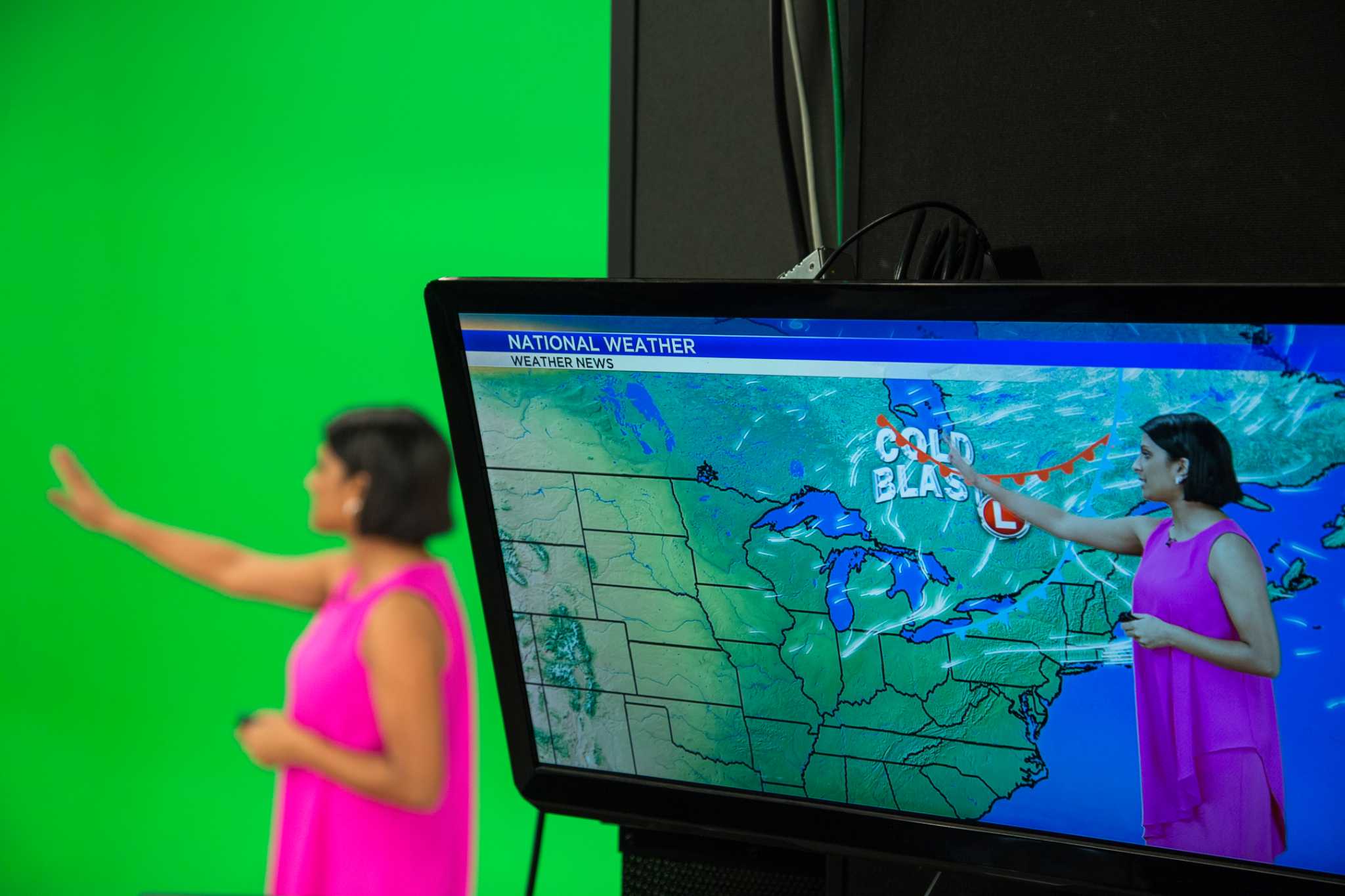
These are the most visible members of the profession. While they perform scientific analysis, their primary role is to communicate weather information to the general public via television, radio, or digital platforms. In 2026, broadcast meteorologists also serve as "climate communicators," explaining how broader climate trends are influencing daily weather events in their local markets.
3. Research Meteorologists
Research meteorologists work in laboratories and universities. They study specific phenomena, such as the internal dynamics of tornadoes or the chemical composition of the ozone layer. Their work often involves developing new atmospheric models or improving the algorithms used in weather radar.
4. Forensic Meteorologists
Forensic meteorologists act as consultants in legal cases. They reconstruct past weather events to determine if weather played a role in an accident, a structural failure, or an insurance claim. This requires meticulous record-keeping and the ability to provide expert testimony in court.
5. Private Sector and Consulting Meteorologists
This is the fastest-growing segment of the industry. Companies in energy, agriculture, aviation, and logistics hire meteorologists to manage weather-related risks. For example, an energy company may use a meteorologist to predict wind speeds for wind farms or heatwaves that will spike electricity demand.
| Meteorologist Type | Primary Employer | Key Responsibility | Required Education |
|---|---|---|---|
| Operational | Government (NWS/NOAA) | Public safety & warnings | B.S. in Atmospheric Science |
| Broadcast | Media Outlets | Public communication | B.S. + Communication skills |
| Research | Universities/NASA | Developing new models | M.S. or Ph.D. |
| Forensic | Legal/Insurance Firms | Reconstructing past events | B.S. + Experience |
| Private Sector | Energy/Aviation/Agri | Risk management & ROI | B.S. or M.S. |
The Work Environment: What to Expect
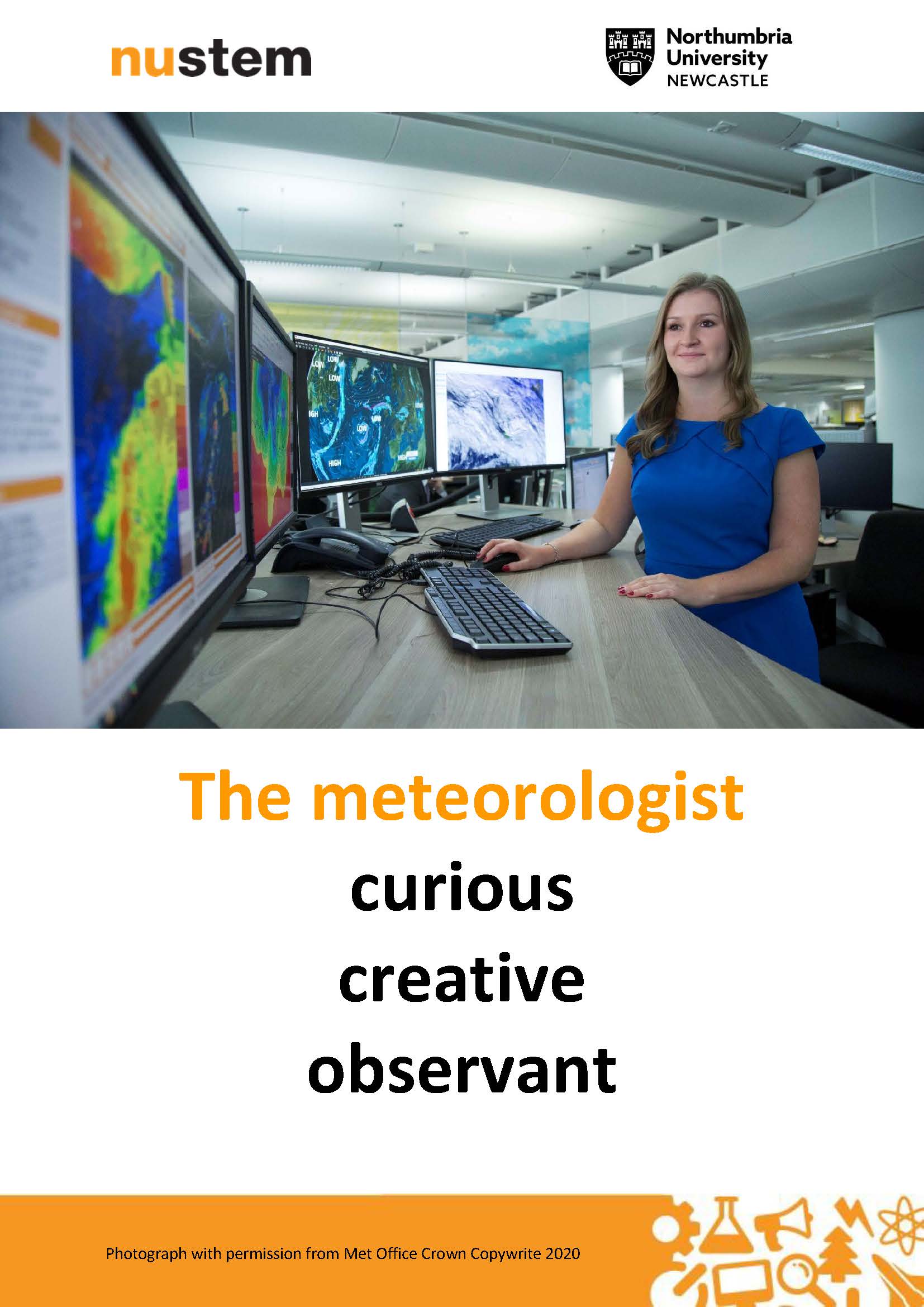
The work environment for a meteorologist is generally office-based, though "the office" is often a high-tech operations center filled with multiple monitors displaying satellite loops and model data.
Remote Work and Fieldwork
While many meteorologists work in centralized hubs, 2026 has seen an increase in remote operational roles facilitated by cloud-based processing. However, some meteorologists engage in fieldwork. This might include storm chasing for research purposes, deploying instruments in the path of a hurricane, or working at remote research stations in the Arctic or Antarctic.
Physical and Mental Demands
The job can be high-pressure, especially during severe weather outbreaks. Operational meteorologists must make split-second decisions regarding tornado warnings or aviation advisories that directly affect human life. The 24/7 nature of the atmosphere also means that many in the field work rotating shifts, which can be taxing on one's sleep schedule and personal life.
The Evolution of the Role: Meteorology in 2026
The year 2026 marks a turning point where Artificial Intelligence (AI) and Machine Learning (ML) have fully integrated into the meteorologist's workflow.
AI-Assisted Forecasting
AI is not replacing meteorologists; rather, it is acting as a "force multiplier." Machine learning algorithms can process trillions of data points from IoT (Internet of Things) devices—such as sensors in cars or smartphones—to create hyper-local forecasts. The meteorologist’s role has shifted toward "human-in-the-loop" verification, where the scientist audits the AI's output for physical consistency.
Climate Adaptation and Resilience
As the frequency of extreme weather events increases, meteorologists are increasingly involved in urban planning and climate resilience. They work with civil engineers to determine how high a sea wall should be or how much heat a new power grid must be able to withstand. This "applied meteorology" is critical for the economic stability of coastal and drought-prone regions.
Salary and Career Outlook
As of 2026, the demand for meteorologists remains steady, with significant growth in the private sector. According to the U.S. Bureau of Labor Statistics, the median annual wage for atmospheric scientists has seen a consistent upward trend, particularly for those with data science and programming skills.
- Entry-Level (Government/Small Market TV): $55,000 – $70,000
- Mid-Career (Private Consulting/Senior NWS): $95,000 – $130,000
- Senior/Specialized (Research Leads/Major Market TV): $150,000+
Advancement in the field often requires moving into management, specialized research roles, or high-stakes private consulting. Certification from organizations like the AMS (Certified Consulting Meteorologist or Certified Broadcast Meteorologist) can also enhance career prospects and earning potential.
Common Myths vs. Reality
Myth: Meteorologists get paid to be wrong 50% of the time. Reality: Modern 24-hour forecasts are accurate over 90% of the time. The complexity of "chaos theory" in the atmosphere means that 100% accuracy is physically impossible, but the level of precision in 2026 is higher than ever before.
Myth: You have to be on TV to be a meteorologist. Reality: Less than 10% of meteorologists work in broadcasting. The vast majority work in science, data analysis, and emergency management.
Myth: Computers do all the work now. Reality: Computers are excellent at calculation but poor at context. A meteorologist understands "local effects"—how a specific mountain range or lake affects wind—that global models often fail to capture accurately.
Frequently Asked Questions
What is the difference between a meteorologist and a weather presenter?
A meteorologist is a scientist with a degree in atmospheric science who performs their own analysis. A weather presenter may or may not have a scientific background and often presents data provided by a third-party service. In 2026, most major networks require their on-air talent to be certified meteorologists.
Do meteorologists need to be good at math?
Yes, math is the language of the atmosphere. Meteorologists must understand calculus, linear algebra, and statistics to interpret how air masses move and interact. If you are pursuing this career, a strong foundation in high school and college-level mathematics is non-negotiable.
Is meteorology a good career for the future?
With the increasing impact of climate change and the need for precision weather data in the green energy sector (wind and solar), meteorology is a vital and growing field. The integration of AI has made the job more focused on high-level analysis rather than manual data entry.
Can a meteorologist work in the military?
Absolutely. Every branch of the military requires meteorologists (often called Weather Officers or AGs in the Navy) to ensure the safety of flight operations, naval movements, and ground troop deployments. Military meteorology is a specialized field that often involves highly classified data.
What software do meteorologists use?
Most operational meteorologists in the U.S. use AWIPS (Advanced Weather Interactive Processing System). In the private sector, tools like GRLevelX for radar, various GIS platforms, and custom Python dashboards are standard.
Next Steps for Aspiring Meteorologists
If you are interested in becoming a meteorologist, the first step is to focus on your science and math education.
- Strengthen Math Skills: Prioritize Calculus and Physics in high school or early college.
- Explore Programming: Learn Python, as it is the industry standard for atmospheric data analysis in 2026.
- Find a Mentorship: Reach out to local NWS offices or broadcast meteorologists. Many are willing to offer "job shadowing" opportunities.
- Join Professional Societies: Become a student member of the American Meteorological Society (AMS) or the National Weather Association (NWA) to network and stay updated on the latest research.