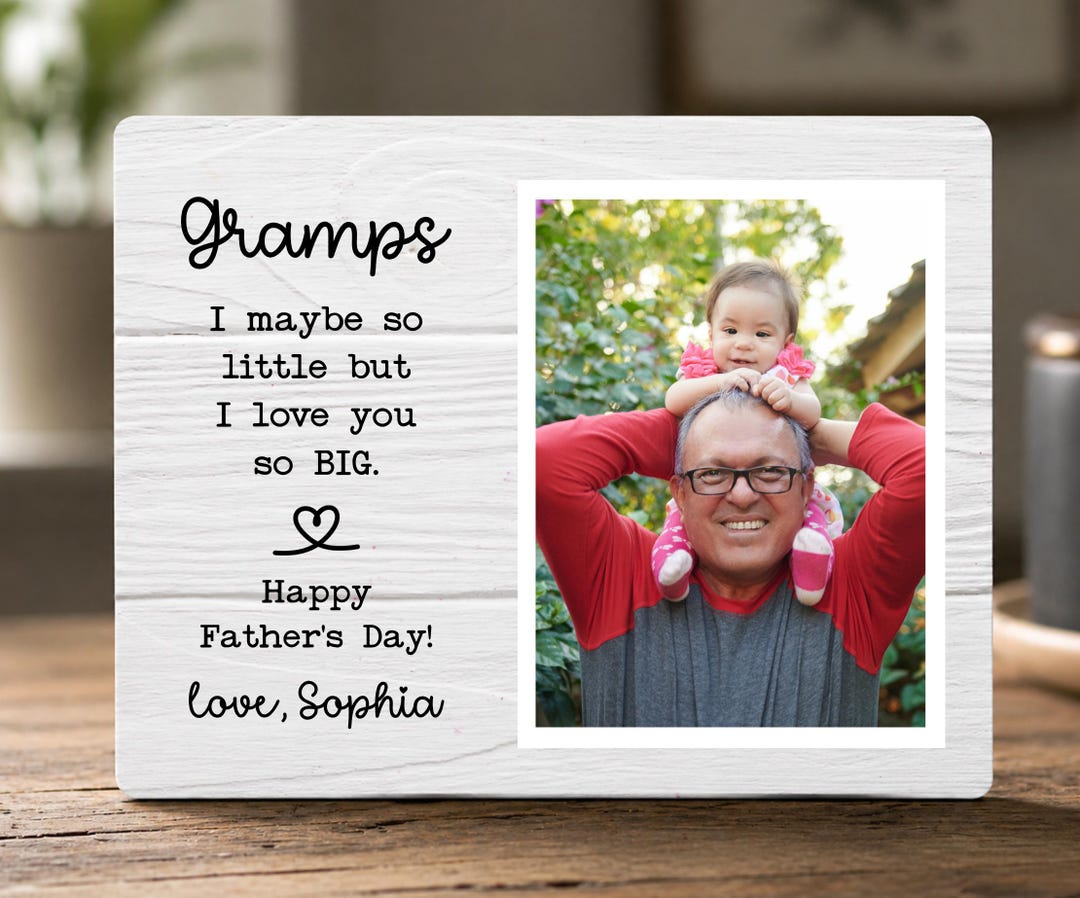
Selecting a gramps gift worth giving requires moving beyond novelty items to focus on connection, utility, and shared history. The best gifts for a grandfather in 2026 are those that facilitate storytelling, improve daily comfort, or allow for high-quality time spent together, ensuring the gesture remains both memorable and deeply appreciated.
The Psychology of Meaningful Gifting for Grandfathers
When searching for the right gift, it is helpful to categorize needs into three distinct buckets: legacy, convenience, and experiential connection. Many grandfathers reach a stage in life where "things" occupy space without adding value. Therefore, the most successful gifts often serve to bridge the gap between generations.
Legacy-focused gifts are those that capture oral history or organize family archives. In 2026, technology has made it significantly easier to digitize old photographs or record long-form interviews. Convenience-focused gifts address the subtle physical shifts that occur with aging, prioritizing ergonomics and ease of use. Experiential gifts focus on the removal of barriers to interaction, such as providing transportation to events or purchasing subscription services that allow for shared hobbies.
Categories of High-Value Gifts
To choose a gift that resonates, consider the specific lifestyle profile of your grandfather. Below is a framework for evaluating potential gift categories based on their functional and emotional output.
1. Legacy and Memory Preservation
These gifts are often the most prized because they acknowledge his identity as a patriarch and a storyteller.
- Guided Journals: Books with pre-written prompts allow him to chronicle his childhood, career, and life lessons.
- Digitization Services: Professional services that convert VHS tapes, 8mm film, or physical prints into cloud-accessible formats.
- Family History Charts: High-quality, printed genealogical maps that require research and collaboration, turning the search for ancestry into a joint project.
2. Enhancing Daily Comfort and Accessibility
As of 2026, adaptive technology has become both more discreet and more effective. If the goal is to improve his quality of life, focus on items that remove friction from his day-to-day routine.
- Adaptive Apparel: Clothing featuring magnetic closures rather than buttons or zippers can be a game-changer for those with limited dexterity.
- Smart Home Integration: Simple voice-activated assistants can help manage lighting, thermostat settings, or emergency alerts without the need for complex smartphone navigation.
- Ergonomic Support: High-density memory foam seating or specialized orthopedic supports for reading or television viewing.
3. Shared Experiences
Material items eventually fade, but time remains the most valuable commodity.
- Membership Subscriptions: Digital access to museums, historical societies, or specialized streaming services focused on his interests.
- Class or Workshop Enrollment: A local course in woodworking, local history, or technology that encourages him to step out of his environment and learn a new skill.
- Service Vouchers: Instead of a physical product, provide a high-value service such as a professional lawn care package, a quarterly home maintenance visit, or a subscription to a meal prep delivery service that focuses on healthy, easy-to-heat options.
Comparative Analysis of Gift Types
| Gift Category | Primary Benefit | Durability | Effort Level |
|---|---|---|---|
| Legacy Journals | Emotional Connection | Permanent | High (on his part) |
| Digitization | Archival Value | Permanent | Low |
| Adaptive Tech | Daily Utility | Medium | Low |
| Shared Experience | Interpersonal Bonding | Temporary | Moderate |
Addressing Common Gifting Mistakes
A common pitfall is purchasing technology that the recipient does not desire to learn. Before investing in a high-tech solution, ensure the device is "locked down" to the necessary features to prevent frustration. Another mistake is the "clutter gift"—knick-knacks or personalized items that have no utility and eventually end up in a storage box.
When in doubt, prioritize the "consumable" or the "service." A high-quality consumable (such as a rare coffee blend, a specialty tea, or a gourmet food item) provides joy without creating long-term clutter. Similarly, a service, such as a professional cleaning or a digital file organization project, adds value by removing a task from his to-do list.
Evaluating Potential Tech Gifts
In 2026, many older adults are comfortable with tablets and simplified smart interfaces. However, the hardware is only as good as the software ecosystem around it. If purchasing a tablet, ensure it is configured with a restricted interface that prevents accidental software updates or unwanted notifications. Focus on devices with larger screens and high-contrast settings. If the gift involves an application, test it personally to ensure the font size can be adjusted and the navigation is intuitive without requiring a manual.
The Role of Personalization
Personalization should go beyond simply engraving a name on a pocket knife. True personalization involves referencing a specific shared memory or a long-standing interest. If he was a lifelong fisherman, a high-quality, weather-resistant outdoor jacket or a subscription to a niche maritime magazine is more meaningful than a generic "World's Best Gramps" coffee mug. The research required to identify these niche interests demonstrates that the gift-giver has paid attention to his life, which is often the most significant part of the gift.
Frequently Asked Questions
What if he says he does not want anything? This is a common response often driven by a lack of perceived need. Frame the gift as a "facilitator" for something you want to do together. Instead of "I bought you a gift," try, "I’d love to record your life stories so we have them for the family; I’ve picked up this journal to help us get started." This turns the gift into a shared activity.
Is digital media still the best way to share family photos? While digital frames are popular, many grandfathers still appreciate a physical, high-quality photobook. The "tactile" experience of turning physical pages remains highly valued in 2026. If you go the digital route, use frames that can be updated remotely via email or an app, so he does not have to manage the file transfers himself.
How do I determine if a service is appropriate? Consider his current mobility and routine. If he is independent, a service that brings a new experience to him—like a high-end food subscription—works well. If he expresses frustration with home maintenance, a service-based gift (like a professional house painter or a handyman service) is both practical and thoughtful.
What is the best way to handle gift budgets? Transparency is key. If you are part of a larger family, consider pooling resources to purchase one high-quality, impactful item rather than several smaller, disposable ones. A high-quality tool or a professionally commissioned portrait is often more appreciated than a collection of minor items.
Final Recommendation: The "Activity-First" Strategy
The most effective way to ensure your gramps gift is worth giving is to link the item to a future interaction. If you buy a journal, schedule a monthly lunch to discuss his progress. If you buy a projector for old home movies, organize a family screening night. The material item acts as the catalyst, but the ongoing relationship is the true value.
In 2026, as family dynamics evolve and digital distances can feel vast, prioritizing gifts that demand or invite presence will consistently yield the highest satisfaction for both the giver and the recipient. Evaluate your grandfather’s current routine, identify one friction point or one area where he expresses nostalgia, and select a solution that requires you to be part of the process.