A high-quality war game is worth the effort because it offers a level of intellectual engagement, historical immersion, and systemic depth that lighter games cannot replicate. While the steep learning curve and time commitment are significant, the resulting mastery of complex mechanics and historical dilemmas provides a unique, long-term cognitive reward.
The Philosophical Core of High-Effort Wargaming
To understand why a good war game is worth the effort, one must first define what constitutes "the effort." In the context of conflict simulations—whether tabletop hex-and-counter games, miniature-based battles, or complex digital simulations—effort is measured in the hours spent internalizing rulebooks, the physical space required for setup, and the mental energy expended on long-term strategic planning.
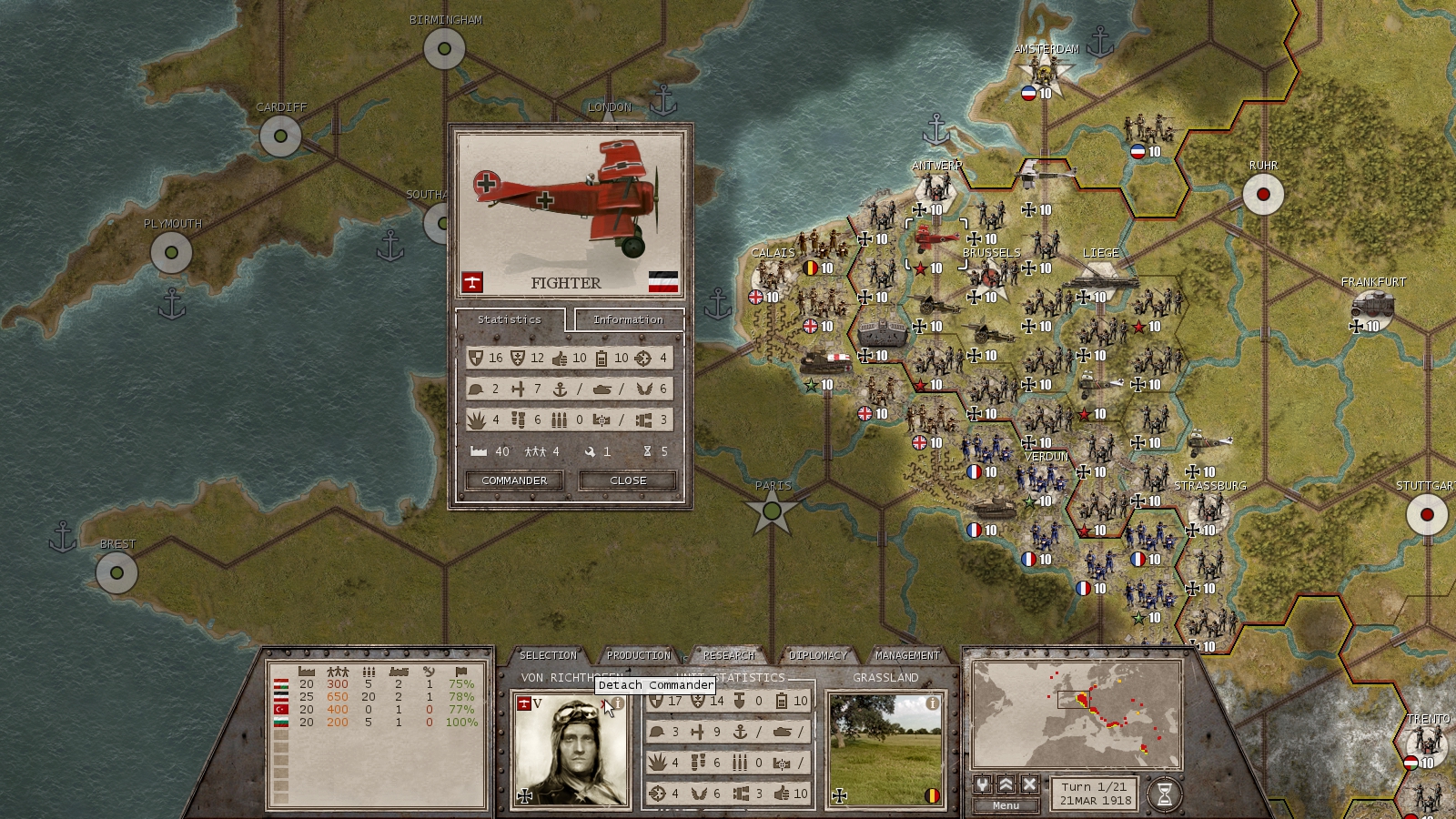
By 2026, the hobby has branched into two distinct paths: hyper-accessible "war-themed" games and true wargames. The latter category often requires players to act as commander, logistics officer, and even historian. This investment is not a barrier to be suffered; it is the price of admission for an experience that mimics the "friction" of real-world command. When a player finally masters the supply line mechanics in a game like Gary Grigsby’s War in the East 2 or the complex line-of-sight rules in Advanced Squad Leader, they are not just playing a game—they are engaging with a functional model of reality.
The value of this effort lies in the "aha!" moment. This occurs when the disparate systems—weather, morale, terrain, and attrition—converge to produce a historical outcome or a surprising tactical reversal. This level of emergent storytelling is rarely found in games that prioritize ease of entry over systemic fidelity.
The Cognitive Rewards of Complexity
Wargaming is often described as a "lifestyle hobby." This is because the mental demands of a good war game extend far beyond the time spent at the table or computer. The "worth" of the effort manifests in several cognitive domains:
Systems Thinking and Problem Solving
Wargames are essentially giant, interconnected puzzles. Unlike a standard puzzle with one solution, a wargame presents a dynamic environment where the "pieces" (units) react to the player's decisions. Navigating these systems requires high-level systems thinking. A player must understand how a tactical decision in one sector—such as committing a reserve battalion—will impact the operational logistics three turns later.
Historical Empathy and Insight
Reading a history book provides a narrative of what happened; playing a good war game provides an insight into why it happened. When a player struggles with the same constraints as a historical commander—such as the vast distances of the North African desert or the claustrophobic hedgerows of Normandy—they gain a form of "historical empathy." The effort spent learning the rules allows the player to step into the boots of those who made the actual decisions, transforming dry facts into visceral challenges.
Decision-Making Under Uncertainty
Most high-level wargames utilize a "Fog of War" mechanic. This forces players to make critical decisions with incomplete information. In 2026, digital wargames have refined these mechanics using sophisticated AI, while tabletop games use hidden movement and "blind" setups. The effort to manage this uncertainty builds mental resilience and improves real-world decision-making by training the brain to weigh probabilities and plan for contingencies.
The Anatomy of the Learning Curve
The primary reason people hesitate to enter the world of wargaming is the perceived "wall of rules." However, the design trends of 2026 have made this effort more manageable through modularity and better pedagogy. A good war game is worth the effort because modern designs often include "on-ramp" scenarios.
For example, many current titles utilize a "Programmed Instruction" method. Instead of reading a 100-page manual, the player reads five pages and plays a small scenario. Then they read five more pages to add artillery, then another five for air support. This incremental approach respects the player's time while still building toward a complex, rewarding whole.
The "effort" is also mitigated by the community. In the current 2026 landscape, online forums, Discord servers, and YouTube tutorials provide a decentralized support network for every major title. No player has to tackle a 7.0 complexity-rated game alone. This social aspect adds another layer of value to the hobby, connecting enthusiasts across the globe over shared intellectual challenges.
Comparing Wargame Categories and Their "Effort-to-Reward" Ratio
To determine where to invest your effort, it is helpful to categorize games by their scope and complexity. The following table provides a snapshot of common wargaming tiers as they stand in 2026.
| Category | Typical Subject | Complexity (1-10) | Average Playtime | Primary "Effort" Source |
|---|---|---|---|---|
| Tactical | Individual squads, tanks, or platoons | 4–9 | 1–3 Hours | Micro-management, LoS rules |
| Operational | Divisions and Corps across a front | 6–10 | 10–50+ Hours | Logistics, supply lines, attrition |
| Strategic | Entire nations and global theaters | 5–8 | 5–20 Hours | Political/Economic subsystems |
| Block Wargames | Hidden units, varying scales | 3–6 | 2–4 Hours | Fog of war management |
| Modern Digital Sim | Current/Near-future tech | 8–10 | 2–10 Hours | Technical specs, sensor physics |
The Role of Physicality in the Tabletop Experience
In an increasingly digital world, the effort required to maintain a physical wargaming hobby is substantial. It requires dedicated space (the "war room"), time for assembly and painting (for miniatures), and the physical presence of an opponent. Despite these hurdles, the tabletop experience remains a cornerstone of the hobby in 2026.
The tactile nature of moving a wooden block or a die-cut counter across a well-rendered map provides a spatial awareness that digital screens often fail to capture. There is a psychological weight to seeing your forces physically surrounded on a map. Furthermore, the "social contract" of a face-to-face wargame—where two people agree to spend six hours navigating a complex historical simulation together—creates a bond that is rarely matched in casual gaming. This human connection is perhaps the most significant reason why a good war game is worth the effort.
Trends in 2026: AI and Accessibility
As we move through 2026, several technological developments have enhanced the "worth" of wargaming by reducing the "friction" of the effort:
- AI Rule Assistants: Many board games now come with companion apps that use natural language processing to answer rule queries instantly. This eliminates the "rulebook flip" that can kill the momentum of a game.
- Digital-Physical Hybrids: Some games use AR (Augmented Reality) glasses to project movement ranges and line-of-sight onto physical boards, automating the "grunt work" of the simulation while keeping the tactile experience.
- Better Solo Support: Recognizing that finding an opponent for a 20-hour game is difficult, designers have focused heavily on "Bot" systems (non-player factions governed by flowcharts). These have become incredibly sophisticated by 2026, making solo wargaming a primary way to enjoy the hobby.
Overcoming the "Fiddliness" Factor
A common critique of wargames is that they are "fiddly"—requiring constant tracking of minor details like fuel points, ammunition, and step losses. While this can be exhausting, a "good" war game ensures that every point tracked serves a narrative or strategic purpose.
The effort becomes worth it when these details stop feeling like chores and start feeling like levers of power. When you realize that the reason your tank offensive failed was not "bad luck" with dice, but a failure to track the mud levels in the preceding turn, you have achieved a level of mastery that most games never demand. This transition from "fighting the rules" to "fighting the opponent" is the hallmark of a quality wargame.
Frequently Asked Questions
What is the best way to start if I'm intimidated by complex rules?
Begin with "Gateway" wargames. Titles like Undaunted: Normandy or Twilight Struggle offer deep strategic experiences with relatively low overhead. These games teach the fundamental concepts of wargaming—such as zone of control, action economy, and card-driven mechanics—without requiring a 40-page manual.
Are digital wargames better than physical ones for beginners?
Digital wargames are often better for learning mechanics because the software enforces the rules. You cannot make an illegal move, and the computer handles all the complex math (like combat result tables). However, the physical version of the same game often leads to a deeper understanding of the logic behind the rules, as you must perform the operations yourself.
How much space do I really need for a serious war game?
This varies significantly. While some tactical games fit on a coffee table, operational monsters like The Campaign for North Africa famously require massive dedicated spaces. For most enthusiasts in 2026, a standard 4'x6' table is sufficient for 90% of the games on the market. If space is a constraint, the digital wargaming scene on platforms like Steam or Matrix Games is a viable alternative.
Why not just play a standard RTS (Real-Time Strategy) game?
Standard RTS games often prioritize "APM" (actions per minute) and clicking speed over strategic depth. Wargames are generally turn-based or "pausable real-time," meaning the challenge is entirely intellectual. A war game focuses on the simulation of military realities that most RTS games ignore, such as command-and-control delays and realistic logistics.
Is the cost of wargaming prohibitive?
While some "Big Box" games can cost $150–$250, the cost-per-hour of entertainment is often much lower than other hobbies. A single $80 wargame can provide hundreds of hours of play, especially if it has high replayability or a strong solo mode. In 2026, many older "classic" wargames are also available as affordable digital modules on platforms like VASSAL or Tabletop Simulator.
How do I find people to play with?
The most effective way is through dedicated hobby sites like BoardGameGeek or the "Opponent Finder" features on wargaming-specific Discord servers. Many local game stores also host "Wargame Saturdays." If you prefer digital, most modern wargames have robust matchmaking systems or PBEM (Play-By-Email) functionality for asynchronous play.
Practical Recommendation for New Players
If you are ready to see if a good war game is worth the effort, the best next step is to choose a "system" rather than just a game. Systems like the COIN Series (Counter-Insurgency) from GMT Games or the Combat Mission series for PC use consistent rules across multiple titles. Once you put the effort into learning the core system, you unlock an entire library of games with minimal additional effort.
Start with a topic you are genuinely interested in—be it the Napoleonic Wars, the American Civil War, or modern tactical combat. Your interest in the subject matter will be the fuel that carries you through the initial learning curve. Once you have managed your first successful pincer movement or held a defensive line against impossible odds, you will understand why this niche of the gaming world remains so fiercely dedicated. The effort is not just a hurdle; it is the very thing that makes the victory meaningful.