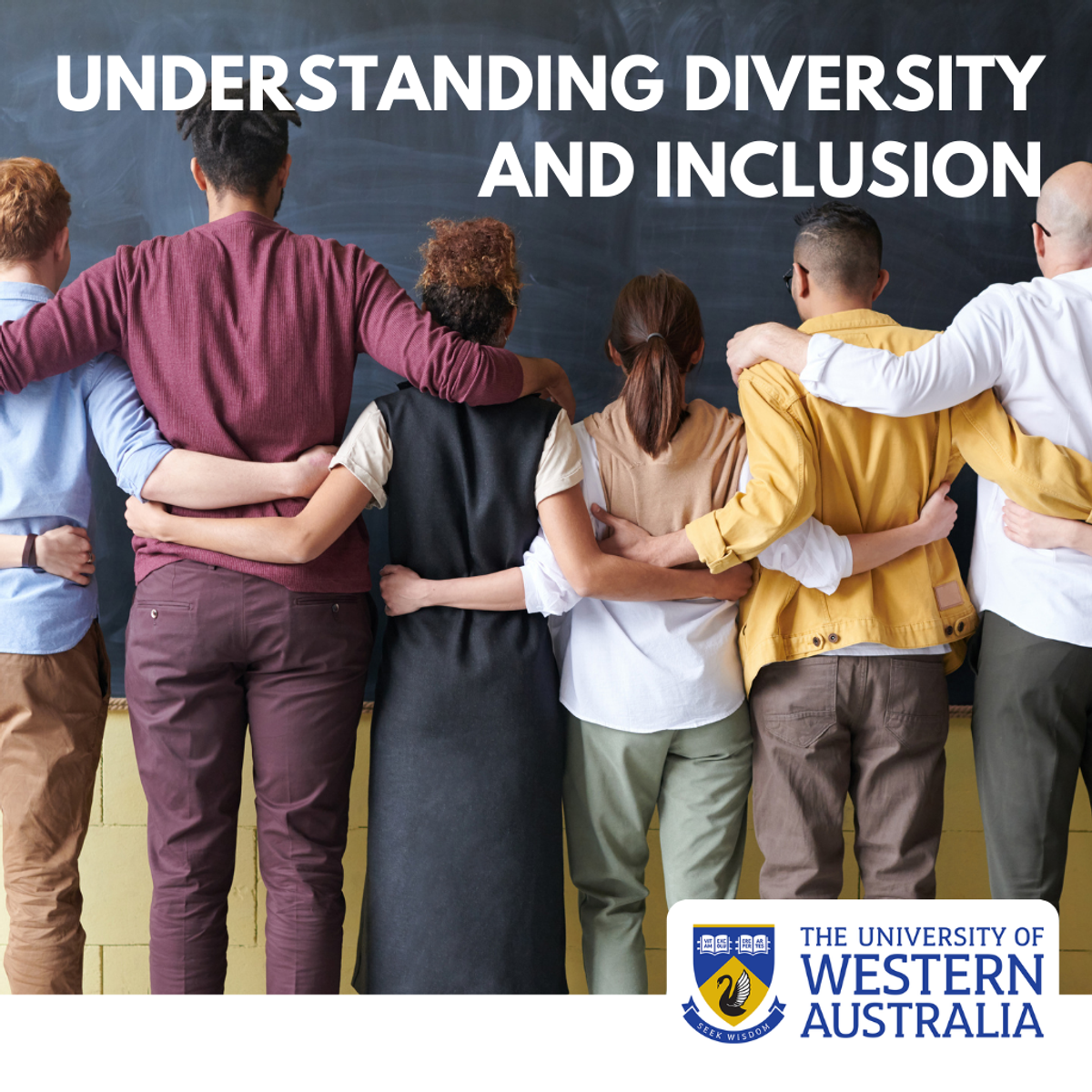
Diversity and inclusion classes are worth the investment when they transition from passive awareness to active skill-building. For organizations, they drive retention and innovation; for individuals, they enhance cultural intelligence and career mobility. However, their value is diminished if treated as a one-time compliance exercise rather than part of a sustained cultural strategy.
The Evolution of DEI Education in 2026
As we move through 2026, the landscape of Diversity, Equity, and Inclusion (DEI) education has shifted significantly from the experimental phases of the early 2020s. The question of whether these classes are "worth it" is no longer debated in a vacuum of ideology; instead, it is analyzed through the lenses of behavioral science, organizational psychology, and fiscal performance. Modern DEI training has moved away from purely "awareness-based" models, which research historically showed could sometimes trigger defensive reactions, toward "skill-based" models that focus on tangible workplace competencies.
For a professional or an organization, the "worth" of a class is measured by its ability to solve specific problems: high turnover rates, lack of innovation in product development, or communication breakdowns within global teams. In 2026, the most effective programs are those that integrate into the daily workflow, using data-driven insights to tailor content to the specific needs of a department rather than applying a one-size-fits-all approach.
Quantifiable Organizational Benefits: The Business Case
Organizations that prioritize high-quality inclusion training often see a direct impact on their bottom line. The "worth" here is found in several key performance indicators (KPIs). First is employee retention. Replacing a mid-level employee can cost an organization 150% to 200% of that employee’s annual salary. Inclusion classes that successfully foster a sense of belonging reduce the "likelihood to leave" among underrepresented groups, who often face a "hidden tax" of microaggressions and isolation.
Furthermore, cognitive diversity—the inclusion of different thinking styles and problem-solving approaches—is a significant driver of innovation. When teams are trained to navigate differences and leverage varying perspectives, they are more likely to identify market gaps and develop creative solutions. According to long-standing research from institutions like the Harvard Business Review, diverse teams are more objective and better at processing facts, leading to smarter financial decisions.
Risk Mitigation and Legal Compliance
From a legal perspective, diversity and inclusion classes serve as a critical layer of protection. In many jurisdictions, providing regular, documented training on inclusive practices and anti-harassment can be used as evidence of "reasonable care" in the event of a legal dispute. While training alone does not absolve a company of liability, a robust educational program demonstrates a proactive commitment to a safe workplace, which can influence the outcomes of EEOC (Equal Employment Opportunity Commission) inquiries or civil litigation.
Individual Career Growth and Cultural Intelligence
For the individual professional, taking a diversity and inclusion class is an investment in Cultural Intelligence (CQ). In the globalized economy of 2026, the ability to work effectively across different cultures, backgrounds, and neurodivergent profiles is a top-tier soft skill. Employers increasingly look for "inclusive leadership" as a prerequisite for management roles.
Individual benefits include:
- Enhanced Conflict Resolution: Learning how to navigate "difficult conversations" reduces workplace stress and improves team harmony.
- Expanded Networking: Inclusive professionals are better at building authentic relationships across a wider variety of social and professional circles.
- Leadership Readiness: Understanding systemic barriers allows aspiring leaders to mentor more effectively and build more resilient teams.
When DEI Classes Fail: Understanding the Pitfalls
It is important to acknowledge that not all DEI classes are created equal. The perception that these classes are "not worth it" often stems from poorly designed programs. The most common failure point is Mandatory Compliance Pressure. When training is framed as a "punishment" or a mandatory "check-the-box" activity without executive buy-in, it can trigger "reactance"—a psychological phenomenon where individuals feel their autonomy is threatened and consequently double down on their original biases.
Another pitfall is the lack of post-training integration. If an employee learns about inclusive hiring practices on Tuesday but the company’s hiring software still uses biased algorithms on Wednesday, the training is rendered worthless. The educational component must be backed by structural changes in policy and technology to ensure the lessons can actually be applied.
Comparing Training Formats and Their Effectiveness
Choosing the right format is essential to ensuring the classes are worth the time and financial expenditure. In 2026, we see a variety of delivery methods, each with different strengths.
| Training Format | Primary Focus | Best Suited For | ROI Potential |
|---|---|---|---|
| Self-Paced E-Learning | Terminology, Legal Compliance | Scalable onboarding for large workforces | Moderate (High reach, low depth) |
| Facilitator-Led Workshops | Interactive dialogue, Empathy | Mid-level management and intact teams | High (Deep engagement) |
| Virtual Reality (VR) Simulations | Perspective-taking, Bias identification | Leadership development and high-stakes roles | High (High retention of concepts) |
| Micro-Learning Nuggets | Just-in-time tips, nudges | Daily integration for all staff | Moderate (Good for reinforcement) |
| DEI Certification Programs | Strategy, Data Analysis | HR Professionals and DEI Officers | Very High (Professional specialization) |
The Role of AI and Personalization in 2026 Training
One of the reasons diversity and inclusion classes have become more "worth it" in 2026 is the integration of Artificial Intelligence. Previous generations of training were criticized for being generic. Today, AI-driven platforms can assess an individual’s baseline understanding and "blind spots" through pre-assessments, then curate a learning path that focuses on their specific needs.
For example, a manager who struggles with giving feedback to remote, international teams will receive different modules than a recruiter who needs to focus on neurodiversity in the interviewing process. This personalization ensures that time—the most valuable resource—is not wasted on information the learner already knows, significantly increasing the efficiency and perceived value of the course.
Evaluating the Cost: Is it a Sound Investment?
The cost of DEI classes varies widely. A high-quality, enterprise-wide program might cost anywhere from $20,000 to $100,000+ depending on the level of customization and the size of the organization. For individuals, professional certifications (like those offered by Cornell University or SHRM) can range from $1,500 to $5,000.
To determine if this is a sound investment, one must look at the Opportunity Cost. What is the cost of not doing it?
- Talent Loss: Losing top-tier talent due to a toxic or non-inclusive culture.
- Reputational Damage: The cost of a public relations crisis stemming from insensitive leadership.
- Market Exclusion: The inability to appeal to a diverse customer base because the internal team lacks the cultural context to design inclusive products.
When weighed against these risks, the price of high-quality education is often negligible.
Key Metrics for Measuring Training "Worth"
To verify that diversity and inclusion classes are delivering value, organizations in 2026 use a combination of qualitative and quantitative metrics:
- Sentiment Surveys: Measuring changes in the "Inclusion Index" (how many employees feel they belong).
- Promotion Rates: Tracking whether underrepresented groups are moving up the ladder at a rate consistent with their peers post-training.
- Retention Data: Correlating training completion with lower turnover rates.
- Grievance Rates: Monitoring the number of HR complaints related to discrimination or harassment.
- Behavioral Observations: Using 360-degree feedback to see if managers are actually implementing inclusive behaviors taught in class.
Frequently Asked Questions
Are mandatory DEI classes better than voluntary ones?
Research generally suggests that voluntary training is more effective for changing long-term attitudes because participants are more open to the message. However, mandatory training is often necessary for legal compliance and to ensure that those who most need the information receive it. The key to successful mandatory training is how it is framed by leadership; it should be presented as professional development rather than a corrective measure.
How long does it take to see results from these classes?
While individual "aha" moments can happen instantly, organizational change is a slow process. Most companies begin to see shifts in team culture and communication within 6 to 12 months, while significant changes in retention and representation metrics typically take 2 to 3 years of sustained effort and education.
Can DEI classes actually increase bias?
If poorly designed, yes. "Backfire effects" can occur if the training is perceived as blaming one group for all systemic issues. In 2026, modern classes avoid this by focusing on shared goals, universal human psychology (like how all brains use shortcuts/biases), and collective problem-solving rather than individual shaming.
What should I look for in a high-quality DEI course?
Look for courses that are evidence-based, offer practical tools (not just theory), and include follow-up mechanisms. A good course should be led by facilitators with a background in organizational psychology or a related field and should provide a clear path for how to apply the lessons in a real-world workplace context.
Do online DEI classes work as well as in-person ones?
In-person workshops are generally better for deep emotional work and building team bonds. However, online classes, especially those utilizing 2026-era immersive technologies like VR or interactive simulations, are highly effective for teaching concepts and terminology. A "blended" approach often provides the best value.
Next Steps and Practical Recommendations
If you are a leader or an individual professional deciding whether to commit to diversity and inclusion classes, follow these steps to ensure the investment is worth it:
- Define Your "Why": Identify the specific problem you want to solve (e.g., "We want to improve our retention of Gen Z employees" or "I want to lead global teams more effectively").
- Audit Your Culture First: Education cannot fix a broken system. Ensure your organization's policies (hiring, pay, promotions) are ready to support the behaviors taught in the class.
- Choose Skill-Based Over Awareness-Based: Prioritize training that teaches how to do things—how to run an inclusive meeting, how to interview without bias, how to be an ally—rather than just defining what bias is.
- Secure Executive Commitment: If you are implementing this at a company level, ensure that senior leaders are the first to take the class and that they publicly model the behaviors.
- Focus on Sustainability: Treat the class as a starting point, not a finish line. Supplement the classes with mentorship programs, ERGs (Employee Resource Groups), and regular data reviews.
In conclusion, diversity and inclusion classes are an essential tool in the modern professional toolkit. When executed with intentionality, they provide a significant return on investment through improved organizational health, individual growth, and long-term business resilience.