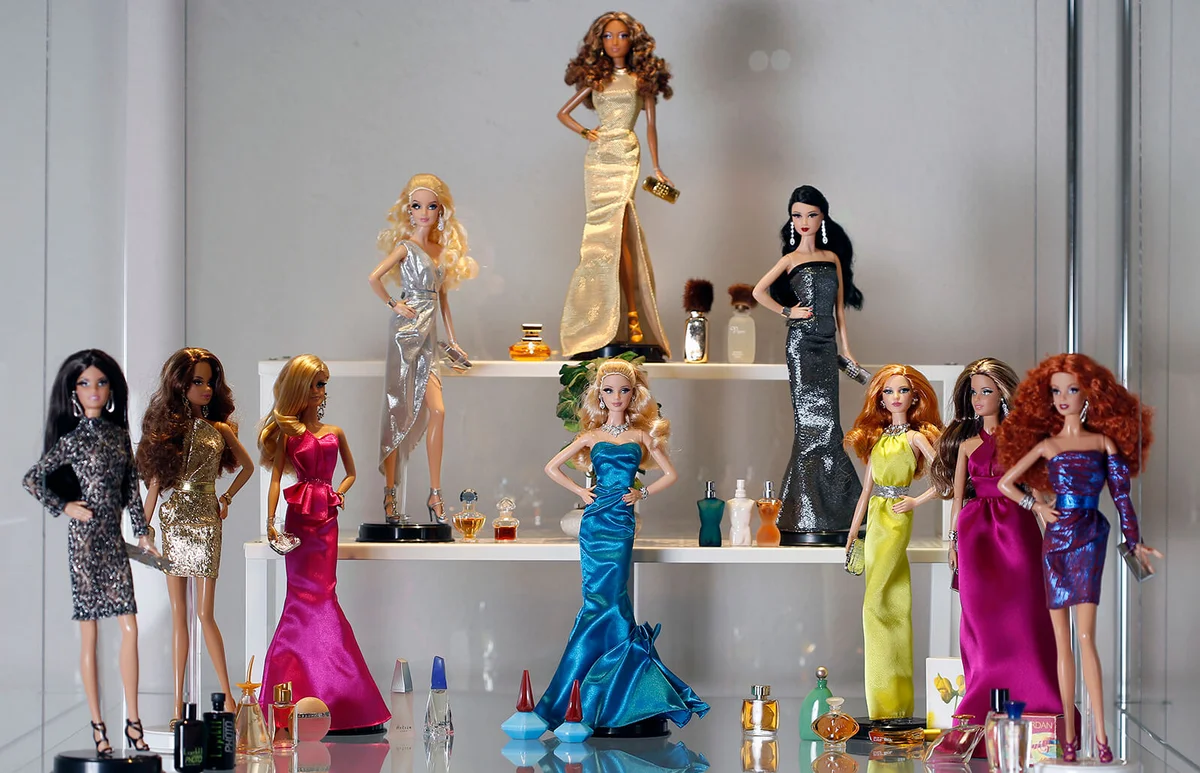
Celebrity dolls are worth buying if you prioritize personal enjoyment or target specific high-end, limited-edition releases from reputable brands like Integrity Toys or Mattel Signature. While mass-produced dolls rarely see significant financial appreciation, rare or discontinued figures of icons like Audrey Hepburn or David Bowie remain strong investments for serious collectors.
The world of celebrity doll collecting is a unique intersection of pop culture fandom, toy history, and speculative investment. Whether it is a 1970s Mego figure or a 2026 limited-edition designer collaboration, the decision to purchase a celebrity doll involves balancing the emotional connection to the star with the technical realities of the secondary market. To determine if these items are "worth it," one must examine the specific factors that drive value: rarity, brand reputation, celebrity longevity, and physical condition.
The Two Types of "Worth": Emotional vs. Financial
When asking if a celebrity doll is worth the price, it is essential to distinguish between intrinsic (sentimental) value and extrinsic (market) value.
For many fans, a doll is a tangible piece of memorabilia that celebrates a favorite musician, actor, or historical figure. In this context, the "worth" is realized through the joy of ownership and display. If a doll of a favorite artist like Taylor Swift or Harry Styles brings daily satisfaction to a fan, the retail price is often justified regardless of future resale potential.
From a financial perspective, however, the math is different. Most celebrity dolls are mass-produced "play-line" items. These are intended for children or casual fans and are manufactured in the hundreds of thousands. Because they are so common, they rarely appreciate in value. Conversely, "collector-line" dolls are produced in limited quantities—often under 5,000 units worldwide—and are constructed with higher-quality materials. These are the items that tend to maintain or increase in value over time.
Key Manufacturers and Their Market Stability
The brand behind the doll is one of the most reliable indicators of long-term value. Different companies target different demographics, and their production scales vary wildly.
Mattel (Barbie and Beyond)
Mattel is the most dominant force in celebrity dolls. Their "Barbie as..." series has immortalized everyone from Lucille Ball to Zendaya.
- Play-line dolls: Generally not a good financial investment. They are widely available and often lack the intricate detail collectors crave.
- Signature/Gold Label: These are produced in limited numbers and often feature "Silkstone" bodies or high-end fabric costuming. Dolls in this category, such as the David Bowie or Grace Kelly editions, have historically performed well on the secondary market.
Integrity Toys
For serious high-end collectors, Integrity Toys represents the gold standard. They frequently collaborate with celebrities and fashion icons for limited runs. Because their production numbers are strictly capped (sometimes as low as 500 to 1,000 units), these dolls often sell out instantly and double in price on the secondary market within weeks.
Mego and Retro-Style Figures
Mego dominated the 1970s with their 8-inch celebrity figures (Cher, Farrah Fawcett). Today, both original vintage Megos and modern "repro" versions have a dedicated following. These are worth buying for those who appreciate the "kitsch" factor and historical significance of the toy industry.
Funko Pop!
While not traditional dolls, Funko Pops are the most common celebrity figures today. Their worth is highly volatile. While most remain at their $12–$15 retail value, "vaulted" (discontinued) figures or limited-edition convention exclusives can reach hundreds of dollars. However, the sheer volume of Funko releases makes them a risky long-term investment compared to traditional high-fashion celebrity dolls.
The Impact of Celebrity Longevity on Value
A doll’s value is inextricably linked to the celebrity it portrays. Not all stars have the staying power to maintain a collector base for decades.
- The "Evergreens": Figures like Marilyn Monroe, Elvis Presley, Elizabeth Taylor, and Audrey Hepburn have "evergreen" status. There is a permanent global market for their likeness. Even if a specific doll isn't rare, the demand remains steady.
- The "Flash in the Pan": Dolls based on reality TV stars or viral sensations often lose 80-90% of their value within two years of release. If the celebrity is no longer in the public eye, the market for their memorabilia collapses.
- The "Scandal Factor": Significant controversy or legal issues surrounding a celebrity can lead to a sudden drop in demand. Conversely, in rare cases, if a company pulls a doll from shelves due to a scandal, the remaining "unreleased" or "pulled" stock can become incredibly valuable to collectors of oddities.
Technical Factors: Condition, Packaging, and COAs
If you are buying for investment, the physical state of the doll is non-negotiable. In the collector world, the phrase NRFB (Never Removed From Box) is the highest tier of value.
- Box Condition: A crushed corner or a faded window on the packaging can reduce a doll’s value by 20-40%. Serious collectors often use UV-resistant acrylic cases to prevent the sun from bleaching the box or the doll’s hair.
- The "Green Ear" and Material Degradation: Older celebrity dolls, particularly those from the 1960s and 70s, were sometimes made with plastics that react poorly with metal earrings, leading to "green ear" (staining). Modern dolls made of high-quality vinyl or resin are more stable, but they must still be kept in climate-controlled environments to prevent the plasticizers from leaching, which creates a "sticky" residue.
- Certificates of Authenticity (COA): For limited editions, the COA is a vital document. Losing it is equivalent to losing a portion of the doll's resale value. It proves the item's place in the production run and verifies its status as an official licensed product.
Market Comparison of Celebrity Doll Tiers (2026 Status)
| Category | Typical Price (Retail) | Secondary Market Potential | Best For... |
|---|---|---|---|
| Mass-Market Play-line | $20 – $40 | Low (Usually depreciates) | Children and casual fans. |
| Limited Edition Barbie | $75 – $200 | Moderate to High | Long-term collectors. |
| Integrity Toys / High-End | $150 – $300 | High (Frequently appreciates) | Serious investors and fashion enthusiasts. |
| Funko Pop! (Standard) | $12 – $15 | Very Low | Completionist fans. |
| Vintage Mego (Original) | $50 – $500+ | Stable (Historical value) | Nostalgia collectors and toy historians. |
| Custom Artist Dolls | $500 – $2,000+ | Variable (Niche) | Luxury collectors seeking 1-of-1 items. |
Common Mistakes to Avoid When Buying
Purchasing celebrity dolls without a strategy often leads to "buyer's remorse." One common mistake is buying "commemorative" dolls produced by companies that specialize in collectibles but have no secondary market presence. These are often advertised as "strictly limited," but the lack of brand prestige means there are no buyers when you want to sell.
Another error is ignoring the licensing details. Official dolls authorized by the celebrity’s estate or the celebrity themselves are almost always more valuable than "unauthorized" likenesses. Unauthorized dolls often face legal challenges and are usually of lower quality, making them less desirable to the serious collecting community.
Lastly, do not underestimate the cost of storage and insurance. If you amass a collection worth thousands of dollars, you cannot simply stack them in a humid garage. The "worth" of the collection is tied to your ability to keep it in pristine condition, which requires an investment in shelving, climate control, and potentially a specialized insurance rider for collectibles.
2026 Trends: The Shift to Hyper-Realism
As of 2026, the celebrity doll market has shifted toward hyper-realism. Advanced 3D scanning and printing technologies have allowed manufacturers to move away from "caricature" styles toward exact miniature replicas of stars.
This technological leap has made modern dolls more attractive to adult collectors who previously found toys too "doll-like." These hyper-realistic figures, often featuring "rooted" eyelashes and medical-grade silicone skin, command premium prices. While they are expensive upfront, their technical complexity creates a high barrier to entry for competitors, which helps maintain their value.
Frequently Asked Questions
Do celebrity dolls signed by the star increase in value?
Yes, significantly, provided the signature can be authenticated. A signed box or a signed COA can triple or quadruple the value of a standard collector-line doll. However, beware of "unverified" signatures on auction sites; without a reputable third-party authentication (like PSA/DNA or JSA), the signature might actually devalue the item to a serious collector who views it as "defaced."
Should I take the doll out of the box to display it?
If you are buying for financial investment, no. An "unboxed" doll (often called "de-boxed") immediately loses 50% or more of its market value. If you want to enjoy the doll's details, many collectors purchase two: one to keep NRFB and one to display. If you do de-box, keep the original packaging and all accessories in a separate, safe location.
How can I tell if a doll is a limited edition or mass-produced?
Check the packaging for a "tier" or "label." For example, Mattel uses a color-coded system (Pink, Silver, Gold, Platinum labels). A Platinum label means fewer than 1,000 units were produced. Additionally, look for a hand-numbered COA or a production count on the back of the box. If the box says "Collect them all!" without a specific number, it is likely mass-produced.
Are "Custom" celebrity dolls worth the high price tag?
Custom dolls (repaints) are worth the price if you value the artistry of the specific creator. Artists like Noel Cruz are famous for taking standard dolls and repainting them to look exactly like the celebrity. While these are "1-of-1" items, their value is subjective and depends entirely on the artist's reputation within the doll community. They are generally not as liquid (easy to sell) as official brand-name releases.
What is the best way to sell a celebrity doll collection?
To get the highest price, use specialized collector forums or platforms like eBay and Mercari, which allow you to reach a global audience. For very high-value items or entire collections, auction houses that specialize in toys and pop culture memorabilia are a safer bet to ensure you find a buyer willing to pay the market rate.
Next Steps for Prospective Buyers
Before making a purchase, clearly define your goals. If you are a fan of a specific star, look for the most detailed version within your budget and enjoy it as a piece of memorabilia. If you are looking for an investment, research the production numbers and focus on "Gold Label" or "Platinum Label" releases from established brands.
Always verify the current market price by checking "Sold" listings on auction sites rather than the "Asking" prices, which are often inflated. By focusing on rarity, condition, and brand prestige, you can ensure that your celebrity doll remains a valuable asset—both emotionally and financially—well into the future.