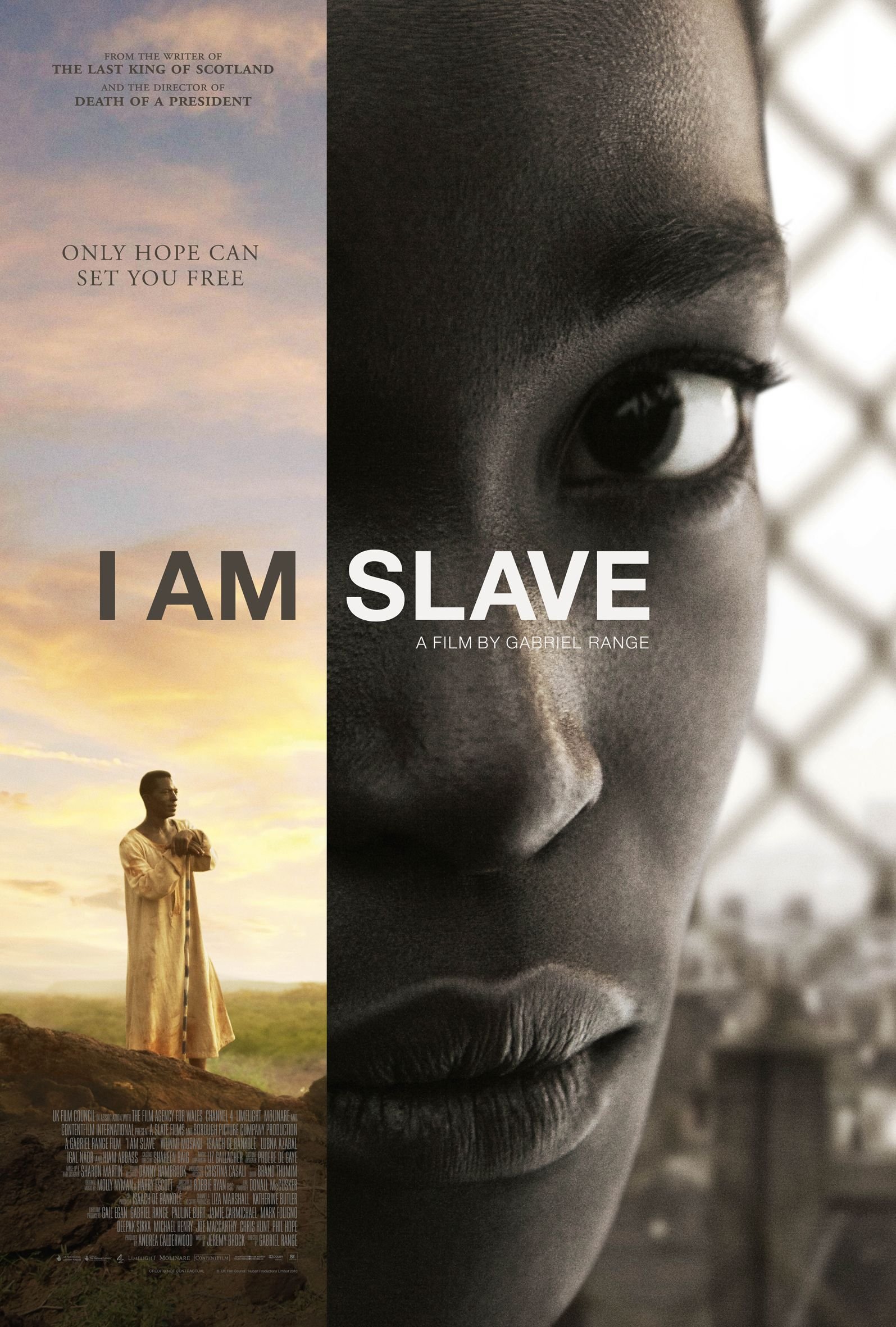
This curated list of slavery movies provides a definitive guide to the most significant films documenting the history of human bondage, resistance, and the struggle for abolition. It features critically acclaimed works such as 12 Years a Slave, Amistad, and Harriet, focusing on narratives of survival, systemic injustice, and the enduring human spirit across different historical eras and global regions.
Cinema has long served as a powerful medium for confronting the darkest chapters of human history. When discussing slavery movies, the objective is rarely "entertainment" in the traditional sense; instead, these films function as tools for education, empathy, and historical preservation. By 2026, the genre has evolved from the problematic, distorted portrayals of the early 20th century to a more nuanced, unflinching examination of chattel slavery and its global legacy. This article analyzes the essential films in this category, categorized by their historical focus and cinematic impact.
The Evolution of Slavery in Cinema
The history of slavery in film is as old as the medium itself, but the lens through which it is viewed has shifted dramatically. In the early 1900s, films like The Birth of a Nation (1915) notoriously promoted white supremacist ideologies and a "Lost Cause" narrative that romanticized the Antebellum South. It took decades of civil rights progress and a shift in the filmmaking industry for the perspective of the enslaved to become the central focus of the narrative.
The 1970s marked a significant turning point with the television miniseries Roots (1977), based on Alex Haley’s novel. While technically a television event, its impact on the cinematic landscape was profound, proving that audiences were ready for a long-form, multi-generational exploration of African American history. In the decades that followed, filmmakers like Steven Spielberg, Steve McQueen, and Kasi Lemmons have utilized increasing budgets and more sophisticated storytelling techniques to strip away the myths of the "benevolent plantation" and replace them with visceral, historically grounded accounts.
Essential American Narratives: The Antebellum Era
The majority of well-known slavery movies focus on the United States between the late 18th century and the end of the American Civil War. These films often explore the inherent contradictions of a nation founded on the principles of liberty while maintaining a system of forced labor.
12 Years a Slave (2013)
Directed by Steve McQueen and based on the 1853 memoir by Solomon Northup, this film is widely considered the gold standard of the genre. It tells the story of a free Black man from New York who is kidnapped and sold into slavery in Louisiana. The film is notable for its refusal to look away from the physical and psychological brutality of the institution. McQueen uses long, static shots to force the audience to bear witness to the reality of the characters' suffering, effectively removing any sense of cinematic comfort.
Glory (1989)
While Glory is primarily a Civil War film, it is essential to the study of slavery because it highlights the agency of Black men in securing their own freedom. The film tells the story of the 54th Massachusetts Infantry Regiment, one of the first formal African American units in the Union Army. It features powerful performances by Denzel Washington and Morgan Freeman, emphasizing that for many, the war was not just a political conflict but a direct battle against the system that had enslaved them and their families.
Harriet (2019)
Directed by Kasi Lemmons, Harriet focuses on the life of Harriet Tubman, perhaps the most famous conductor of the Underground Railroad. The film transitions from a harrowing escape story into a revolutionary biopic. It is significant for portraying Tubman not just as a victim of the system, but as a tactical leader and a person of deep faith and conviction. By 2026, Harriet remains a staple in educational settings for its accessibility and focus on female-led resistance.
Legal Struggles and the Transatlantic Trade
Some of the most impactful films in this curated list focus on the legal structures that supported slavery and the international nature of the trade.
Amistad (1997)
Directed by Steven Spielberg, Amistad chronicles the 1839 mutiny aboard the Spanish slave ship La Amistad and the subsequent legal battle in the United States. The film is critical for its depiction of the Middle Passage—the brutal sea voyage from Africa to the Americas. The courtroom drama elements highlight the complex international laws of the time and the dehumanizing way the law categorized human beings as "property" or "cargo." More information on the historical legal records of this case can be found at the National Archives.
Belle (2013)
Inspired by the life of Dido Elizabeth Belle, the biracial daughter of a British Admiral, this film explores the abolitionist movement in England. It centers on the Zong massacre and the subsequent court case, which was a pivotal moment in turning British public opinion against the slave trade. Belle offers a unique perspective on the intersections of race, class, and gender within the British aristocracy during the 18th century.
Global Perspectives and Post-Colonial Cinema
Slavery was a global phenomenon, and films from outside the Hollywood system provide vital perspectives on the trade in the Caribbean, South America, and Africa.
Sankofa (1993)
Directed by Haile Gerima, Sankofa is an independent film that uses a "time travel" narrative to connect a modern-day African American model to her enslaved ancestors on a sugar plantation. The term "Sankofa" is an Akan word meaning "to go back and fetch it," representing the importance of reclaiming one's history. This film is highly regarded for its Afrocentric perspective and its focus on the spiritual and psychological resistance of the enslaved.
The Last Supper (La Última Cena, 1976)
This Cuban film, directed by Tomás Gutiérrez Alea, is a masterpiece of historical cinema. It depicts a plantation owner who, in a fit of religious fervor, invites twelve of his slaves to a "Last Supper" on Maundy Thursday. The film exposes the hypocrisy of using religious dogma to justify and maintain a slave-holding society. It is a critical inclusion for understanding the role of the Catholic Church and Spanish colonial rule in the history of slavery.
Comparison of Key Slavery Films
The following table summarizes the key attributes of the most influential films in the genre, providing a quick reference for educators and researchers.
| Film Title | Director | Year | Primary Focus | Geographic Setting |
|---|---|---|---|---|
| Roots (Miniseries) | Marvin J. Chomsky et al. | 1977 | Multi-generational family history | Gambia / USA |
| Amistad | Steven Spielberg | 1997 | Legal status of the enslaved | Atlantic Ocean / USA |
| 12 Years a Slave | Steve McQueen | 2013 | Memoir of a kidnapped free man | Louisiana, USA |
| Belle | Amma Asante | 2013 | British abolition & legal precedent | England |
| Sankofa | Haile Gerima | 1993 | Ancestral memory & rebellion | West Africa / Caribbean |
| The Birth of a Nation | Nate Parker | 2016 | Nat Turner’s Rebellion | Virginia, USA |
| Harriet | Kasi Lemmons | 2019 | The Underground Railroad | Maryland / PA, USA |
| Emancipation | Antoine Fuqua | 2022 | Survival and the Civil War | Louisiana, USA |
The Cinematic Language of Resistance
When analyzing a curated list of slavery movies, it is important to identify how filmmakers depict resistance. In older films, resistance was often marginalized or portrayed as futile. Modern cinema, however, emphasizes various forms of defiance:
- Overt Rebellion: Films like Nate Parker’s The Birth of a Nation (2016) or the depiction of the Haitian Revolution in international documentaries focus on armed struggle and organized revolts.
- Psychological Resistance: Maintaining one's name, culture, and faith is a recurring theme in Sankofa and Roots.
- The Pursuit of Literacy: In 12 Years a Slave, the act of writing a letter is a dangerous and radical act of rebellion.
- Escape: The "flight to freedom" narrative, central to Harriet and Emancipation, underscores the physical agency required to navigate hundreds of miles of hostile territory.
Challenges in Producing and Viewing Slavery Movies
The production of these films often faces unique challenges. Filmmakers must balance the need for historical accuracy with the risk of creating "trauma porn"—media that depicts Black suffering for shock value without providing deeper insight or empowerment.
For viewers, especially those in educational settings, these films can be deeply distressing. Many of the films listed carry R-ratings for "disturbing sequences of violence and cruelty." It is recommended that educators and parents provide context before viewing and allow time for discussion and reflection. Resources for teaching this history through media can be found via the Smithsonian National Museum of African American History and Culture.
Frequently Asked Questions
Which slavery movie is considered the most historically accurate?
While no film is 100% accurate, 12 Years a Slave is highly regarded by historians because it is based closely on Solomon Northup’s verified memoir. The film’s depiction of the economics of the plantation system and the specific legal hurdles faced by free Black people in the North is considered exceptionally well-researched.
Are there movies that focus on the abolitionist movement specifically?
Yes. Films like Lincoln (2012) focus on the political and legislative battle to pass the 13th Amendment. Amazing Grace (2006) follows William Wilberforce’s campaign to end the slave trade in the British Empire. These films provide a "top-down" look at the legal end of slavery, complementing the "bottom-up" narratives of the enslaved themselves.
Why is "Roots" still relevant in 2026?
Roots remains a landmark because it was the first time a mainstream television audience was forced to confront the entire arc of the Black experience in America, from the kidnapping in Africa to the post-Civil War struggle for land and identity. Its 2016 remake also updated the historical scholarship and production values for a new generation.
Are there any slavery movies suitable for younger audiences?
Most major films on this subject are rated R due to the inherent violence of the subject matter. However, some films like Hidden in Silence or animated educational shorts provided by institutions like the Gilder Lehrman Institute of American History are designed for middle-school audiences, focusing more on the Underground Railroad and abolitionist efforts.
How has the depiction of slavery changed in the 2020s?
The 2020s have seen a move toward "genre-bending" narratives. For example, the series The Underground Railroad (2021), directed by Barry Jenkins, used magical realism to explore the metaphorical and literal tracks of escape. This shift allows filmmakers to explore the psychological impact of slavery in ways that a standard biopic might not.
Final Recommendations for Viewers
To gain a comprehensive understanding of the history of slavery through cinema, it is best to watch these films in a sequence that reflects the timeline of the trade. Start with Amistad to understand the Middle Passage and the legal foundations of the trade. Follow this with 12 Years a Slave for an unflinching look at the plantation system at its height. Finally, watch Harriet and Glory to understand the transition from enslavement to active resistance and participation in the fight for abolition.
For those interested in the long-term impacts of these historical events, documentaries such as 13th (2016) provide an essential bridge between the era of chattel slavery and modern-day systemic issues. Always pair viewing with reading primary source documents—such as the narratives of Frederick Douglass or Olaudah Equiano—to fully appreciate the human voices behind the cinematic adaptations.