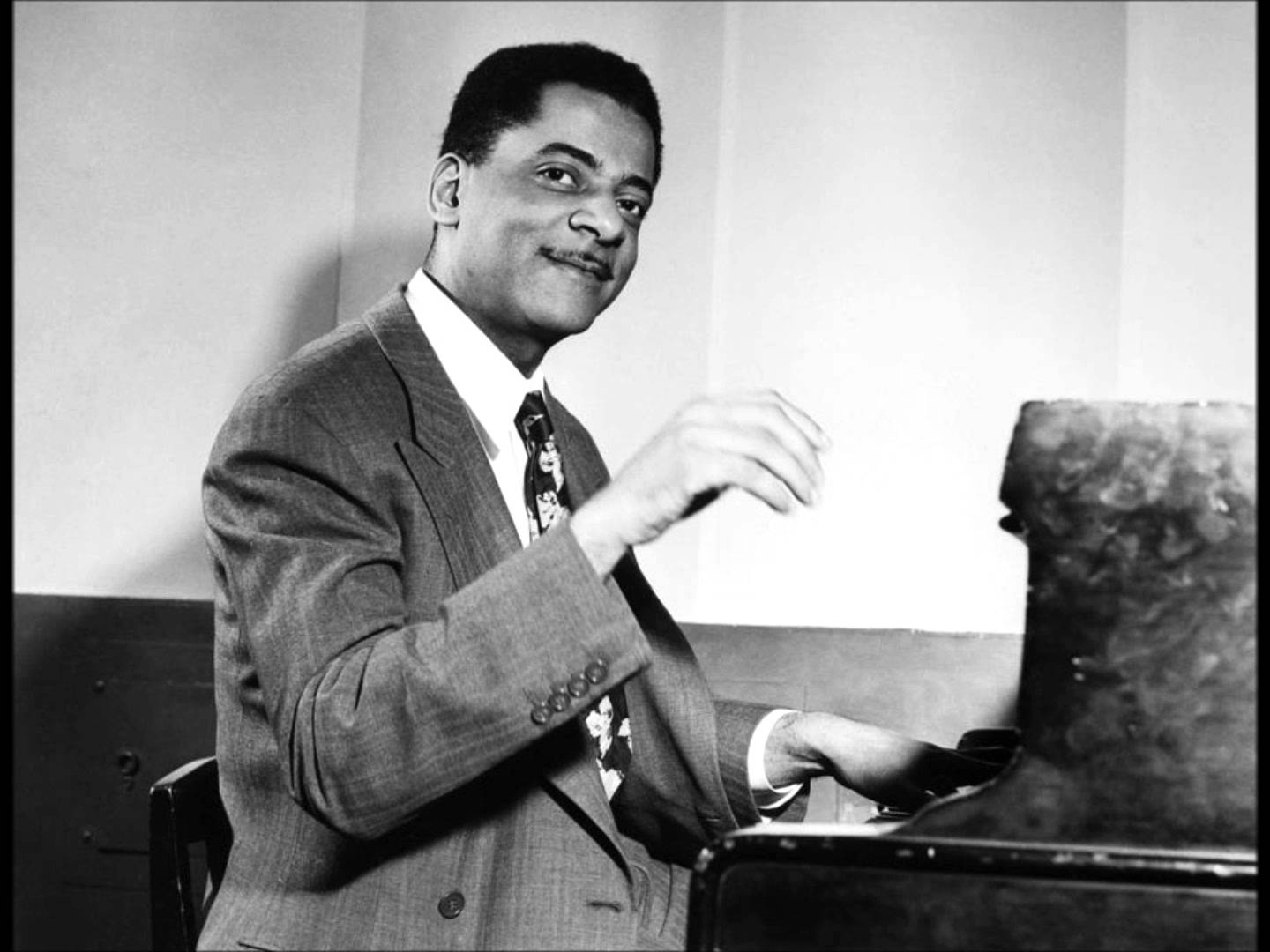
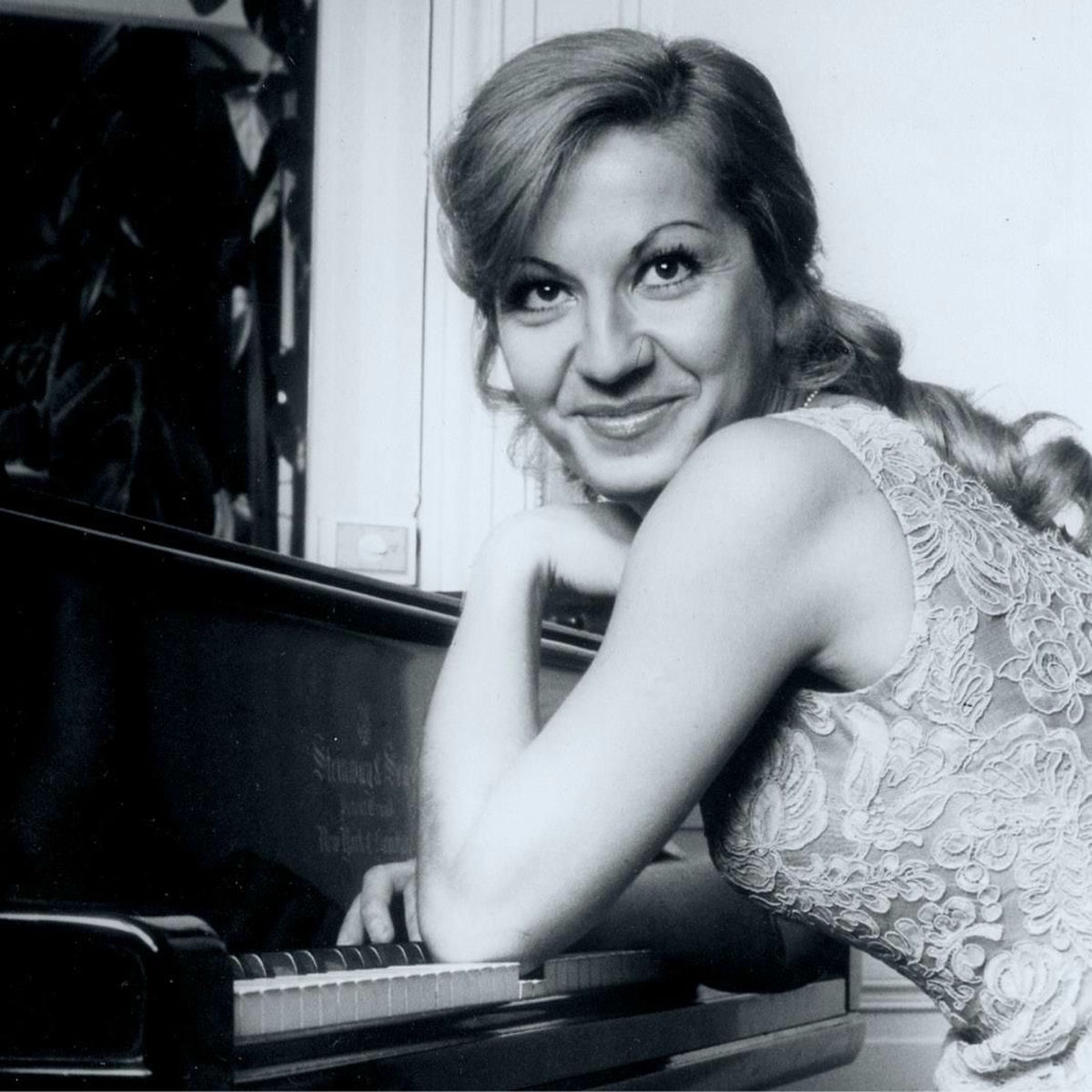
A concise list of notable jazz pianists includes legendary figures such as Art Tatum, Duke Ellington, Thelonious Monk, Bud Powell, Oscar Peterson, and Bill Evans. These artists transitioned the piano from a rhythmic accompaniment tool to a primary solo instrument, influencing countless successors like Herbie Hancock, Chick Corea, and McCoy Tyner through 2026.
The piano occupies a unique position in the world of jazz. As both a melodic and harmonic instrument, it serves as the "orchestra in a box," capable of providing the foundation for a big band or leading a delicate trio. Since the early 20th century, a select group of virtuosos has pushed the boundaries of what is possible on the keys, blending classical technique with the raw, improvisational spirit of American jazz. This guide examines the essential figures who defined the genre's evolution.
The Foundations: Stride, Swing, and the Early Virtuosos
In the early days of jazz, the piano was largely influenced by ragtime. However, as the music moved from the bars of New Orleans to the rent parties of Harlem, a new style emerged: Stride. This required a powerful left hand jumping between bass notes and chords, while the right hand executed complex, syncopated melodies.
Art Tatum: The "God" of the Keyboard
Many historians and musicians, as of 2026, still consider Art Tatum the greatest technician in jazz history. Despite being legally blind, Tatum possessed a level of speed and harmonic sophistication that intimidated his contemporaries. He didn’t just play the piano; he re-harmonized popular songs on the fly, introducing passing chords and substitutions that were decades ahead of their time. His influence on the transition from swing to bebop cannot be overstated.
Duke Ellington: The Orchestral Pianist
While known primarily as a composer and bandleader, Duke Ellington’s piano playing was the engine of his famous orchestra. His style was characterized by a "percussive" touch and a minimalist approach that favored specific colors and textures over flashy runs. Ellington understood the piano's role in a larger ensemble, often using "plink" notes and dissonant stabs to cue his horn sections or provide a modernistic edge to a swing arrangement.
Mary Lou Williams: The Bridge Between Eras
Mary Lou Williams was a polymath who mentored many of the younger bebop revolutionaries. Her career spanned the entire history of jazz, from Kansas City swing to the avant-garde. As a pianist, she was rhythmically driving and harmonically adventurous, proving that gender was no barrier to becoming one of the most respected "architects of jazz."
The Bebop Revolutionaries
In the 1940s, jazz underwent a radical shift. It moved away from danceable swing toward a complex, art-music form known as Bebop. This era demanded a new approach to the piano—one that focused on lightning-fast single-note lines that mimicked the phrasing of a saxophone or trumpet.
Bud Powell: The Definitive Bebop Pianist
If Charlie Parker was the king of the alto sax, Bud Powell was his equivalent on the piano. Powell pioneered the "comping" (accompanying) style that became the industry standard: sparse, shell-voiced chords in the left hand and frantic, linear improvisation in the right. His work on recordings like The Amazing Bud Powell established the vocabulary for modern jazz piano.
Thelonious Monk: The High Priest of Bop
Thelonious Monk remains one of the most distinctive figures in all of music. Unlike the fluid lines of Powell, Monk’s playing was jagged, filled with silence, and intentionally dissonant. He used "crushed notes" (hitting two adjacent keys simultaneously) and unexpected rhythmic displacements. His compositions, such as "Round Midnight" and "Blue Monk," are among the most recorded standards in the jazz canon as of 2026.
The Golden Age of the Jazz Trio
By the 1950s and 60s, the "Piano Trio" (piano, bass, and drums) became the dominant format for showcasing the instrument's versatility. This era saw the rise of artists who focused on "touch," "feel," and "interplay."
Bill Evans: The Poet of the Keys
Bill Evans changed the sound of jazz by introducing elements of European classical impressionism, specifically the influence of Debussy and Ravel. He moved away from the "root" of the chord, using "rootless voicings" that created a lush, ambiguous harmonic landscape. His 1961 sessions at the Village Vanguard are considered the pinnacle of jazz trio interplay, where the bass and drums were equal melodic partners rather than just rhythmic support.
Oscar Peterson: The Will to Swing
A Canadian powerhouse, Oscar Peterson was the spiritual successor to Art Tatum. His technical facility was unparalleled, but he remained deeply rooted in the blues and swing traditions. Peterson’s trios were known for their tight arrangements and relentless drive. His 1962 album Night Train remains a gateway for many new listeners into the world of jazz piano.
Ahmad Jamal: The Master of Space
Ahmad Jamal was a major influence on Miles Davis. Jamal’s approach was defined by what he didn't play. He used the entire range of the piano, utilizing silence and dynamic shifts to create tension and release. His 1958 live recording, At the Pershing: But Not for Me, was a massive commercial success and proved that jazz piano could be both sophisticated and popular.
Modernism, Modalism, and the Coltrane Era
As jazz pushed toward more spiritual and modal territories in the 1960s, pianists had to adapt their harmonic language to accommodate long stretches of improvisation over a single chord or scale.
McCoy Tyner: The Powerhouse
As a member of the classic John Coltrane Quartet, McCoy Tyner developed a "quartal" (based on fourths) harmonic language. This gave his playing an open, modern sound that was powerful enough to cut through Elvin Jones' thunderous drumming. Tyner’s use of heavy left-hand fifths provided a "drone" effect that became a hallmark of post-bop piano.
Herbie Hancock: The Innovator
Herbie Hancock is perhaps the most versatile pianist in jazz history. He rose to fame with the Miles Davis Second Great Quintet, where he pioneered a flexible, "controlled freedom" style of comping. Hancock later embraced electronic keyboards and synthesizers, bridging the gap between jazz, funk, and electronic music with albums like Head Hunters.
Chick Corea: The Virtuoso Explorer
Chick Corea brought a Spanish influence and a crisp, percussive attack to the instrument. Whether playing acoustic "Return to Forever" jazz-fusion or complex "Circle" avant-garde pieces, Corea’s rhythmic precision was unmatched. His compositions like "Spain" and "Windows" are essential study material for any aspiring pianist in 2026.
Comparison of Key Jazz Piano Styles
| Pianist | Primary Era | Style/Innovation | Recommended Entry Point |
|---|---|---|---|
| Art Tatum | Swing | High Virtuosity/Re-harmonization | Piano Starts Here |
| Thelonious Monk | Bebop | Dissonance/Rhythmic Displacements | Solo Monk |
| Bud Powell | Bebop | Right-hand Linear Improvisation | The Scene Changes |
| Bill Evans | Cool Jazz/Modal | Impressionism/Rootless Voicings | Portrait in Jazz |
| Oscar Peterson | Mainstream/Swing | Technical Brilliance/Blues-based | Night Train |
| McCoy Tyner | Post-Bop | Quartal Voicings/Modal Power | The Real McCoy |
| Herbie Hancock | Fusion/Modern | Genre-blending/Electronic Innovation | Maiden Voyage |
| Keith Jarrett | Modern/Solo | Improvisational Fluidity/Solo Concerts | The Köln Concert |
The Contemporary Landscape (2020–2026)
In recent years, the definition of a "notable" jazz pianist has expanded to include those who incorporate world music, hip-hop, and neo-classical elements. Artists like Brad Mehldau have gained acclaim for their ability to blend pop-rock sensibilities (such as covering Radiohead) with rigorous contrapuntal improvisation. Meanwhile, the legacy of the greats is preserved through rigorous academic study and a thriving global festival circuit.
The technical requirements for a modern jazz pianist are higher than ever. Performers are expected to master the "stride" of the 1920s, the "bop" of the 40s, and the "fusion" of the 70s, all while finding their own unique voice.
Frequently Asked Questions
Who is considered the greatest jazz pianist of all time?
While subjective, Art Tatum is most frequently cited by other musicians as the ultimate technical master. However, in terms of influence on the "sound" of modern jazz, Bill Evans and Thelonious Monk are often regarded as the most significant architects.
What is "comping" in jazz piano?
"Comping" is short for "accompanying." It refers to the chords, rhythms, and counter-melodies a pianist plays while another musician (such as a saxophonist or singer) is soloing. Effective comping requires listening closely to the soloist and providing harmonic support without cluttering the musical space.
Why is the jazz trio (piano, bass, drums) so popular?
The trio format is the most efficient way to achieve a full "orchestral" sound while maintaining the intimacy and flexibility of a small group. The piano provides harmony and melody, the bass provides the foundation and time, and the drums provide texture and drive.
How did classical music influence jazz piano?
Many jazz pianists, including Bill Evans, Herbie Hancock, and Keith Jarrett, were classically trained. This training introduced them to sophisticated harmonies (like 9th, 11th, and 13th chords), advanced fingering techniques, and structural concepts that they later integrated into their jazz improvisations.
Are there many notable female jazz pianists?
Absolutely. While historical records often focused on male performers, artists like Mary Lou Williams, Alice Coltrane, Geri Allen, and Hiromi Uehara have been instrumental in the genre's development. Their contributions range from swing and bebop to spiritual jazz and fusion.
Next Steps for New Listeners
If you are looking to explore the world of jazz piano further, the best approach is chronological. Start with the "God" of the piano, Art Tatum, to understand the technical possibilities of the instrument. Then, move to Bill Evans’ Sunday at the Village Vanguard to hear how a trio breathes together. Finally, listen to Herbie Hancock’s Maiden Voyage to experience the shift toward modern, modal jazz.
For those interested in the technical side, exploring the "Real Book" (a collection of jazz standards) while listening to different versions of the same song—for example, Monk’s version of "Round Midnight" versus Bill Evans’—will reveal the vast differences in touch, voicing, and rhythmic philosophy that define these masters.