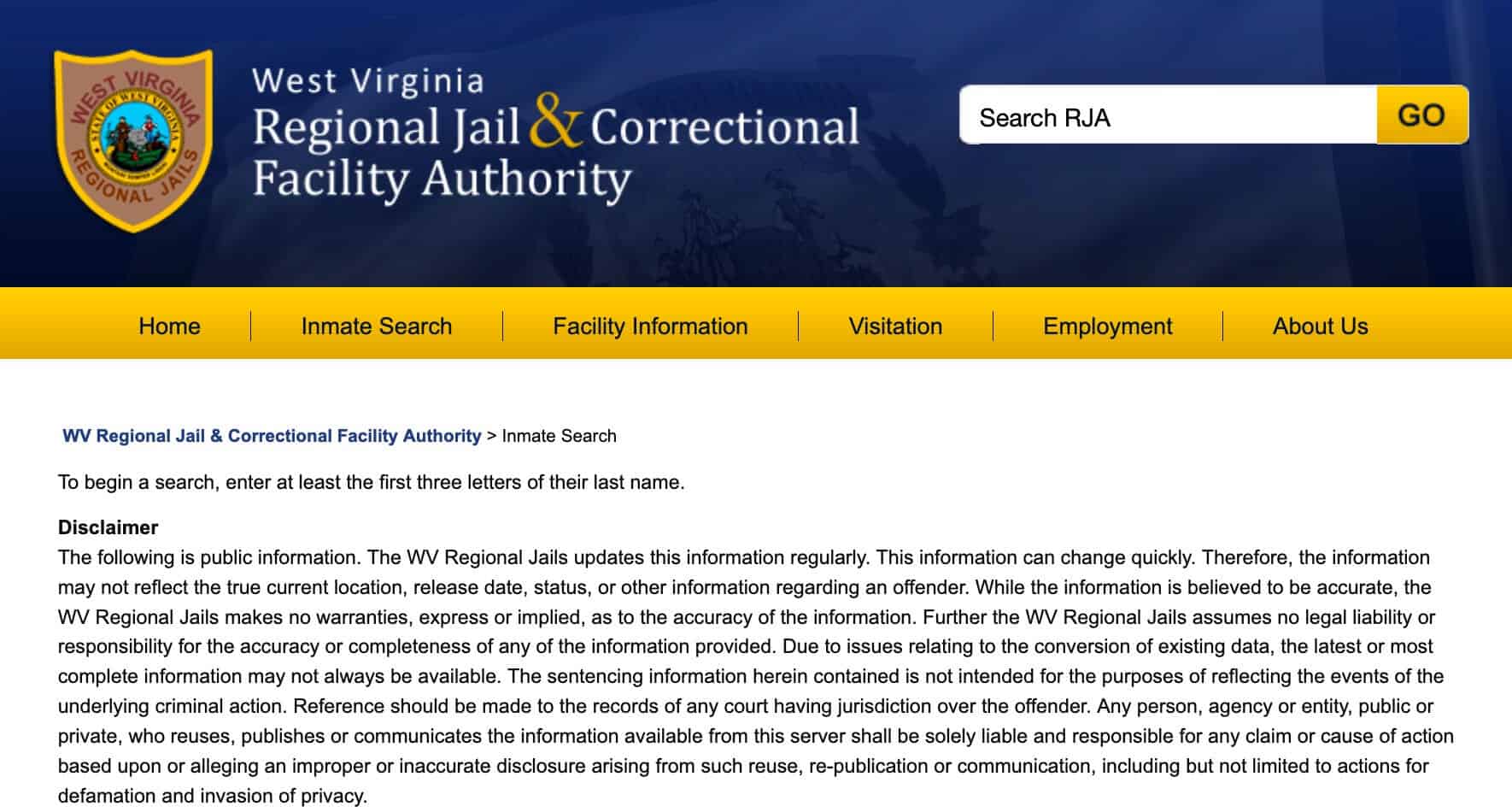
Locating an incarcerated individual involves navigating a decentralized network of federal, state, county, and municipal correctional databases, each governed by specific public record laws, access protocols, and operational constraints.
Conducting an effective inmate search requires understanding where jurisdictions overlap, recognizing the limitations of public directories, and knowing how to utilize specific identifiers like registration numbers or booking dates. Because correctional systems operate independently across local, state, and federal levels, there is no single universal database that captures every incarcerated person in real time. Instead, searchers must direct their inquiries to the specific agency holding the individual in custody. This comprehensive guide details the structure of correctional facilities, explains step-by-step search methodologies, addresses cost and privacy considerations, and offers troubleshooting strategies for complex cases.
Understanding the Correctional System Hierarchy
Before initiating any search, you must identify which jurisdiction holds the individual. The American correctional landscape is fragmented into distinct tiers, and an inmate's location dictates which database you must consult.
Federal Bureau of Prisons (BOP)
The Federal Bureau of Prisons manages individuals convicted of federal offenses. Federal inmates are housed in United States Penitentiaries (USPs), Federal Correctional Institutions (FCIs), Federal Prison Camps (FPCs), and private facilities under contract with the federal government. The BOP maintains a centralized online locator that covers federal inmates incarcerated from 1982 to the present.
State Departments of Corrections (DOC)
State correctional systems manage individuals convicted of felonies who are serving sentences typically exceeding one year. Each of the fifty states operates its own Department of Corrections website, complete with a distinct database. State prison locators generally include current inmates, individuals on parole, and sometimes probationers, depending on state administrative structures.
County Jails and Local Detention Centers
County jails and municipal lockups house individuals awaiting trial, those serving short misdemeanor sentences (typically under one year), and individuals recently arrested before transfer to a state or federal facility. County jails are managed locally by county sheriffs or municipal police departments. Because hundreds of independent county databases exist across the country, searching at this level requires knowing the exact county and state—or sometimes the specific city—where the arrest or detention occurred.
How to Conduct a Federal Inmate Search
Searching for an individual in the federal system is the most streamlined process because the Federal Bureau of Prisons maintains a unified national database.
To search the federal system effectively, navigate to the official Federal Bureau of Prisons Inmate Locator. You can search using two primary methods:
- By BOP Register Number: Every federal inmate is assigned a unique eight- or nine-digit register number (or an older D.C. Department of Corrections number, or Immigration and Naturalization Service number). This is the most precise search method and eliminates false positives caused by common names.
- By Name: If you do not have the register number, you can search by the inmate's first, middle, and last name. The system also allows filtering by race, age, and sex to narrow down results when dealing with common names.
When reviewing federal search results, the database provides the inmate's full name, register number, age, race, sex, release date, and location. If the individual has been released, the system typically displays the release date. If the record states "Unknown," it generally means the inmate is in transit or the record is being updated.
Navigating State Department of Corrections (DOC) Databases
State-level searches require visiting the specific Department of Corrections website for the state where the conviction occurred or where the individual is suspected of being held.
While state databases vary in interface and design, most share common search parameters and output fields.
Required Information for State Searches
- Full Legal Name: Accuracy in spelling is paramount. Many systems utilize sound-alike algorithms (such as Soundex), but minor typos can still yield zero results.
- State Identification Number (SID): Similar to a federal register number, an SID is a unique state-level tracking number assigned upon arrest or intake. If known, this provides the fastest and most accurate result.
- Date of Birth: Adding a date of birth helps differentiate between individuals with identical names.
Understanding State Record Details
State DOC records typically display:
- Current housing facility or institution name.
- Projected release or parole eligibility dates.
- Offense descriptions and statutory code violations.
- Physical descriptions, including height, weight, hair color, eye color, and identifying tattoos or scars.
- Mugshots or intake photographs, though privacy laws in certain states restrict public access to these images.
Searching County Jails and Municipal Holdings
If an individual was recently arrested and has not yet been transferred to a state or federal prison, they are likely held in a local county jail or municipal detention center. Local searches are often the most challenging because there is no national or even statewide clearinghouse for all county-level bookings in most states.
Locating the Correct County Facility
You must determine the exact county where the arrest took place. If the arrest occurred in a major metropolitan area, a city police department database may also be accessible.
- Sheriff's Office Websites: Most county sheriff departments host an online "Inmate Lookup," "Current Inmates," or "Daily Jail Roster" tool.
- VINE (Victim Information and Notification Everyday): VINE is a nationwide service that allows the public to track the custody status of offenders in participating county jails and state prisons. You can access VINE online or via telephone to check custody statuses and register for automated notifications regarding transfers, releases, or escapes.
| Correctional Tier | Governing Agency | Primary Scope | Search Accessibility | Typical Update Frequency |
|---|---|---|---|---|
| Federal | Federal Bureau of Prisons (BOP) | Federal convictions, felonies | Centralized national database | Real-time / Daily |
| State | State Departments of Corrections (DOC) | State felony convictions, long-term sentences | Individual state-by-state websites | Daily / Weekly |
| County | County Sheriff / Local Police | Pre-trial detainees, short-term misdemeanors | Fragmented, county-specific portals | Multiple times daily |
| Immigration | Immigration and Customs Enforcement (ICE) | Civil immigration detainees | ICE Online Detainee Locator System | Daily |
Immigration and Customs Enforcement (ICE) Detainees
Individuals held for civil immigration violations are not housed in standard federal, state, or county prisons, even though federal authorities oversee their detention. Instead, they are placed in immigration detention facilities managed by Immigration and Customs Enforcement (ICE) or contracted local jails.
To locate an individual detained for immigration reasons, use the official ICE Online Detainee Locator System. You can search using:
- A-Number (Alien Registration Number): A unique nine-digit number assigned to non-citizens.
- Biographical Search: Full legal name, country of birth, and date of birth.
The ICE locator provides the detainee's current facility location, city, state, and contact information for the facility so family members or legal representatives can inquire about visitation policies.
Costs, Fees, and Third-Party Search Risks
Official government inmate search tools—including the BOP, state DOC portals, county sheriff rosters, and VINE—are free to the public. Public record laws ensure that basic custody status information remains accessible without financial barriers.
Beware of Third-Party Data Brokers
Numerous commercial websites advertise comprehensive inmate searches, background checks, or instant jail records. These sites often use search engine optimization to appear above official government portals.
- Fees: Third-party sites typically charge hidden subscription fees, trial sign-up costs, or per-search fees.
- Accuracy: Commercial databases scrape public records periodically, meaning their data can be outdated, inaccurate, or incomplete compared to real-time government databases.
- Recommendation: Always verify custody statuses directly through official government domains ending in
.govrather than relying on commercial aggregators.
Privacy Regulations, Sealed Records, and Juveniles
Not all correctional records are publicly accessible. Federal and state laws establish strict boundaries to protect individual privacy, juvenile rights, and the integrity of ongoing legal proceedings.
Juvenile Records
Inmates who were minors at the time of their offense are almost universally shielded from public inmate locators. Federal and state privacy laws seal juvenile court files and detention records to support rehabilitation and prevent long-term stigmatization. Access to juvenile records is typically restricted to legal guardians, defense counsel, prosecutors, and authorized court personnel.
Sealed and Expunged Records
If an individual’s criminal record has been expunged, vacated, or sealed by a court order, their name and booking history will no longer appear in public-facing correctional databases. If you suspect a record exists but find no results, it may be the result of a legal sealing order.
Troubleshooting Common Search Problems
When an inmate search yields zero results, it does not automatically mean the individual is not in custody. Several common administrative factors explain missing records:
- Name Variations and Misspellings: Intake clerks frequently misspell names during high-volume booking periods. Try searching by initials, common nicknames (e.g., "Robert" vs. "Bob"), or utilizing wildcards if the database permits.
- Recent Arrest Transit Delay: If an arrest occurred within the last 24 to 48 hours, the individual may be processed through multiple holding cells before receiving a permanent booking number and appearing on a public jail roster.
- Federal vs. State Overlap: An inmate convicted in state court may be temporarily housed in a federal facility under a contract, or vice versa, causing confusion regarding which database holds the current record.
- Name Changes: Inmates who have recently married or legally changed their names may appear under their previous legal surname in older records.
Summary of Next Actions
Once you successfully locate an individual in custody, your next steps depend on your relationship to the inmate and your objective:
- Review Facility Rules: Check the specific correctional facility's website for guidelines regarding mail delivery, commissary deposits, and approved communication platforms (such as messaging or video visitation services).
- Verify Visitation Policies: Most facilities require visitors to complete an application background check before scheduling in-person or virtual visits.
- Legal Representation: If you are seeking an individual for legal purposes, contact the public defender's office or the clerk of courts in the jurisdiction where the arrest occurred to verify court dates and legal representation status.