Aon auto insurance one-time forgiveness is a policy feature, typically offered through Aon’s affinity or voluntary benefit programs, that prevents your premium from increasing after your first at-fault accident. It acts as a protective shield, ensuring that a single driving error does not result in a multi-year financial penalty or "surcharge" on your insurance rates.
In 2026, navigating the complexities of auto insurance requires understanding not just basic liability, but the specific endorsements that protect your long-term financial health. Aon, a global professional services firm, operates differently than traditional "direct-to-consumer" insurance companies like Geico or State Farm. Aon functions primarily as a broker and program administrator, often managing insurance benefits for employees of large corporations or members of professional organizations. When we discuss "Aon auto insurance," we are usually referring to policies underwritten by major carriers (such as Liberty Mutual, Travelers, or Farmers) but customized and managed through Aon's specialized platforms.
One of the most sought-after features in these managed programs is one-time forgiveness. This article provides an exhaustive look at how this benefit works, who qualifies, and the underlying mechanics that determine whether it is a viable addition to your 2026 policy.
Understanding the Aon Brokerage and Affinity Model
To understand how one-time forgiveness works within an Aon framework, it is essential to recognize Aon’s role. Aon is not the company that pays out your claim; rather, they are the architects of the insurance program. They leverage the collective buying power of large groups—such as a Fortune 500 company’s workforce—to negotiate better rates and features that aren't always available to the general public.
In 2026, Aon’s affinity programs often include "enhanced endorsements" as a standard or low-cost addition. One-time forgiveness is a prime example of such an enhancement. Because Aon acts as the intermediary, they ensure that the language of the forgiveness clause is favorable to the employee or member. This means that while a standard "off-the-shelf" policy from a local agent might have strict disqualifiers, an Aon-brokered policy might offer more leniency due to the group-negotiated terms.
The Mechanics of One-Time Accident Forgiveness
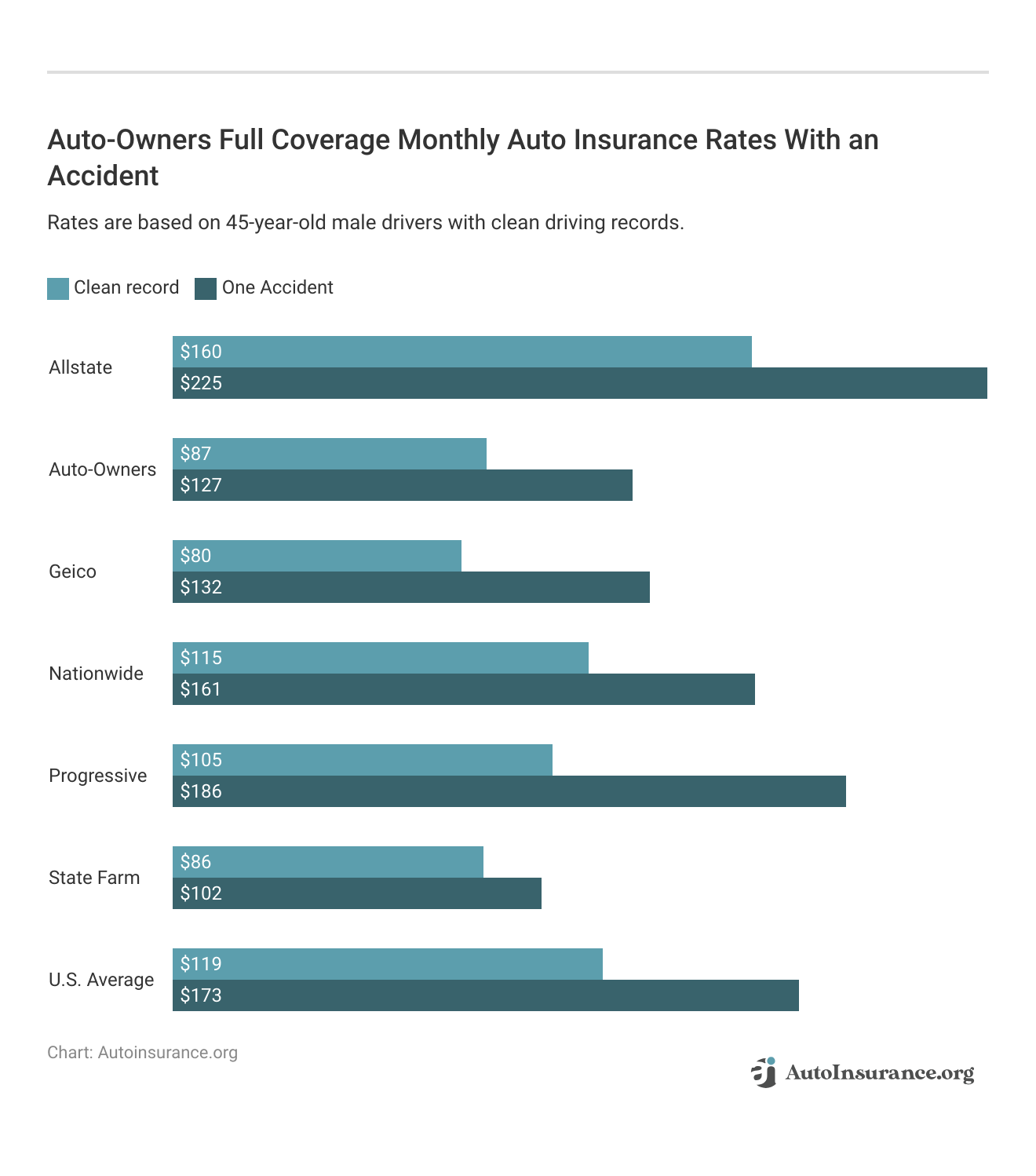
Accident forgiveness is essentially a contractual agreement where the insurer waives their right to apply a "surcharge" to your premium following your first at-fault accident. Under standard insurance math, an at-fault accident can stay on your record for three to five years, often resulting in a premium increase of 20% to 40%.
How the Surcharge Waiver Operates
When you have one-time forgiveness, the accident is still recorded on your Comprehensive Loss Underwriting Exchange (CLUE) report. This is a critical distinction: the accident does not vanish from your legal driving history or the national databases that insurers use. However, for the purposes of calculating your specific premium with your current carrier, the insurer "forgives" the incident.
In 2026, most Aon-managed policies utilize a rolling period for this forgiveness. This means the "one-time" aspect isn't necessarily a "once-in-a-lifetime" event. Usually, it is "one accident every three to five years." If you remain accident-free for the designated period after using your forgiveness, the benefit often resets, allowing you to be covered again in the future.
The Role of Telematics and Data in 2026
By 2026, Aon has integrated more telematics data into their affinity programs. Forgiveness is no longer just a static line item; it is often tied to your "Safe Driving Score." If you participate in an Aon-managed telematics program (using a mobile app or plug-in device), your eligibility for one-time forgiveness may be accelerated. Conversely, if your data shows frequent "near-miss" behaviors like hard braking or excessive speeding, the cost of adding this forgiveness might be higher, or the eligibility criteria might be stricter.
Eligibility Requirements: Who Qualifies?
Not every driver under an Aon-brokered plan is automatically eligible for one-time forgiveness. Eligibility is determined by a combination of the underlying carrier’s rules and the specific group contract Aon has negotiated.
Driving Record Prerequisites
Typically, you must demonstrate a "clean" driving history for a specific duration before the forgiveness feature can be applied to your policy. In 2026, the standard threshold is three years without an at-fault accident or a major moving violation (such as a DUI or reckless driving).
Policy Tenure and Loyalty
Some Aon programs offer "Loyalty Forgiveness." In these scenarios, the one-time forgiveness benefit only activates after you have been a policyholder for a certain number of years. This is a strategic move to encourage employee retention within the voluntary benefit program. If you are a new hire at a company using Aon’s insurance portal, you might have to wait 12 to 24 months before this specific benefit becomes available to you.
Vehicle and Driver Limitations
Forgiveness is usually tied to the policy as a whole or to a specific driver. In 2026, many Aon policies allow for "household-level" forgiveness, meaning the first accident by any driver on the policy is forgiven. However, some lower-cost tiers might restrict it to the primary policyholder only. It is vital to verify whether your teen driver—the most likely candidate to need accident forgiveness—is actually covered by the clause.
The Financial Impact: Cost vs. Benefit Analysis
One-time forgiveness is rarely "free," though it may appear so in a group benefit package. In the world of actuarial science, there is no such thing as a free risk.
Hidden vs. Explicit Costs
There are two ways Aon-managed programs handle the cost of forgiveness:
- The Endorsement Model: You pay an explicit monthly fee (e.g., $5 to $15 per month) to add "Accident Forgiveness" to your policy.
- The Embedded Model: The cost is baked into the base premium of a "Premium" or "Gold" tier of coverage. While you don't see a separate line item, your overall premium is slightly higher than a bare-bones policy.
The 2026 Return on Investment (ROI)
To determine if the cost is worth it, consider the following data based on 2026 insurance trends:
| Factor | Without Forgiveness | With One-Time Forgiveness |
|---|---|---|
| Average At-Fault Surcharge | 31% increase per year | 0% increase for 1st accident |
| Duration of Surcharge | 3 to 5 years | N/A |
| Total Potential Loss | $1,800 - $4,500 over 3 years | $0 (beyond deductible) |
| Annual Cost of Benefit | $0 | $60 - $180 |
| Break-Even Point | N/A | If an accident occurs every 15-20 years |
Note: Data reflects typical 2026 market averages for mid-market sedans; actual results vary by state and carrier.
From a financial planning perspective, one-time forgiveness is a form of "budget insurance." It prevents a sudden, sharp increase in monthly expenses, making it an excellent choice for families or individuals on a fixed budget.
What One-Time Forgiveness Does NOT Cover
A common misconception is that "forgiveness" means the accident never happened or that all costs are waived. This is not the case. Even with Aon’s one-time forgiveness, you are still responsible for certain elements.
The Deductible Requirement
Forgiveness applies to the premium surcharge, not the deductible. If you have a $500 or $1,000 deductible, you must still pay that amount out-of-pocket to repair your vehicle. Some "Ultra" Aon packages may include "Deductible Rewards" (where your deductible drops by $100 for every year of safe driving), but this is a separate feature from accident forgiveness.
Major Violations and Criminal Acts
One-time forgiveness is designed for "accidents"—fender benders, losing control on ice, or failing to yield. It almost never covers incidents involving:
- Driving Under the Influence (DUI/DWI).
- Street racing or stunt driving.
- Intentional acts of damage.
- Accidents occurring while the vehicle is being used for commercial purposes (like Uber/Lyft) if not specifically endorsed.
Portability Issues
If you utilize your one-time forgiveness and then decide to switch insurance companies six months later, the new insurer will see the accident on your CLUE report. They are under no obligation to honor the forgiveness granted by your previous carrier. Consequently, your rates with the new company will likely be higher because of that accident. This effectively "locks" you into your current Aon-managed policy if you want to keep the financial benefit of the forgiveness.
How to Access and Verify This Benefit
Because Aon policies are often managed through corporate portals, finding your coverage details requires a different approach than calling a local agent.
- Access the Aon Voluntary Benefits Portal: Most employees access their Aon-brokered insurance through a platform like Aon YourConnect or a similar internal HR link.
- Review the Declarations Page: Look for "Endorsements" or "Additional Coverages." It will be listed as "Accident Forgiveness" or "Surcharge Waiver."
- Confirm the Underwriter: Identify the underlying company (e.g., Travelers). You may need to log into the underwriter's specific portal using your Aon-provided policy number to see the full "Plan Summary" document.
- Check for "Small Print" on Resets: In 2026, many policies have moved to a 5-year reset. Ensure you know exactly how long you must remain accident-free before a used forgiveness "reloads."
Strategic Advice for 2026 Policyholders
If you are currently evaluating an Aon auto insurance quote, consider one-time forgiveness as a "volatility hedge." In 2026, with the rising costs of vehicle repairs due to advanced sensors and electric vehicle components, the cost of an at-fault accident is higher than ever. A minor collision that might have cost $2,000 to fix in 2015 can now easily exceed $7,000, which in turn leads to higher surcharges.
Expert Tip: If you have a teen driver on your policy, one-time forgiveness is almost always worth the investment. Statistically, new drivers have a much higher likelihood of a first-year incident. Protecting your primary policy from a teen's "learning mistake" can save thousands of dollars in the long run.
Disclaimer: Insurance regulations and policy availability vary significantly by state and country. Aon's offerings are subject to the terms of the specific group contract. This article does not constitute legal or financial advice. Always consult with a licensed insurance professional or your HR benefits department before making changes to your coverage.
Frequently Asked Questions
Does Aon one-time forgiveness cover multiple cars on the same policy?
Generally, yes, but with a caveat. Most Aon-brokered policies apply the "one-time" rule to the entire policy. If you have three cars and Car A is involved in an at-fault accident that is forgiven, the benefit is usually "used up" for the entire policy. You cannot have a separate "first accident" for Car B and Car C unless you have purchased specific, per-vehicle forgiveness riders, which are less common in affinity programs.
If the accident wasn't my fault, do I lose my "forgiveness" credit?
No. Accident forgiveness is specifically designed for at-fault incidents. If you are involved in a collision where the other driver is 100% at fault, your "one-time forgiveness" remains intact. In many states, insurers are legally prohibited from surcharging you for not-at-fault accidents anyway.
Can I buy one-time forgiveness after I’ve already had an accident?
No. You cannot retroactively apply accident forgiveness. It must be active on your policy at the time of the incident. This is why it is critical to review your Aon benefits during the annual "Open Enrollment" period or when you first sign up for the policy.
Does one-time forgiveness prevent my rates from going up for other reasons?
No. This is a common point of confusion. Forgiveness only protects you from the accident surcharge. Your rates can still increase due to general market trends, such as an increase in local repair costs, a change in your credit score (in states where allowed), moving to a higher-risk zip code, or the loss of other discounts (like a "Good Student" or "Safe Driver" discount).
Is Aon accident forgiveness the same as "Minor Violation Forgiveness"?
Not usually. Accident forgiveness specifically covers collisions. "Minor Violation Forgiveness" is a separate endorsement that covers things like a single speeding ticket or a "failure to stop" citation. Some high-tier Aon programs bundle these together, but you should check your specific policy language to confirm.
What happens if I have a second accident within the same period?
If you have a second at-fault accident before the forgiveness reset period (usually 3-5 years) has passed, you will be surcharged for that second accident. Furthermore, some carriers may apply the surcharge for both accidents if the first one was only "conditionally" forgiven, though this is rare in Aon's negotiated group plans.
Final Recommendation
If you have access to Aon auto insurance through an employer or professional group in 2026, opting for one-time forgiveness is highly recommended for most drivers. The relatively low annual cost (often less than the price of a single tank of gas) provides a massive buffer against the high-volatility pricing of the modern insurance market. Before finalizing your policy, verify the "reset period" and ensure that high-risk drivers in your household, such as students or elderly family members, are explicitly covered under the forgiveness terms.