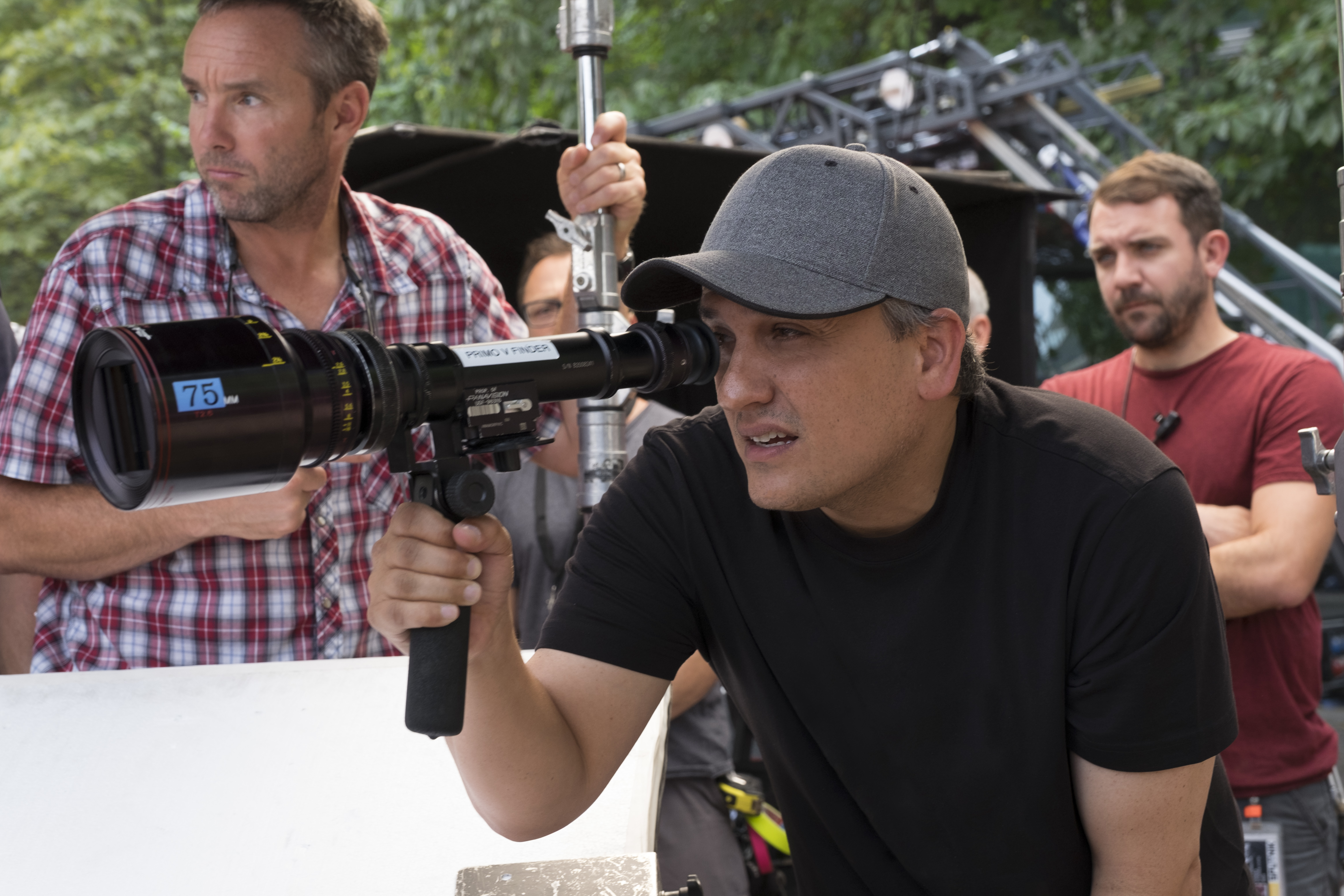
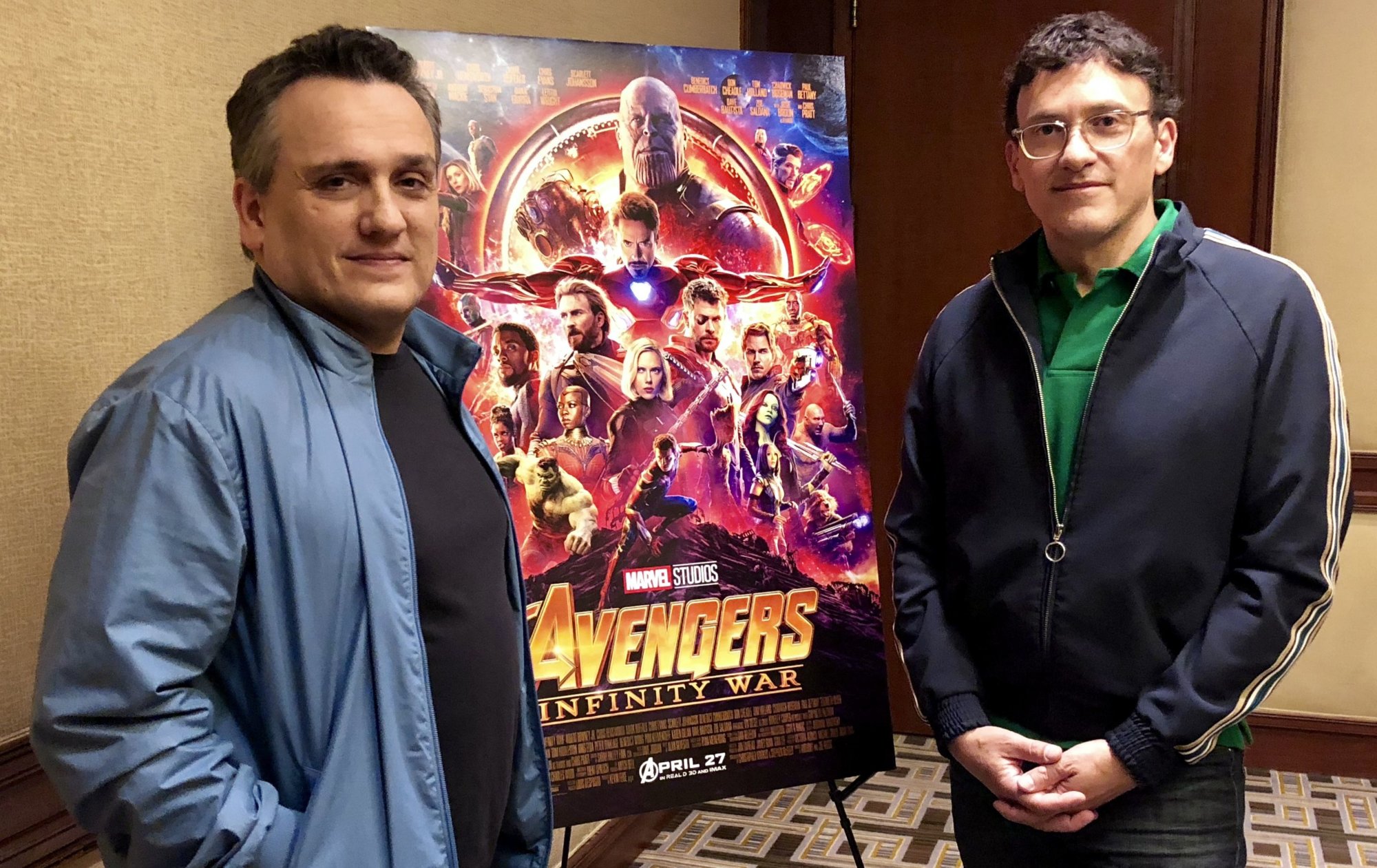
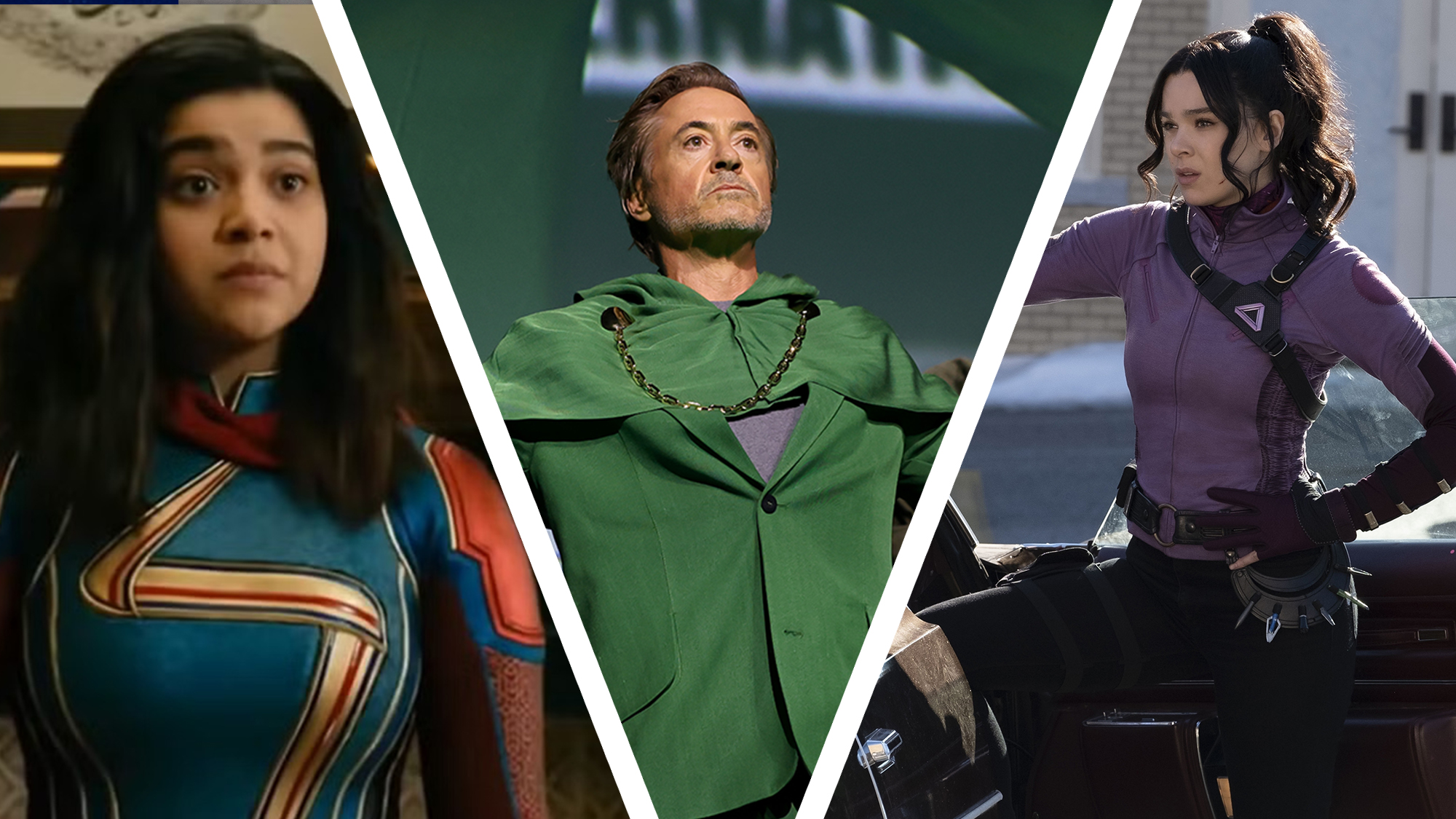
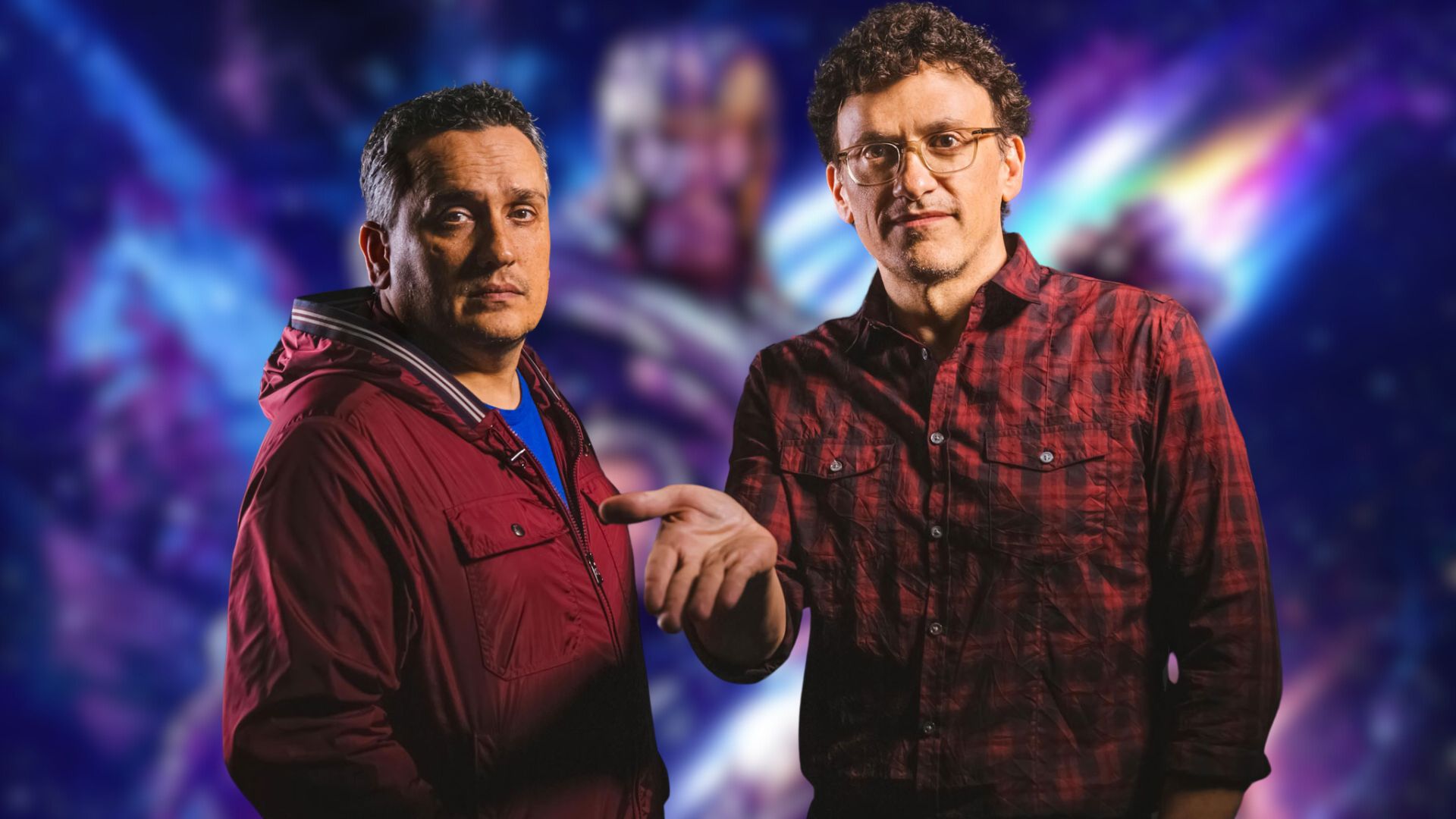
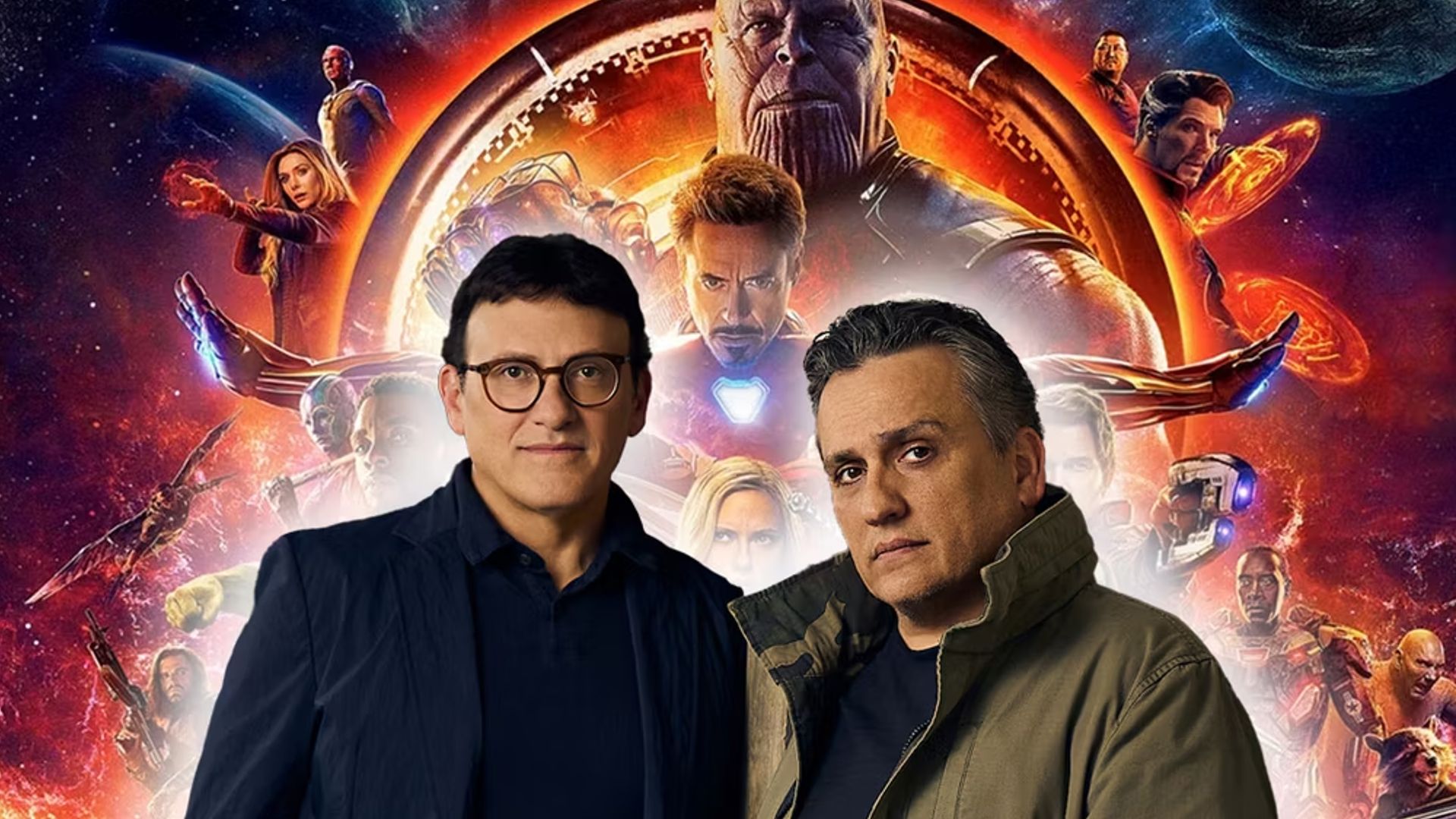
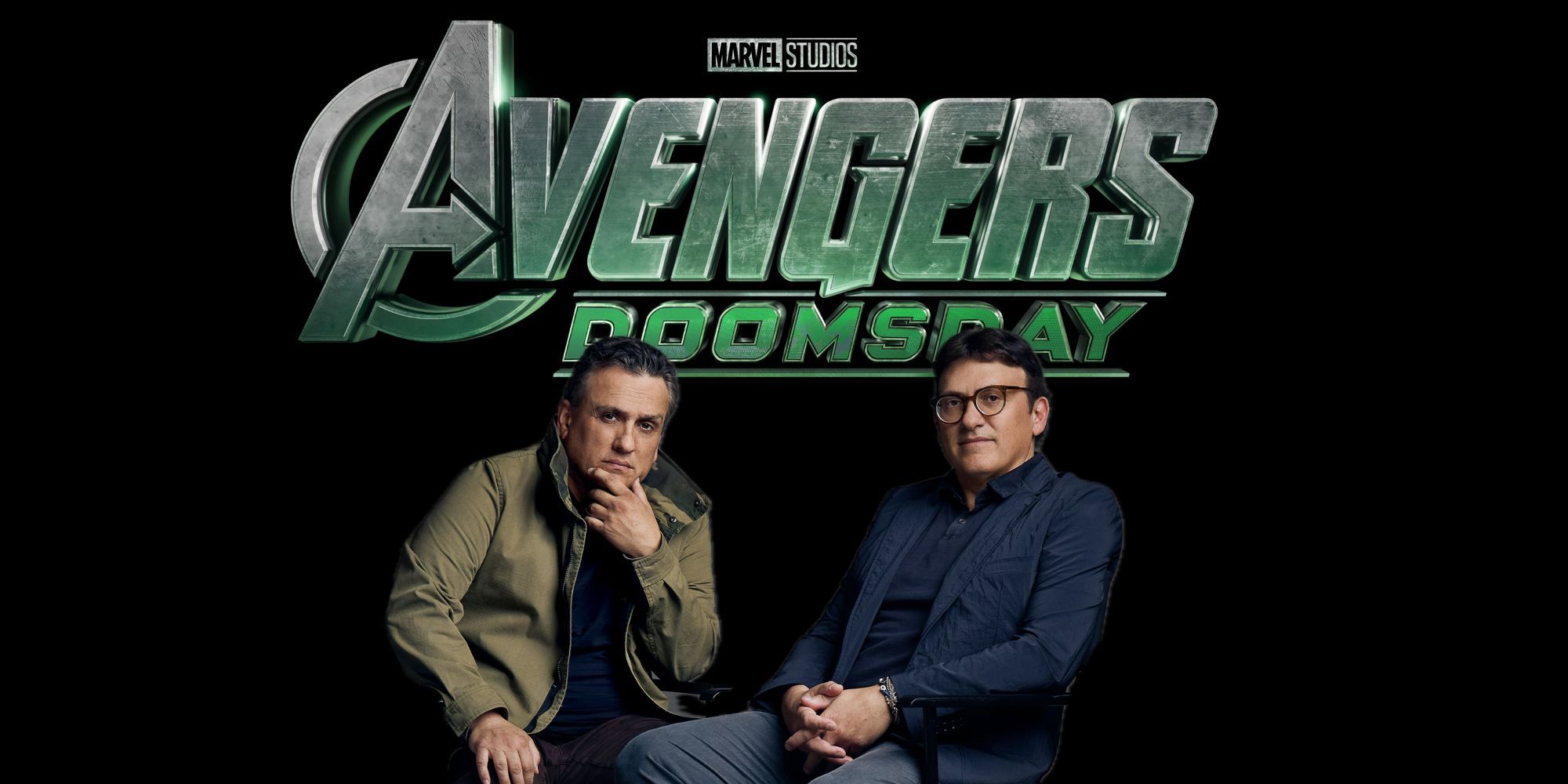
Anthony and Joe Russo, collectively known as the Russo Brothers, have directed a diverse filmography ranging from cult-classic television and independent comedies to the highest-grossing cinematic events in history. They are most famous for their four pivotal entries in the Marvel Cinematic Universe, including Avengers: Endgame, and their subsequent leadership of the AGBO production studio.
The Evolution of the Russo Brothers' Directorial Journey
The career trajectory of Anthony and Joe Russo is one of the most unconventional in modern Hollywood. Unlike many blockbuster directors who rise through the ranks of music videos or horror films, the Russos began their journey in the world of independent film and experimental comedy. This background in fast-paced, ensemble-driven storytelling became the foundation for their ability to manage the massive, multi-character narratives of the Marvel Cinematic Universe (MCU).
In the late 1990s, the brothers financed their first feature, Pieces, using student loans and credit cards. While the film did not achieve commercial success, it caught the attention of Steven Soderbergh, who offered to produce their next project. This led to Welcome to Collinwood (2002), a caper comedy featuring an ensemble cast including William H. Macy and George Clooney. Although a modest release, it established their "community-centric" directing style, where the focus is rarely on a single protagonist but rather on the friction and chemistry between a group of idiosyncratic characters.
Their transition into the mainstream continued with You, Me and Dupree (2006), a commercial success that further solidified their reputation for handling high-profile talent within comedic frameworks. However, it was their work in television—specifically on shows like Arrested Development and Community—that truly refined the technical and structural skills they would eventually apply to the largest movies ever made.
Television Roots and the Blueprint for Ensembles
To understand "Anthony and Joe Russo movies," one must look at their television output. On Arrested Development, they mastered the art of the "interconnected gag" and rapid-fire pacing. On Community, particularly the celebrated "Paintball" episodes, they demonstrated a sophisticated understanding of genre pastiche and tactical action choreography.
The "Modern Warfare" episode of Community is often cited by industry analysts as the unofficial audition for their Marvel tenure. It displayed a capability to film high-stakes action that remained grounded in character motivations, all while maintaining a sense of geographic clarity in the midst of chaos. This ability to juggle dozens of moving parts without losing the narrative thread became their primary calling card.
Redefining the Superhero Genre: The Marvel Years
The appointment of the Russo Brothers to direct Captain America: The Winter Soldier (2014) was initially met with skepticism by some fans of the genre. At the time, they were still primarily seen as comedy directors. However, the film fundamentally shifted the tone of the MCU, trading the bright, primary colors of earlier entries for the desaturated, gritty aesthetic of a 1970s political thriller.
Captain America: The Winter Soldier (2014)
In this film, the Russos introduced a visceral, hand-to-hand combat style that utilized "shaky cam" more effectively than many of their contemporaries. By focusing on practical stunts and tactical realism, they grounded the character of Steve Rogers in a way that felt modern and urgent. The film’s exploration of surveillance and institutional corruption allowed the superhero genre to engage with contemporary sociopolitical themes.
Captain America: Civil War (2016)
Building on the success of The Winter Soldier, the brothers were tasked with Civil War. This project served as a "mini-Avengers" film, requiring the management of over a dozen established heroes while introducing new icons like Spider-Man and Black Panther. The success of Civil War was a proof of concept: the Russos could handle complex logistics and internal character conflict on a massive scale without the story collapsing under its own weight.
Avengers: Infinity War (2018) and Avengers: Endgame (2019)
The culmination of their work at Marvel came with the back-to-back production of Infinity War and Endgame. These films represented a logistical feat previously unseen in cinema history.
- Infinity War was structured as a "villain’s journey," focusing on Thanos, which allowed the massive cast of heroes to serve as the obstacles to his goal.
- Endgame shifted to a more somber, character-driven heist narrative that ultimately led to the largest-scale battle sequence ever filmed.
The technical depth of these films involved pioneering uses of IMAX digital cameras and motion-capture technology. By the time Endgame concluded its theatrical run, it had briefly become the highest-grossing film of all time, cementing the Russos as the architects of the modern blockbuster era.
Post-MCU Ambitions: AGBO and the Streaming Era
Following the conclusion of their Marvel contract, Anthony and Joe Russo leveraged their success to form AGBO, an independent studio designed to produce "artist-led" content. As of 2026, AGBO has become a major player in the streaming landscape, focusing on high-concept action and genre-bending narratives.
Cherry (2021)
Cherry, starring Tom Holland, marked a sharp pivot back to experimental filmmaking. The movie is divided into distinct "chapters," each utilizing different aspect ratios, color palettes, and lens choices to reflect the protagonist’s deteriorating mental state. While polarizing among critics, it demonstrated the brothers' desire to move away from the "Marvel formula" and return to their indie roots.
The Gray Man (2022)
Returning to the world of high-octane action, The Gray Man was produced for Netflix with a budget exceeding $200 million. This film served as the launchpad for a new spy franchise, emphasizing global locations and elaborate set pieces. It showcased the Russos' ability to translate the scale of their Marvel work to the streaming environment, prioritizing "spectacle-first" entertainment for home audiences.
The Electric State (2025/2026)
One of their most ambitious post-Marvel projects, The Electric State, based on the narrative art book by Simon Stålenhag, explores a retro-futuristic past where humans and robots coexist in a post-apocalyptic landscape. This film represents a synthesis of their career: it combines the ensemble character work of their early years with the massive VFX requirements of their Marvel tenure.
Technical Craft and the Russo Directorial Style
The Russo Brothers’ style is often characterized by its "functionalism." They prioritize narrative clarity and character dynamics over highly stylized cinematography or auteurist flourishes. Key elements of their technical approach include:
- Handheld and Kinetic Camera Movement: They often use multiple cameras to capture scenes from various angles, creating a sense of "witnessing" the action rather than just observing a choreographed sequence.
- Collaborative Writing: Their long-standing partnership with screenwriters Christopher Markus and Stephen McFeely is central to their success. They work in a "writers' room" style, ensuring the script is structurally sound before production begins.
- Ensemble Balance: The brothers have a unique ability to ensure that even in a movie with 30 stars, every character has a distinct "arc" or a moment of significance.
- Visual Effects Integration: Having managed some of the most VFX-heavy films in history, they are experts at blending practical locations with complex digital environments, often using "pre-visualization" (Pre-viz) to map out every frame months before filming.
Summary of Directed Feature Films
The following table provides a chronological overview of the feature films directed by Anthony and Joe Russo, excluding their extensive work as producers or television directors.
| Year | Title | Primary Genre | Main Studio/Distributor | Key Significance |
|---|---|---|---|---|
| 1997 | Pieces | Experimental | Independent | Their directorial debut; self-financed. |
| 2002 | Welcome to Collinwood | Heist Comedy | Warner Bros. | Produced by Steven Soderbergh; first studio film. |
| 2006 | You, Me and Dupree | Comedy | Universal Pictures | Commercial success; established mainstream viability. |
| 2014 | Captain America: The Winter Soldier | Action/Thriller | Marvel Studios | Redefined the MCU tone; focused on grounded action. |
| 2016 | Captain America: Civil War | Action/Adventure | Marvel Studios | Successfully managed a massive ensemble cast. |
| 2018 | Avengers: Infinity War | Sci-Fi/Action | Marvel Studios | First half of the global cinematic "Infinity Saga" finale. |
| 2019 | Avengers: Endgame | Sci-Fi/Action | Marvel Studios | Briefly the highest-grossing film of all time. |
| 2021 | Cherry | Crime Drama | Apple TV+ | Experimental narrative structure; post-MCU pivot. |
| 2022 | The Gray Man | Action/Thriller | Netflix | High-budget streaming blockbuster; franchise starter. |
| 2025* | The Electric State | Sci-Fi/Adventure | Netflix | Adaptation of Simon Stålenhag’s visual novel. |
*Release timing subject to regional distribution windows and final post-production schedules.
FAQs About Anthony and Joe Russo Movies
Are the Russo Brothers still working with Marvel?
As of 2026, the Russo Brothers have primarily focused on their own studio, AGBO. While they have expressed an open-door policy regarding a potential return for a monumental project like Secret Wars, their recent years have been dedicated to original IP and adaptations for streaming platforms like Netflix and Apple TV+.
Which Russo brother does what during filming?
Anthony and Joe Russo operate as a unified directorial entity. They typically do not divide duties (e.g., one focusing on actors and the other on technicals); instead, they both handle all aspects of production. This collaborative approach allows them to cover more ground during the intense logistics of large-scale film sets.
What is AGBO?
AGBO is an independent production company founded by the Russos in 2017. The studio focuses on developing "universe-driven" content, including the Extraction series, Citadel, and various film projects. It is designed to give directors and creators more control over their projects than traditional legacy studios might allow.
Why are their movies often desaturated or "grey"?
The Russos often use a more muted color palette—particularly in their Marvel films and The Gray Man—to create a sense of realism and "groundedness." This aesthetic choice is intended to make the extraordinary elements (like superheroes or high-tech spies) feel like they exist within our actual world rather than a stylized comic book world.
Did they direct the Extraction movies?
No, the Russo Brothers did not direct the Extraction films. They produced them through AGBO, and Joe Russo wrote the screenplays. The films were directed by Sam Hargrave, who was the stunt coordinator for the Russos on their Marvel projects. This is a common pattern for the brothers: mentoring and producing for their former collaborators.
Practical Recommendation for Viewers
If you are new to the work of the Russo Brothers, the best starting point is Captain America: The Winter Soldier. It represents the perfect balance of their television-honed pacing and their blockbuster technical prowess. For those interested in their more experimental side, Cherry provides a glimpse into their stylistic ambitions outside the confines of a major franchise. If you are tracking their current trajectory in 2026, focusing on their AGBO productions will give you the clearest picture of how they are shaping the future of global streaming entertainment.
To stay updated on their latest projects and behind-the-scenes insights, you can visit the official AGBO website or follow reputable industry outlets such as The Hollywood Reporter and Variety. For a complete list of their credits, including their significant work in television, the IMDb database remains the most comprehensive resource.