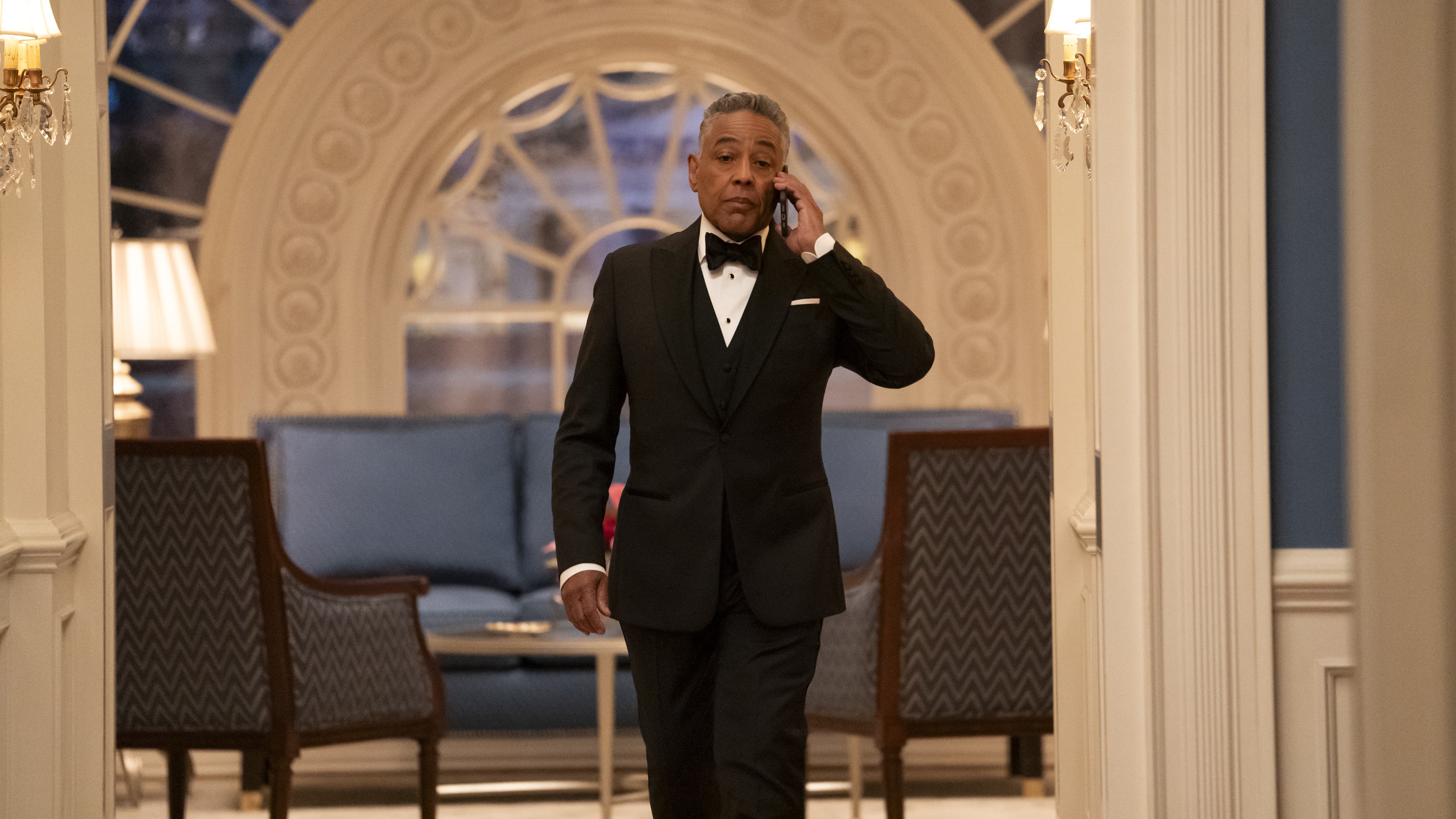
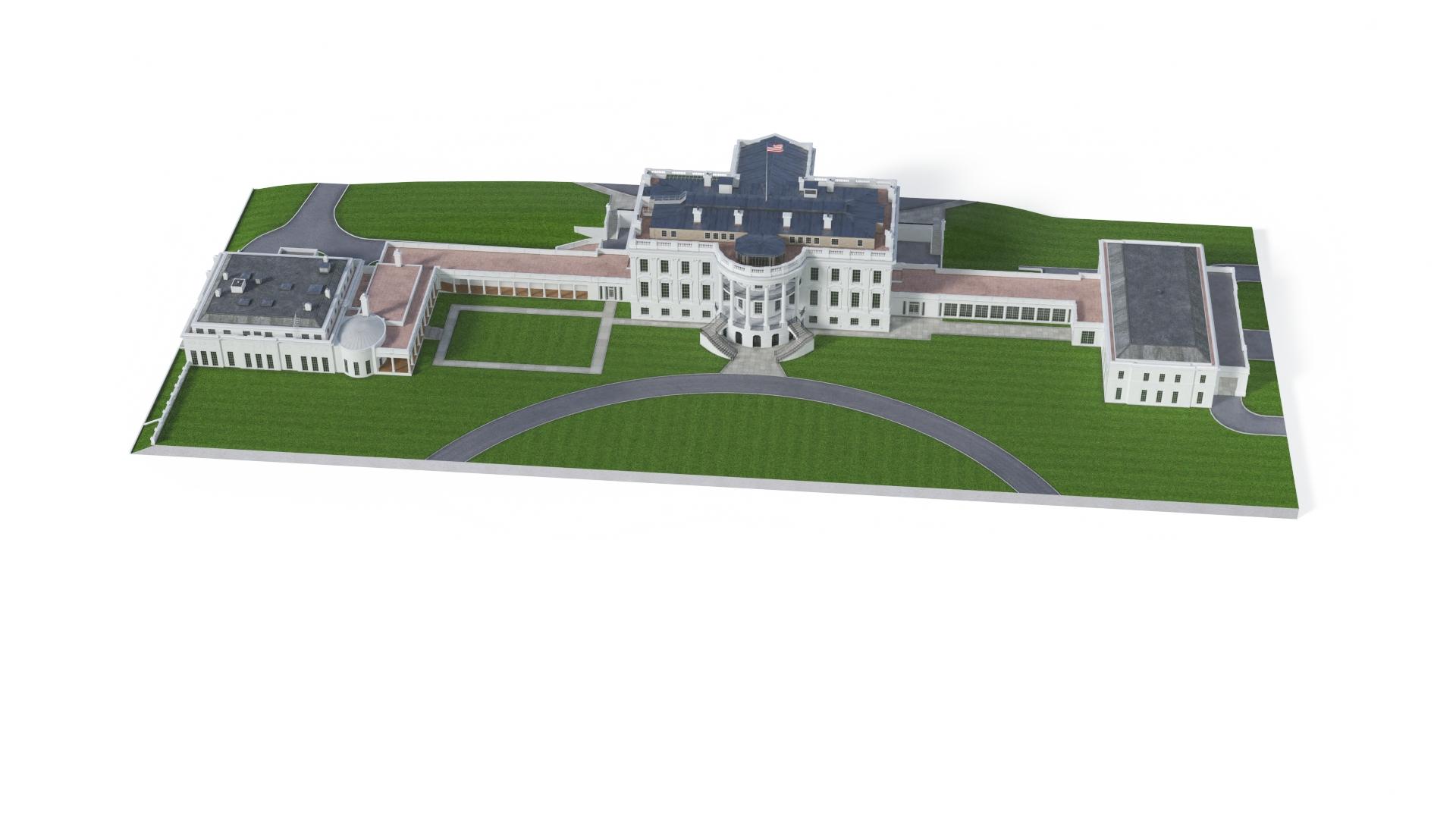
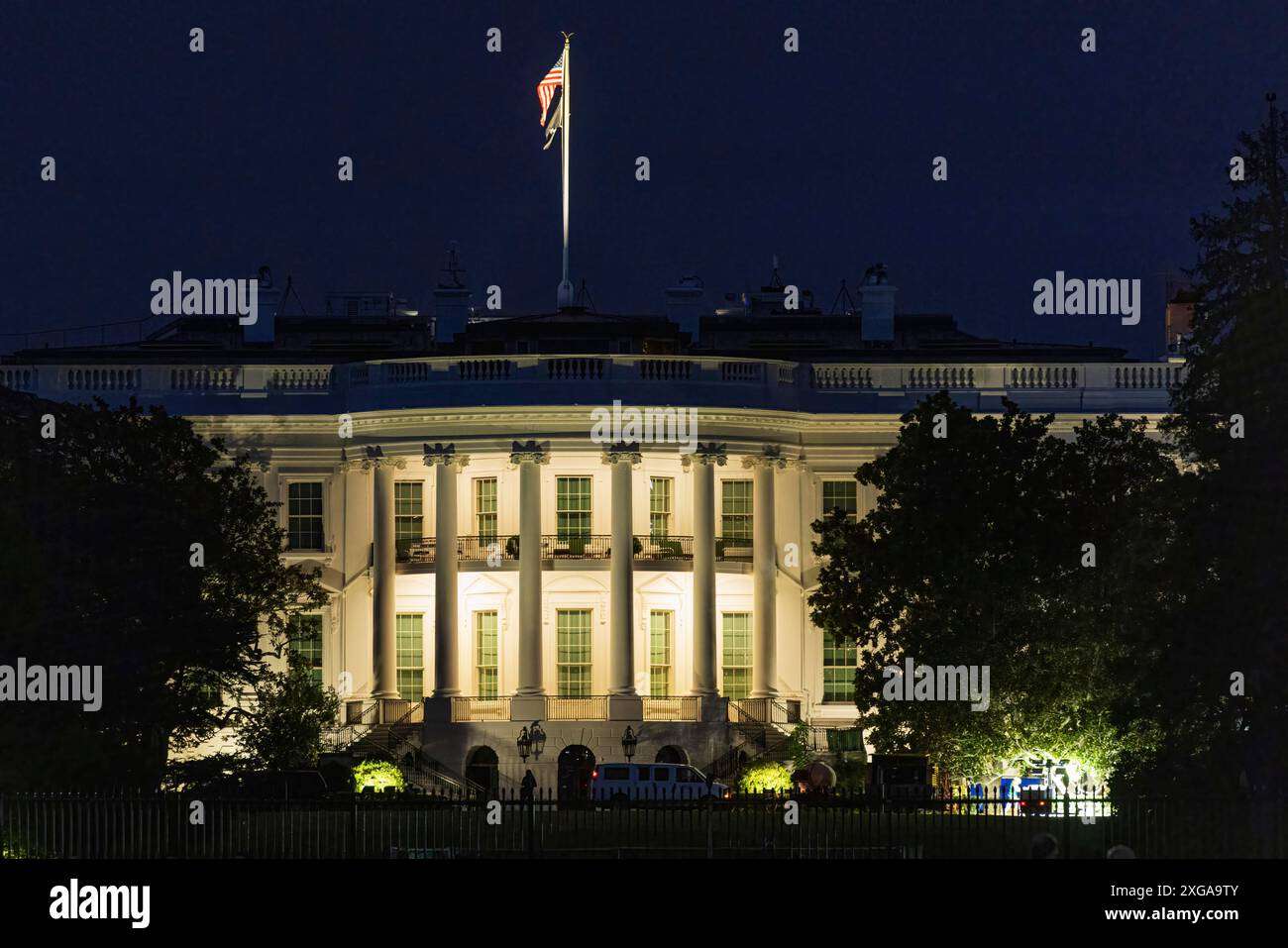
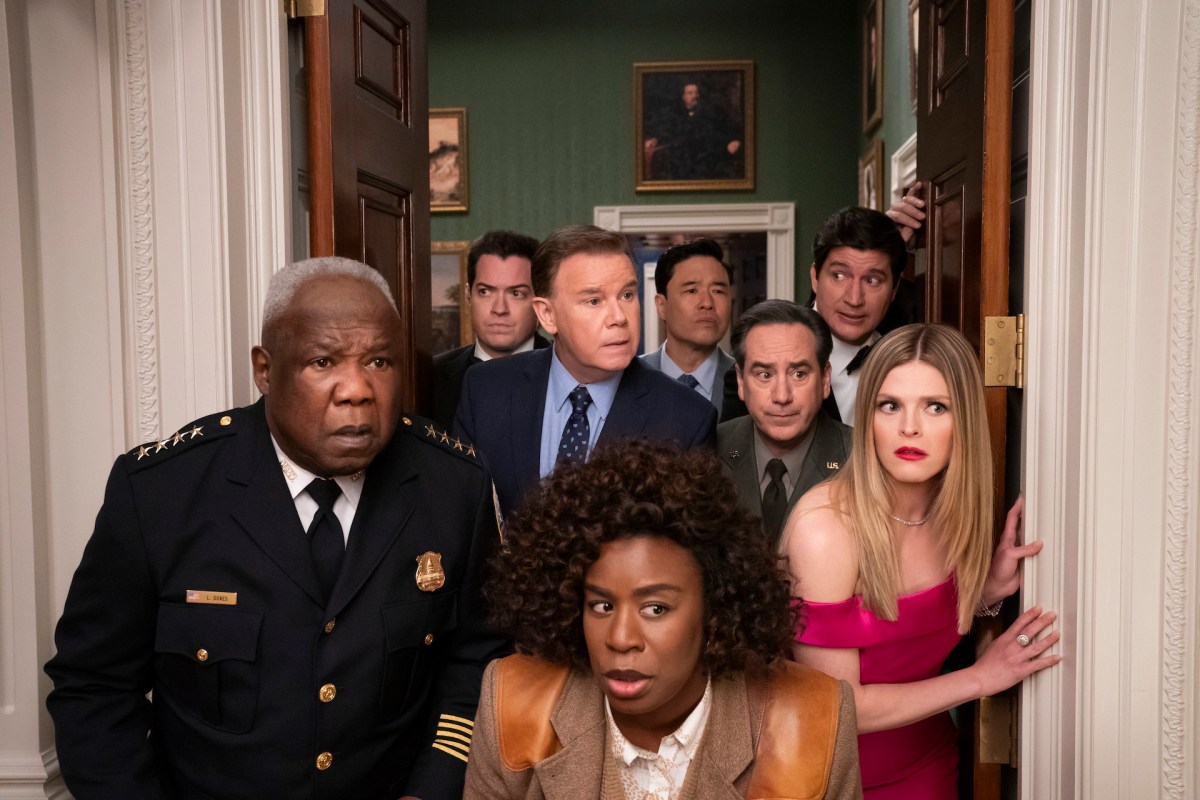
No, the television series The Residence—produced by Shondaland for Netflix—is not filmed inside the actual White House. Federal law and strict security protocols prohibit commercial filming crews from operating inside the executive residence or the West Wing. Instead, the production utilizes elaborate custom-built soundstages and intricate sets designed to replicate the architectural and interior details of the White House.
The Reality of Filming at the White House
The White House is arguably the most recognizable and secure residence in the world. As the official home and workplace of the President of the United States, it operates under extreme security measures overseen by the United States Secret Service and the Executive Office of the President.
The idea that a major television production could gain access to the private living quarters—often referred to as "The Residence"—to film a scripted series is functionally impossible. Security protocols are designed to prevent unauthorized photography or electronic surveillance, let alone the influx of lighting rigs, cameras, boom microphones, and a massive cast and crew. Even for documentaries or approved historical broadcasts, access to the interior is heavily vetted, limited to specific areas, and strictly controlled. For a dramatized series like The Residence, the logistical footprint required for filming would represent a significant security risk and a disruption to the functioning of the federal government.
How Productions Replicate the White House
Since real-world filming is off-limits, high-budget productions like The Residence rely on a combination of historical research, architectural blueprints, and master-level production design. The goal of a production designer in this context is to create a "heightened reality" that feels authentic enough to the audience that the viewer forgets the set is artificial.
The Role of Production Design
Production designers begin by sourcing public records, historical photographs, and architectural archives. While the floor plans of the White House are public knowledge, the specific interior design—upholstery, lighting fixtures, rug patterns, and artwork—is often meticulously recreated. Designers work with craftspeople to replicate the specific millwork of the State Rooms and the more intimate, lived-in feel of the private residence.
Soundstages and Controlled Environments
By constructing the set on a soundstage, production teams gain total control over the environment. This is critical for several technical reasons:
- Lighting Control: Unlike filming on location, where the sun moves throughout the day and weather can shift, a soundstage allows for consistent lighting that matches the mood of a scene perfectly, regardless of how long it takes to film.
- Spatial Flexibility: Real rooms in the White House are historical treasures; you cannot remove walls to accommodate a wide camera angle or move a chandelier to make room for a crane shot. On a custom-built set, walls are often "wild" (meaning they can be removed), allowing the director to place the camera in positions that would be physically impossible in the real building.
- Privacy and Secrecy: Because the show involves scripted plot points, building on a private stage prevents spoilers from leaking and ensures that the production can operate on its own schedule without interfering with the actual political landscape.
Technical Challenges in Set Recreation
The audience’s familiarity with the White House creates a unique challenge. If a viewer knows what the Blue Room or the Yellow Oval Room looks like, even a small error in the proportions of a column or the texture of the drapery can break the illusion.
| Feature | Real White House (Location) | Soundstage Replication |
|---|---|---|
| Accessibility | Severely restricted/Unauthorized | Full crew/Equipment access |
| Architectural Change | Impossible (Historical preservation) | Modular (Walls move for filming) |
| Lighting | Static/Natural/Facility-driven | Fully customizable for mood |
| Security | Secret Service oversight | Standard studio private security |
| Cost | N/A (Cannot be rented) | High (Construction and maintenance) |
Legal and Logistical Boundaries
The prohibition against filming in the White House is not just a matter of "don't ask." It is codified in policies that treat the White House as a critical piece of national infrastructure. The White House Historical Association works to preserve the integrity of the site, and the National Park Service, which oversees the grounds, enforces rules that protect the facility from commercial use.
When a studio decides to produce a show set in the White House, they must account for these limitations early in the budgeting phase. The cost of building a "White House set" is a significant line item, often requiring tens of thousands of square feet of warehouse space. This is a deliberate investment by streaming platforms and production companies to ensure the story remains grounded in a visual environment that feels like the genuine article.
Visual Effects and Digital Extensions
While practical sets do the "heavy lifting" of the performance, modern productions often use a technique called "Set Extension." This involves building the core of the room—the floor, the furniture, and the immediate walls—and using digital visual effects (VFX) to complete the ceiling, the windows, or the exterior views.
For instance, if a character looks out a window in The Residence, the production may use a high-resolution LED backdrop or "Volume" technology—the same tech used in high-end science fiction—to display a realistic, moving image of the White House lawn. This bridges the gap between the physical set and the real location, making the viewer feel as though the actors are truly inside the building.
Identifying the Difference: Practical Tips for Viewers
If you are watching a show and wondering if you are looking at a real location or a set, pay attention to these three factors:
- The "Sweep" of the Camera: If the camera moves through a hallway and then seamlessly enters a room without a cut, the production is likely using a single, connected set. Real rooms in the White House are separated by heavy structural walls and security checkpoints that make such continuous movement difficult to replicate in real-world filming.
- Window Light: Observe the light coming through the windows. In a set, it is almost always perfect. In real locations, you will often see natural shadows from trees or passing clouds that are difficult to replicate with complete consistency.
- The Absence of Modern "Glitch" Items: Because it is a set, designers have accounted for every object in the frame. If every painting, rug, and vase looks pristine and perfectly placed, it is a high-end studio set.
Frequently Asked Questions
Are there any parts of the White House that have been filmed? Documentaries and news organizations are sometimes permitted to film in specific areas of the White House, such as the Press Briefing Room or the Rose Garden, under strict supervision. However, these instances are limited and never involve the filming of fictional narrative series.
Why don't productions use CGI to create the whole White House? While CGI has improved significantly, it is still more expensive and less effective than a physical set. Actors provide better performances when they can physically touch the furniture, walk across the floor, and interact with a tangible environment. A hybrid approach of high-quality sets and subtle digital touch-ups is the industry standard for 2026.
Does the White House receive payment for the use of its likeness? No. The White House is a public building and its image is generally considered public domain. Productions do not pay a "location fee" to the government because they are not actually using the location.
Can fans visit the sets used for The Residence? Generally, no. Sets are strictly private and are often struck (dismantled) once filming is completed to make room for the next project. Occasionally, if a production is massive, parts of the set might be repurposed, but they are not open to the public like a museum or a tourist attraction.
Recommendation for Further Research
If you are interested in the production side of this topic, search for the "Production Design" featurettes released by the show's distributor. These behind-the-scenes clips often feature interviews with the set designers who explain their process for researching, drafting, and building the replicas. They often provide the most accurate insight into the blend of art and engineering required to bring the White House to the screen.