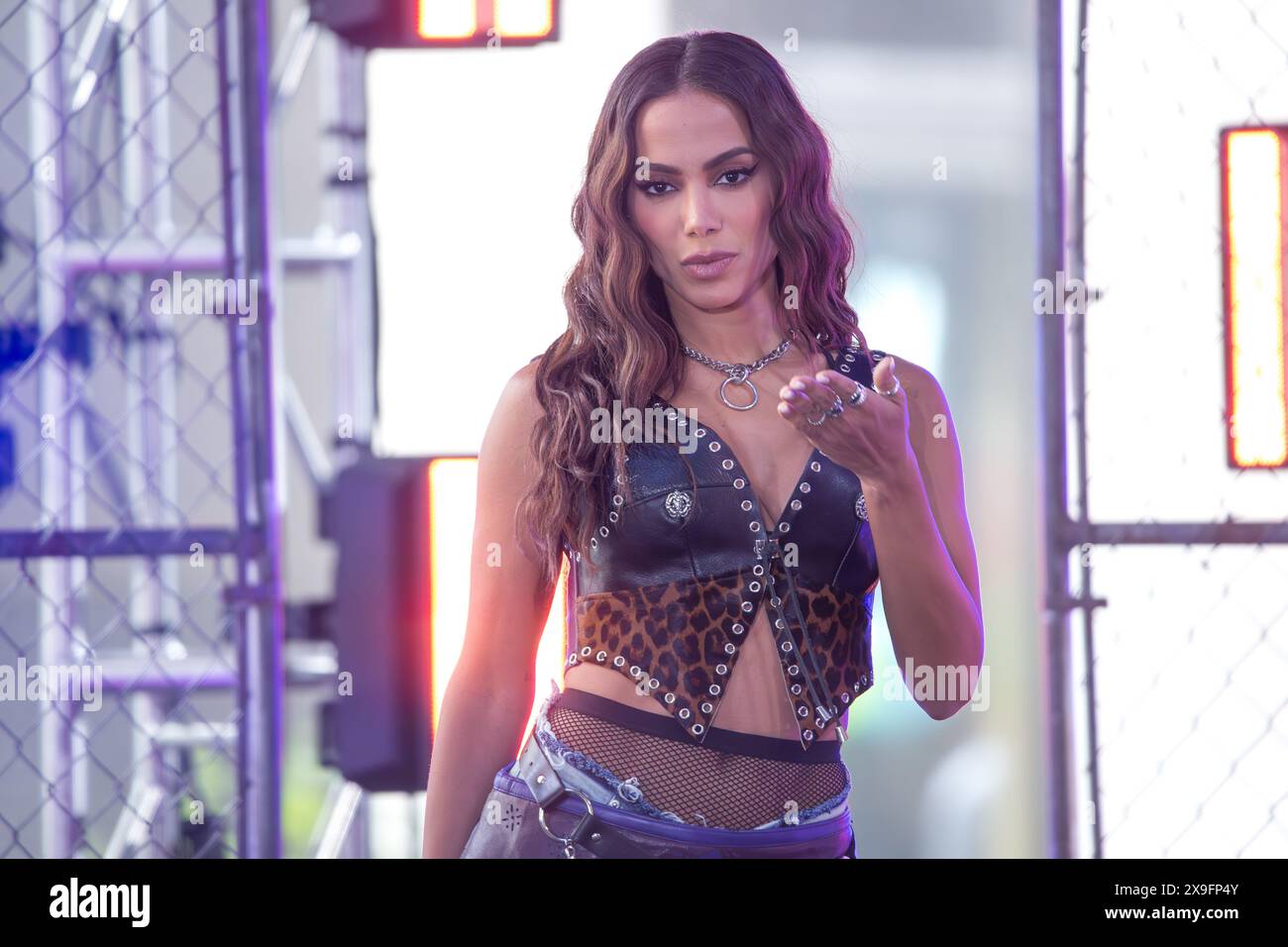
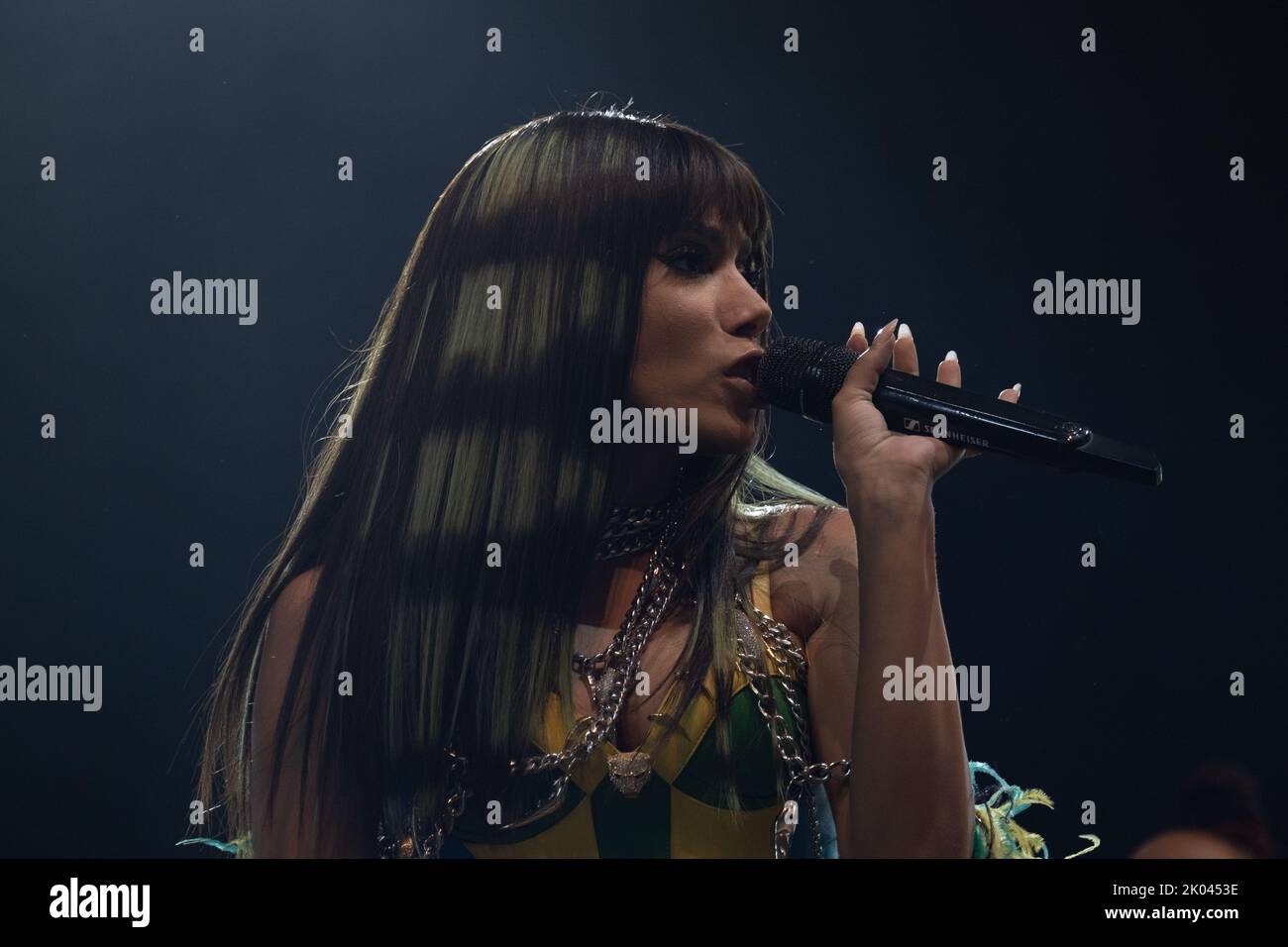
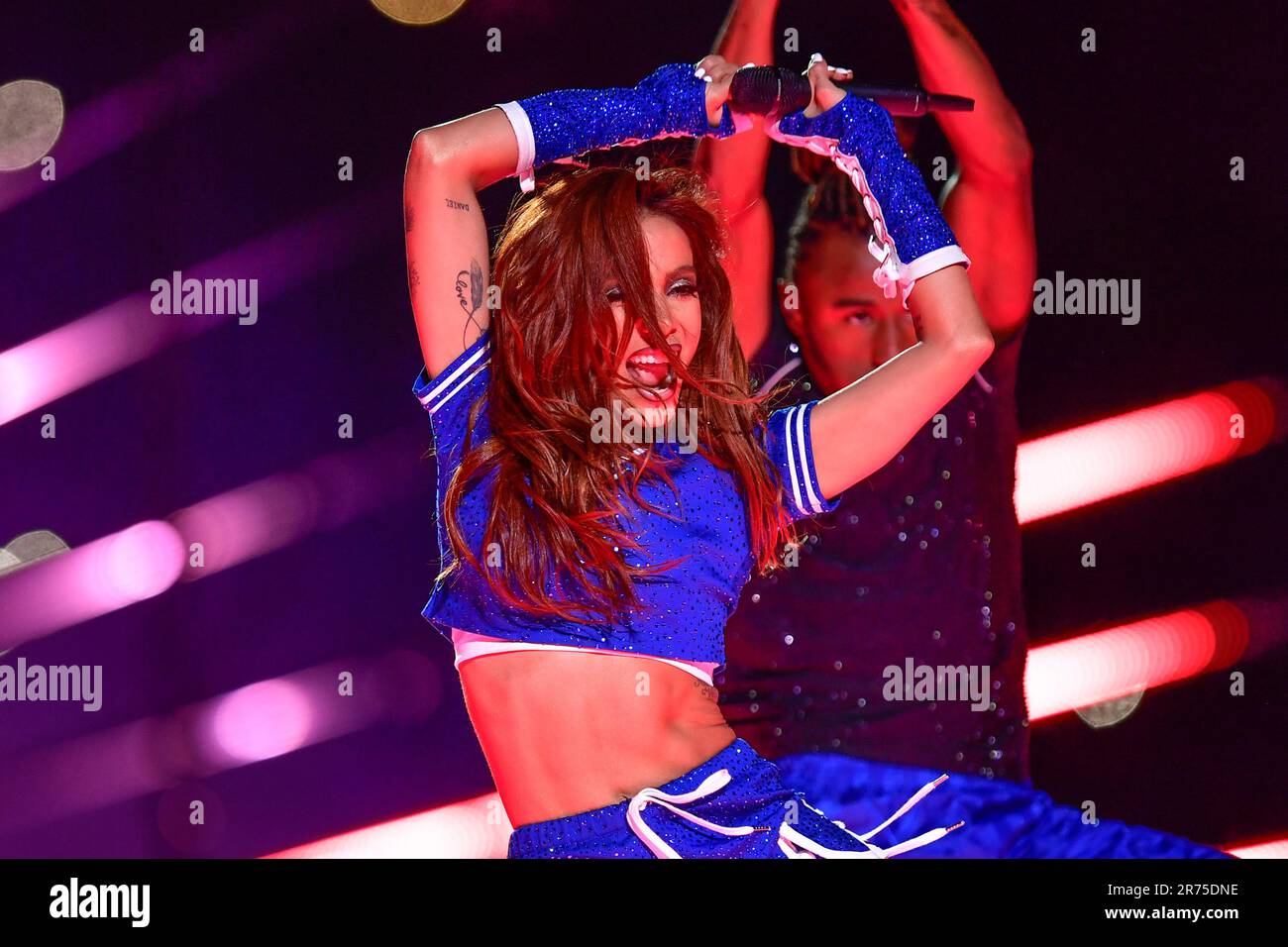
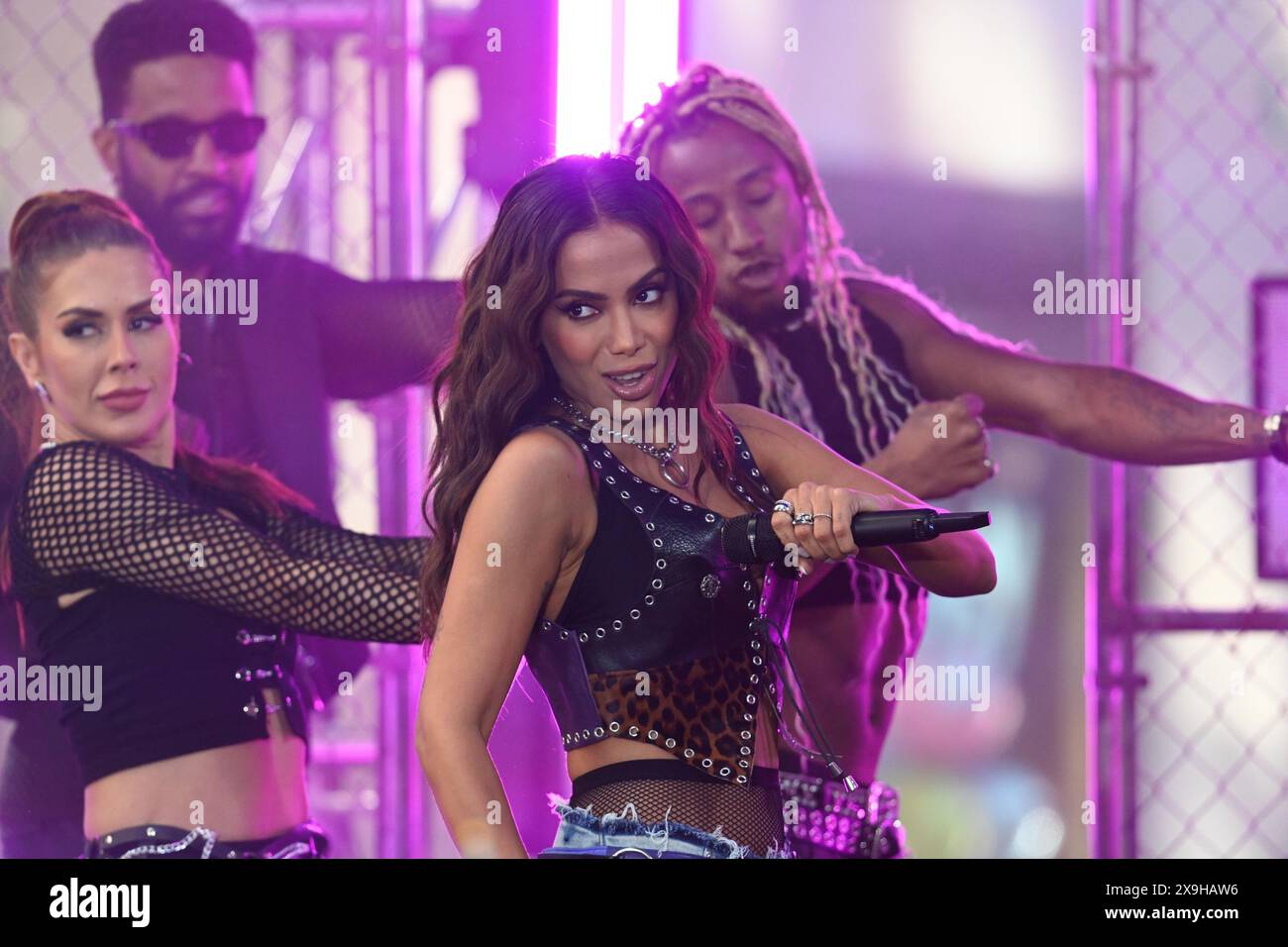
Anitta is a Brazilian singer, songwriter, and business mogul who transitioned from Rio de Janeiro's funk carioca scene to become a global music sensation. By 2026, she has solidified her position as Brazil's most successful international artist, breaking records on Spotify and Billboard while bridging the gap between Latin, American, and Brazilian markets.
The Foundations of a Phenomenon: From Honório Gurgel to Stardom
Larissa de Macedo Machado, known globally as Anitta, was born in 1993 in the working-class neighborhood of Honório Gurgel, Rio de Janeiro. Her stage name was inspired by the character "Anita" from the Brazilian TV miniseries Presença de Anita, whom she admired for being able to be "amazing" without losing her authenticity. Her journey began in the church choir and soon migrated to the sound systems of Rio's "baile funk" parties.
In the early 2010s, Anitta signed with the independent label Furacão 2000, a legendary institution in the world of funk carioca. This genre, often marginalized due to its origins in the favelas, provided the rhythmic backbone for her early hits. However, it was her transition to Warner Music Brazil and the 2013 release of "Show das Poderosas" that catapulted her into mainstream Brazilian consciousness. The song’s music video, featuring sophisticated choreography and high production value, proved that funk could be packaged as high-tier pop, effectively breaking social and economic barriers within the Brazilian music industry.
The Strategic Leap: Mastering the International Market
Anitta’s rise was not accidental; it was the result of a meticulously planned business strategy. Recognizing the limitations of the Portuguese-speaking market, she began a rigorous process of learning Spanish and English, while simultaneously studying international marketing.
Her international breakthrough followed a series of high-profile collaborations. She strategically partnered with major Latin artists like J Balvin ("Ginza" remix and "Downtown") and Maluma ("Sim ou Não"). These moves allowed her to enter the lucrative Hispanic market, which served as a stepping stone toward the United States. By 2026, her discography reflects a polyglot approach, often mixing three languages in a single track—a reflection of the "trilingual" identity she has cultivated to maximize her reach across the Americas and Europe.
The "Checkmate" Project and Digital Dominance
One of the most significant turning points in her career was the 2017 "Checkmate" project. During this campaign, Anitta released a new song and music video every month, featuring different genres and languages. This project produced "Vai Malandra," a return to her funk roots that sparked national conversations about cultural appropriation, beauty standards, and social representation. The success of "Checkmate" proved that she could dictate the pace of the digital music economy, utilizing YouTube and Spotify as her primary tools for global expansion.
Artistic Identity and the "Funk Generation" Era
As of 2026, Anitta’s artistic focus has returned to her roots but through a global lens. Her 2024 album Funk Generation marked a definitive moment where she introduced the authentic sounds of the Rio favelas to international dance floors. Unlike her earlier pop-heavy records, this era focused on "baile funk" beats, polished with high-end production suitable for global clubs.
Her ability to maintain artistic integrity while satisfying the demands of the global recording industry is rare. She has successfully navigated the transition from a local idol to a peer of artists like Cardi B, Missy Elliott, and Madonna—all of whom she has collaborated with. Her performance at the Coachella Valley Music and Arts Festival in 2022 is still cited by critics as a masterclass in cultural diplomacy, where she brought a full-scale Brazilian favela set to the California desert.
| Milestone | Year | Significance |
|---|---|---|
| "Show das Poderosas" | 2013 | Breakthrough hit that defined Brazilian pop-funk. |
| "Checkmate" Project | 2017 | Strategic monthly releases that expanded her global footprint. |
| "Envolver" (Global #1) | 2022 | First Brazilian solo artist to reach #1 on Spotify Global. |
| Funk Generation Album | 2024 | Global release dedicated to the roots of Brazilian funk. |
| Grammy Nomination | 2023/2025 | Recognition by the Recording Academy in major categories. |
| Nubank Board Membership | 2021-2022 | Demonstrated her influence in the corporate and financial sectors. |
Business Acumen and the "Anitta Brand"
Beyond the music, Anitta is recognized as a formidable entrepreneur. For years, she managed her own career, making every decision from marketing budgets to music video concepts. This self-taught business expertise eventually led to her appointment to the Board of Directors of Nubank, one of the world’s largest digital banks, where she advised on marketing and consumer behavior.
Her brand partnerships are vast and calculated. From global deals with Adidas and Samsung to local Brazilian conglomerates, she has moved beyond "influencer" status to become a brand consultant. In 2026, the "Anitta effect" remains a studied phenomenon in business schools, focusing on how a celebrity can leverage personal data, social media engagement, and cultural trends to build a diversified financial empire.
Social Impact and Political Voice
Anitta has not shied away from the complexities of Brazilian politics. Over the last decade, she transitioned from being perceived as a purely commercial artist to becoming a vocal advocate for environmental protection, LGBTQ+ rights, and political literacy among the youth.
She famously used her social media platforms, which reach over 65 million followers, to host live educational sessions with experts on the Brazilian political system. Her ability to translate complex legislative issues into "internet speak" has made her one of the most influential political voices in Brazil, capable of mobilizing millions of young voters. This activism has occasionally made her a target for conservative factions, but it has solidified her legacy as a socially conscious leader.
Challenges and Technical Hurdles in the Global Market
Despite her success, the path to global dominance has not been without technical and cultural obstacles. For a Brazilian artist, the "language barrier" is more than just lyrics; it involves the technical nuances of radio play, streaming algorithms, and cultural nuances in music production.
- Algorithmic Categorization: Streaming platforms often struggle to categorize Brazilian funk, sometimes lumping it in with "Latin Urban" or "Reggaeton." Anitta’s team worked extensively to ensure her music was placed in relevant global playlists while maintaining its specific Brazilian identity.
- Cultural Translation: Phrases and slang from Rio’s favelas do not always have direct equivalents in English or Spanish. Anitta often acts as a translator, ensuring the "vibe" of her music survives the transition to international ears without being watered down.
- Touring Logistics: Exporting a full Brazilian production—complete with dancers and specific rhythmic instruments—requires significant capital and logistics. As of 2026, her world tours are benchmarks for how South American artists can scale their live performances for arenas in Europe and North America.
Frequently Asked Questions
What is Anitta's real name?
Anitta’s birth name is Larissa de Macedo Machado. She adopted the stage name Anitta at the age of 17, inspired by the 2001 Brazilian miniseries Presença de Anita. She felt the character represented a woman who could be both innocent and powerful, a duality she wanted to project in her career.
How did Anitta become famous internationally?
Her international fame was the result of a deliberate "step-by-step" strategy. She first dominated the Brazilian market, then collaborated with established Latin stars like J Balvin to enter the Spanish-speaking market. Finally, she moved to Miami/Los Angeles to record in English and collaborate with American artists like Cardi B and Pharrell Williams, eventually reaching #1 on the Global Spotify chart with "Envolver" in 2022.
Is Anitta still managing her own career in 2026?
While she initially managed herself for many years, she eventually transitioned to working with major international management firms (such as S10 Entertainment and later Republic Records) to handle the immense logistical demands of a global career. However, she remains the primary creative director and executive producer of all her projects, maintaining final approval on all business and artistic decisions.
What genre of music does Anitta sing?
Anitta is primarily a pop and funk carioca artist. However, she is highly versatile and frequently experiments with reggaeton, EDM, R&B, and traditional Brazilian genres like bossa nova and samba. Her 2024 and 2025 releases have leaned heavily into "Global Funk," a modernized version of Brazilian favela music tailored for the international market.
Does Anitta have any acting roles?
Yes, Anitta has expanded into acting, most notably appearing in the seventh season of the hit Netflix series Elite. She has also been the subject of two Netflix docuseries, Vai Anitta and Anitta: Made in Honório, which provide a behind-the-scenes look at her rise to fame and her rigorous work ethic.
Recommendation for Further Exploration
To truly understand the impact of Anitta, listeners should start with her album Versions of Me to see her versatility, followed by Funk Generation to hear her cultural roots. For those interested in the business side of the music industry, the documentary Anitta: Made in Honório is essential viewing, as it details the relentless schedule and strategic thinking required to break out of a regional market and achieve global stardom. Whether you are a fan of pop music or a student of international business, Anitta’s career serves as a definitive case study in modern cultural influence.