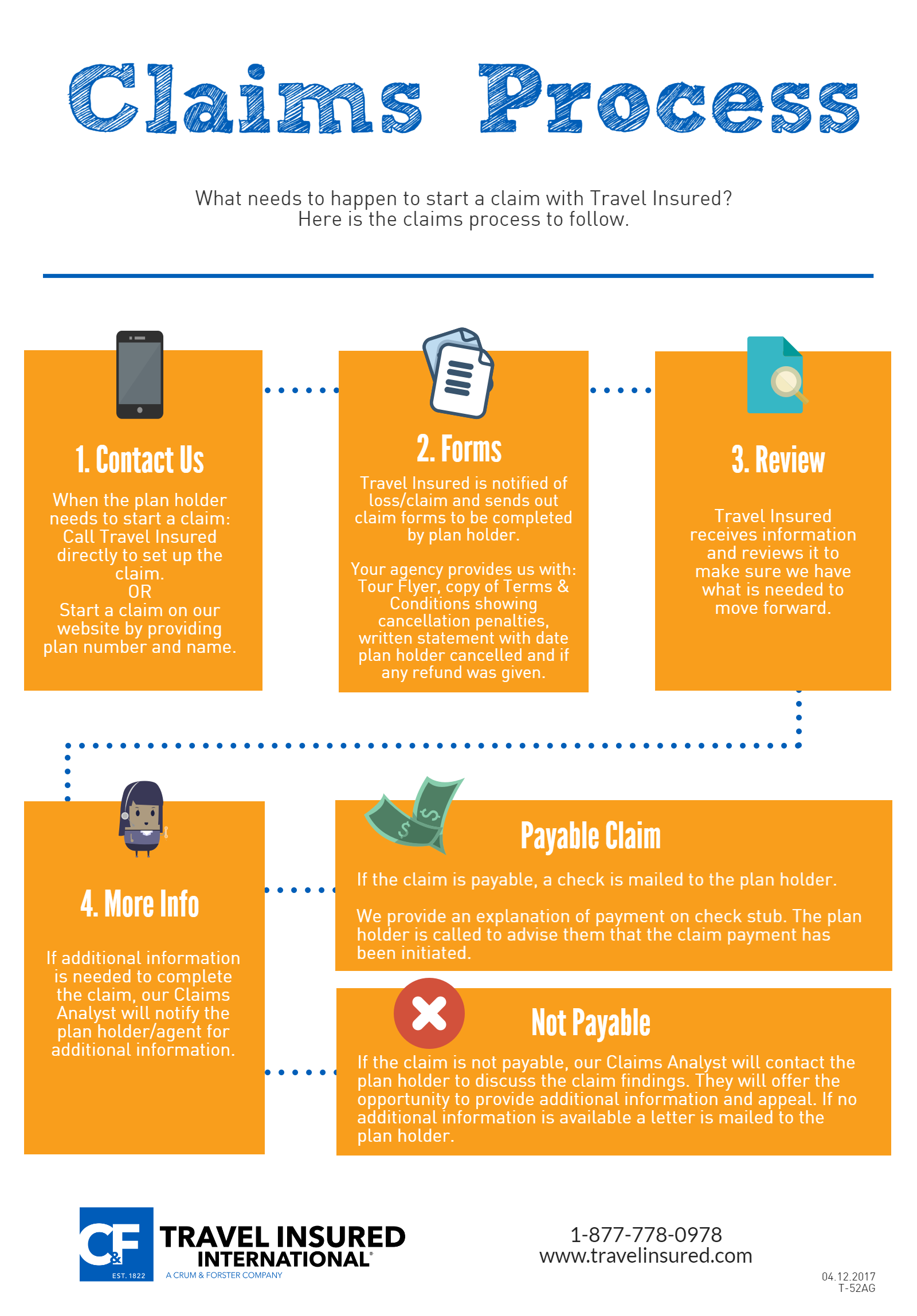
Filing an Americo life insurance death claim requires notifying Americo Financial Life and Annuity Insurance Company, submitting a completed Claimant’s Statement, and providing a certified death certificate stating the cause and manner of death. Beneficiaries must navigate administrative guidelines, potential two-year contestability reviews, policy loan deductions, and specific beneficiary designations to ensure a prompt, full payout.
Overview of Americo Life Insurance Claims
Americo Financial Life and Annuity Insurance Company—along with its affiliated underwriting entities such as Great Southern Life Insurance Company, National Farmers Union Life Insurance Company, and United Fidelity Life Insurance Company—underwrites a wide array of life insurance products. These include term life, whole life, universal life, and final expense policies.
When an insured policyholder passes away, the life insurance contract transitions from an active risk policy to a payable claim. The financial obligation shifts to distributing the proceeds, known as the death benefit, to the designated beneficiaries. While the core objective of filing a claim is simple, navigating insurer requirements, administrative protocols, state insurance regulations, and contractual conditions demands careful attention to detail.
Understanding how Americo evaluates, processes, and settles claims helps beneficiaries avoid unnecessary administrative delays, respond effectively to insurer inquiries, and protect their legal entitlement to the policy proceeds.
Step-by-Step Guide to Filing an Americo Death Claim
Navigating the death claim process involves several clear administrative stages. Following these steps sequentially prevents processing halts and missing documentation flags.
- Initial Notification & Claim Initiation: Report the death to Americo via phone, online, or written form
- Paperwork Procurement: Obtain Claimant's Statement & Certified Death Certificate
- Document Gathering & Form Completion: Complete W-9, verify IDs, attach policy numbers
- Formal Submission to Americo Claims Department: Submit via certified mail, secure upload, or fax
- Adjudication & Verification: Americo reviews status, contestability, and cause of death
- Benefit Settlement & Fund Disbursement: Payout issued via check, ACH, or designated account
Step 1: Notify Americo of the Insured's Passing
The claim process begins by notifying Americo’s claims department of the policyholder’s death. This notification can be initiated by phone, through Americo’s online customer service portal, or by sending written notice.
When contacting Americo, have the following basic details ready:
- Full legal name of the deceased insured
- Policy number (if available)
- Date of birth and Social Security number of the deceased
- Date and location of death
- Contact information of the caller or primary beneficiary
Upon receiving initial notification, Americo opens a claim file, assigns a unique claim tracking number, and sends a formal claim packet to the beneficiary or beneficiaries on record.
Step 2: Receive and Complete the Claimant’s Statement
The Claimant’s Statement (also referred to as the Proof of Death form) is the formal legal document wherein the beneficiary officially requests the policy proceeds. Each beneficiary named in the policy must usually complete and sign their own separate Claimant’s Statement.
Key sections of the Claimant’s Statement include:
- Beneficiary Personal Information: Full legal name, address, contact numbers, date of birth, and Social Security number (or Taxpayer Identification Number).
- Insured Information: Full name, address at time of death, marital status, and employment history.
- Details Surrounding Death: Specific cause of death, contributing health factors, names of treating physicians, and medical facilities involved in the final illness or injury.
- Payment Election: Selection of preferred disbursement method (e.g., lump-sum check, electronic funds transfer, or interest-bearing account).
Step 3: Obtain Certified Copies of the Death Certificate
Americo requires an official, certified copy of the insured's death certificate. A standard photocopy or informational copy is generally insufficient.
To meet underwriting and legal standards, the death certificate must:
- Be issued by the vital statistics office or department of health in the jurisdiction where the death occurred.
- Feature an official raised seal, multicolored stamp, or official registrar signature.
- Explicitly state the cause of death and manner of death (e.g., natural, accidental, homicide, suicide, or pending investigation).
Note: If the death certificate lists the cause of death as "Pending" or "Under Investigation," Americo will pause claim processing until an amended, final death certificate is issued.
Step 4: Assemble Supporting Documentation
Depending on the specific characteristics of the policy and the circumstances of the death, additional supporting documents may be required:
- Original Policy Document: While not always mandatory if policy records are clear in Americo’s system, returning the original contract or submitting a Lost Policy Affidavit may be requested.
- Form W-9 or W-8BEN: Required for federal tax compliance to verify the beneficiary’s taxpayer identification number.
- HIPAA Medical Authorization: If the claim requires a contestability review or involves accidental death benefits, beneficiaries may need to sign medical release forms authorizing hospital and physician record releases.
Step 5: Submit the Completed Claim Packet
Submit all completed, signed, and notarized forms along with the certified death certificate to Americo’s claims department via certified mail (with return receipt requested), secure online upload, or designated claims fax line. Keep duplicate copies of every document submitted, along with record logs of dates and contact names.
Essential Documentation Matrix
The table below outlines the primary documents required when filing an Americo life insurance death claim, their specific purposes, and common pitfalls to avoid.
| Document Name | Primary Purpose | Required Specifications | Common Pitfalls & Delays |
|---|---|---|---|
| Claimant's Statement | Formal request by beneficiary for death benefit disbursement | Signed and dated by each beneficiary; notarized if required by state law | Missing signatures, incorrect policy numbers, or incomplete medical history sections |
| Certified Death Certificate | Official government proof of the insured's death | Certified copy with raised seal/official stamp; must show explicit cause/manner of death | Submitting uncertified photocopies or certificates with "Pending" cause of death |
| Form W-9 / W-8BEN | IRS tax identification verification for payout reporting | Completed with valid Social Security Number (SSN) or Tax ID (TIN) | Mismatched names between W-9 and official government identification |
| HIPAA Authorization | Grants Americo permission to examine medical records | Signed by authorized legal representative or primary beneficiary | Failure to authorize full medical release during the 2-year contestability period |
| Letters Testamentary / Administration | Establishes authority of Estate Representative | Issued by Probate Court with active court seal; required if estate is beneficiary | Submitting expired temporary letters or documents without court authorization |
| Funeral Home Assignment Form | Directs partial benefit payment to cover funeral costs | Signed by beneficiary and funeral director, specifying exact dollar assignment | Assignment amount exceeding total policy benefit or ambiguous payment terms |
Key Considerations and Factors Affecting Claim Approval
Filing an Americo life insurance claim involves more than simply mailing forms. Several contractual, legal, and operational considerations can impact approval times, benefit calculations, and claim decisions.
1. The Two-Year Contestability Period
Under standard state insurance statutes, life insurance policies contain a two-year contestability clause. If the insured dies within two years from the policy’s issue date or effective reinstatement date, Americo has the statutory right to contest the policy.
During a contestability review, Americo verifies whether the applicant made false statements, omitted prior health conditions, or committed material misrepresentation on the original application.
Contestability Review Timeline
Two-Year Contestability Window (From Policy Issued / Reinstated to 2-Year Mark)
- Insured dies during this period:
- Americo orders full medical records
- Application answers are cross-checked
- Claim held pending investigation
- Insured dies after 2 years:
- Incontestability clause applies
- Claim paid promptly absent fraud or explicit exclusions
- Insured dies during this period:
Material Misrepresentation: A material misrepresentation occurs if the applicant failed to disclose a medical condition, smoking status, prescription history, or high-risk activity that would have caused Americo to decline coverage, charge higher premiums, or alter terms during underwriting.
Consequences of Misrepresentation: If material misrepresentation is confirmed, Americo may rescind the policy, deny the death claim, and refund all premiums paid minus administrative charges.
Incontestability: Once a policy has been continuously active for two full years during the lifetime of the insured, the contract generally becomes incontestable, except for non-payment of premiums or explicit fraud where permitted by state law.
2. Accidental Death Benefit (ADB) Riders
If the policy includes an Accidental Death Benefit rider, which pays an additional benefit if death results from an accident, Americo requires independent verification that the cause of death qualifies under the rider's terms.
To process an ADB claim, Americo typically requires:
- Full police investigative reports (if applicable)
- Official coroner or medical examiner autopsy reports
- Complete toxicology screenings
- Eye-witness statements or emergency medical services (EMS) run reports
Accidental death claims can be delayed or denied if the death was caused or contributed to by underlying natural illnesses, medical malpractice, intoxication, non-prescribed controlled substances, or excluded hazardous activities.
3. Policy Loans, Premium Adjustments, and Interest
The net payout amount received by beneficiaries may differ from the face amount printed on the policy due to financial adjustments:
- Outstanding Policy Loans: Any unpaid policy loan balances, plus accrued loan interest, are automatically subtracted from the gross death benefit payout.
- Unpaid Premiums: If the insured died during a grace period with unpaid premiums, Americo deducts the overdue premium amount from the claim payment.
- Statutory Interest: State laws generally mandate that life insurers pay interest on death claim proceeds from the date of the insured's death until the date final payment is issued. This interest is added to the net settlement check and may generate taxable interest income for the beneficiary.
4. Complex Beneficiary Scenarios
How beneficiaries are designated in the policy dictates how claim funds are distributed:
Primary vs. Contingent Beneficiaries
Primary beneficiaries receive proceeds first. Contingent beneficiaries only receive payouts if all primary beneficiaries pre-decease the insured. If a primary beneficiary dies before or simultaneously with the insured, certified death certificates for the deceased beneficiary must be provided.
Minor Beneficiaries
Life insurance companies cannot pay funds directly to minor children under the legal age of majority (typically 18 or 21, depending on state law). If a minor is named as a beneficiary without a legal trust or Uniform Transfers to Minors Act (UTMA/UGMA) custodian designated:
- The claim will be held until a court approves a court-appointed guardian of the minor's estate, or
- The proceeds will remain with Americo earning statutory interest until the minor reaches legal age.
Naming the Estate as Beneficiary
If no living beneficiaries are named, or if the estate is explicitly designated, the proceeds become part of the deceased's probate estate. In this scenario, Americo requires certified Letters Testamentary or Letters of Administration proving that a court-appointed executor or administrator has legal authority to collect funds on behalf of the estate.
Beneficiary Disposition Pathways
- Insured Policyholder Passes
- Primary Beneficiary Alive & Valid?
- Yes: Is Beneficiary an Adult (18+/21+)?
- Yes: Direct Benefit Paid to Beneficiary
- No: Requires Court-Appointed Guardianship or UTMA Trust
- No: Contingent Living & Validly Designated?
- Yes: Direct Benefit Paid to Contingent
- No: Proceeds paid to Insured's Estate (Probate)
- Yes: Is Beneficiary an Adult (18+/21+)?
- Primary Beneficiary Alive & Valid?
Settlement and Payout Options
Americo provides structured payout choices depending on the terms of the specific insurance policy, state guidelines, and beneficiary elections:
- Lump-Sum Payment: A single disbursement sent via physical check or directly deposited into the beneficiary's bank account via direct deposit (ACH). This is the most common payout method.
- Retained Asset Accounts: In some circumstances, funds are placed into an interest-bearing settlement account (such as Americo's Access Account), allowing the beneficiary to draw down funds via checkbook as needed while earning interest on the remaining balance.
- Fixed Period or Life Income Options: Beneficiaries may choose to convert the death benefit into a structured payout or annuity stream, receiving regular income installments over a specified number of years or for the duration of their lifetime.
Troubleshooting Claim Delays and Handling Denials
While most uncontested life insurance claims clear within 10 to 30 business days after all complete paperwork is submitted, delays and denials do happen. Understanding the causes helps beneficiaries resolve issues efficiently.
Common Causes of Processing Delays
- Incomplete Documentation: Missing signatures, un-notarized forms, or failure to include an original certified death certificate.
- Unclear Cause of Death: Death certificates listing initial terms such as "pending," "deferred," or "undetermined" stall review until final coroner findings are filed.
- Contestability Investigations: When an insured dies within two years of policy issuance, obtaining medical records from multiple hospitals, clinics, and physicians can take several months.
- Divorce Directives: In states with automatic revocation-upon-divorce laws, an ex-spouse named as a beneficiary prior to divorce may be legally disqualified unless reaffirmed post-divorce or mandated by a property settlement agreement.
Handling Claim Denials
If Americo denies a death benefit claim, the insurer must issue a written formal rejection letter detailing the specific policy provisions, medical records, or legal grounds for the decision.
Beneficiaries who encounter a claim denial should follow these steps:
- Request the Complete Administrative Claim File: Obtains all medical reviews, underwriting notes, and investigator findings used by Americo to justify the denial.
- Review Policy Exclusions and Language: Verify whether the stated reason for denial (e.g., suicide clause, material misrepresentation, excluded activity) matches the exact policy terms.
- Submit a Formal Administrative Appeal: Provide supplemental medical records, physician affidavits, or legal documentation that refutes the basis of the denial.
- File a State Insurance Department Complaint: If Americo improperly delays or denies a valid claim, beneficiaries can file a complaint with their state Department of Insurance for regulatory review.
- Consult Legal Counsel: Seek advice from an insurance recovery attorney specializing in ERISA or individual life insurance claims litigation to evaluate legal remedies before statutory deadlines expire.
Frequently Asked Questions
How long does Americo take to process and pay out a death claim?
For straightforward, routine claims outside the two-year contestability period, Americo typically processes and disburses death benefits within 10 to 30 days after receiving all completed forms and the certified death certificate. Claims involving contestability reviews, accidental death investigations, or complex estate matters may require several weeks or months to resolve.
What happens if I cannot locate the original Americo policy document?
Losing the physical policy document does not invalidate a beneficiary's claim. Most life insurance companies, including Americo, can verify policy details, active status, and beneficiary designations using internal records. Beneficiaries simply complete a Lost Policy Statement or Lost Policy Affidavit alongside their Claimant's Statement.
Are Americo life insurance death benefits taxable to the beneficiary?
Generally, gross death benefit payouts received from a life insurance policy are exempt from federal income tax under Internal Revenue Code Section 101(a). However, any statutory interest paid by Americo from the date of death to the date of disbursement is considered taxable income and must be reported on IRS Form 1099-INT.
Can Americo deny a claim if the cause of death is still under investigation?
Americo will not automatically deny a claim simply because the initial death certificate lists the cause of death as pending. Instead, the company suspends claim processing until local vital statistics authorities issue a final, amended death certificate specifying the cause and manner of death.
What should I do if the named primary beneficiary passed away before the insured?
If a primary beneficiary dies prior to the insured, the claim rights pass to any surviving primary beneficiaries or designated contingent beneficiaries. You must provide a certified copy of the deceased primary beneficiary's death certificate to Americo along with your claim packet to establish proper title to the policy proceeds.
Recommended Actions for Beneficiaries
To ensure a smooth death claim submission with Americo, follow these practical steps:
- Gather Key Identifiers: Locate policy numbers, the insured’s Social Security number, and contact information for all listed beneficiaries before calling Americo.
- Order Multiple Certified Copies of the Death Certificate: Request 3 to 5 official certified copies of the long-form death certificate showing explicit cause and manner of death from the funeral director or local vital statistics office.
- Complete Claim Forms Accurately: Verify that names, Social Security numbers, and addresses on the Claimant’s Statement match official government ID records exactly.
- Keep Complete Copies of All Correspondence: Maintain an administrative file containing copies of all completed forms, certified mail receipts, fax confirmations, and notes from telephone communications with Americo claims representatives.
- Consult Professionals for Complex Claims: If the policy is within its two-year contestability window, involves substantial outstanding loans, or names minor children or an estate, consult a qualified probate attorney, financial planner, or tax advisory service before finalizing claim elections.