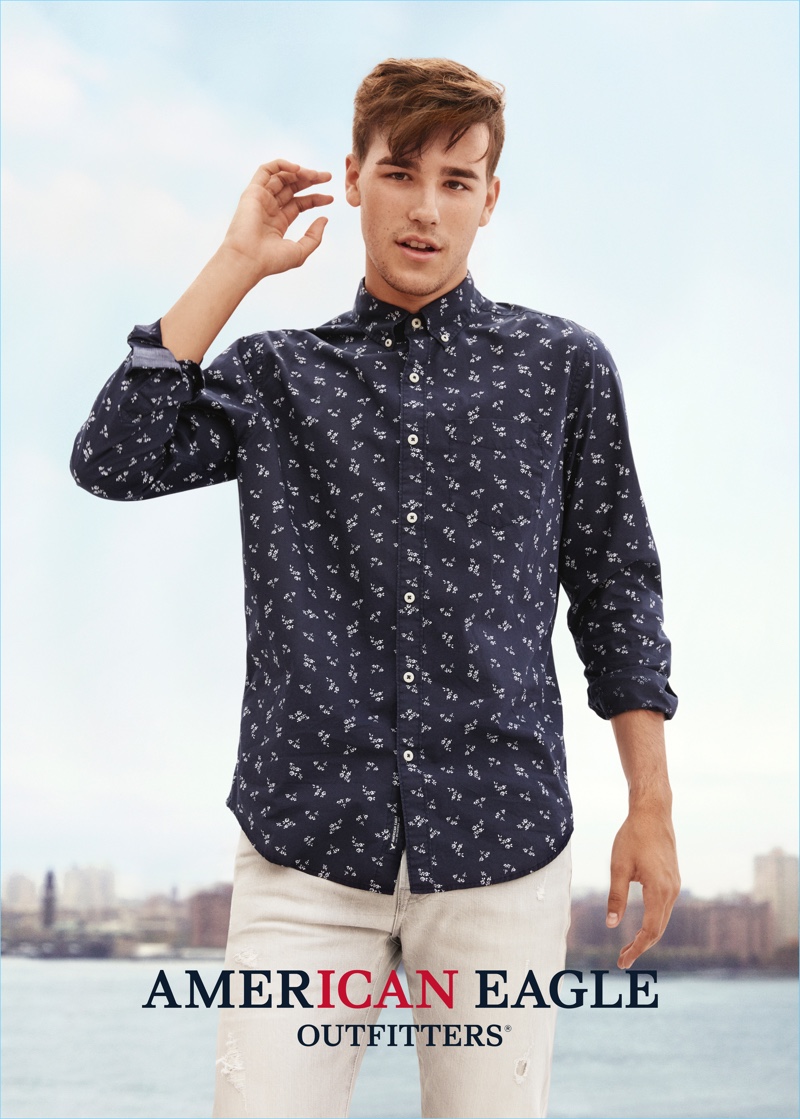
American Eagle and its sub-brand Aerie have redefined fashion industry standards by selecting models and "Role Models" who prioritize authenticity over airbrushed perfection. Key names that have shaped the brand's identity include Iskra Lawrence, Barbie Ferreira, Aly Raisman, and Addison Rae, alongside recent ambassadors like Chase Stokes and Madison Bailey.
The Evolution of the American Eagle Aesthetic
The history of American Eagle Outfitters (AEO) modeling is a journey from the generic "All-American" preppy look of the late 1990s and early 2000s to a contemporary focus on radical inclusivity and social influence. In its early years, the brand's catalogs featured models who fit the standard industry mold of the time—predominantly thin, athletic, and Caucasian. However, as the 2010s approached, the brand recognized a shift in consumer sentiment. The target demographic of "Real" teens and young adults was no longer connecting with unattainable perfection.
The pivot toward "Signature Identities" was not merely a marketing tactic but a structural overhaul of how the brand presented itself to the world. By 2026, this identity has become synonymous with the "Real" movement. The brand stopped using names as just faces for clothes and started using them as pillars of a community. This shift began most notably with the launch of the Aerie Real campaign in 2014, which pledged to stop retouching models. This decision transformed the brand from a standard retailer into a pioneer of the body-positivity movement.
The names associated with American Eagle today are often selected for their personal stories, their activism, or their genuine connection to the Gen Z audience. This approach has allowed the brand to maintain its relevance in a highly competitive market where authenticity is the primary currency.
Defining the Faces: Famous Aerie Real Role Models
The Aerie sub-brand is where the concept of "Signature Identities" truly took root. Instead of traditional models, Aerie began calling its primary representatives "Role Models." This distinction was crucial because it signaled that the person's character and advocacy were as important as their physical appearance.
Iskra Lawrence: The Pioneer of Realness
If one name is synonymous with the Aerie revolution, it is Iskra Lawrence. As the brand's first official "Role Model," Lawrence was instrumental in the "No Retouching" policy. Her presence in campaigns showcased cellulite, stretch marks, and a natural body shape that had been historically edited out of fashion media. Her identity helped Aerie reach a billion-dollar valuation by proving that consumers wanted to see themselves reflected in the clothing they bought.
Barbie Ferreira: Breaking the Mold
Before her breakout role in the television series Euphoria, Barbie Ferreira was a defining face for Aerie. Her 2016 campaign was a viral sensation because it featured an unretouched "curvy" model in a bikini, which at the time was a radical departure from industry norms. Ferreira’s identity as an outspoken advocate for body diversity cemented American Eagle's reputation as a brand that wasn't afraid to challenge the status quo.
Aly Raisman and the Power of Strength
Olympic gymnast Aly Raisman joined the roster of Aerie Role Models to emphasize the intersection of physical strength and mental health. Her involvement moved the needle from "body positivity" to "body neutrality" and resilience. By including high-profile athletes who were also survivors of abuse and advocates for change, American Eagle aligned its brand identity with empowerment and social justice.
Inclusivity Beyond Body Type
The brand's identity expanded further by including names like Ali Stroker, the first actress in a wheelchair to appear on Broadway, and Brenna Huckaby, a Paralympic gold medalist. These names are not just entries in a catalog; they are part of a deliberate effort to represent the full spectrum of the human experience. By 2026, the brand has continued this legacy by ensuring that its model names reflect various abilities, ethnicities, and gender identities.
Modern Ambassadors and the "Members Always" Era
As American Eagle transitioned into the 2020s, the brand identity shifted to include the "Members Always" philosophy. This era focused on digital-first stars who could bridge the gap between social media and traditional retail.
The Gen Z Influence: Addison Rae and Joshua Bassett
The brand leaned heavily into TikTok and entertainment stars to capture the attention of a younger demographic. Addison Rae became a central figure in American Eagle's denim campaigns, leveraging her massive social media following to create a "Signature Identity" that felt accessible yet aspirational. Similarly, actors like Joshua Bassett and Caleb McLaughlin brought a sense of youthful energy and creative talent to the men’s collections.
Chase Stokes and Madison Bailey: The "Outer Banks" Connection
Recognizing the cultural impact of streaming television, American Eagle partnered with the stars of Outer Banks, Chase Stokes and Madison Bailey. Their identities—heavily associated with the outdoors, adventure, and a "laid-back" lifestyle—mirrored the brand's core product offerings: denim, flannels, and comfortable casual wear. This synergy between the actors' public personas and the brand's aesthetic is a hallmark of the AE strategy.
Why Model Diversity Defines the Brand Identity
The strategy of using specific names and stories rather than anonymous faces has significant psychological and financial impacts. From a marketing perspective, this is known as "Brand Humanization." When a consumer sees a name like Jameela Jamil (another prominent Aerie advocate) associated with a brand, they aren't just looking at a sweater; they are aligning themselves with Jamil's stance against toxic beauty standards.
The business impact of these signature identities is evident in the brand's growth. While many traditional retailers struggled during the mid-2020s, American Eagle and Aerie saw consistent engagement because they built a community rather than just a customer base. The "Real" identity acts as a moat, protecting the brand from competitors who may offer similar styles but lack the deep-seated emotional connection with the audience.
Furthermore, the brand’s commitment to diversity serves as a standard for the industry. By 2026, the inclusion of models with Down Syndrome, vitiligo, and various religious backgrounds (such as hijab-wearing models like Halima Aden in earlier campaigns) has become a requirement for brand relevance, a trend that American Eagle helped set.
Historical Context: Notable Names Who Started at American Eagle
It is often forgotten that American Eagle served as a launching pad for many individuals who later became household names. Looking back from the vantage point of 2026, the brand’s "Signature Identities" have often been precursors to major Hollywood or fashion careers.
- Blake Lively: Before her rise to fame in Gossip Girl, Lively appeared in American Eagle campaigns, embodying the "Golden Girl" Americana aesthetic that the brand was known for in the mid-2000s.
- Channing Tatum: One of the most famous male models for the brand, Tatum represented the rugged, athletic male identity that dominated the brand's catalogs before he transitioned into a major film career.
- Maggie Q: The action star was also featured in early AE marketing, highlighting the brand's long-standing (if then nascent) interest in a diverse casting pool.
These historical names show that while the values of the brand have evolved toward "Realness," its ability to identify "it-factor" talent has remained a constant part of its identity.
Strategic Comparison of Brand Eras
To understand how these names shape the brand, it is helpful to look at how the core identity has shifted across different periods of the company's history.
| Era | Primary Identity Theme | Key Names/Ambassadors | Core Visual Strategy |
|---|---|---|---|
| Early 2000s | All-American Prep | Blake Lively, Channing Tatum | High-contrast, outdoor lifestyle, heavily edited. |
| 2014–2018 | The Aerie Real Revolution | Iskra Lawrence, Barbie Ferreira | Zero retouching, focus on body positivity and "flaws." |
| 2019–2023 | The Gen Z Creator Era | Addison Rae, Chase Stokes, Lil Yachty | Social media integration, influencer-led, video-heavy. |
| 2024–2026 | Intersectionality & Purpose | Diverse Activists, Para-athletes, Community Leaders | Radical inclusivity, focus on mental health and social impact. |
How to Become an American Eagle or Aerie Model
For those looking to join the ranks of American Eagle’s signature identities in 2026, the process has moved away from traditional "discovery" toward digital engagement. The brand frequently scouts for its "Real" campaigns through social media hashtags like #AerieReal and #AEJeans.
Scouting and Requirements
Unlike high-fashion brands that may have strict height and weight requirements, American Eagle and Aerie prioritize "uniqueness" and "voice." Prospective models are often asked to share their personal stories or what they stand for. The brand looks for:
- Authenticity: A genuine social media presence that isn't overly curated.
- Community Engagement: Individuals who are already leaders or influencers in their local or digital communities.
- Alignment with Values: A demonstrated interest in mental health, sustainability, or inclusivity.
The Role of Open Casting Calls
Periodically, the brand hosts "Real" casting calls where thousands of everyday customers can apply to be part of a campaign. This "user-generated" model identity is perhaps the most important part of the brand’s soul, as it reinforces the idea that everyone is a model for American Eagle.
Frequently Asked Questions
Who is the most famous Aerie Real model?
Iskra Lawrence is widely considered the most influential Aerie Real model. She was the first official "Role Model" and served as the face of the brand during its most transformative years. Her advocacy for body positivity changed how the entire fashion industry approaches retouching and size inclusivity.
Does American Eagle use professional models or "real" people?
The brand uses a hybrid approach. While they hire professional models for technical catalog shots, their major marketing campaigns feature "Role Models" and ambassadors who are chosen for their public identities, activism, and social influence. They also frequently feature actual customers in their "Aerie Real" campaigns to maintain a sense of authenticity.
Why did American Eagle stop retouching its models?
In 2014, under the Aerie sub-brand, the company launched the "Aerie Real" campaign to combat the negative effects of unrealistic beauty standards on young women's mental health. The success of this campaign was so profound that it became a core part of the brand’s overall identity, leading to increased sales and high levels of customer loyalty.
Are the names of American Eagle models listed in the catalogs?
Historically, fashion catalogs did not list model names. However, with the shift toward brand ambassadors and "Role Models," American Eagle now prominently features the names and social handles of their primary faces on their website, social media, and in-store displays to foster a deeper connection with the audience.
How has the brand's identity changed by 2026?
By 2026, the brand has moved beyond just body positivity to a broader focus on "Intersectionality." This means representing people from all walks of life, including different neurodiversities, gender expressions, and cultural backgrounds. The brand identity is now as much about social advocacy as it is about clothing.
Practical Recommendation for Consumers and Aspiring Models
For consumers, understanding the names and identities behind American Eagle helps in making informed, value-based purchasing decisions. When you buy from a brand that champions identities like Ali Stroker or Brenna Huckaby, you are supporting a corporate culture that prioritizes visibility for underrepresented groups.
For those aspiring to model for the brand, the best path in 2026 is to build a "Signature Identity" of your own. Focus on advocacy, be vocal about your values on social platforms, and engage with the brand’s community-driven hashtags. American Eagle is less interested in a "blank canvas" and more interested in a person with a story to tell.