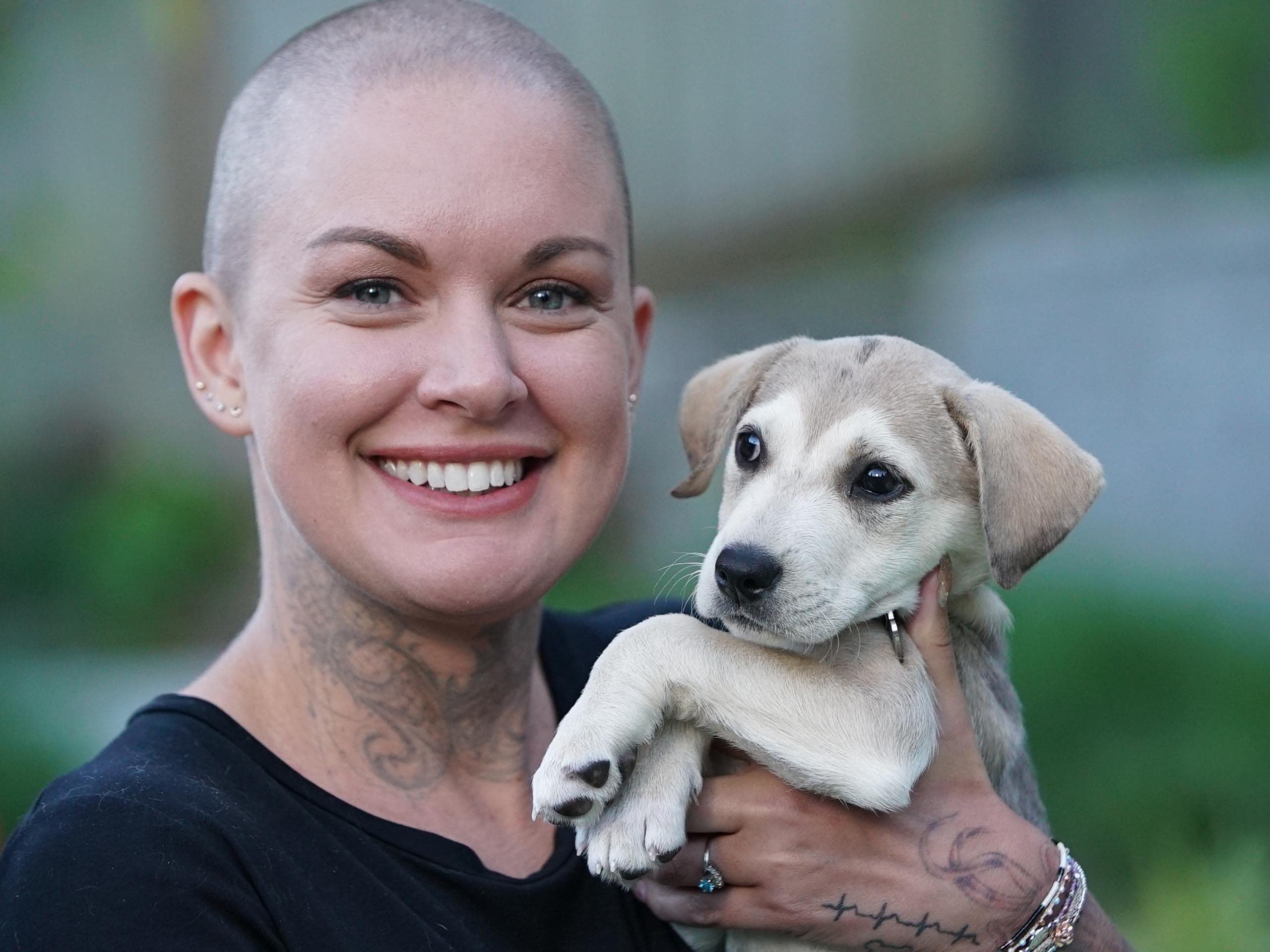
The primary cast of Amanda to the Rescue centers on Amanda Giese, a dedicated animal rescuer, alongside her two children, Jade and Beast. The series documents their efforts through Panda Paws Rescue, a non-profit organization based in Washington state, focusing on rehabilitating animals with severe medical needs, disabilities, or those facing euthanasia in overcrowded shelters.
The Core Mission of Panda Paws Rescue
At the heart of the series is not just a television production, but the daily operation of Panda Paws Rescue. Amanda Giese founded the organization with a specific, often difficult, focus: taking in the "unadoptable." These are animals that other shelters have deemed too medically complex, temperamentally challenging, or costly to save. The show provides a window into the logistical and emotional reality of animal rescue, illustrating how a small team manages the high-stakes requirements of veterinary rehabilitation, physical therapy, and eventual rehoming.
Unlike general animal rescue shows that might focus on simple adoptions, Amanda to the Rescue emphasizes the long-term medical recovery of its residents. The "cast" works in a fluid environment where the primary goal is often saving a life that has been slated for termination. This requires constant coordination with specialized veterinary surgeons, behavioralists, and foster networks.
Profile of the Primary Cast
The show’s narrative is driven by the dynamic between Amanda Giese and her children. While many rescue programs utilize large, transient staffs, this series keeps the focus tight on the family unit, which underscores the personal commitment required to run a rescue out of one’s own home and community.
Amanda Giese
Amanda Giese is the founder and face of Panda Paws Rescue. Her approach to animal welfare is defined by her willingness to take on "hospice" cases or animals requiring reconstructive surgeries. Viewers see her not only as an animal advocate but as an administrator who must handle the financial strain, donor relations, and high-pressure decision-making that defines small-scale non-profit management. Her background in medical-related rescue is a recurring theme, as she navigates complex diagnosis and recovery plans for dogs with congenital conditions.
Jade and Beast
Jade and Beast, Amanda’s children, are integral to the series. Their presence adds a layer of depth to the production, as the show portrays how the entire family’s lifestyle is integrated with the rescue operations. They are not merely observers; they are active participants in the socialization, feeding, and medical care of the animals. This involvement highlights the practical realities of a home-based rescue, where space, time, and attention must be shared between household responsibilities and the urgent needs of recovering animals.
Understanding the Production Structure
The series follows a reality-documentary format. It is essential for viewers to distinguish between the structured narrative presented by the production and the actual, ongoing operations of the rescue. The show captures specific moments—often high-emotion arrivals or critical surgical outcomes—but these represent only a fraction of the daily labor involved.
The "cast" also includes a revolving door of animals. Each episode typically features a new set of urgent cases, meaning the most important characters in the show are the animals themselves. The consistency in the series comes from the family, while the variety and emotional trajectory are dictated by the success or tragedy associated with each rescued pet.
Operational Reality: How the Rescue Functions
Panda Paws Rescue operates under a model that prioritizes individual attention. Because the organization often deals with animals that have been traumatized or possess physical disabilities (such as missing limbs or neurological conditions), the daily routine is highly regimented.
| Feature | Description of Operations |
|---|---|
| Primary Focus | Special needs, medical emergencies, and at-risk shelter animals. |
| Operational Basis | Private residence-based facility and veterinary network. |
| Decision Model | Case-by-case evaluation of quality of life versus medical intervention. |
| Funding | Primarily dependent on private donations, grants, and public support. |
| Success Metric | Long-term recovery and placement in suitable, permanent homes. |
Challenges Faced by the Rescue
The show does not shy away from the harsh realities of the industry. Throughout the series, the audience witnesses the "compassion fatigue" that often affects rescue workers. Managing severe medical cases involves high costs, and the show often documents the logistical hurdles of securing funding for surgeries that can cost thousands of dollars.
Another major challenge portrayed is the behavioral rehabilitation of dogs that have experienced severe neglect or abuse. This process is slow, often frustrating, and requires patience that extends beyond traditional pet ownership. The "cast" of the show must frequently manage expectations when an animal’s progress stalls or when a medical condition proves more terminal than initially diagnosed.
Frequently Asked Questions
1. Is Amanda Giese a licensed veterinarian? No, Amanda Giese is not a veterinarian. She is an animal rescuer and the founder of Panda Paws Rescue. She works in close collaboration with licensed veterinary clinics and surgeons who perform the medical procedures depicted in the series. Her role is primarily focused on the rescue, rehabilitation, transport, and long-term care management of the animals.
2. Where is Panda Paws Rescue located? The rescue is based in the state of Washington. It functions as a non-profit organization and does not operate as a traditional public shelter where individuals can drop off pets. Because of the specialized nature of the cases they take in, they often coordinate with other shelters across the country to transport animals in critical need of their specific expertise.
3. How do the rescue operations remain sustainable? Sustainability for a specialized rescue like Panda Paws relies on a consistent stream of donations from the public and the strategic use of social media to showcase specific animal cases. By highlighting the individual stories of the animals under their care, the organization generates support for specific medical bills, which is the largest recurring cost for the rescue.
4. Are all the animals featured on the show adopted? While the goal of every rescue is permanent adoption, the reality for Panda Paws includes a significant number of animals with terminal conditions. For some, the rescue acts as a sanctuary where the animal lives out its remaining time in a safe and comfortable environment. Consequently, not every animal seen on the show will be available for adoption.
5. How are the behavioral issues of the rescued animals handled? The team utilizes a combination of positive reinforcement training and consistent, stable environments. Because the rescue is home-based, the animals are integrated into a family dynamic, which is often the first time many of these dogs have experienced a supportive, calm household. This environment is crucial for assessing how a dog interacts with humans and other animals before they are considered for adoption.
Next Steps for Interested Supporters
If you are interested in the ongoing work of the cast and the organization, the most direct way to engage is through their official digital channels. Panda Paws Rescue maintains a presence where they share updates on the animals currently in their care. Prospective supporters should verify that they are interacting with the official, verified channels of the organization to ensure their contributions reach the intended cause. For those looking to adopt, the process typically involves an application and a thorough vetting procedure to ensure that the unique medical or behavioral needs of the rescue animals match the capabilities of the potential adopter.