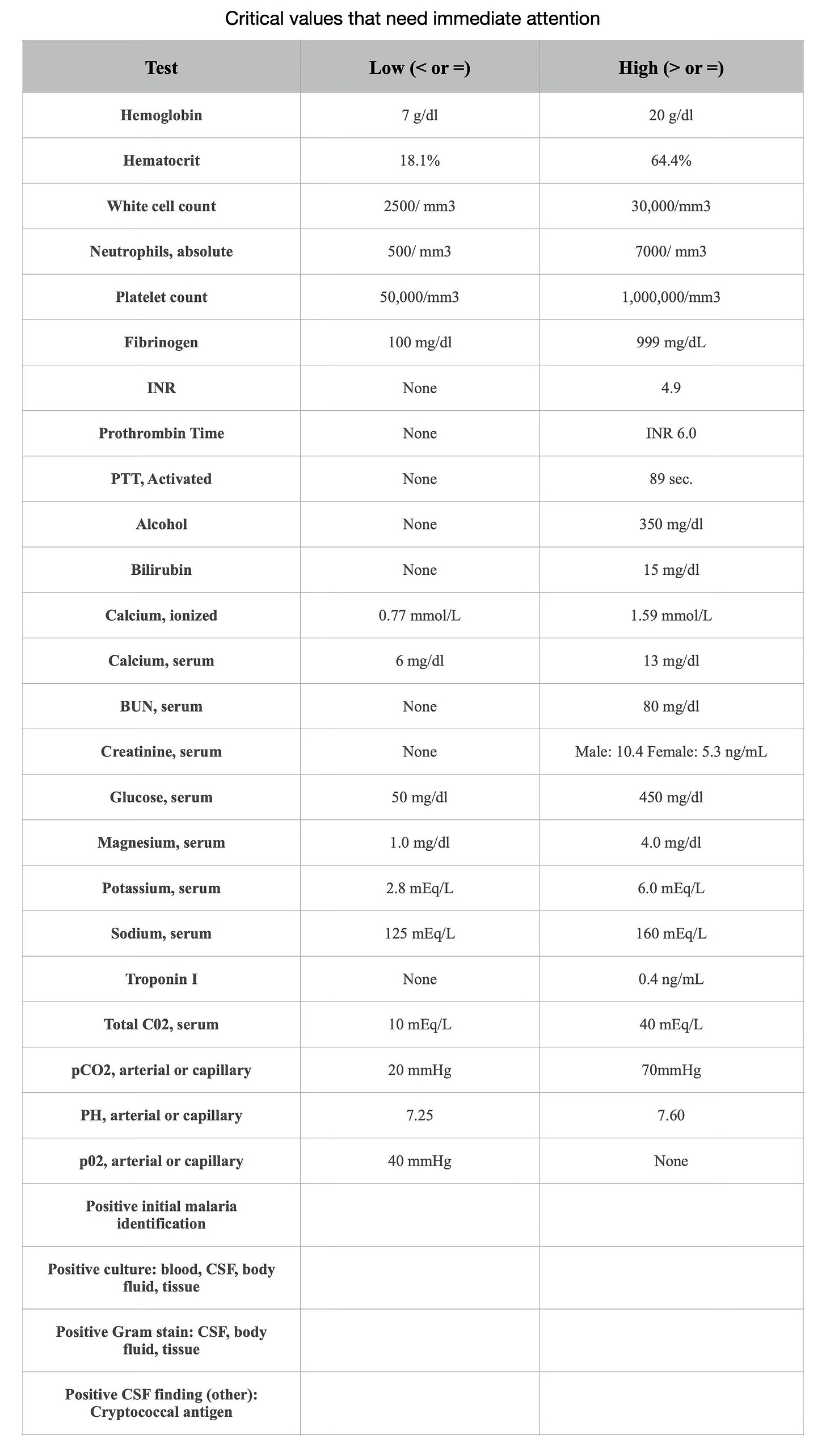
Allstate life insurance blood test results are a critical component of the underwriting process used to determine your risk class and premium rates. These results provide a snapshot of your cardiovascular health, organ function, and blood sugar levels. You can typically access these results via the third-party medical examiner’s portal, such as ExamOne or APPS, or by requesting a copy directly from your Allstate agent or the underwriting department.
When you apply for a life insurance policy through Allstate—which, as of 2026, continues to service a vast portfolio of legacy policies while partnering with entities like Everlake and Protective for new coverage—the medical exam serves as the primary tool for price discovery. The blood test, often called a "blood profile," allows underwriters to look beneath the surface of your height, weight, and self-reported history to see how your body is actually functioning.
Understanding these results is essential because they directly impact your wallet. A single "out-of-range" marker for cholesterol or glucose can mean the difference between a "Preferred Plus" rating and a "Standard" rating, potentially costing you thousands of dollars over the life of the policy.
How to Access Your Allstate Life Insurance Blood Test Results
The first question most applicants ask after their paramedical exam is how to actually see the data. Allstate does not typically perform the blood draw themselves; instead, they contract with national medical examination services.
Third-Party Portals
Most Allstate exams are conducted by companies like ExamOne (a Quest Diagnostics company) or APPS (American Paramedical Services). Once the laboratory finishes processing your samples, these companies host the results on secure portals. You will usually receive a barcode or a set of instructions from the examiner at the time of your appointment. As of 2026, most applicants receive a digital notification or SMS link within 7 to 14 days of their appointment to view their "Laboratory Results Online" (LRO).
Requesting Results Through Your Agent
If you cannot find your login information for the examiner’s portal, your Allstate agent can often facilitate the retrieval of a "Summary of Underwriting." While agents may not always see the granular lab data for privacy reasons, they can request that the carrier mail a hard copy of the results to you. Under the Fair Credit Reporting Act (FCRA), you have the right to know the information used to make an underwriting decision, especially if you are "rated" (charged more) or declined.
The Underwriting Disclosure
If your application results in a higher-than-expected premium, Allstate is required to provide an adverse action notice. This document may not contain the full blood report, but it will specify the medical reason for the rating. You can then use this notice to request the specific lab values that triggered the decision.
Key Biomarkers: What the Underwriters Are Looking For
Life insurance blood tests are much more comprehensive than the "wellness panels" often ordered by primary care physicians. Underwriters are looking for long-term stability and signs of chronic disease that could affect longevity.
Lipid Profile (Cholesterol and Triglycerides)
The lipid panel is the most scrutinized section of the report because it correlates directly with cardiovascular health.
- Total Cholesterol: Underwriters generally prefer a total cholesterol level under 200 mg/dL, though many will allow up to 220 or 240 if the ratio is good.
- HDL (High-Density Lipoprotein): This is "good" cholesterol. A high HDL (above 60 mg/dL) can sometimes earn you "credits" that offset a slightly high total cholesterol.
- Cholesterol/HDL Ratio: This is often more important than the total number. A ratio of 4.5 or lower is typically required for "Preferred" rates.
- Triglycerides: High triglycerides (above 150 mg/dL) can suggest poor diet, lack of exercise, or early signs of metabolic syndrome.
Blood Sugar and Diabetes Markers
Allstate's underwriters pay close attention to glucose and Hemoglobin A1C.
- Fasting Glucose: A normal range is generally 70–99 mg/dL. If you did not fast before your exam, this number might be elevated, which is why underwriters rely more heavily on the A1C.
- Hemoglobin A1C: This measures your average blood sugar over the past three months. For the best rates in 2026, an A1C below 5.5% is ideal. Anything above 6.0% may suggest prediabetes, while 6.5% or higher is a diagnostic threshold for diabetes.
Liver Function Tests (LFTs)
The liver enzymes (AST, ALT, and GGT) indicate whether the liver is stressed. While a slight elevation might just mean you had a glass of wine the night before or took an extra-strength Tylenol, significantly high levels can indicate fatty liver disease, hepatitis, or excessive alcohol consumption. GGT is particularly sensitive to alcohol use and is a primary tool for insurance companies to verify the "lifestyle" answers provided on your application.
Kidney Function (Renal Panel)
- Creatinine: This is a waste product filtered by the kidneys. If levels are high, it suggests the kidneys are not filtering efficiently.
- BUN (Blood Urea Nitrogen): Another marker for kidney and liver health.
- eGFR (Estimated Glomerular Filtration Rate): This is the most accurate measure of kidney function. A rate above 60 is standard, while levels below 60 may trigger further investigation into chronic kidney disease.
Understanding Insurance Risk Classes
When you receive your results, you won't see a "Pass" or "Fail" grade. Instead, Allstate uses the data to assign you to a risk class. Each class has a pre-determined price point.
| Risk Class | Typical Blood Pressure | Cholesterol Ratio | A1C Levels | Nicotine Status |
|---|---|---|---|---|
| Preferred Plus | < 120/80 | < 4.5 | < 5.5% | Non-user (usually 5+ years) |
| Preferred | < 135/85 | < 5.0 | < 5.7% | Non-user (usually 2+ years) |
| Standard Plus | < 140/90 | < 5.5 | < 6.0% | Non-user (usually 1+ year) |
| Standard | < 145/90 | < 6.0 | < 6.4% | May allow occasional use |
| Substandard | > 150/95 | > 7.0 | > 6.5% | Often includes heavy users |
Note: These ranges are illustrative of common 2026 industry standards and may vary based on specific Allstate/Everlake underwriting guidelines and the applicant's age.
The Role of Cotinine Testing
A major component of the Allstate blood (and urine) test is the screen for cotinine, a byproduct of nicotine. If you applied as a non-smoker but have used cigarettes, cigars, vaping products, or nicotine gum recently, it will appear in your results.
Cotinine can stay in the blood for several days and in the urine for up to a week or more. If you test positive for nicotine while applying for non-smoker rates, Allstate will likely "rate" the policy as a smoker policy, which can triple or quadruple the premium. If the discrepancy is viewed as "material misrepresentation," they may even decline the application entirely.
Common Reasons for "Abnormal" Results (And How to Handle Them)
It is surprisingly common for a healthy person to receive an abnormal lab result. Before panicking, consider whether environmental factors influenced the draw.
Dehydration
If you did not drink enough water before your exam, your kidney markers (like Creatinine) and your blood concentration levels may appear skewed. Dehydration can make certain levels look higher than they actually are.
Recent Intense Exercise
If you performed a heavy weightlifting session or ran a marathon 24–48 hours before the blood draw, your AST and ALT (liver enzymes) and Creatinine levels can spike. Underwriters are generally aware of this, but it may require a letter of explanation or a re-test.
Lack of Fasting
While some modern life insurance tests are "non-fasting," most still prefer an 8-to-12-hour fast. If you ate a high-sugar or high-fat meal before the test, your glucose and triglycerides will likely be outside the "Preferred" range.
Medication Interference
Certain prescription medications or even over-the-counter supplements can affect liver enzymes or blood thinning markers. Ensure you have listed all medications on your application so the underwriter can contextualize the results.
Next Steps If Your Results Affect Your Rates
If your Allstate blood test results lead to a higher premium than you were quoted, you have several options in 2026:
- Request a Re-test: If you believe a specific result was a fluke (e.g., high glucose because you forgot to fast), you can ask Allstate for a "re-draw." They may or may not grant this, often depending on how close the result was to the cutoff.
- Provide Attending Physician Statement (APS): If your labs show a chronic issue that you are already managing with a doctor, Allstate may request your medical records. If your doctor’s notes show the condition is "well-controlled," the underwriter may be more lenient.
- Wait and Re-apply: Many health markers, such as cholesterol and A1C, can be improved through diet and lifestyle changes. You can accept a policy now and ask for a "re-consideration" or a new medical exam in 12 to 24 months once your health has improved.
- Shop Other Carriers: Every insurance company has its own "underwriting niches." One company might be very strict about family history but lenient about cholesterol, while another (like Allstate/Everlake) might have specific tolerances for blood pressure. Working with an independent broker can help you find the carrier that views your specific blood profile most favorably.
FAQs About Allstate Life Insurance Blood Tests
Does Allstate test for drugs in the blood results?
Yes. The laboratory screen typically includes a panel for common drugs of abuse, including cocaine, amphetamines, barbiturates, and opiates. As of 2026, many carriers have updated their stance on marijuana (THC), but it is often still tested. While THC use may not lead to a decline, it might disqualify you from "Preferred Plus" or "Preferred" non-smoker rates depending on the frequency and method of use.
Can I get a copy of my results if I am declined?
Absolutely. Under federal law, if you are declined for insurance based on medical information, the insurer must provide you with the specific reasons. You can request that the lab results be sent to you or directly to your primary care physician.
How long does it take for Allstate to process blood results?
The laboratory typically finishes the analysis within 3 to 5 days. However, the underwriting review—where a human or an automated system evaluates those numbers against Allstate’s risk charts—usually takes an additional 1 to 2 weeks.
Will Allstate share my results with my doctor?
No, Allstate will not automatically send your results to your doctor. They are a private entity and the results are for underwriting purposes. However, it is highly recommended that you download the results and share them with your physician, as insurance labs sometimes catch early-stage issues (like high blood sugar or kidney stress) before they cause symptoms.
Are these results private?
Insurance companies are bound by privacy laws and the Health Insurance Portability and Accountability Act (HIPAA) in how they handle your data. However, the results are typically shared with the MIB (formerly Medical Information Bureau). This is a central database used by insurance companies to prevent fraud. If you apply for life insurance elsewhere, that company will be able to see that you had "abnormal findings" on a previous insurance exam, though they won't necessarily see the raw data without your permission.
Summary and Practical Advice
The blood test is the "truth serum" of the life insurance application. For Allstate policyholders and applicants in 2026, the key to a successful outcome is preparation and transparency.
To ensure the best possible results, fast for at least 10 hours, avoid caffeine and nicotine the morning of the test, and refrain from strenuous exercise for 48 hours prior. Once you receive your report, review it alongside your physician. Even if the results lead to a slightly higher premium, they offer a valuable, free health screening that can help you manage your long-term wellness. If your results are significantly better than your current policy's rating, you should use that data to negotiate a rate reduction or shop for a new policy to lower your monthly costs.