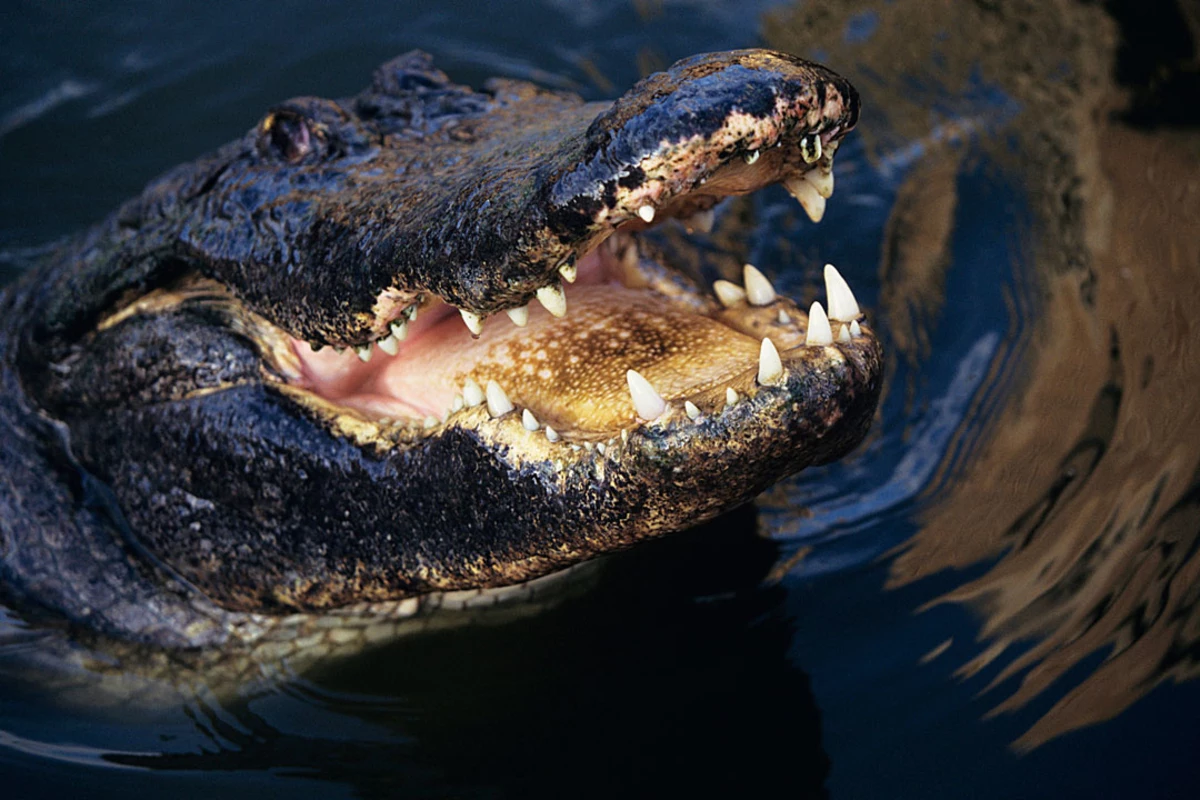
In September 2023, a 13-foot, 8.5-inch alligator was discovered in Largo, Pinellas County, with the remains of 41-year-old Sabrina Peckham in its mouth. The incident, occurring near a residential area, led to the immediate euthanization of the alligator and sparked a comprehensive investigation into wildlife safety and transient encampments near Florida waterways.
The Discovery in Largo: A Witness Account and Initial Response
The incident came to public attention on a Friday afternoon when a local resident, Jamarcus Bullard, observed a massive alligator in a canal near 134th Avenue North and 121st Street in Largo. Bullard reported seeing the alligator with a human torso in its jaws, an image that quickly mobilized the Pinellas County Sheriff’s Office (PCSO) and the Florida Fish and Wildlife Conservation Commission (FWC).
The location of the discovery was significant. The canal is situated near Ridgecrest Park, a popular local recreation area, and is bordered by residential neighborhoods. The presence of such a large apex predator in a high-traffic human area underscored the ongoing challenges of urban-wildlife encroachment in Florida. Upon arrival, emergency responders confirmed the witness's report and initiated a recovery operation that required the removal of the alligator from the water to retrieve the victim's remains.
The process of managing the alligator was complex. Given the size of the animal—measured later at nearly 14 feet—specialized equipment and wildlife officers were required to "humanely kill" the reptile, a standard procedure when an alligator is involved in a fatal encounter with a human. This ensures that the animal does not remain a threat and allows for a forensic examination of the stomach contents to confirm the timeline of the attack.
Identifying the Victim: The Circumstances of Sabrina Peckham
The victim was identified as Sabrina Peckham, a 41-year-old woman who was part of the local transient community. At the time of her death, Peckham was reportedly living in a makeshift campsite in a wooded area near the canal. Her proximity to the water, especially in an area known for heavy vegetation and alligator habitats, placed her at high risk for a predatory encounter.
Records indicated that Peckham had a history of trespassing in the area. In the months prior to the incident, she had been cited for being on county property after hours, specifically in areas close to the canal system. This detail highlights a recurring issue in Florida: the intersection of homelessness and environmental hazards. Those living in unsheltered conditions often seek out secluded areas near water for privacy or cooling, unknowingly entering the primary hunting grounds of large alligators.
The medical examiner’s report later confirmed that Peckham’s death was caused by the alligator attack. While some initial speculation questioned whether the animal had simply scavenged a body that was already deceased, forensic evidence pointed toward a predatory strike. Alligators are opportunistic hunters, and a 13-foot specimen is capable of taking down large mammalian prey, including humans, with a combination of an ambush strike and a "death roll" underwater.
The Role of the Florida Fish and Wildlife Conservation Commission (FWC)
The FWC plays a critical role in managing Florida’s alligator population, which is estimated to be around 1.3 million animals. Following the Pinellas County incident, the FWC’s Statewide Nuisance Alligator Program (SNAP) was scrutinized. SNAP is designed to address complaints regarding alligators that are at least four feet in length and believed to pose a threat to people, pets, or property.
How SNAP Operates
When a nuisance alligator is reported, the FWC dispatches a contracted nuisance alligator trapper. Unlike standard wildlife relocations, alligators removed under the SNAP program are typically euthanized rather than relocated. This is because alligators are highly territorial and have a strong homing instinct. If relocated, a large alligator will often attempt to return to its original capture site, potentially traveling long distances and crossing roads or residential areas in the process. Additionally, introducing a large alligator into a new territory can lead to violent conflicts with the existing alligator population in that area.
In the case of the Largo incident, the sheer size of the alligator necessitated an immediate and lethal response. The FWC maintains that once an alligator has attacked a human, it must be removed from the ecosystem permanently. The 2023 event served as a somber reminder of the efficacy and necessity of these protocols in a state where human and alligator habitats are inextricably linked.
Forensic Analysis and Wildlife Biology
The alligator involved in the Pinellas County case was an exceptionally large male. For context, most adult alligators in Florida average between 8 and 10 feet. Reaching a length of nearly 14 feet indicates that the animal was likely several decades old and had a well-established territory in the McKay Creek or Ridgecrest area.
Alligator Hunting Mechanics
Alligators are apex predators that rely on stealth and explosive power. They typically hunt at the water’s edge, remaining submerged with only their eyes and nostrils above the surface. Their bite force is among the strongest in the animal kingdom, measured at over 2,000 pounds per square inch (psi) for large specimens. Once an alligator latches onto its prey, it uses its weight and powerful tail to roll the victim underwater, leading to drowning or catastrophic trauma.
The forensic examination of the alligator in the Peckham case was essential for the Pinellas County Medical Examiner’s Office. By examining the remains and the animal's digestive tract, investigators could piece together the sequence of events. This process is vital for public safety records, as it helps wildlife biologists understand the frequency and nature of unprovoked attacks versus those prompted by human interaction, such as illegal feeding.
Alligator Safety and Management Data
To better understand the risks associated with alligators in Florida, it is helpful to look at the statistical frequency of encounters and the characteristics of the animals involved.
| Characteristic | Nuisance Alligator (SNAP) | Fatal Incident Alligator | Typical Wild Alligator |
|---|---|---|---|
| Average Length | 4 to 7 feet | 10+ feet | 6 to 9 feet |
| Primary Diet | Fish, turtles, small mammals | Large mammals, deer, hogs | Crustaceans, fish, birds |
| Human Proximity | High (Residential canals) | Variable (Often remote/wooded) | Low (Swamps/Marshes) |
| FWC Action | Removal by contracted trapper | Immediate Euthanization | Monitoring/Conservation |
| Risk Level | Moderate (Pet/Small child risk) | High (Predatory threat) | Low (Avoids humans) |
This data illustrates that while any alligator over four feet is considered a potential nuisance, the animals involved in fatal attacks are almost exclusively large, mature adults. These older alligators have fewer natural fears and are more likely to view large mammals as viable prey.
Legal and Social Implications for Pinellas County
The aftermath of the Sabrina Peckham incident led to a broader discussion regarding the management of "transient camps" near waterways in Pinellas County. The Pinellas County Sheriff’s Office and local municipalities faced pressure to increase patrols in wooded areas adjacent to canals and lakes.
Encampment Safety
For the homeless population in Florida, the risks extend beyond weather and lack of resources. The geography of Pinellas County—a peninsula with high water table levels and numerous man-made canals—means that almost any secluded outdoor area is near a potential alligator habitat. Local advocates have used this tragedy to call for more accessible housing and safer designated camping areas that are far removed from the wildlife corridors used by large reptiles.
From a legal standpoint, the incident reinforced the enforcement of "no trespassing" laws in environmental transition zones. While these laws are often criticized as being punitive toward the homeless, the PCSO maintains that they are also a matter of public safety. Preventing individuals from residing in high-risk wildlife areas is a priority for preventing future tragedies.
Living with Alligators in Florida: Guidelines for 2026
As of 2026, the guidance for Florida residents and visitors remains rooted in the principle of "coexistence through distance." The FWC continues to emphasize several core safety rules that are especially pertinent in Pinellas County, where the population density remains high.
- Never Feed Alligators: This is the most critical rule. Feeding an alligator causes it to lose its natural wariness of humans and associate people with food. In many cases, "nuisance" alligators are those that have been habituated to human presence through illegal feeding.
- Maintain Distance: Always stay at least 60 feet away from any alligator. If an alligator hisses or lunges, you are too close.
- Swim Only in Designated Areas: Only swim in areas clearly marked for human use during daylight hours. Alligators are most active between dusk and dawn.
- Keep Pets Away from the Water’s Edge: Dogs and cats are the size of an alligator’s natural prey. Always walk pets on a leash and keep them a safe distance from the shoreline of any Florida body of water.
- Dispose of Fish Scraps Properly: Anglers should never throw fish carcasses into the water near docks or boat ramps, as this attracts alligators to areas where people are active.
Frequently Asked Questions
What should I do if I see a large alligator in a residential area?
If you encounter an alligator that you believe poses a threat to people, pets, or property, call the FWC’s Nuisance Alligator Hotline at 866-FWC-GATOR (866-392-4286). Do not attempt to move or harass the animal yourself. The FWC will assess the situation and, if necessary, dispatch a permitted trapper to remove the alligator.
Are alligator attacks common in Pinellas County?
While Pinellas County has many alligators, fatal attacks are extremely rare. The 2023 incident involving Sabrina Peckham was a significant outlier. Most interactions between humans and alligators result in the alligator swimming away. However, the high density of both humans and alligators in the county means that sightings are common, and caution is always required near fresh or brackish water.
Why wasn't the alligator in the Largo incident relocated?
Relocation is not a viable option for large alligators. They have powerful homing instincts and will often return to their capture site, creating further hazards during their trek. Furthermore, an alligator that has killed a human is classified as a high-risk animal and must be euthanized to ensure public safety and to allow for forensic testing.
How do I know if a body of water has alligators?
In Florida, you should assume that every body of fresh or brackish water contains alligators. This includes lakes, rivers, canals, ponds, and even golf course hazards. Even if you do not see an alligator, they are experts at camouflage and can remain hidden just beneath the surface or within thick bank vegetation.
What happened to the alligator after the 2023 incident?
Following the recovery of the victim, the alligator was humanely euthanized by FWC officials and a nuisance alligator trapper. Forensic teams examined the animal to confirm its involvement in the death of Sabrina Peckham. Large alligators involved in such incidents are typically disposed of after the investigation is complete, following state protocols for biohazardous material or scientific study.
Final Recommendation for Residents
The tragic event in Largo serves as a stark reminder of the power of Florida’s native wildlife. The primary recommendation for all residents of Pinellas County is to remain vigilant near the water’s edge, particularly in areas with dense vegetation or limited visibility. If you observe individuals living in unauthorized encampments near waterways, reporting these locations to local social services or non-emergency law enforcement can help move those individuals to safer environments and prevent further predatory encounters. Awareness and adherence to FWC guidelines are the most effective tools for preventing human-alligator conflict.