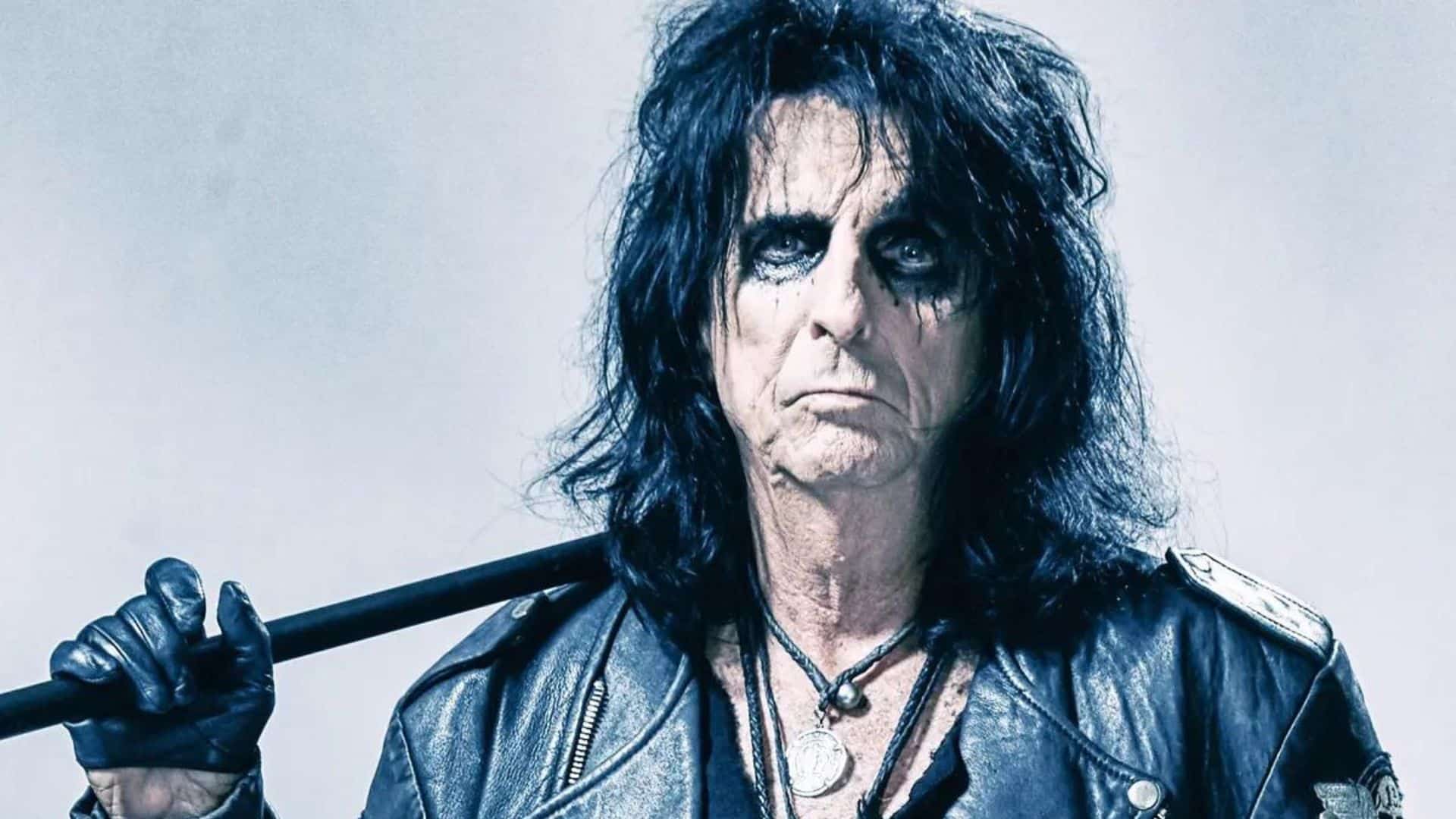
Before he became the singular "Godfather of Shock Rock," Alice Cooper was not a solo artist, but the name of a high-octane five-piece rock band. The original Alice Cooper band—consisting of lead singer Vincent Furnier, guitarists Glen Buxton and Michael Bruce, bassist Dennis Dunaway, and drummer Neal Smith—pioneered a theatrical, gritty style of rock that bridged the gap between 1960s psychedelia and 1970s heavy metal.
As we look back from 2026, the legacy of Alice Cooper’s early band remains a cornerstone of rock history. They were far more than a backing group for a charismatic frontman; they were a collaborative unit of avant-garde musicians who intentionally sought to offend the sensibilities of the "Peace and Love" generation while perfecting the art of the three-minute hard rock anthem. Understanding the band’s trajectory requires tracing their evolution from high school cross-country runners to the architects of the most controversial stage show in music history.
The Formative Years: From The Earwigs to The Spiders (1964–1967)
The story of Alice Cooper’s early band began in Phoenix, Arizona, in 1964. At Cortez High School, several members of the cross-country team—Vincent Furnier, Glen Buxton, and Dennis Dunaway—decided to enter a local talent show. Lacking musical training, they formed a group called The Earwigs. Their performance was largely a parody of the British Invasion; they wore Beatles wigs and performed "Please Please Me" with modified lyrics.
The unexpected success of the talent show performance sparked a genuine interest in music. The group quickly evolved into The Spiders, adding Michael Bruce on rhythm guitar and Neal Smith on drums. By 1965, The Spiders were a legitimate garage rock outfit, heavily influenced by The Yardbirds and The Rolling Stones. They became a staple of the Phoenix teen club circuit, recording local hits like "Don't Blow Your Mind."
The Spiders’ stage presence was already beginning to diverge from the norm. While other bands were focused on technical proficiency or folk-rock harmonies, The Spiders leaned into a dark, aggressive energy. Their local success prompted a move to Los Angeles in 1967, where they briefly changed their name to The Nazz. However, upon discovering that Todd Rundgren already had a band named The Nazz, they realized they needed a moniker that was entirely unique and potentially unsettling.
The Birth of the Alice Cooper Identity
The transition from The Nazz to Alice Cooper occurred in 1968. There are many legends surrounding the name, most notably the debunked story that it was contacted through a Ouija board session involving a 17th-century witch. In reality, the name was chosen because it sounded sweet, wholesome, and grandmotherly—a sharp contrast to the band’s increasingly chaotic and dark musical direction.
Vincent Furnier eventually adopted the name as his own stage persona, but at the time, Alice Cooper was firmly a collective identity. The group lived together in a cramped Los Angeles house, barely scraping by while honing a sound that LA’s flower-power scene didn't know how to handle. They were the antithesis of the "Summer of Love," favoring distorted guitars, feedback, and a visual aesthetic that looked like a nightmare version of a vaudeville show.
The Straight Records Era: Working with Frank Zappa
The band’s big break came from an unlikely source: Frank Zappa. Known for his appreciation of the bizarre, Zappa signed the Alice Cooper band to his label, Straight Records. Their first two albums, Pretties for You (1969) and Easy Action (1970), are fascinating artifacts of a band still searching for its core identity.
Pretties for You was heavily influenced by psychedelic rock and avant-garde composition. It was weird, non-linear, and largely ignored by the public. Easy Action showed more focus, but it still lacked the "heavy" edge that would later define them. During this period, the band’s live shows became their primary selling point. They were infamous for clearing rooms; their loud, dissonant performances often drove audiences away, which only fueled their desire to be more provocative.
The Chicken Incident and the Move to Detroit
In September 1969, the band performed at the Toronto Rock 'n' Roll Revival. This event solidified their reputation as "shock rockers" through what became known as the Chicken Incident. A live chicken somehow made its way onto the stage. Furnier, believing that because the bird had wings it could fly, threw it into the audience. The crowd, in a frenzy, tore the bird apart.
The ensuing media outrage was a turning point. While the public was horrified, the band realized that controversy was a powerful tool. However, Los Angeles remained cold to their sound. They decided to move to Detroit, Michigan, a city with a much harder musical edge, home to bands like The Stooges and the MC5. In Detroit, Alice Cooper’s early band finally found an audience that appreciated their volume and aggression.
The Bob Ezrin Transformation: Love It to Death
The most significant shift in the band’s career occurred when they met a young producer named Bob Ezrin. Ezrin saw the potential in the band’s theatricality but realized their songwriting needed discipline. He worked with them to tighten their arrangements, emphasize the "hooks," and create a signature hard-rock sound.
The result was the 1971 album Love It to Death, featuring the breakout hit "I'm Eighteen." This song resonated with a generation of disillusioned youth and propelled the band into the mainstream. The original lineup finally had the musical credibility to match their theatrical notoriety. This era began a string of classic albums that defined early 70s rock:
| Album Title | Release Year | Key Tracks | Significance |
|---|---|---|---|
| Pretties for You | 1969 | "Reflected" | Experimental, psychedelic debut on Zappa's label. |
| Easy Action | 1970 | "Mr. & Misdemeanor" | A bridge between psychedelia and hard rock. |
| Love It to Death | 1971 | "I'm Eighteen" | The commercial breakthrough and start of the Ezrin era. |
| Killer | 1971 | "Under My Wheels" | Established the band as a premier hard rock act. |
| School's Out | 1972 | "School's Out" | Title track became a universal anthem for youth rebellion. |
| Billion Dollar Babies | 1973 | "No More Mr. Nice Guy" | The band's commercial peak and #1 charting album. |
| Muscle of Love | 1973 | "Teenage Lament '74" | The final studio album by the original five members. |
The Musicality of the Original Quintet
While the stage show—complete with guillotines, gallows, and electric chairs—garnered the headlines, the musicianship of the early band was formidable.
- Glen Buxton (Lead Guitar): Buxton was the band’s primary riff-maker. His style was raw and untutored, providing the "grease" in the band’s sound. His work on "School's Out" remains one of the most recognizable riffs in rock history.
- Michael Bruce (Rhythm Guitar/Keyboards): Bruce was the band's most prolific songwriter. He provided the melodic structure and pop sensibility that made their songs catchy enough for radio.
- Dennis Dunaway (Bass): Dunaway’s bass playing was unusually melodic and busy for a hard rock band. He often played counter-melodies that gave the music a complex, progressive feel.
- Neal Smith (Drums): Smith was a powerhouse drummer known for his large kit and jazz-influenced fills. His chemistry with Dunaway created a rhythm section that was far more sophisticated than standard "four-on-the-floor" rock.
- Alice Cooper/Vincent Furnier (Vocals): Furnier’s raspy, character-driven vocals allowed him to inhabit the roles of the villain, the victim, and the rebel, creating a new type of frontman performance.
The Peak and the Breakup (1973–1974)
By 1973, with the release of Billion Dollar Babies, the Alice Cooper band was one of the biggest acts in the world. They broke box office records previously held by the Rolling Stones and staged a massive, technologically advanced tour. However, the pressure of constant touring and the focus on increasingly elaborate stage props began to strain the band's internal dynamics.
Tensions arose regarding the creative direction. Some members wanted to focus more on the music, while Furnier and the management saw the theatrical "Alice" character as the primary product. Furthermore, the grueling schedule took a toll on their health, particularly Glen Buxton's.
In 1974, after the release of Muscle of Love, the band decided to take a hiatus to pursue solo projects. During this break, Furnier legally changed his name to Alice Cooper and released the concept album Welcome to My Nightmare (1975). The success of the solo venture, combined with legal and creative disagreements, meant the original band would never record another full studio album together.
The Legacy of the Original Lineup
As of 2026, the original Alice Cooper band is recognized as a vital influence on multiple genres, including punk, glam rock, and heavy metal. They were inducted into the Rock and Roll Hall of Fame in 2011, a long-overdue acknowledgment of their contribution to the art form.
Unlike many of their contemporaries who focused on the "mysticism" of the late 60s, Alice Cooper’s early band leaned into the "reality" of the 70s—boredom, teenage angst, and a fascination with the macabre. They didn't just play music; they created a world.
Frequently Asked Questions
Who were the original members of Alice Cooper’s band? The "classic" lineup that recorded from 1968 to 1974 consisted of Vincent Furnier (vocals), Glen Buxton (lead guitar), Michael Bruce (rhythm guitar), Dennis Dunaway (bass), and Neal Smith (drums).
Why did Alice Cooper’s original band break up? The breakup was primarily due to creative differences and burnout. Vincent Furnier (Alice) wanted to increase the theatricality and focus on the Alice character, while other members felt the music was being overshadowed. Furnier’s move to record Welcome to My Nightmare as a solo artist effectively ended the band’s partnership.
Was Alice Cooper a real person from history? The band originally claimed the name came from a 17th-century woman they contacted via a Ouija board. However, this was a marketing fabrication. The name was actually chosen because it sounded mundane and innocent, which made their dark stage show even more shocking.
What was the "Chicken Incident" that made them famous? In 1969, at a show in Toronto, a live chicken was thrown onto the stage. Alice threw it back into the crowd, expecting it to fly, but the audience tore it apart. The resulting headlines about "blood-drinking" (which was also false) gave the band instant notoriety.
What is the best album to start with for the early band? While School's Out is the most famous, Love It to Death (1971) is widely considered the best starting point. It captures the perfect balance of their raw Detroit energy and the refined songwriting that Bob Ezrin helped them develop.
Summary of Next Actions for Fans and Researchers
To fully appreciate the impact of Alice Cooper’s early band, listeners should move beyond the radio hits and explore the deep cuts of the 1971–1973 era. Watching archival footage from the Billion Dollar Babies tour provides essential context for how they revolutionized concert production. For those interested in the technical aspects of their sound, studying the interplay between Dennis Dunaway's melodic bass lines and Glen Buxton’s biting guitar riffs reveals why this quintet remains one of the most respected ensembles in rock history.