Carlos Alcaraz commemorates each of his Grand Slam victories with a unique tattoo, a tradition that has become a hallmark of his record-breaking career. As of 2026, his latest ink—celebrating his historic French Open and subsequent Wimbledon triumphs—reflects a blend of personal philosophy, family values, and the iconic symbols of the sport’s most prestigious stages.
Across the history of professional tennis, few players have been as vocal and visual about their achievements as Carlos Alcaraz. The Spaniard, who ascended to the top of the ATP rankings at a record-breaking age, has established a ritual that fans and photographers track as closely as his forehand speed. Each time Alcaraz lifts a major trophy, he schedules a session with his preferred artists to permanently etch that milestone onto his skin. This practice is not merely about aesthetics; it serves as a physical timeline of a career that transformed the landscape of modern tennis.
The Tradition of the Grand Slam Tattoo
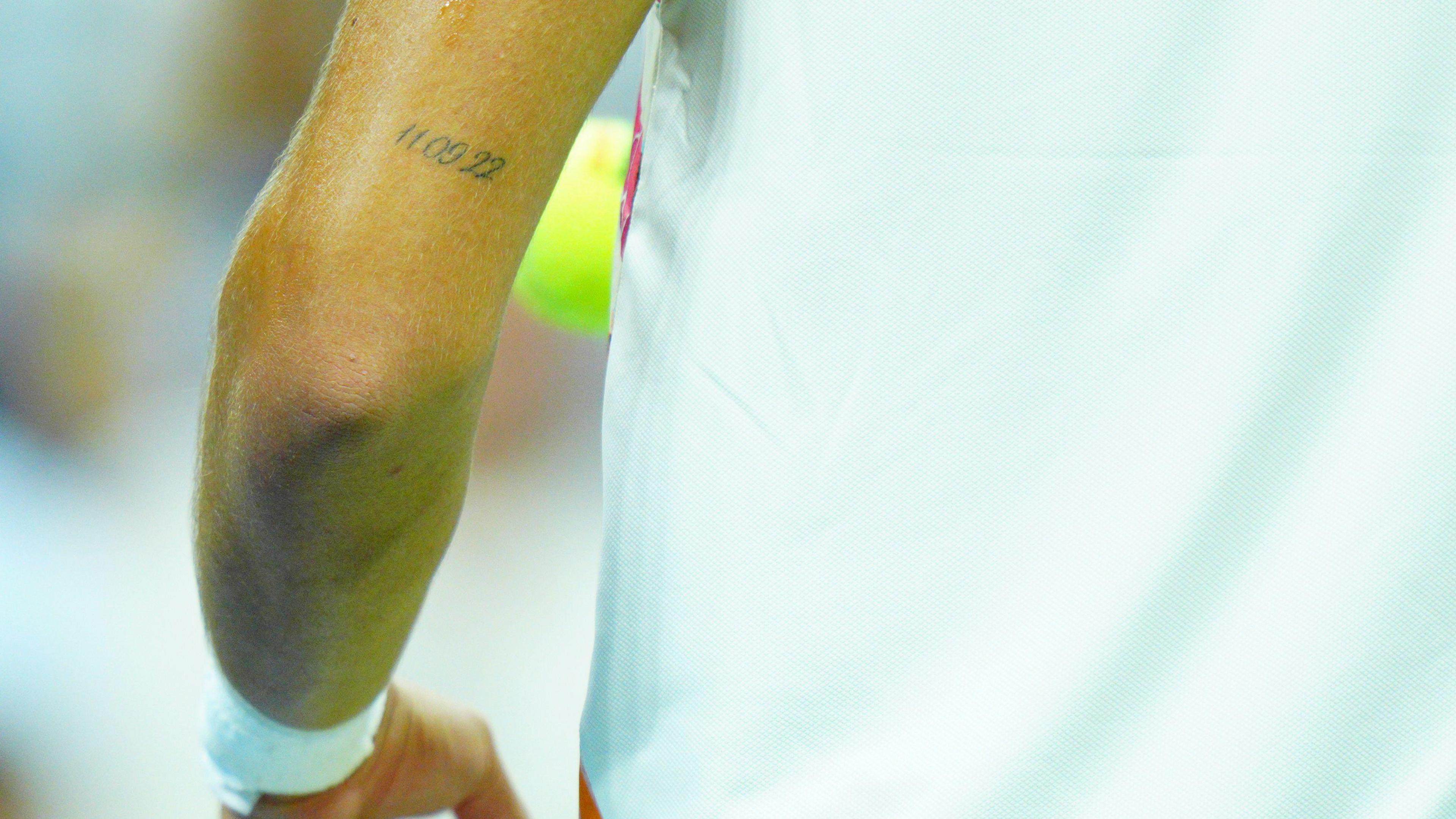
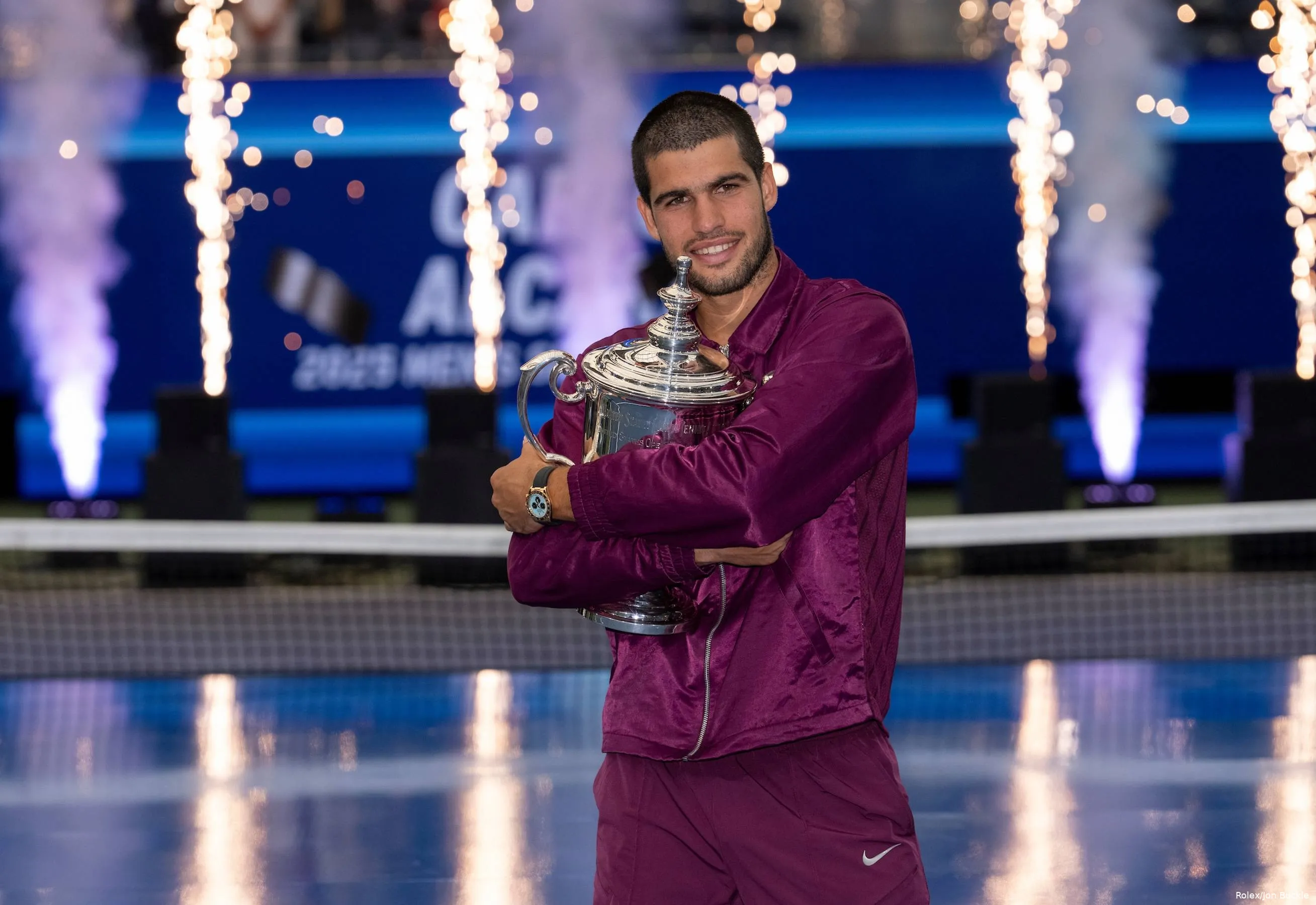
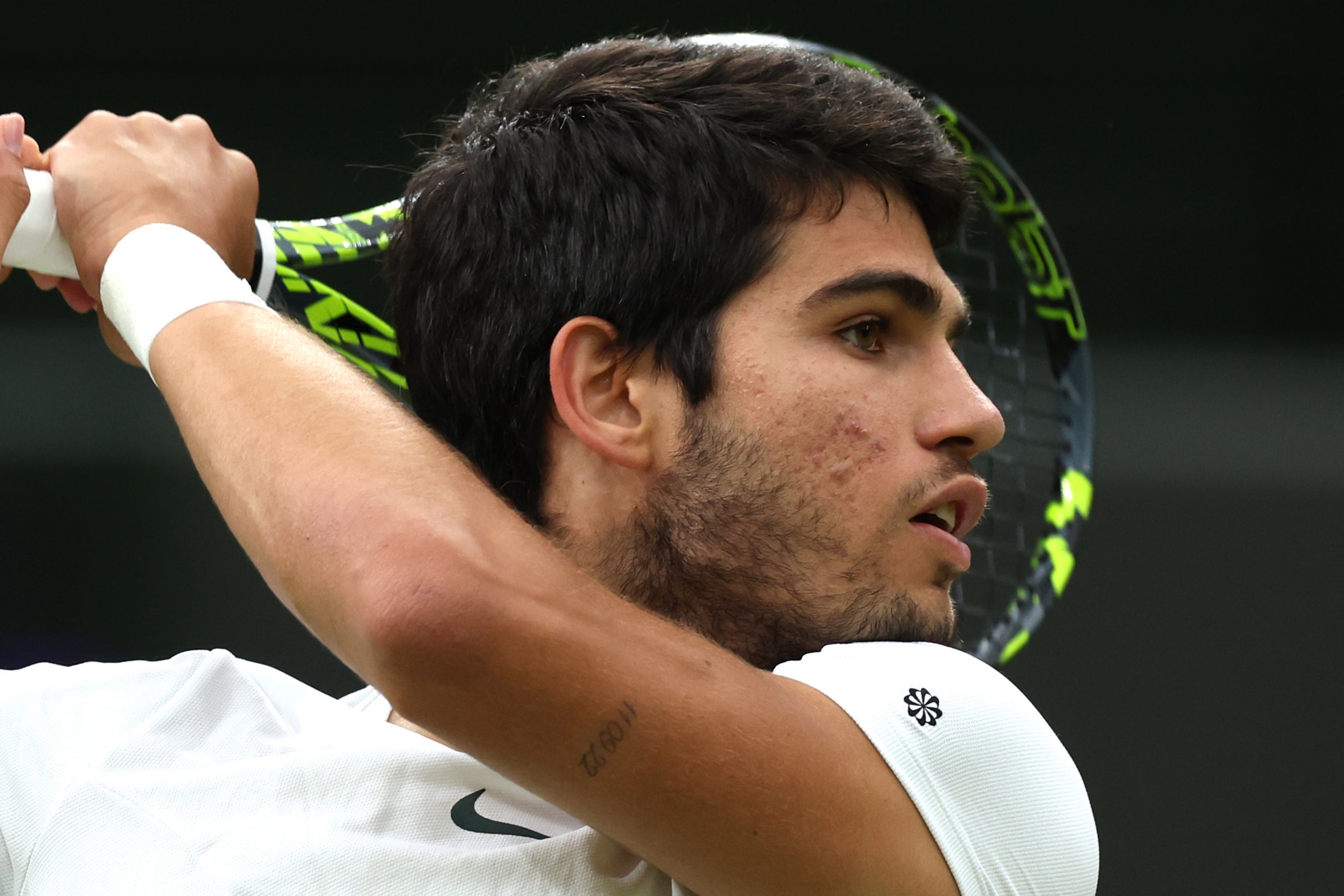
The concept of the "Slam Tattoo" began in 2022 after Alcaraz’s breakthrough at the US Open. For Alcaraz, these are not random decorative pieces but specific markers of evolution. While many athletes celebrate titles with luxury watches or cars, Alcaraz has opted for something more intimate. By 2026, this tradition has become so well-known that the first question journalists often ask after a final is not about the match point, but about the design of the upcoming tattoo.
This ritual serves two purposes. First, it acts as a permanent reminder of the immense physical and mental effort required to win a major. Second, it honors the locations that have defined his legacy—New York, London, and Paris. Each piece of ink is strategically placed, often on his ankles or arms, ensuring they are visible during play but integrated into his athletic frame.
The "New" Tattoo: Commemorating the Roland Garros Triumph
The most significant addition to Alcaraz’s collection in recent years followed his 2024 victory at Roland Garros. After defeating Alexander Zverev in a grueling five-set final, Alcaraz made good on his promise to mark his first French Open title.
Design and Symbolism
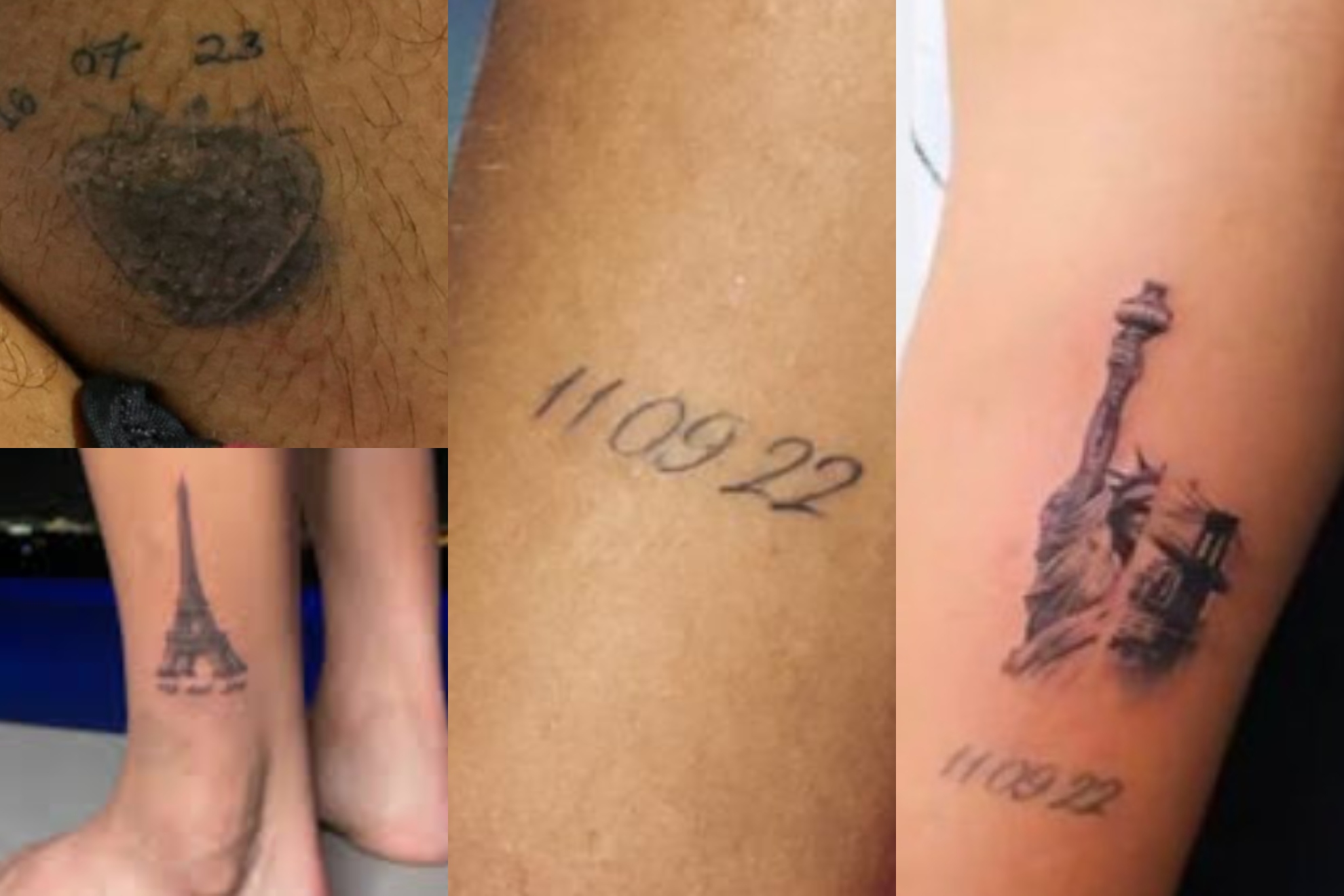
The tattoo features the Eiffel Tower, the quintessential symbol of Paris, accompanied by the date of his victory: June 9, 2024. Unlike his previous ink, this design is intricate, capturing the architectural silhouette of the "Iron Lady." Below the tower, the date is rendered in a clean, minimalist font.
Location and Artist
Alcaraz chose his left ankle for this piece. This placement was deliberate, mirroring his Wimbledon tattoo on the opposite side. The work was performed by Joaquin Ganga, better known as "Ganga," a world-renowned tattoo artist based in Los Angeles and Spain. Ganga is famous for his fine-line work and has a client list that includes LeBron James and Drake. The precision required for the Eiffel Tower’s lattice work necessitated an artist of Ganga's caliber.
Why the Eiffel Tower Matters
Winning Roland Garros was a pivotal moment for Alcaraz. Having grown up on the red clay of Spain, the French Open held a different emotional weight than his other titles. It was the tournament of his idol, Rafael Nadal, and winning it meant Alcaraz had conquered the surface most synonymous with Spanish tennis excellence. The tattoo serves as his "diploma" for mastering the clay of Philippe-Chatrier.
A Chronology of Alcaraz’s Body Art
To understand the newest ink, one must look at the foundation laid by his previous tattoos. Each one represents a distinct chapter in his rise to dominance.
1. The US Open 2022: "CCC"
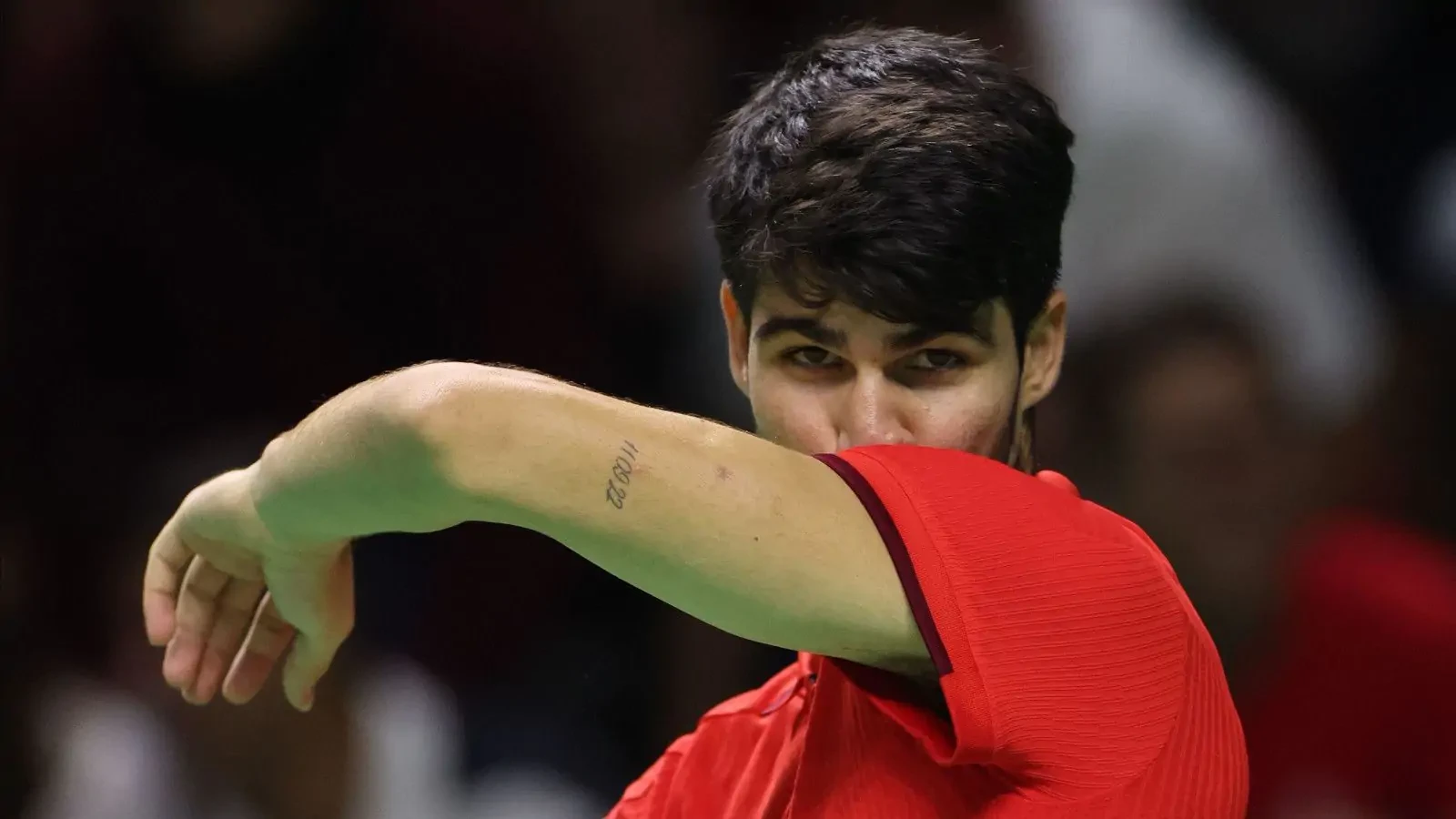
Following his first Grand Slam win in New York, Alcaraz got the letters "CCC" tattooed on his forearm. These stand for the Spanish words Cerebro, Corazón, Cojones (Brain, Heart, Balls).
- Origin: This was a motto passed down to him by his grandfather. It represents the three pillars of his competitive spirit.
- Significance: It serves as a mental reset during matches. When the pressure mounts, Alcaraz often looks at his forearm to remind himself to stay smart, play with heart, and show courage.
- Aesthetic: The lettering is bold and simple, reflecting the raw energy of his 19-year-old self during that 2022 run.
2. Wimbledon 2023: The Strawberry
After his historic victory over Novak Djokovic in the 2023 Wimbledon final, Alcaraz opted for a more whimsical but highly traditional symbol: a strawberry.
- Symbolism: Strawberries and cream are the quintessential snack of the All England Club. For Alcaraz, the strawberry represents the "flavor" of the grass-court season.
- Placement: Located on his right ankle, accompanied by the date of the final (July 16, 2023).
- Context: This was the tattoo that solidified the tradition. It proved that the US Open ink wasn't a one-off event but a career-long commitment to documenting his success.
3. The 2024 Wimbledon Double
Following his successful defense of the Wimbledon title in 2024, discussions arose regarding a second London-themed tattoo. While the strawberry remains his primary Wimbledon mark, Alcaraz has discussed adding more subtle elements to commemorate back-to-back titles, though he has expressed a desire to keep the designs from becoming overcrowded.
Comparison of Alcaraz's Major Tattoos
The following table summarizes the primary tattoos Alcaraz has acquired to celebrate his Grand Slam achievements through 2026.
| Tournament | Year | Design Motif | Body Location | Key Meaning |
|---|---|---|---|---|
| US Open | 2022 | CCC (Letters) | Forearm | Brain, Heart, Balls (Grandfather's Motto) |
| Wimbledon | 2023 | Strawberry | Right Ankle | Traditional symbol of the All England Club |
| Roland Garros | 2024 | Eiffel Tower | Left Ankle | Iconic landmark of Paris/Clay mastery |
| Wimbledon | 2024 | Date/Subtle Mark | Right Ankle | Commemorating the title defense |
The Role of Joaquin "Ganga" in Alcaraz’s Aesthetic
Joaquin Ganga has played a crucial role in Alcaraz’s public image. As a "celebrity tattooist," Ganga understands the nuances of tattooing professional athletes. For Alcaraz, the timing of these tattoos is critical.
Tattooing involves breaking the skin, which requires a healing period where the area must be kept clean and free from excessive sweat or friction. For a tennis player who slides on clay and sprints on hard courts, the "off-season" or a significant break between tournaments is the only viable window for new ink. Ganga’s ability to work quickly and precisely allows Alcaraz to get his commemorative pieces without disrupting his rigorous training schedule.
The relationship between the two is a testament to the intersection of sports and lifestyle culture. Alcaraz isn't just a tennis player; he is a global brand, and his tattoos are part of a curated visual identity that appeals to a younger, more "street-aware" demographic than the traditional tennis audience.
The Cultural Impact of Tattoos in Professional Tennis
Historically, tennis was a sport of rigid traditions and strict dress codes (particularly at Wimbledon). For decades, visible tattoos were rare, often associated with "rebel" figures like Andre Agassi (who didn't actually have them during his prime) or later players like Nick Kyrgios and Bethanie Mattek-Sands.
Carlos Alcaraz represents a shift in this narrative. He is the "golden boy" of the ATP—polite, disciplined, and widely respected—yet he wears his tattoos proudly. This has normalized body art in the sport, showing that permanent ink can coexist with the highest level of professionalism and sportsmanship. By 2026, it is common to see younger players on both the ATP and WTA tours following Alcaraz’s lead, using tattoos to tell their personal stories or celebrate milestones.
Managing Recovery: Tattoo Care for Elite Athletes
One might wonder how a professional athlete manages the healing process of a tattoo while competing at the highest level. The ankle, where Alcaraz has two of his major pieces, is a particularly sensitive area due to the thinness of the skin and its proximity to socks and shoes.
- Timing: Alcaraz typically waits until after a major tournament block. The Eiffel Tower tattoo was done during a brief window before the transition to the North American hard-court swing.
- Protection: During the initial healing phase (7–14 days), athletes use "second-skin" medical-grade bandages (like Saniderm or Tegaderm). These breathable, waterproof films allow the tattoo to heal while protecting it from the bacteria found in locker rooms and the friction of athletic gear.
- Hydration and Sunscreen: Once healed, maintaining the clarity of the tattoo is paramount. Constant sun exposure on outdoor courts can fade ink quickly. Alcaraz and his team ensure that high-SPF sunscreen is applied to his forearm and ankles during daytime matches to preserve the fine lines of Ganga’s work.
Potential Future Ink: The Australian Open and Beyond
As of 2026, the glaring omission in Alcaraz’s "map of success" is a tattoo dedicated to the Australian Open. Alcaraz has joked in interviews that he already has a design in mind for Melbourne.
- The Australian Open: Speculation suggests a Kangaroo or the Sydney Opera House (though the tournament is in Melbourne, the Opera House is often used as a broader symbol of Australia). However, given his preference for tournament-specific icons like the Wimbledon strawberry, a representation of the "Happy Slam," such as the Norman Brookes Challenge Cup or a stylized sun, is more likely.
- The Career Grand Slam: If Alcaraz completes the Career Grand Slam by winning in Australia, many expect a larger, more central piece to tie all the elements together.
Frequently Asked Questions
Does Carlos Alcaraz have a tattoo for every tournament he wins?
No, Alcaraz only gets tattoos for Grand Slam titles. He has won numerous ATP Masters 1000 and 500 level events, such as Indian Wells and Madrid, but he reserves body art specifically for the four majors. This keeps the tradition significant and prevents his skin from becoming overly cluttered with smaller milestones.
Who is the artist that does Alcaraz’s tattoos?
His primary artist is Joaquin Ganga (known as Ganga). Ganga is a Spanish artist with a massive international reputation, particularly in the "Fine Line" and "Realism" styles. He has worked with many high-profile athletes and celebrities, making him the go-to choice for Alcaraz’s high-stakes ink.
What does the "CCC" on his arm stand for?
The "CCC" stands for Cerebro, Corazón, Cojones. In English, this translates to Brain, Heart, and Balls. It is a motivational phrase his grandfather taught him, emphasizing that to be a champion, one must play with intelligence, passion, and immense courage.
Where is the Eiffel Tower tattoo located?
The Eiffel Tower tattoo is located on his left ankle. This balances his right ankle, which features the Wimbledon strawberry tattoo.
Will Alcaraz get more tattoos if he keeps winning?
Yes, Alcaraz has confirmed that the tradition will continue. However, he has also mentioned that he might need to find new locations on his body if he reaches the double-digit Grand Slam counts of legends like Nadal or Djokovic.
Final Thoughts for Fans and Collectors
Carlos Alcaraz’s tattoos are more than just ink; they are a visual biography of a once-in-a-generation talent. For fans, these markings provide a deeper look into his personality—showing a man who honors his family (the CCC tattoo), respects the history of his sport (the Strawberry), and celebrates the culture of the cities where he triumphs (the Eiffel Tower).
If you are looking to follow Alcaraz’s journey through 2026 and beyond, keep an eye on his ankles after the first Sunday of a Grand Slam. His choice of imagery often reflects the joy he finds in the game. As he moves closer to more historic milestones, his "canvas" will continue to grow, serving as a permanent record of the Alcaraz era in professional tennis.