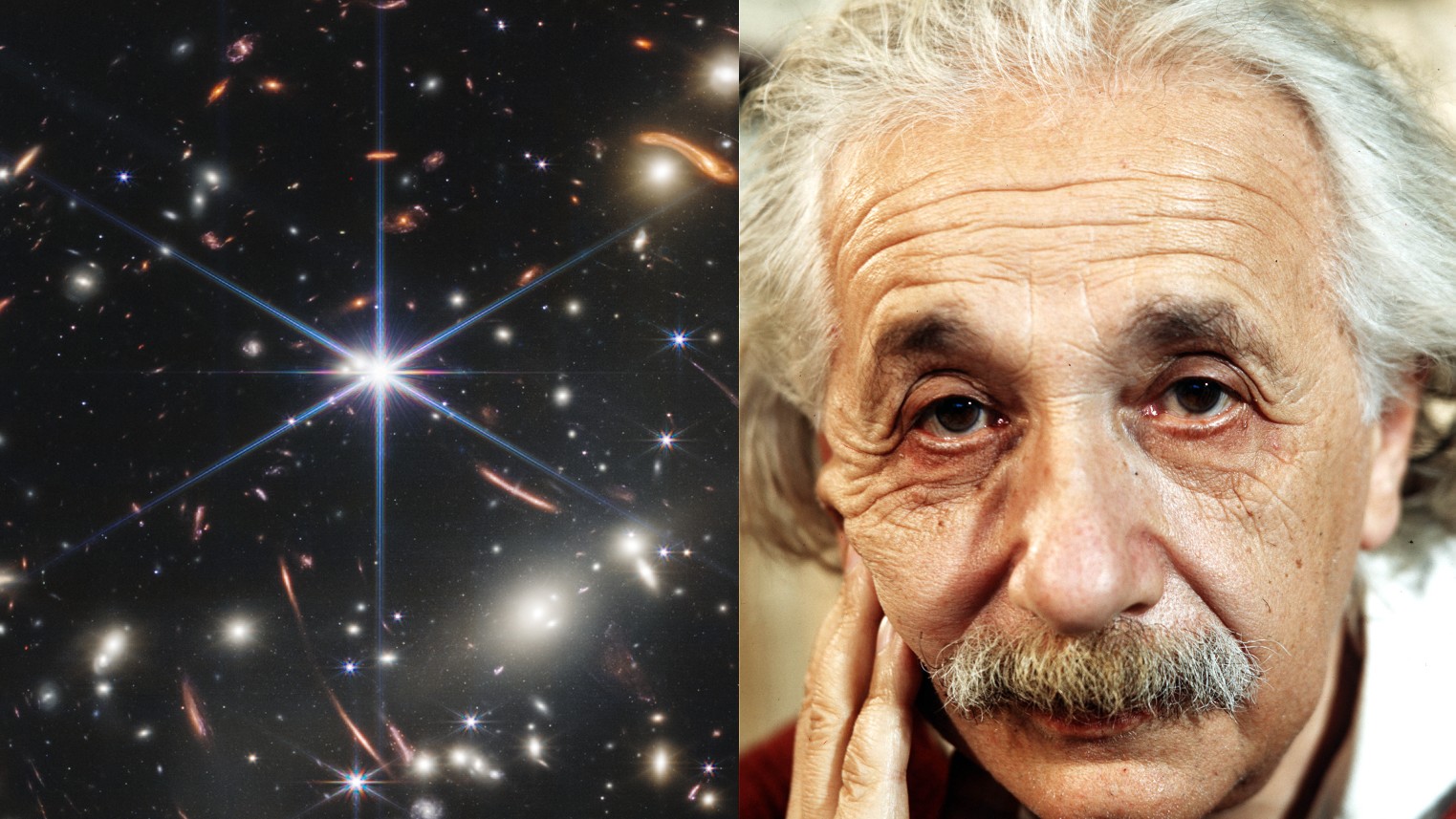
At the time of his death in 1955, Albert Einstein’s net worth was approximately $65,000, which equates to roughly $785,000 in 2026 dollars when adjusted for inflation. While he was never a wealthy man by the standards of modern celebrity, his intellectual estate currently generates between $10 million and $20 million annually for the Hebrew University of Jerusalem.
Albert Einstein is perhaps the most recognizable figure in the history of science. His name is synonymous with genius, and his image—complete with wild hair and a playful tongue-out expression—is a global icon. Yet, the financial life of the man who unlocked the secrets of the universe was surprisingly modest. Unlike modern influencers or tech moguls, Einstein's wealth was tied to academic salaries, book royalties, and a Nobel Prize award that he never actually kept for himself. To understand the "net worth" of Albert Einstein, one must look past his bank balance in 1955 and examine the enduring commercial value of his likeness and intellectual property in the 21st century.
The Financial Reality of an Academic Icon
Albert Einstein’s primary source of income throughout his life was his work in academia. In the early 20th century, even the most prestigious professors did not earn the exorbitant salaries seen in today’s private sectors. When Einstein arrived at the Institute for Advanced Study (IAS) in Princeton, New Jersey, in 1933, his salary was set at $10,000 per year. By 1955, that figure had grown to approximately $16,000.
While $16,000 may sound low by 2026 standards, it provided a comfortable upper-middle-class lifestyle in the 1950s. However, Einstein was notoriously indifferent to material wealth. He famously preferred simple clothes and did not own a car, often walking to work at the Institute. His lack of interest in "monetizing" his fame meant that while he was one of the most famous people on the planet, he did not seek out endorsements or high-paying corporate roles.
The Impact of World Events on His Wealth
Einstein’s financial journey was also shaped by his status as a refugee. In 1933, the Nazi regime in Germany confiscated his property and bank accounts. When he moved to the United States, he essentially had to restart his financial life from scratch. This disruption prevented him from accumulating the kind of generational wealth that other Europeans of his stature might have preserved.
The Nobel Prize Paradox: Wealth He Never Touched
One of the most significant "windfalls" in Einstein’s life was the Nobel Prize in Physics, which he was awarded in 1921 (received in 1922). The prize came with a substantial cash award of approximately 121,572 Swedish kronor, which was worth about $32,000 at the time.
In a unique legal arrangement, Einstein had already committed this money to his first wife, Mileva Marić, as part of their 1919 divorce settlement. The agreement stipulated that the Nobel Prize money would be placed in a trust for their two sons, Hans Albert and Eduard, while Mileva was allowed to draw from the interest for her living expenses.
This meant that Einstein’s most significant financial achievement as a scientist never actually entered his own personal net worth. Instead, it served as a form of lifelong alimony and child support, ensuring his first family remained financially stable while he continued his research in Berlin and later Princeton.
Intellectual Property and Book Royalties
Beyond his salary, Einstein earned income from his publications. He was a prolific writer, authoring hundreds of scientific papers and several books intended for the general public, such as The World As I See It and Relativity: The Special and General Theory.
During his lifetime, these royalties were steady but not spectacular. He was more concerned with the dissemination of his ideas than the negotiation of lucrative publishing contracts. However, these works laid the foundation for his estate’s future value. Because he was a US citizen at the time of his death, his works were subject to copyright laws that allowed his estate to continue collecting royalties for decades.
The Refrigerator Patent
A little-known fact regarding Einstein's potential for wealth was his venture into industrial design. In the 1920s, Einstein and fellow physicist Leo Szilard patented a type of absorption refrigerator that had no moving parts and required no electricity. While the "Einstein Refrigerator" was technically sound, it was eventually outcompeted by the development of Freon-based compressors. Had this technology become the industry standard, Einstein’s net worth might have mirrored that of a successful inventor like Thomas Edison.
The Estate at the Time of Death (1955)
When Einstein passed away on April 18, 1955, his estate was valued at approximately $65,000. This valuation included his personal savings, his home at 112 Mercer Street in Princeton, and his personal effects. In his will, he made several specific bequests, but the most significant portion of his legacy was not physical—it was intellectual.
Einstein bequeathed his manuscripts, personal papers, and the rights to his name and likeness to the Hebrew University of Jerusalem, an institution he helped found. This decision transformed a modest academic estate into one of the most valuable intellectual property portfolios in the world.
Inflation-Adjusted Comparison: 1955 vs. 2026
To understand Einstein’s wealth in a modern context, we must adjust for the purchasing power of the dollar. The following table illustrates how his 1955 assets translate to the economy of 2026.
| Asset Category | Value in 1955 (USD) | Estimated Value in 2026 (USD) |
|---|---|---|
| Total Net Worth | $65,000 | $785,000 |
| Annual IAS Salary | $16,000 | $193,000 |
| Nobel Prize Award | $32,000 (in 1922) | $590,000 (Adjusted from 1922) |
| Princeton Home Value | ~$15,000 | $1,200,000+ (Market Value) |
| Annual Licensing Revenue | $0 (During life) | $12,500,000 (Average) |
Note: The "Princeton Home Value" in 2026 reflects the real estate market premium for a historical landmark, whereas the 1955 value is based on standard residential pricing of the era.
Post-Mortem Wealth: The Business of "Einstein"
While Einstein lived a modest life, his "brand" has become a juggernaut in the decades since his passing. In 2026, Albert Einstein consistently appears on the Forbes list of the highest-paid dead celebrities, often ranking alongside icons like Michael Jackson and Elvis Presley.
The management of his likeness is handled by Greenlight, a licensing agency that acts on behalf of the Hebrew University of Jerusalem. Any company wishing to use Einstein’s face or name in an advertisement—ranging from Apple’s "Think Different" campaign to the "Baby Einstein" line of educational toys—must pay a licensing fee.
Where the Money Goes Today
The millions of dollars generated annually by the Einstein brand are used to fund:
- Scientific Research: Supporting physics and mathematics programs at the Hebrew University.
- The Albert Einstein Archives: Maintaining the preservation and digitization of over 80,000 documents.
- Educational Initiatives: Scholarships and grants for students in Israel and internationally.
This commercial success has sparked legal debates over the "right of publicity." Because Einstein died in 1955, some have argued that the rights to his likeness should be in the public domain. However, courts have largely upheld the Hebrew University’s rights, ensuring that the "Einstein" name remains a tightly controlled and highly profitable asset.
How Einstein’s Wealth Compares to Other Scientists
In the context of history, Einstein’s net worth was relatively standard for a high-level academic. If we compare him to his contemporaries or modern successors, we see a clear divide between scientific achievement and financial accumulation.
- Isaac Newton: Adjusted for inflation, Newton died with a significant fortune (approx. $4 million in modern terms), largely due to his role as Master of the Mint, a government position.
- Stephen Hawking: At the time of his death in 2018, Hawking had a net worth of roughly $20 million, bolstered by the massive success of A Brief History of Time and various media appearances.
- Modern Nobel Laureates: Most modern winners receive roughly $1 million. While significant, this rarely leads to "ultra-high net worth" status unless the scientist transitions into biotech or private industry.
Einstein represents a middle ground. He was more affluent than the average citizen but lacked the commercial drive that turned other 20th-century figures into millionaires during their lifetimes.
FAQs About Albert Einstein's Net Worth
Did Albert Einstein die a millionaire?
No. In 1955, his net worth was $65,000. Even when adjusted for inflation to 2026 standards, his personal wealth was less than $1 million. He lived a comfortable life but was not considered wealthy by the standards of his time.
Who inherited Albert Einstein's money?
The majority of his liquid assets were left to his stepdaughter, Margot Einstein, and his long-time secretary, Helen Dukas. However, the most valuable part of his estate—his intellectual property and manuscripts—was left to the Hebrew University of Jerusalem.
How much does the Einstein estate make every year?
As of 2026, the estate generates an estimated $10 million to $20 million annually through licensing agreements for commercials, merchandise, and digital media. These funds are managed by the Hebrew University of Jerusalem.
Did Einstein get paid for the "Baby Einstein" brand?
Einstein himself did not, as the brand was created long after his death. However, the creators of Baby Einstein (and later Disney, who acquired it) paid significant licensing fees to the Hebrew University for the right to use his name.
What was Einstein's highest annual salary?
His highest salary was approximately $16,000 per year at the Institute for Advanced Study in Princeton. In 2026 terms, this is roughly equivalent to $193,000—a respectable salary for a senior professor but not a "celebrity" income.
The Enduring Value of Genius
The "net worth" of Albert Einstein is a tale of two different eras. During his life, Einstein was a man of simple needs who viewed money as a secondary concern to his pursuit of a unified field theory. His wealth was measured in papers, equations, and the respect of his peers.
In the modern era of 2026, Einstein has been transformed into a commercial entity. His name is a global brand that represents intelligence, creativity, and non-conformity. While he died with less than a million dollars in modern equivalent currency, the value he created for the world—both scientifically and financially—is essentially incalculable. For those looking to follow in his footsteps, the lesson is clear: true legacy is not found in a bank account, but in the enduring impact of one's work on the progress of humanity.