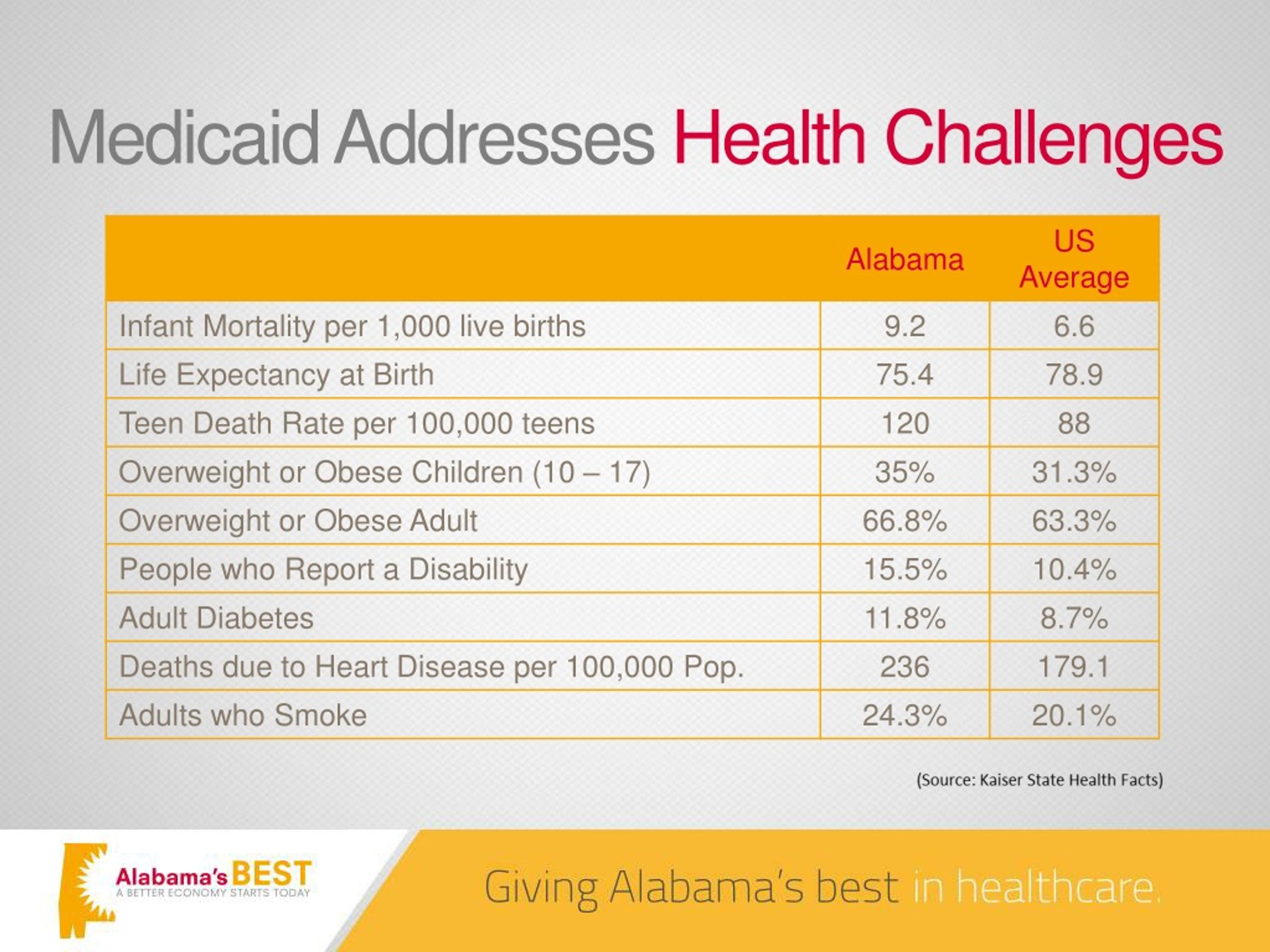
Navigating Alabama Medicaid for adults requires understanding that the state has not expanded Medicaid under the Affordable Care Act, meaning traditional adult coverage is heavily restricted to specific categorical groups such as parents, caretaker relatives, pregnant individuals, individuals with disabilities, and seniors. Adults who do not fall into these designated categories generally do not qualify for standard non-expansion Medicaid benefits, making it essential to evaluate alternative health coverage pathways or specialized programs like the Plan First family planning waiver.
Overview of the Alabama Medicaid Program for Adults
The Alabama Medicaid Agency administers healthcare coverage for specific segments of the state’s low-income population. Unlike states that adopted the Affordable Care Act’s expansion provision—which extends health coverage to nearly all low-income adults earning up to 138 percent of the federal poverty level—Alabama maintains traditional categorical eligibility guidelines. Consequently, general low-income adults without dependent children, a recognized disability, or pregnancy status do not qualify for comprehensive Medicaid benefits in the state.
Understanding this framework is critical for anyone seeking medical assistance. The program is designed as a safety net for vulnerable populations rather than a universal public health insurance option. Funding is shared between the federal government and the state of Alabama, with strict federal mandates dictating which groups must be covered alongside optional groups the state chooses to include. Adults must navigate a detailed matrix of income limits, household size definitions, and categorical requirements to determine if they are eligible for any of the available pathways.
Categorical Eligibility Requirements for Adults
Because Alabama has not expanded Medicaid, every adult applicant must fit into a specific federally or state-recognized category to be considered for comprehensive health coverage. Meeting the financial criteria alone is insufficient; the individual's life circumstances and health status dictate whether an application can move forward.
The primary categories of adults eligible for Alabama Medicaid include:
- Parents and Caretaker Relatives: Low-income parents or primary caretaker relatives who live with a dependent child under the age of 18 (or 19 if still enrolled in secondary school). The income limits for this category are notably restrictive, often falling well below the federal poverty level.
- Pregnant Individuals: Comprehensive medical coverage is available for pregnant individuals who meet specific income thresholds. This coverage extends through pregnancy and for a postpartum period to ensure maternal health and proper neonatal development.
- Individuals with Disabilities: Adults who have been determined to have a long-term disability by the Social Security Administration (SSA) or the Alabama Medicaid Agency’s medical review team may qualify through disability-based pathways.
- Seniors (Age 65 and Older): Older adults meeting specific income and asset limits can qualify for aged Medicaid categories, which often coordinate with Medicare through Medicare Savings Programs.
Financial and Asset Limitations
Beyond categorical requirements, financial thresholds strictly govern adult eligibility. For parents and caretaker relatives, the allowable income limits are tied to historical state thresholds, which can be as low as 20% to 30% of the federal poverty level depending on household size.
For aged, blind, and disabled (ABD) adults, both income and asset limits apply. Asset limits typically restrict non-housing liquid resources, such as savings accounts, secondary vehicles, and investments, to modest thresholds (such as $2,000 for an individual). Primary residences and one vehicle are usually excluded from asset calculations, but exceeding cash asset limits results in immediate denial regardless of monthly income.
Specialized Coverage: Plan First and Breast and Cervical Cancer Program
For adults who do not qualify for full, comprehensive Medicaid coverage, Alabama offers specialized programs targeted at specific health needs. These programs provide vital services without granting full-benefit status.
Plan First Program
The Plan First program is designed to provide family planning services to low-income men and women of childbearing age who do not qualify for regular Medicaid. Administered by the Alabama Medicaid Agency, Plan First covers annual exam visits, birth control methods, family planning counseling, and screenings for sexually transmitted infections (STIs).
- Eligibility: Available to Alabama residents with household incomes up to 141% of the federal poverty level who are not otherwise enrolled in comprehensive Medicaid, Medicare, or CHIP.
- Scope: Does not cover hospitalization, emergency care, or general medical treatments; strictly limited to reproductive health and family planning services.
Breast and Cervical Cancer (BCC) Program
The Alabama Breast and Cervical Cancer Early Detection Program (ABCCEDP), operated through the Alabama Department of Public Health, screens eligible women. Those who are diagnosed with breast or cervical cancer (or pre-cancerous conditions requiring treatment) through this screening can transition to the Medicaid Breast and Cervical Cancer Treatment Program. This pathway provides full Medicaid coverage for the duration of their cancer treatment, bypassing standard income tests that might otherwise disqualify them.
| Program Name | Primary Target Audience | Income Limit (Approximate) | Covered Services Scope |
|---|---|---|---|
| Traditional Adult Medicaid | Parents, caretakers, disabled, seniors | Varies widely (frequently <30% FPL for parents) | Full comprehensive healthcare services |
| Plan First | Individuals of childbearing age | Up to 141% FPL | Family planning, exams, birth control, STI screenings |
| BCC Medicaid Program | Women diagnosed via ABCCEDP screening | No strict income limit if screened through ABCCEDP | Full medical coverage specific to cancer treatment |
| Medicare Savings Programs | Low-income Medicare beneficiaries | Varies by sub-program (up to 135% FPL) | Medicare premiums, copays, and deductibles |
How to Apply for Alabama Medicaid
Applying for Medicaid requires gathering documentation and submitting an application through authorized channels. Because processing times can vary depending on the verification required, applicants should prepare a complete file before initiating the process.
Required Documentation
To prevent delays in application processing, adults should have the following information readily available:
- Proof of Identity: Government-issued photo identification (driver's license, passport, or state ID).
- Proof of Citizenship or Legal Status: U.S. birth certificate, naturalization papers, or eligible immigration documentation.
- Income Verification: Recent pay stubs for the past 30 to 60 days, tax returns, or official statements from Social Security, child support, pensions, or unemployment benefits.
- Resource Documentation (for ABD applicants): Recent bank statements, vehicle titles, life insurance policies, and property deeds.
- Household Composition: Social Security numbers and dates of birth for all household members living under the same roof.
Application Channels
Adults can submit applications through several official methods established by the Alabama Medicaid Agency:
- Online Application: The most efficient method is applying through the official Alabama Medicaid Agency portal or the state's designated online enrollment tools.
- Paper Application: Printable applications can be downloaded from the Medicaid website, completed by hand, and mailed or hand-delivered to the regional district office or the central office in Montgomery.
- In-Person Assistance: Applicants can visit local regional offices or seek guidance from certified application counselors, federally qualified health centers (FQHCs), and local county health departments.
Maintaining Coverage and Annual Renewals
Securing Medicaid coverage is not a one-time event; beneficiaries must maintain eligibility and complete annual renewal processes to prevent a lapse in coverage.
Redetermination and Renewal Processes
The Alabama Medicaid Agency conducts regular reviews—known as redeterminations or renewals—to verify that beneficiaries still meet income and categorical requirements. Enrollees receive renewal packets via mail or electronic notification well in advance of their renewal deadline.
- Action Required: Beneficiaries must complete the renewal form, attach any requested updated income documentation, and return it by the specified deadline.
- Consequences of Inaction: Failure to respond or submit required documentation results in termination of benefits. If household circumstances change (such as a change in income, household size, or address), enrollees are legally required to report these changes to the agency within a specific timeframe (typically within 10 days of the change).
Frequently Asked Questions
Can a single, non-disabled adult without children get Medicaid in Alabama?
No. Because Alabama has not expanded Medicaid under the Affordable Care Act, non-disabled, childless adults do not qualify for comprehensive Medicaid coverage, regardless of how low their income is. Alternative options, such as sliding-scale clinics or local community health centers, must be utilized for primary medical care.
What is the income limit for parents under Alabama Medicaid?
The income limits for parents and caretaker relatives are notoriously low, often hovering around 20% to 30% of the federal poverty level depending on family size. For example, a parent with two children may have an allowable monthly income cap of only a few hundred dollars to qualify for traditional coverage.
How do I check the status of my Alabama Medicaid application?
Applicants can check the status of a pending application by logging into their account on the Alabama Medicaid website, calling the recipient inquiry line, or contacting the specific regional district office handling their case file.
Does Alabama Medicaid cover dental and vision care for adults?
Dental and vision coverage under standard adult Alabama Medicaid is extremely limited. Routine adult dental cleanings, fillings, and standard eyeglasses are generally not covered benefits, though emergency dental relief or specific medically necessary services may have narrow exceptions.
What should I do if my Medicaid application is denied?
If an application is denied, the notice of denial will outline the specific reason for rejection and detail the appeals process. Applicants have the right to request a fair hearing within a designated timeframe (usually 30 to 60 days from the notice date) to contest the decision and present additional evidence.
Next Actions for Applicants
Adults seeking healthcare coverage in Alabama should first review their categorical eligibility—specifically examining whether they fit into caretaker, pregnant, disabled, or senior classifications. Those who meet these criteria should immediately gather financial documents and submit an application through the official state portal. Individuals who fall outside these categories should explore low-cost federally qualified health centers (FQHCs), county health departments, or specialized initiatives like Plan First to address specific medical needs. For further details, official guidelines, and portal access, consult the Alabama Medicaid Agency.