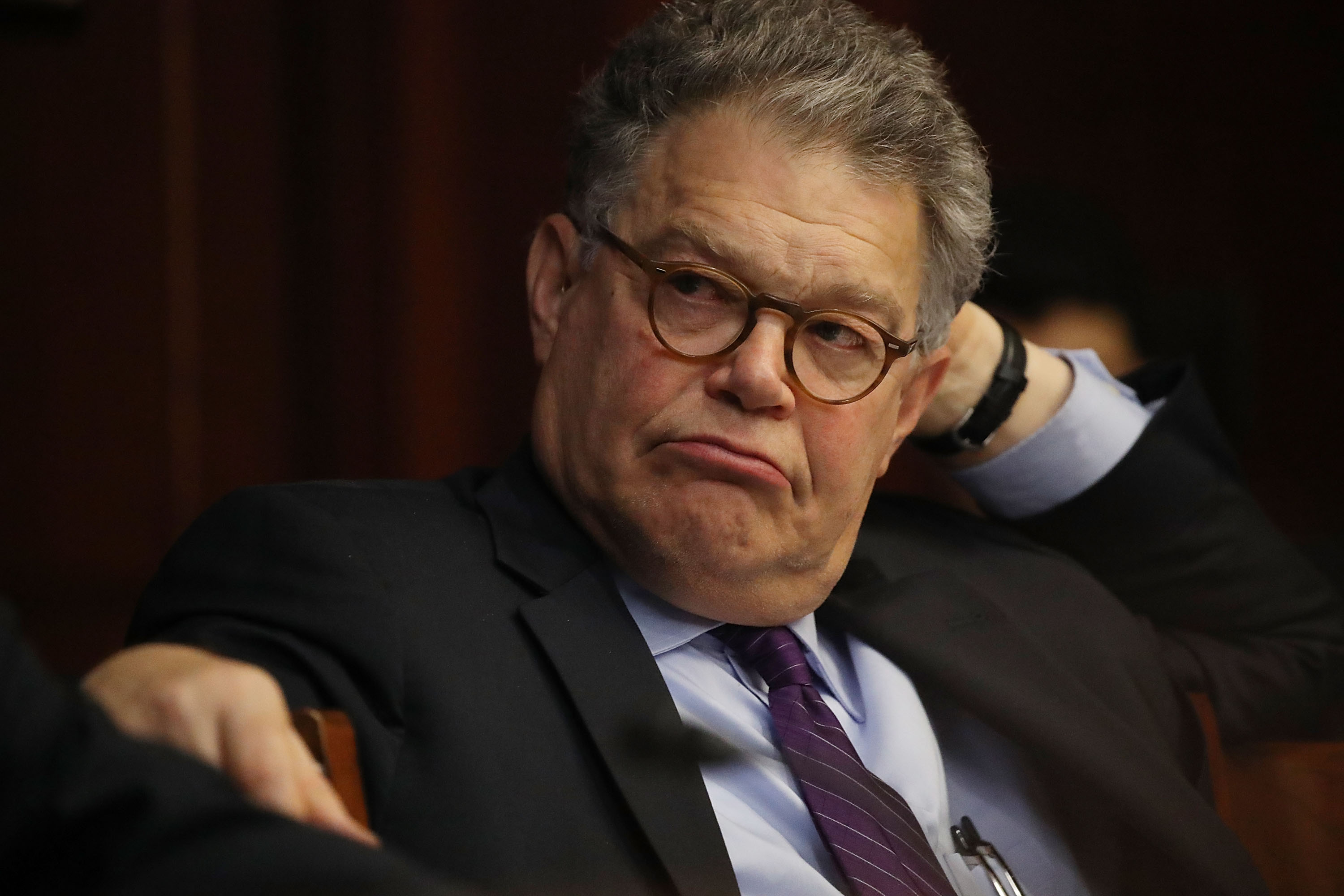
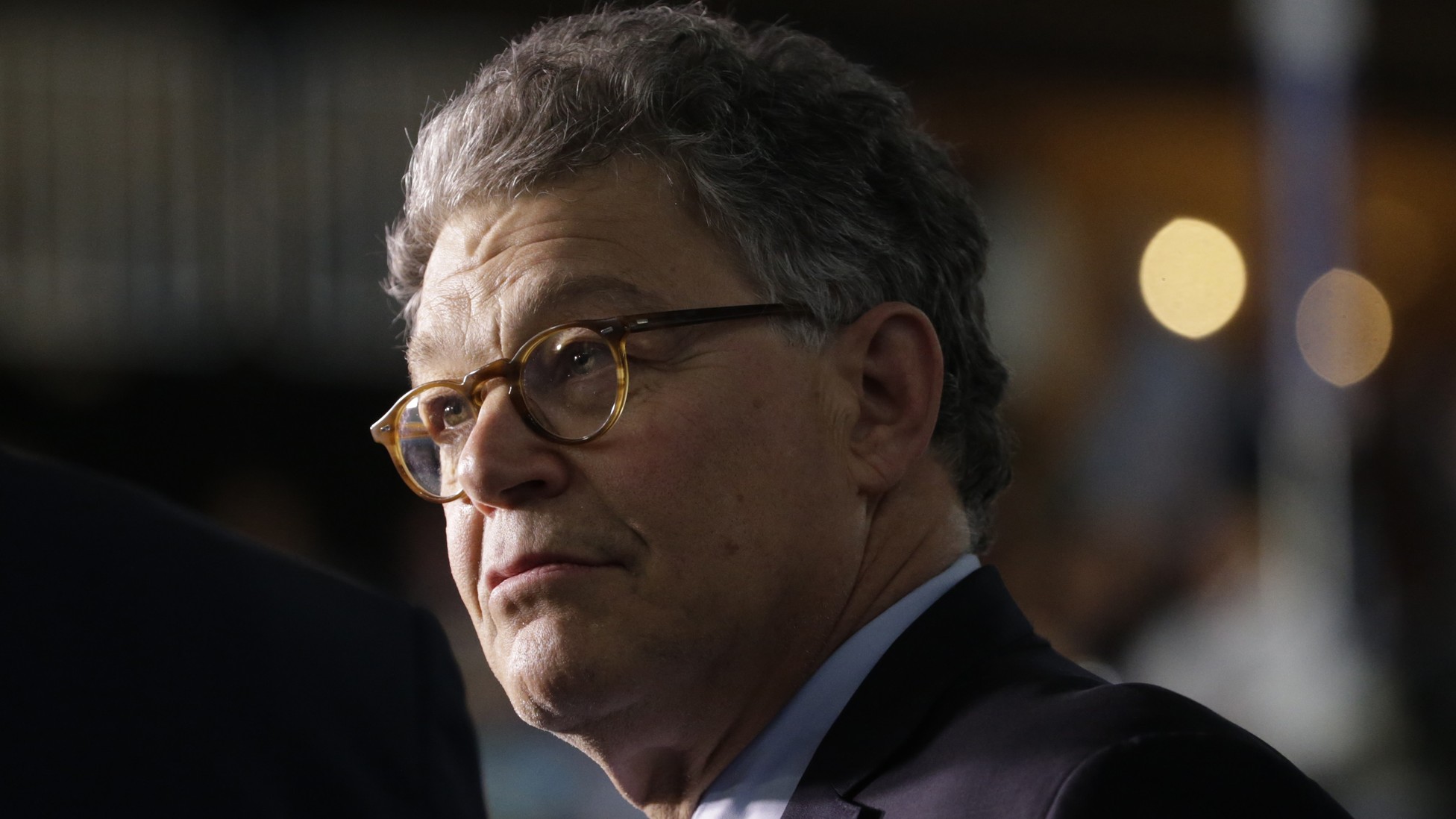
Al Franken served as a U.S. Senator for Minnesota from January 2009 until his resignation in January 2018. A former comedian, writer, and media personality before entering formal politics, Franken transitioned from political satire to legislative office, winning a historically close election and subsequently serving nearly two full terms representing Minnesota in the United States Senate.
Introduction to Al Franken's Political Career
The political career of Al Franken represents a distinct trajectory from entertainment to public office. Long before holding legislative power, Franken built a prominent profile as a writer and performer on Saturday Night Live and as a political commentator and radio host. His transition into institutional politics culminated in his narrow election to the United States Senate in 2008.
As a legislator, Franken focused heavily on domestic policy, consumer protection, and judiciary matters. Understanding his tenure requires examining the mechanics of his election, his legislative portfolio, committee assignments, and the circumstances surrounding his departure from the Senate in 2018.
The 2008 Senate Election and Recount
Al Franken’s tenure as a U.S. Senator for Minnesota began with one of the closest and most fiercely contested elections in modern American political history. In November 2008, Franken ran as the Democratic-Farmer-Labor (DFL) candidate against the incumbent Republican senator, Norm Coleman.
The Initial Count and Statewide Recount
On election night, initial tallies showed Coleman leading by a narrow margin, triggering an automatic statewide recount under Minnesota law. The multi-month recount process involved intense legal battles over challenged absentee ballots, voter intent, and standardized counting procedures across Minnesota's counties.
Key elements of the 2008–2009 Senate election process included:
- Initial Margin: Coleman led by roughly 215 votes out of nearly 3 million cast immediately following the November election.
- The Recount Board: A three-judge panel oversaw the examination of thousands of disputed ballots.
- The Final Ruling: In April 2009, the Minnesota Supreme Court unanimously ruled that Franken had won the election by a margin of 312 votes.
- Swearing-In: Norm Coleman conceded the race, and Franken was officially sworn into the 111th United States Congress on July 7, 2009, giving Senate Democrats a temporary 60-seat supermajority.
Legislative Focus and Committee Assignments
Once seated in the Senate, Franken developed a reputation for mastering complex legislative details, participating rigorously in committee hearings, and aligning closely with the mainstream of the Democratic caucus on economic and social issues.
Franken served on several influential Senate committees, which shaped his legislative output and public advocacy:
- Committee on the Judiciary: Involved in judicial nominations, privacy laws, and antitrust issues.
- Committee on Health, Education, Labor, and Pensions (HELP): Focused on labor standards, education policy, and healthcare reform.
- Committee on Energy and Natural Resources: Addressed federal energy policy and public lands.
- Committee on Indian Affairs: Worked on issues affecting Native American tribes and sovereignty.
Key Legislative Priorities and Policy Areas
Franken's legislative record spanned several distinct domains. He focused heavily on consumer protections, mental health parity enforcement, and support for military families and veterans.
| Policy Area | Key Focus or Legislation | Objective |
|---|---|---|
| Healthcare | Mental Health Parity and Addiction Equity Act enforcement | Ensuring insurance companies covered mental health care on par with physical health care. |
| Technology & Privacy | Location Privacy Protection Act | Regulating the collection and sharing of geolocation data by mobile devices and apps. |
| Veterans & Military | Servicemembers Civil Relief Act enhancements | Protecting deployed military personnel from financial and legal exploitation. |
| Education & Labor | Student loan reform and career technical education | Expanding access to affordable higher education and strengthening vocational training programs. |
Re-election and Second Term
In 2014, Al Franken ran for re-election to a second term representing Minnesota. Unlike his razor-thin 2008 victory, the 2014 contest against Republican businessman Mike McFadden resulted in a decisive win for Franken, who secured approximately 53% of the vote.
During his second term, Franken maintained a high profile within the Democratic caucus. He was a vocal advocate for net neutrality, campaign finance reform, and consumer rights. His committee work continued to emphasize technology regulation, intellectual property, and civil rights. Franken also authored several best-selling political books during his time in public office, maintaining a dual identity as both a sitting legislator and a prominent voice in national political commentary.
Resignation from the United States Senate
In late 2017, Al Franken’s political career reached a turning point amid allegations of sexual misconduct.
Sequence of Events
- Initial Accusation: In November 2017, a Los Angeles news anchor accused Franken of kissing her without her consent and photographing her inappropriately while she was asleep during a 2006 USO tour, prior to his election to the Senate. Franken issued an apology and called for an Ethics Committee investigation into his own conduct.
- Subsequent Allegations: Over the following weeks, multiple other women came forward with additional allegations regarding inappropriate behavior during public appearances and photo opportunities.
- Calls for Resignation: Facing mounting pressure from members of his own party—including numerous Democratic senators who publicly called for his step-down—Franken announced his intention to resign in a Senate floor speech on December 7, 2017.
- Formal Departure: Franken officially resigned his seat in January 2018. Minnesota Governor Mark Dayton appointed Lieutenant Governor Tina Smith to fill the vacancy until a special election could be held.
Post-Senate Career and Public Life
Following his departure from the United States Senate, Franken remained active in public discourse through media and entertainment. He launched a political podcast, occasionally returned to live comedy and satirical commentary, and continued to write. His departure remains a notable historical case study regarding changing accountability standards for public officials and the intersection of political culture and personal conduct in the United States Congress.
Frequently Asked Questions
When did Al Franken serve as a U.S. Senator for Minnesota?
Al Franken served in the United States Senate from July 2009 to January 2018. He won election in November 2008, but due to a prolonged statewide recount and legal challenges, he was not seated until the summer of 2009. He was subsequently re-elected in 2014 and resigned during his second term in early 2018.
How did Al Franken win his initial 2008 Senate election?
Franken ran as the Democratic-Farmer-Labor candidate against incumbent Republican Norm Coleman. Following the initial November vote, Coleman led by a razor-thin margin, prompting an automatic statewide recount. After months of review by a three-judge panel and rulings by the Minnesota Supreme Court regarding disputed ballots, Franken was certified the winner by 312 votes.
What committees did Al Franken serve on during his Senate tenure?
During his time in the Senate, Franken served on several high-profile committees, most notably the Judiciary Committee, the Committee on Health, Education, Labor, and Pensions (HELP), the Energy and Natural Resources Committee, and the Indian Affairs Committee. These assignments allowed him to focus on consumer privacy, mental health legislation, and labor issues.
Who replaced Al Franken in the Senate after his resignation?
Following Al Franken's resignation in January 2018, Minnesota Governor Mark Dayton appointed Lieutenant Governor Tina Smith to fill the Senate seat. Smith subsequently won the November 2018 special election to complete the remainder of Franken's term and was later elected to a full term in her own right.
What were some of Al Franken's primary legislative initiatives?
Franken focused heavily on consumer protection, data privacy, mental health parity, and veterans' affairs. He introduced the Location Privacy Protection Act to regulate smartphone geolocation data collection and advocated strongly for enforcement of mental health parity laws to ensure equitable insurance coverage for psychiatric care.
Conclusion and Next Actions
Al Franken’s tenure as a U.S. Senator for Minnesota spans a complex chapter of modern American political history, defined by a historic recount, significant legislative involvement in technology and health policy, and an abrupt end following misconduct allegations. For researchers, students of political science, and historians examining contemporary legislative history, reviewing official congressional records, Senate Ethics Committee documents, and state election board archives provides the most accurate and primary-source verification of his career.