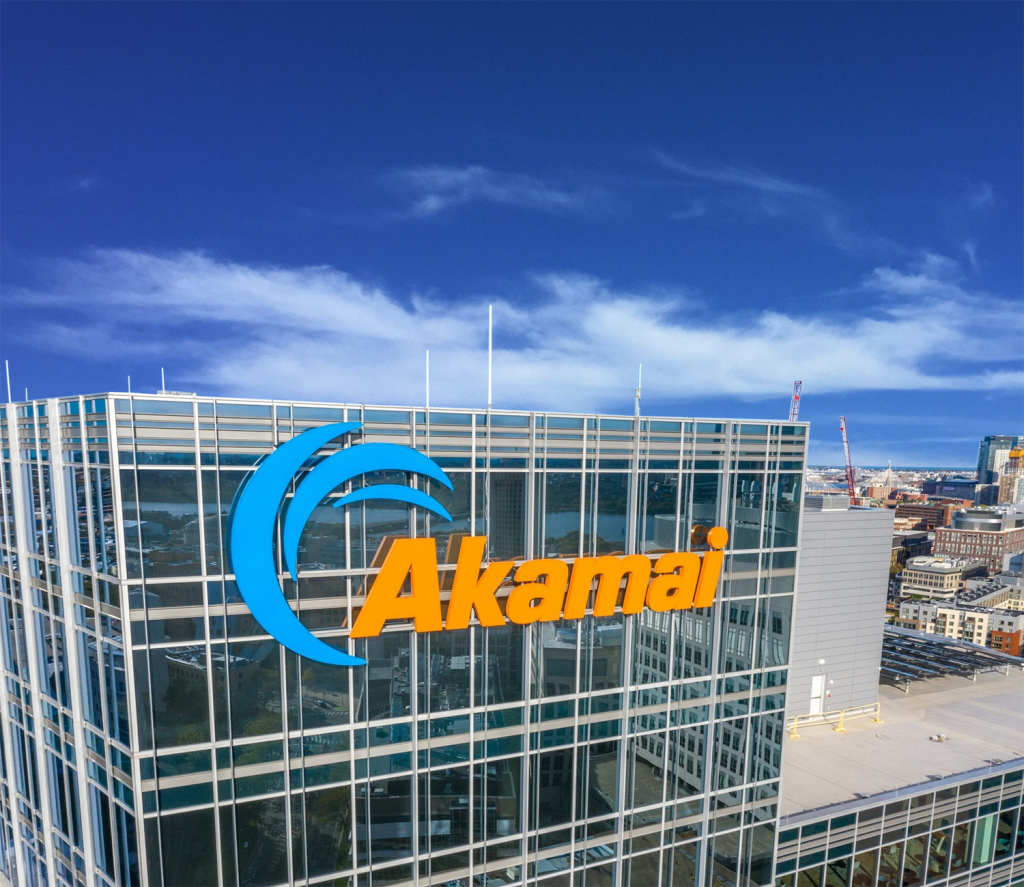
Akamai Technologies maintains a comprehensive global presence with over 40 office locations across nearly 30 countries, anchored by its global headquarters in Cambridge, Massachusetts. This physical footprint supports the Akamai Connected Cloud, a massively distributed platform comprising over 4,100 points of presence (PoPs) that deliver security, content delivery, and edge computing services to enterprise clients worldwide.
As of 2026, Akamai’s corporate footprint reflects a strategic shift from a traditional centralized office model toward a decentralized, "work from anywhere" philosophy, supported by high-density regional hubs. This evolution allows the company to tap into global talent pools while maintaining physical Centers of Excellence that drive innovation in cloud computing and cybersecurity.
The Heart of Operations: North American Footprint
Akamai’s North American presence is the foundation of its corporate identity. The company’s global headquarters at 145 Broadway in Cambridge, Massachusetts, serves as the primary nerve center. This 19-story, 480,000-square-foot facility was designed to consolidate several smaller offices into a single, cohesive environment. The building is notable not just for its size but for its commitment to sustainability, having achieved LEED v4 Platinum certification. It features the "Akamai Mile," a mile-long continuous walking path that connects all floors, encouraging collaboration and movement among employees.
Beyond Cambridge, Akamai maintains significant regional hubs to support specific market verticals and technical operations:
- San Jose and Santa Clara, California: Situated in the heart of Silicon Valley, these locations focus on engineering, product development, and maintaining relationships with major tech partners and venture capital ecosystems.
- Reston, Virginia: This office serves as the primary gateway for Akamai’s Public Sector business. Its proximity to Washington, D.C., is critical for managing government contracts and ensuring compliance with federal security standards.
- Denver, Colorado: This location has grown into a significant technical and sales hub, benefiting from the region's expanding aerospace and telecommunications sectors.
- Fort Lauderdale, Florida: This office acts as a strategic bridge to the Latin American market, facilitating logistics and sales leadership for the Caribbean and South American regions.
Expanding the Reach: EMEA Regional Presence
The Europe, Middle East, and Africa (EMEA) region represents one of Akamai’s most diverse and rapidly growing footprints. The company has moved beyond simple sales offices to establish sophisticated technical centers that support local data sovereignty requirements and regional cybersecurity needs.
The Krakow Center of Excellence
The Krakow, Poland office is perhaps the most critical component of the EMEA footprint. It functions as a Global Center of Excellence, housing over 1,500 employees. This location is not merely a regional branch; it is a vital engine for Akamai’s global operations, including finance, network operations, customer support, and software engineering. The Krakow office allows Akamai to provide "follow-the-sun" support, ensuring that technical expertise is available in multiple time zones.
Strategic Hubs in London and Tel Aviv
London serves as the headquarters for the EMEA region, focusing heavily on the financial services and media sectors. Given London's status as a global financial hub, this office is central to Akamai’s strategy of securing high-value transactions and media streaming services for European markets.
In Tel Aviv, Israel, Akamai’s footprint is deeply rooted in cybersecurity R&D. Following the acquisition of security firms like Guardicore and Cyberoam in previous years, the Tel Aviv office has become a focal point for zero-trust architecture and microsegmentation development. The talent pool in Israel is instrumental in maintaining Akamai’s edge in the increasingly competitive security market.
Asia-Pacific and Japan (APJ): Driving Future Growth
The APJ region is a significant driver of Akamai’s global expansion, particularly as cloud adoption and digital transformation accelerate in emerging markets.
Bangalore and the Indian Market
Bangalore (Bengaluru), India, hosts another major technical hub for Akamai. Much like the Krakow office, the Bangalore location is essential for engineering and global services. With India being a primary source of engineering talent, Akamai has invested heavily in this footprint to support its cloud computing roadmap and security operations centers (SOCs).
Tokyo and North Asia
In Tokyo, Japan, Akamai maintains a robust presence to serve some of the world's largest gaming and electronics companies. The Japanese market has unique requirements regarding network latency and service reliability, making the Tokyo office a critical liaison between local customer needs and global product development. Additional offices in Seoul, South Korea, and Singapore further solidify the company's grip on the Asian digital economy, focusing on mobile gaming, e-commerce, and regional telecommunications partnerships.
The Virtual Footprint: Akamai Connected Cloud
To understand Akamai’s corporate footprint, one must look beyond office buildings and into its network infrastructure. The "physical" presence of Akamai is arguably better defined by its Points of Presence (PoPs) than by its office addresses.
As of 2026, the Akamai Connected Cloud is the world’s most distributed platform for cloud computing, security, and content delivery. This footprint includes:
- Distributed Edge Locations: Thousands of server clusters located inside thousands of distinct networks worldwide. This allows Akamai to stay "close" to the user, reducing latency.
- Core Computing Sites: Following the integration of Linode and the expansion of its cloud services, Akamai has established core data center sites that provide full-stack computing capabilities.
- Security Operations Centers (SOCs): Physically located within major office hubs (such as Bangalore, Krakow, and Cambridge), these centers provide 24/7 monitoring and mitigation of global cyber threats.
This hybrid footprint—combining traditional offices with a massively distributed server network—enables Akamai to offer services that a centralized cloud provider cannot easily replicate.
Key Global Hubs and Their Primary Functions
| Region | Primary Hub | Key Functions | Strategic Importance |
|---|---|---|---|
| North America | Cambridge, MA | Global HQ, Executive Leadership, R&D | Central nerve center and innovation lab. |
| North America | Reston, VA | Public Sector, Federal Sales | Compliance and government relations. |
| EMEA | Krakow, Poland | Global Services, Finance, Engineering | Massive technical and operational scale. |
| EMEA | London, UK | Regional HQ, Financial Services Sales | Commercial heart of the European market. |
| EMEA | Tel Aviv, Israel | Cybersecurity R&D | Development of Zero Trust and Security tech. |
| APJ | Bangalore, India | Engineering, Customer Support | Access to high-tier technical talent. |
| APJ | Tokyo, Japan | Media, Gaming, Regional Sales | Serving high-bandwidth, low-latency markets. |
| APJ | Singapore | Regional Hub, Logistics | Central coordination for Southeast Asia. |
| LATAM | São Paulo, Brazil | Sales, Regional Support | Growing e-commerce and media market. |
Sustainability in the Corporate Footprint
Akamai has integrated its environmental goals directly into its physical footprint strategy. By 2026, the company has made significant strides toward its goal of being 100% powered by renewable energy. This initiative affects how Akamai selects new office spaces and where it places its server infrastructure.
The corporate footprint now prioritizes buildings with high environmental ratings (such as LEED or BREEAM). Furthermore, Akamai’s "Edge" strategy contributes to sustainability by reducing the distance data must travel, thereby decreasing the overall energy consumption of the internet. The company also works with data center partners to ensure that its hardware footprint is as energy-efficient as possible, focusing on power usage effectiveness (PUE) metrics.
Evolution of the Workplace: FlexBase Strategy
In the post-pandemic era leading into 2026, Akamai implemented the FlexBase program, which redefined its physical office requirements. Rather than requiring all employees to be in an office five days a week, Akamai transitioned many locations into "collaboration hubs."
This change meant that while the number of office locations remained relatively stable, the internal design of those offices shifted. Traditional cubicles were replaced with more open, meeting-centric spaces. This evolution allowed Akamai to optimize its real estate costs while still providing a physical "home" for employees when collaboration or specialized equipment (like lab space for network hardware) is required.
The Role of Acquisitions in Footprint Expansion
Akamai’s physical footprint has often grown through strategic acquisitions. When Akamai acquires a company, it often retains the existing office space to preserve the local talent. Notable examples include:
- Linode (Philadelphia, PA): The acquisition of Linode added a significant presence in Philadelphia and expanded Akamai's data center footprint globally.
- Guardicore (Tel Aviv, Israel): This bolstered the security R&D presence in the Middle East.
- Janrain (Portland, OR): This added a specialized hub for identity management services in the Pacific Northwest.
By integrating these specialized locations, Akamai ensures that its corporate footprint remains diverse and specialized, rather than just a collection of generic sales branches.
Frequently Asked Questions
Where is Akamai’s global headquarters located?
Akamai Technologies is headquartered at 145 Broadway, Cambridge, Massachusetts, 02142, USA. This facility serves as the central hub for the company’s executive team and a significant portion of its research and development staff. The building is a landmark in Kendall Square, an area known for high-tech innovation.
How many offices does Akamai have worldwide?
Akamai operates over 40 office locations globally. These are spread across North America, Europe, Asia-Pacific, and Latin America. While the exact number of satellite offices may fluctuate based on business needs and lease renewals, the company maintains a physical presence in approximately 30 different countries to support its global client base.
Does Akamai have data centers in addition to offices?
Yes, Akamai’s footprint includes a vast network of infrastructure that goes beyond office buildings. While they utilize third-party data center providers (colocation), they manage their own proprietary hardware within these facilities. Their network, the Akamai Connected Cloud, consists of over 4,100 points of presence (PoPs) in more than 130 countries, making it one of the most widely distributed computing platforms in existence.
What is the largest Akamai office outside of the United States?
The Krakow, Poland office is Akamai’s largest location outside of the U.S. It serves as a Global Center of Excellence and employs over 1,500 people. This office is responsible for a wide range of functions, including 24/7 network monitoring, customer support, software development, and global financial operations.
Can I visit an Akamai office for technical support?
Generally, Akamai offices are corporate environments and are not set up for walk-in technical support. Customers should use the official Akamai Control Center portal or contact their dedicated account representative for technical assistance. For security reasons, most Akamai facilities require pre-arranged appointments and government-issued identification for entry.
Practical Recommendation for Stakeholders
For businesses looking to partner with Akamai or individuals seeking employment, understanding the regional specialization of Akamai's offices is essential. If you are focused on cybersecurity R&D, the Tel Aviv or Cambridge hubs are the primary centers of gravity. For large-scale engineering and support operations, the Krakow and Bangalore offices offer the most significant resources.
When evaluating Akamai as a service provider, remember that their "corporate footprint" is a dual entity: the physical offices provide the human expertise and strategic direction, while the distributed network (the Edge) provides the actual service delivery. To get the most accurate and up-to-date information on specific office addresses or to find the nearest regional hub, always refer to the official Akamai Locations page.