The AirPods 3rd Generation features include Spatial Audio with dynamic head tracking, an IPX4 water-resistance rating for both the earbuds and the charging case, and Adaptive EQ that tunes music to the shape of your ear. They utilize the H1 chip to deliver up to 30 hours of total battery life and support "Hey Siri" functionality.
Released as a significant bridge between the entry-level AirPods and the premium Pro line, the AirPods 3rd Generation (often called AirPods 3) transformed the standard earbud experience for Apple users. Even as we navigate 2026, these earbuds remains a staple in the secondary and refurbished markets, as well as a reliable choice for users who prefer a non-silicone, open-ear fit. Understanding the technical specifications and functional capabilities of this model is essential for anyone looking to maximize their current hardware or considering a purchase in the current landscape of wireless audio.
The Evolution of Design: Form Meets Function
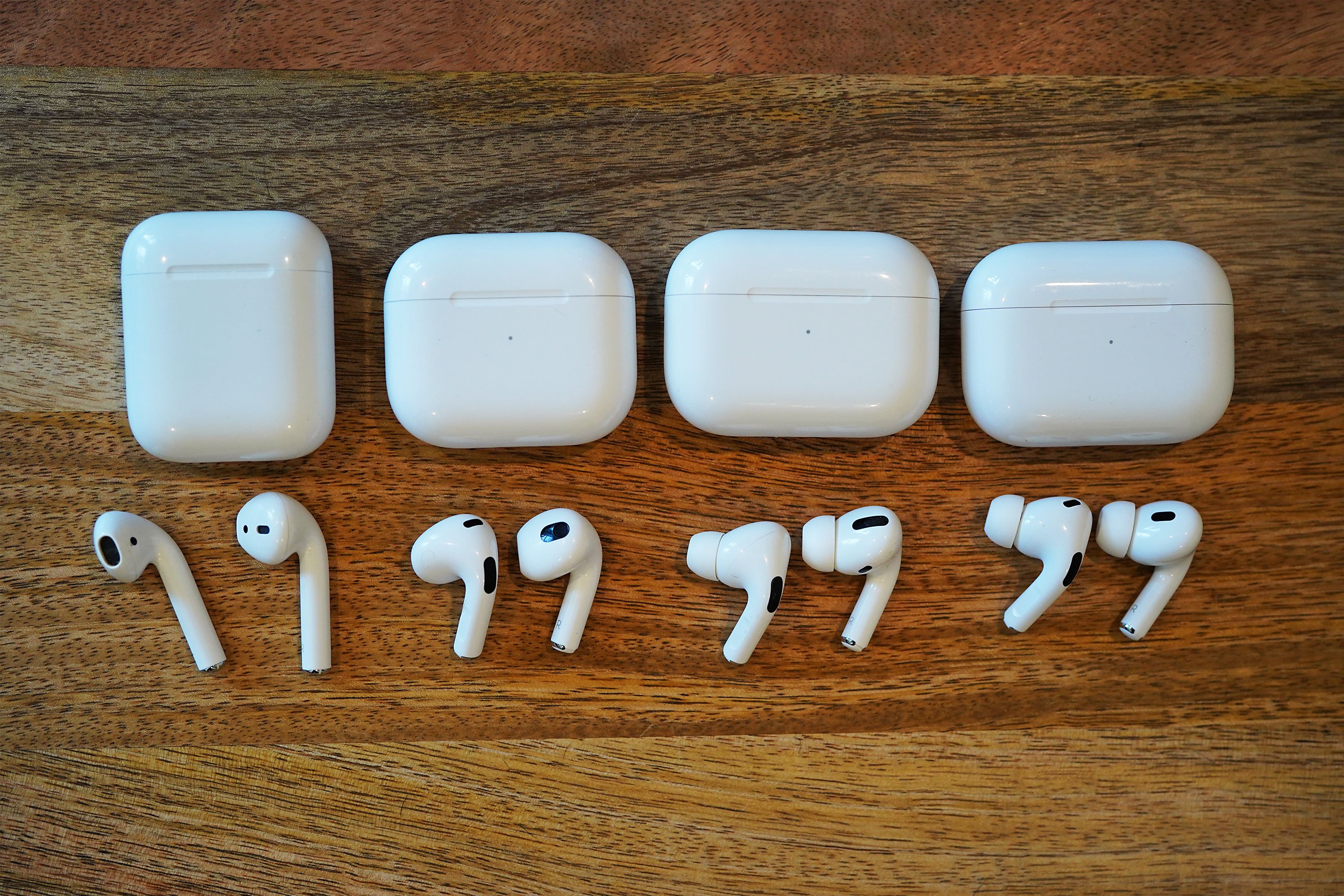
The AirPods 3rd Generation marked the first major design overhaul for the standard AirPods line since its inception. Moving away from the long-stemmed aesthetic of the 1st and 2nd generations, the 3rd Gen adopted a look closely mirrored after the AirPods Pro, though without the silicone ear tips.
Contoured Open-Ear Fit
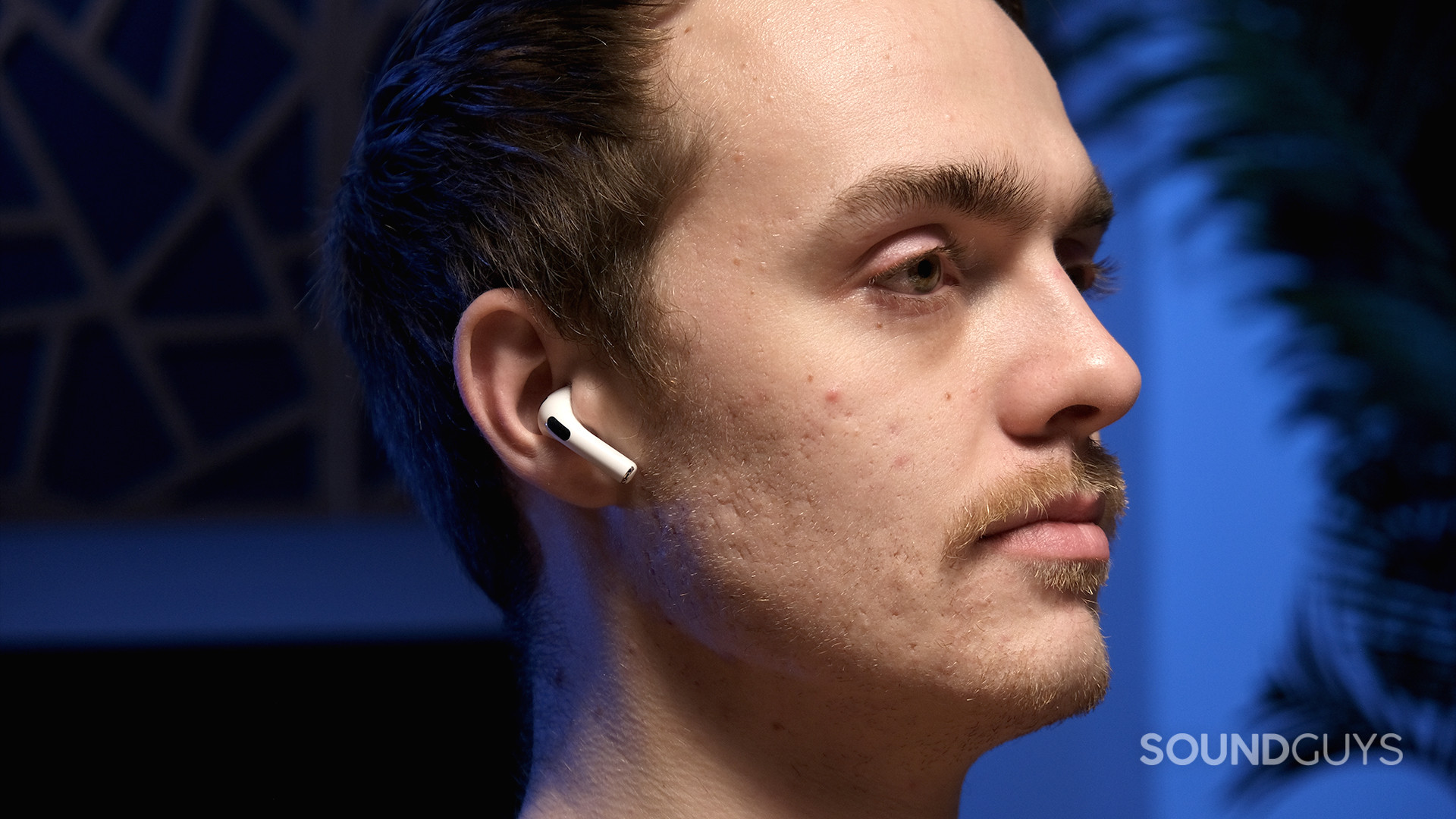
The most striking physical feature of the AirPods 3 is the contoured design. Unlike the AirPods Pro, which use silicone tips to create a seal in the ear canal, the 3rd Gen retains an "open-air" design. This is a critical feature for users who find in-ear tips uncomfortable or suffer from ear fatigue during long listening sessions. The earbuds are angled specifically to sit at the optimal position to funnel sound into the ear canal while allowing some ambient awareness.
Shorter Stems and Force Sensors
The stems on the 3rd Gen are 33% shorter than those on the 2nd Gen. Beyond aesthetics, this reduction in length moved the center of gravity closer to the ear, improving stability during movement. Furthermore, the 3rd Gen replaced the "tap" controls of previous versions with a force sensor. By squeezing the indentation on the stem, users can play, pause, skip tracks, or answer calls with a tactile click, which significantly reduces the accidental triggers common with touch-sensitive or tap-based controls.
Audio Technology: Spatial Audio and Custom Drivers
The core value proposition of the AirPods 3rd Gen is its integration of high-end audio features previously reserved for the Pro and Max models.
Spatial Audio with Dynamic Head Tracking
Perhaps the most celebrated feature is Spatial Audio. This technology uses sophisticated directional audio filters to place sounds nearly anywhere in 3D space, creating an immersive experience for movies, TV shows, and music mixed in Dolby Atmos.
The dynamic head tracking component utilizes the accelerometers and gyroscopes built into the earbuds to track the movement of your head relative to your iPhone, iPad, or Mac. As you turn your head, the audio recalibrates so that the soundstage remains fixed to the device. For instance, if you are watching a movie on an iPad and turn your head to the right, the dialogue will still sound as if it is coming from the iPad’s direction, rather than shifting with your ears.
Custom-Engineered Drivers
The AirPods 3 feature a custom high-excursion driver and a high dynamic range amplifier. These components work in tandem to produce clean, clear high frequencies and deep, rich bass. Because the 3rd Gen does not have a silicone seal, Apple engineered the driver to push more air, compensating for the lack of passive noise isolation and ensuring the low-end frequencies remain punchy rather than thin.
Adaptive EQ: Personalizing the Soundscape
Because every ear is shaped differently, sound reflects and resonates uniquely for every individual. Apple addressed this with Adaptive EQ, a feature that debuted with the Pro line and was integrated into the 3rd Gen.
The Inward-Facing Microphone
The earbuds contain an inward-facing microphone that monitors the sound being played into your ear. It measures the sound pressure and frequency response of the audio as it interacts with your unique ear anatomy.
Real-Time Tuning
The onboard H1 chip processes this data in real-time, adjusting the mid and low frequencies of the music to account for what might be lost due to the fit or the shape of the ear. This ensures that the user hears the track as the artist intended, providing a consistent acoustic experience regardless of how the earbuds are positioned.
The Power of the H1 Chip and Connectivity
The H1 chip is the "brain" of the AirPods 3rd Gen. While newer chips like the H2 have since been released, the H1 remains a powerful processor that handles several critical functions simultaneously.
Instant Pairing and Switching
The H1 chip enables the seamless "one-tap setup" that has become synonymous with the Apple ecosystem. Once paired with an iPhone, the AirPods 3 are automatically paired with every other device signed into the same iCloud account (Mac, iPad, Apple Watch, and Apple TV).
The Automatic Switching feature allows the audio to follow the user. If you are listening to music on your Mac and receive a call on your iPhone, the AirPods will automatically switch the audio source to the phone.
"Hey Siri" and Voice Integration
The H1 chip provides always-on "Hey Siri" support. Users can summon the virtual assistant hands-free to adjust volume, send messages, get directions, or control smart home devices. The beamforming microphones are designed to isolate the user’s voice from background noise, ensuring Siri understands commands even in windy environments.
Hardware Durability: The IPX4 Rating
A significant upgrade over the 2nd Gen was the introduction of environmental resistance. The AirPods 3rd Gen earbuds and the charging case are both rated IPX4 for sweat and water resistance.
What IPX4 Means in Practice
An IPX4 rating means the device is protected against splashing water from any direction. While you cannot submerge them in a pool or take them into a shower, they are perfectly suited for:
- Intense workouts involving heavy perspiration.
- Running in light to moderate rain.
- Accidental splashes near a sink.
Crucially, the 3rd Gen was one of the first models where the charging case also received this rating, providing peace of mind if you are caught in the rain while the buds are docked.
Battery Life and Charging Solutions
Battery performance saw a notable jump with the 3rd Gen, offering more longevity than both the 2nd Gen and the original AirPods Pro.
Listening and Talk Time
On a single charge, the AirPods 3 provide up to 6 hours of listening time (up to 5 hours with Spatial Audio enabled) and up to 4 hours of talk time. When combined with the charging case, the total listening time extends to 30 hours. This was a 6-hour increase over the previous generation’s total capacity.
Fast Charging Capabilities
For users on the go, the 3rd Gen supports fast charging. Placing the earbuds in the case for just 5 minutes provides approximately one hour of listening or talk time. This is particularly useful for commuters or students who may have forgotten to charge their devices overnight.
Charging Case Variants
By 2026, users may encounter two different case versions for the 3rd Gen:
- MagSafe Charging Case: Compatible with MagSafe chargers, Qi-certified wireless mats, and Lightning cables.
- Lightning-only Case: A slightly more affordable version released later in the product cycle that lacks wireless charging capabilities.
Advanced Sensors: Skin-Detect vs. Optical
Previous generations used optical sensors to determine if the earbuds were in your ear. However, these could sometimes be fooled if the earbuds were placed in a pocket or on a dark surface, leading to unintentional playback that drained the battery.
The AirPods 3rd Gen introduced the Skin-Detect Sensor. This sensor uses short-wave infrared technology to detect the water content in human skin. It can accurately distinguish between your ear and other surfaces (like a table or a pocket), ensuring that the music pauses only when you actually remove the buds and doesn't resume unless they are back in your ears.
Feature Comparison: AirPods 2nd Gen vs. 3rd Gen vs. 4th Gen
To understand the 3rd Gen's standing in 2026, it is helpful to see how its features stack up against its predecessor and its successor.
| Feature | AirPods (2nd Gen) | AirPods (3rd Gen) | AirPods (4th Gen) |
|---|---|---|---|
| Audio Tech | Standard Stereo | Spatial Audio + Adaptive EQ | Spatial Audio + Voice Isolation |
| Chip | H1 | H1 | H2 |
| Active Noise Cancellation | No | No | Optional (ANC Model) |
| Battery (Buds/Total) | 5h / 24h | 6h / 30h | 5h / 30h |
| Water Resistance | None | IPX4 (Buds & Case) | IP54 (Dust & Water) |
| Charging Port | Lightning | Lightning / MagSafe | USB-C |
| Sensor Type | Optical | Skin-Detect | Skin-Detect |
| Control | Double-tap | Force Sensor (Squeeze) | Force Sensor |
Find My Integration and Accessibility
The AirPods 3rd Gen are deeply integrated into the Find My network. This allows users to locate their lost earbuds using the Find My app on an iPhone or iPad.
Proximity View and Separation Alerts
While they lack the U1/U2 chip for "Precision Finding" found in the Pro models, the 3rd Gen supports Proximity View, which tells you if you are getting "closer" or "farther" from the earbuds. You can also set up Separation Alerts, which send a notification to your iPhone if you leave your AirPods behind at a location.
Accessibility Features
Apple includes several accessibility features for the 3rd Gen:
- Live Listen: Uses the iPhone as a microphone to beam sound directly to the AirPods, helpful in noisy environments.
- Headphone Accommodations: Allows users to amplify soft sounds and adjust certain frequencies to suit their hearing needs.
- Announce Notifications: Siri can automatically read out important time-sensitive notifications (like texts or reminders) while you are wearing the earbuds.
Frequently Asked Questions
Do AirPods 3rd Gen have Active Noise Cancellation (ANC)?
No, the AirPods 3rd Gen do not have Active Noise Cancellation. They feature an "open" design that does not use silicone ear tips to seal the ear canal. For ANC, Apple offers the AirPods Pro or the ANC-specific version of the AirPods 4. The 3rd Gen is designed for users who prefer to hear some of their surroundings or who find the "plugged" feeling of ANC earbuds uncomfortable.
Are AirPods 3rd Gen good for working out?
Yes, the AirPods 3rd Gen are excellent for exercise. They are rated IPX4, making them resistant to sweat and splashes of water. The contoured design is also more secure than the 2nd Gen, though they lack the customizable fit of the silicone tips found on the Pro models. Most users find they stay in place during running and weightlifting.
Can I use the AirPods 3rd Gen with an Android phone?
Yes, you can pair AirPods 3rd Gen with an Android device via Bluetooth. However, you will lose many of the "explained" features, such as Spatial Audio with dynamic head tracking, automatic device switching, "Hey Siri," and the ability to customize controls. The Skin-Detect sensor may also not function as reliably on non-Apple hardware.
How do I check the battery life of my AirPods 3?
The easiest way is to open the charging case lid near your iPhone; a pop-up window will show the battery percentage of both the buds and the case. Alternatively, you can use the Battery Widget on your iOS home screen or ask Siri, "What’s my AirPods' battery?"
Does the AirPods 3rd Gen case support USB-C?
The original AirPods 3rd Gen cases were manufactured with Lightning ports. While Apple transitioned to USB-C for newer models (like AirPods Pro 2 and AirPods 4), the 3rd Gen remains primarily a Lightning-based device. If you are using these in 2026, you will likely need a Lightning cable or a MagSafe/Qi wireless charger.
Is Spatial Audio available on all apps?
Spatial Audio works with any app that supports multi-channel audio, including Apple Music, Apple TV+, Netflix, Disney+, and HBO Max. For music specifically, the track must be available in Dolby Atmos to utilize the full Spatial Audio experience.
Final Recommendation: Should You Use AirPods 3 in 2026?
In 2026, the AirPods 3rd Gen remains a highly capable piece of hardware. Its primary value lies in its Spatial Audio capabilities and Adaptive EQ, which significantly elevate the listening experience over the 2nd Gen model.
If you are a user who finds silicone ear tips uncomfortable or prefers to remain aware of your environment (ambient transparency), the 3rd Gen offers the best balance of "open" design and high-end audio features. While the AirPods 4 have since introduced the H2 chip and improved dust resistance, the 3rd Gen is often available at a much more attractive price point in 2026. For those who prioritize battery life—boasting a robust 30 hours of total time—and don't require Active Noise Cancellation, the 3rd Gen remains a definitive choice for the Apple ecosystem.