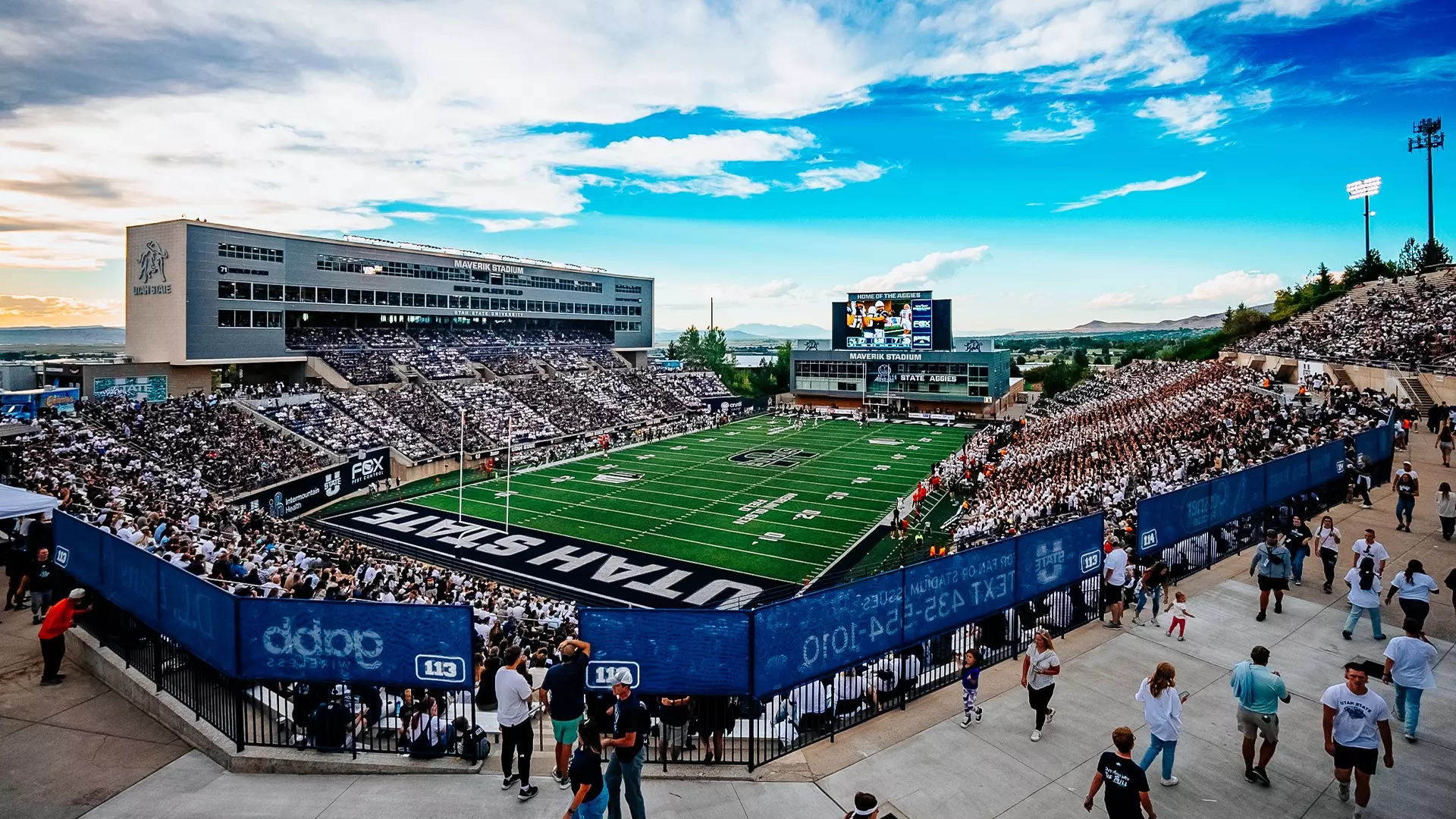
As of 2026, Air Force football remains the most distinct offensive entity in the Mountain West Conference, utilizing a sophisticated "multiple" triple-option system. Their playbook focuses on the flexbone formation, prioritizing the fullback dive, perimeter pitches, and high-efficiency play-action passing to neutralize the size advantages of conference opponents through leverage, speed, and disciplined execution.
The Philosophical Foundation of Air Force Football
To understand the plays Air Force runs in the Mountain West, one must first understand the "why" behind the system. Unlike most programs in the conference—such as Boise State or UNLV, which often lean toward modern Spread or Pro-Style architectures—the United States Air Force Academy (USAFA) operates under unique institutional constraints. Cadets must adhere to strict military weight and body composition standards, which generally prevents the coaching staff from recruiting the 300-plus-pound offensive linemen common in the Power Four or even elsewhere in the Mountain West.
To compensate for this lack of raw mass, Head Coach Troy Calhoun (who has maintained a remarkably stable tenure into 2026) employs an offense built on force multiplication. The goal is not to overpower the defensive line but to move them out of position using their own momentum. This is achieved through a combination of "low-pad level" blocking, deception, and the mathematical advantage of the triple option, which effectively "takes a player out of the play" without needing to block them.
In the Mountain West landscape, this makes Air Force a "scheduling nightmare." Conference foes only see this style of play once a year, requiring them to scrap their standard defensive installs for a one-week "assignment football" crash course.
The Core Identity: The Flexbone Formation
The vast majority of Air Force’s plays originate from the flexbone formation. This setup features a quarterback under center, a fullback (often referred to as the "B-back") lined up directly behind him, and two slotbacks (the "A-backs") positioned just outside the offensive tackles and slightly behind the line of scrimmage.
This formation is symmetrical, which is a tactical nightmare for Mountain West defensive coordinators. Because the formation is balanced, the defense cannot "overload" a strong side before the snap. The offense can run the exact same play to the left or the right with equal efficiency, forcing the defense to remain perfectly disciplined across the entire front.
The Fullback Dive: The Engine of the Offense
Every successful Air Force drive in the Mountain West begins with the fullback dive. While it looks like a simple plunge into the middle of the line, it is the most critical "read" in the playbook.
- The Mesh Point: The quarterback takes the snap and immediately seats the ball into the fullback’s stomach. This is called the "mesh."
- The Read Key: The QB is looking at the defensive tackle (the 3-technique or 1-technique). If that defender crashes inside to tackle the fullback, the QB pulls the ball out.
- The Result: If the defender stays wide, the fullback keeps the ball and surges for 3–4 yards. In the Mountain West, Air Force is content to "cloud-of-dust" their way down the field 4 yards at a time, wearing out opposing interior linemen who are used to chasing quarterbacks in the pocket, not taking constant body blows from a 230-pound fullback.
Executing the Triple Option in the Modern MWC
The "Triple" in triple option refers to the three potential ball carriers on a single play: the Fullback, the Quarterback, and the trailing Slotback. By 2026, the speed of Mountain West linebackers has increased, forcing Air Force to be even more precise with their "pitch windows."
The Midline Option
The Midline is a variation of the triple option designed to attack defenses that try to "pinch" their defensive tackles to stop the dive. In this play, the offensive line actually leaves one of the largest interior defenders unblocked. The quarterback reads this unblocked defender. If the defender attacks the QB, he hands off to the fullback. If the defender sits on the fullback, the QB keeps it and runs through the vacated "midline" of the defense.
The Perimeter Pitch
When a Mountain West defense successfully "crashes the box" (puts 8 or 9 players near the line of scrimmage to stop the dive), Air Force moves the play to the perimeter. This is where the slotbacks (A-backs) come into play. On a pitch play, the QB bypasses the fullback, rounds the edge of the offensive tackle, and forces the "pitch key"—usually a defensive end or an outside linebacker—to make a decision.
- If the defender commits to the QB, the QB tosses the ball to the trailing slotback.
- If the defender drifts toward the slotback, the QB tucks the ball and sprints upfield.
This lateral stress is what often leads to the explosive 20+ yard runs that define Air Force’s statistical profile in conference play.
Advanced Tactical Variations: The "Multiple" Element
Coach Calhoun often bristles at the label of a "pure" triple-option team. By 2026, the Air Force playbook has incorporated significant "Pro-Style" and "Spread" wrinkles to counter the specialized defenses used by teams like San Diego State or Wyoming.
Counter Options and Reverses
One of the most effective ways Air Force punishes aggressive Mountain West defenses is through misdirection. The Counter Option starts with the fullback and the line moving in one direction, only for the QB to pivot and pitch the ball to a slotback running in the opposite direction. This play preys on the "keys" that linebackers use to find the ball. If a linebacker is coached to "follow the fullback," the Counter Option will leave him 10 yards out of position.
The "Heavy" Formation
In short-yardage or goal-line situations, Air Force will often transition into a "Heavy" or "Jumbo" look. This might involve bringing in an extra offensive lineman or a larger tight end. However, even in this "power" look, the threat of the option remains. The defense must respect the dive, the QB keeper, and the power sweep simultaneously.
The Lethal Play-Action Passing Game
Perhaps the most misunderstood aspect of Air Force football in the Mountain West is their passing efficiency. While they may only throw the ball 5 to 10 times a game, they frequently lead the conference in yards per completion.
The reason is simple: The Vertical Threat. After 15 consecutive runs where the defensive backs are forced to "run support" (come up and tackle), the secondary becomes conditioned to look into the backfield. Air Force exploits this with "Max Protect" play-action.
- The Look: The offensive line and the QB mimic a standard fullback dive.
- The Reality: The wide receivers (who are primarily blockers for most of the game) sprint past the cornerbacks who have "bitten" on the run fake.
- The Result: A wide-open receiver catching a 40-yard touchdown with no defender within five yards. This is the "dagger" play in the Air Force arsenal that often breaks the morale of Mountain West opponents.
Offensive Line Techniques and "Cut" Blocking
To make these plays work, the Air Force offensive line utilizes techniques that are rare in the modern era. The most controversial and effective is the cut block.
By 2026, NCAA rules regarding blocking below the waist have become highly specific, generally restricting cut blocks to the "tackle box" and immediate post-snap actions. Air Force has mastered the art of "legal" cut blocking. By diving at the knees of a much larger 315-pound defensive tackle, a 265-pound Air Force center can take the defender's legs out, creating a massive lane for the fullback.
In the Mountain West, where many teams rely on highly athletic, upright defensive ends, the constant threat of being "cut" forces defenders to play tentatively. They must keep their hands low to protect their legs, which prevents them from using their reach to shed blocks or bat down passes.
Comparison of Key Play Types in the Air Force Playbook
The following table outlines the primary plays used by Air Force in conference play, their primary objectives, and the "read" that determines the ball carrier.
| Play Name | Formation | Primary Read Key | Objective | Typical Yardage |
|---|---|---|---|---|
| Fullback Dive | Flexbone | Defensive Tackle (3-Tech) | Establish interior presence; wear down the DL. | 3–5 yards |
| Triple Option | Flexbone | Defensive End / OLB | Attack the perimeter and force 1-on-1 tackles. | 5–15 yards |
| Midline | Flexbone | Unblocked DT / Nose | Exploit defenses that over-pursue the dive. | 4–8 yards |
| Rocket Toss | Wide Slot | None (Speed Play) | Get the ball to the edge faster than the defense can rotate. | 8+ yards |
| Switch Verticals | Flexbone/Pro | Safety / Cornerback | Punish secondary for "creeping" into the box. | 25+ yards |
| Counter Option | Flexbone | Backside Linebacker | Use misdirection to catch aggressive defenses. | 6–12 yards |
Special Teams and the "Hidden Yardage"
In the Mountain West, games involving Air Force often have fewer total possessions because the Air Force offense stays on the field for so long. This increases the importance of every single play. Air Force "plays" extend to special teams, where they are known for:
- The "Rugby" Punt: A rolling punt that is difficult to return and often pins opponents deep.
- The Aggressive Block: Because of their wrestling-background recruits, Air Force is consistently among the nation's leaders in blocked punts and field goals.
- Discipline: Air Force is almost always the least-penalized team in the conference. A "play" for Air Force often succeeds simply because they didn't commit a holding penalty or a false start, whereas their opponent did.
Challenges for Mountain West Opponents in 2026
The difficulty in defending Air Force plays lies in the "Mesh Point" timing. By 2026, Air Force has integrated more "RPO" (Run-Pass Option) elements into their flexbone. This means the QB isn't just reading a defensive end for a run/pitch decision; he may also be reading a crashing safety to decide whether to pull the ball and throw a quick slant.
Teams like Colorado State or New Mexico, who face Air Force annually, have attempted to recruit "hybrid" defenders—linebackers who are fast enough to chase the pitch but strong enough to take on the fullback dive. However, the sheer volume of "looks" Air Force can give out of the same formation makes it nearly impossible to be right 100% of the time. If the defense is wrong just 5% of the time, Air Force wins the time of possession battle 38 minutes to 22 minutes.
Frequently Asked Questions
Does Air Force still run the "Old School" triple option?
Yes, but with modern modifications. While the core philosophy of reading a defender remains, the "Air Force version" in 2026 uses more varied personnel groupings and motion than the versions seen in the 1980s. They incorporate shotgun snaps and pistol alignments to give the quarterback a better view of the defense, though the flexbone remains their "home" base.
Why don't other Mountain West teams use this playbook?
The Air Force playbook requires a specific type of roster and an incredible amount of practice time. "Service Academy" football is built on the fact that these players are together year-round in a disciplined environment. Most college programs prefer the "Spread" because it is easier to recruit high-profile wide receivers and quarterbacks to that system. Air Force recruits players who are specifically willing to "block first" and play a selfless style of football.
How does the altitude at Falcon Stadium affect these plays?
Air Force uses their playbook to weaponize their environment. By running a high-tempo, run-heavy offense at 6,621 feet above sea level, they physically exhaust Mountain West opponents. By the fourth quarter, a defensive line that has been "cut" and "dived" on for 50 plays is often too tired to stop the pitch, leading to late-game breakaways.
Are cut blocks still legal in the Mountain West?
Yes, provided they meet the current NCAA safety criteria. As of 2026, blocks below the waist are generally permitted within the "tackle box" (the area between the two offensive tackles) on the initial snap. Air Force coaches are experts at teaching legal techniques that maximize the effectiveness of their smaller linemen while staying within the rules.
Who is the key player in an Air Force offensive play?
While the quarterback makes the decisions, the Fullback is the most important player. If the fullback cannot get 3 or 4 yards on the dive, the entire "option" tree collapses. The defense will stop respecting the dive and focus entirely on the quarterback, making the perimeter plays much harder to execute.
Final Practical Recommendation
For those analyzing or preparing for an Air Force game in the Mountain West, the key is to watch the defensive ends. The success or failure of Air Force’s plays almost always depends on whether the defensive end can "squeeze" the dive while remaining athletic enough to "scrap" to the quarterback. For fans and bettors, tracking the "Time of Possession" and "Average Yards on 1st Down" is the best way to determine if the Air Force playbook is successfully neutralizing their opponent. If Air Force is in 2nd-and-5 or 2nd-and-6 consistently, the defense is in for a long, exhausting afternoon.