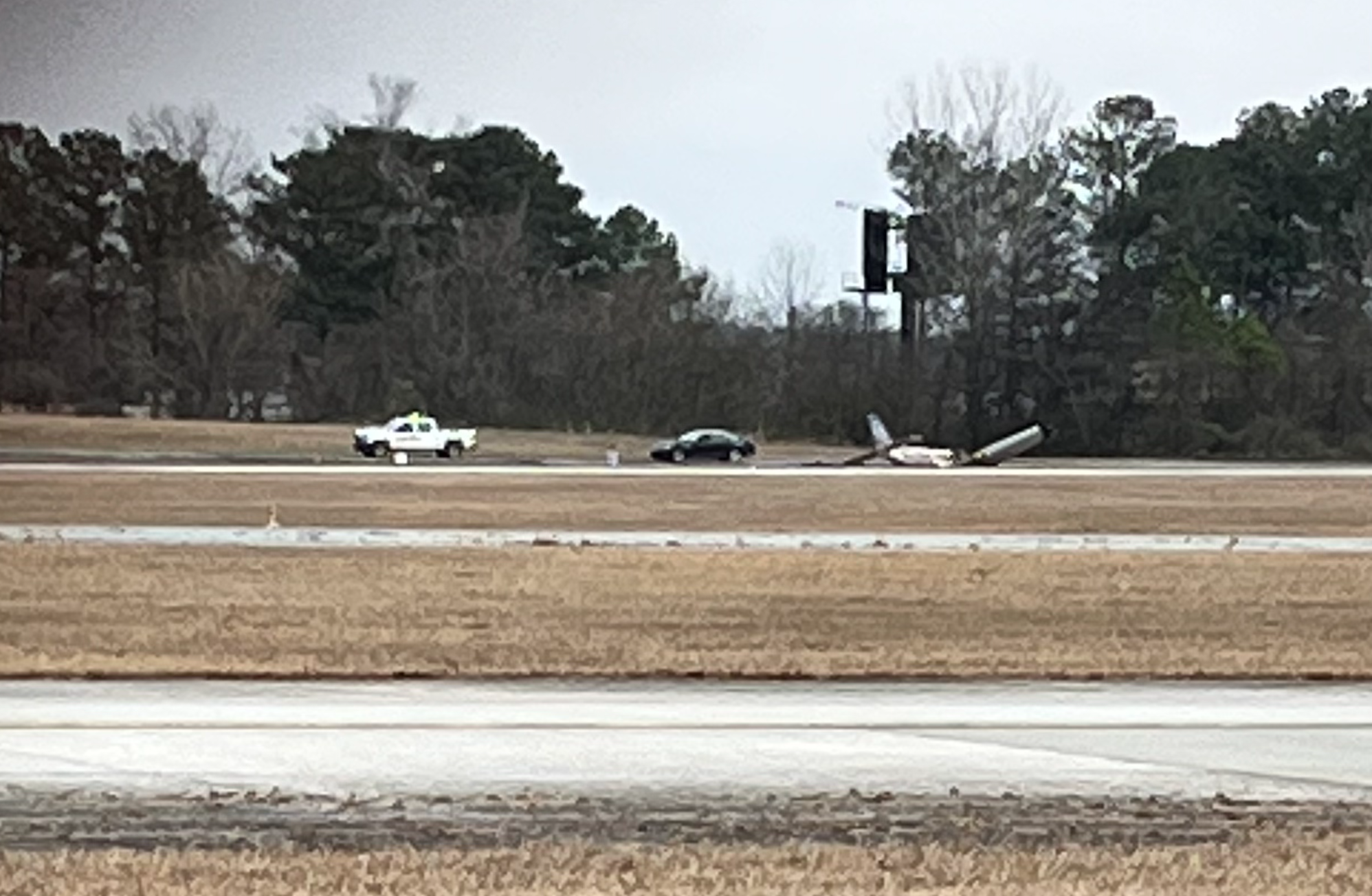
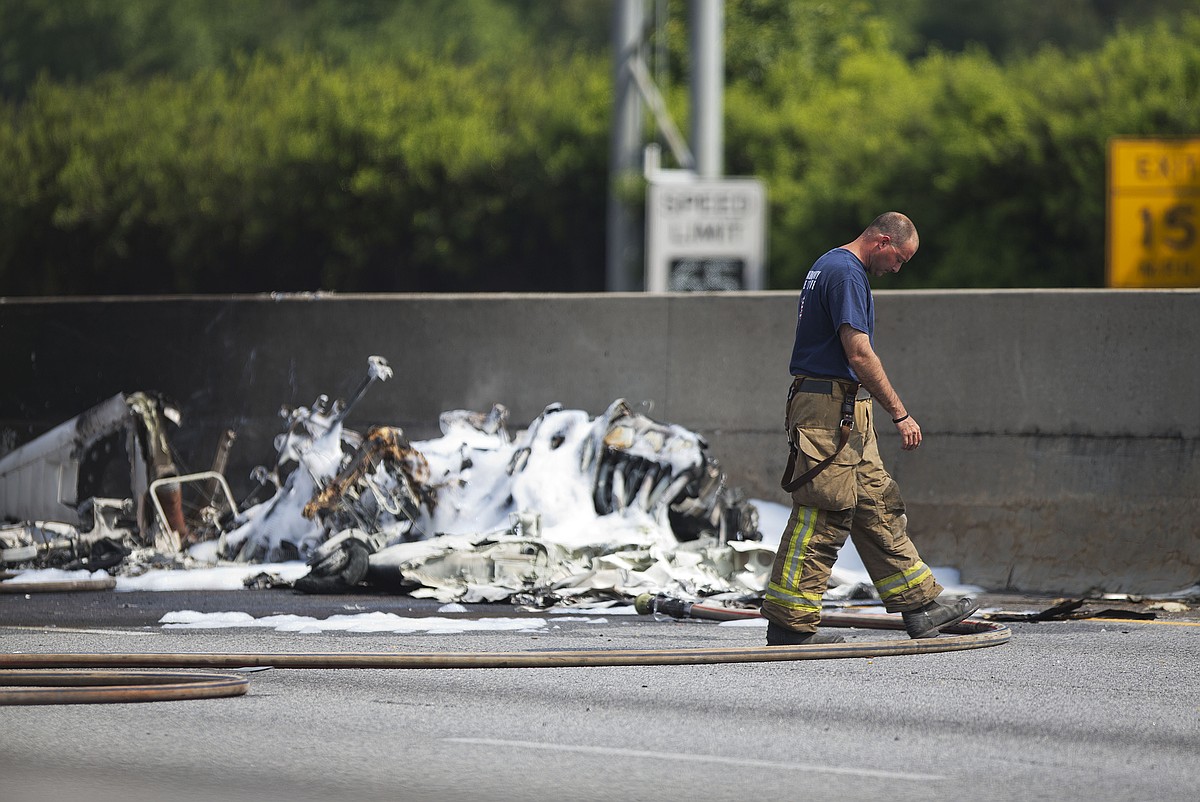
Atlanta’s aviation history is defined by its role as a global transit hub, yet this prominence has been marked by several significant air crashes that reshaped safety regulations. From the 1977 New Hope disaster to minor general aviation incidents in 2026, understanding these events requires analyzing NTSB investigations, engine failure mechanics, and evolving air traffic control protocols.
The metropolitan Atlanta area, anchored by Hartsfield-Jackson Atlanta International Airport (ATL), has witnessed a transformative journey in aviation safety. While modern technology has made commercial flight in the region exceptionally safe as of 2026, the lessons learned from historical tragedies remain the foundation of current emergency response and pilot training. By examining the technical failures and human factors involved in past accidents, we can better understand the rigorous standards that govern the thousands of flights moving through Georgia’s airspace daily.
The Definitive Impact of Southern Airways Flight 242
The most significant air crash in the Atlanta region occurred on April 4, 1977, involving Southern Airways Flight 242. This event remains a cornerstone of aviation safety studies due to its harrowing circumstances and the fundamental changes it sparked in weather detection and engine design.
Flight Path and Meteorological Challenges
Flight 242 was a DC-9-31 en route from Huntsville, Alabama, to Atlanta. As the aircraft entered Georgia airspace, it encountered an exceptionally severe thunderstorm cell near Rome. At the time, cockpit radar was significantly less sophisticated than the predictive systems used in 2026. The crew, attempting to find a gap in the storm, flew directly into a "hook echo" containing massive amounts of water and large hail.
The technical failure occurred when the Pratt & Whitney JT8D engines ingested excessive water and hail. This led to a phenomenon known as "compressor surging" and eventually caused the total loss of thrust in both engines. Without power, the flight crew attempted an emergency landing on a public highway in New Hope, Georgia, a small community northwest of Atlanta.
Consequences and Safety Reforms
The crash resulted in 72 fatalities, including 63 on the aircraft and nine on the ground. The National Transportation Safety Board (NTSB) investigation led to several critical safety mandates:
- Improved Radar Systems: The disaster highlighted the need for better ground-based and airborne weather radar to detect "hidden" severe weather.
- Engine Ingestion Standards: The FAA updated certification requirements for jet engines to ensure they could withstand specific volumes of water and hail without flaming out.
- Crew Resource Management (CRM): The communication between the pilots and air traffic controllers (ATC) was scrutinized, leading to better protocols for disseminating urgent weather information.
ValuJet Flight 592: The Atlanta Connection
While the physical crash of ValuJet Flight 592 took place in the Florida Everglades on May 11, 1996, its impact on Atlanta was profound. ValuJet was an Atlanta-based low-cost carrier, and the flight originated from Hartsfield-Jackson.
Technical Analysis of the Onboard Fire
The crash was caused by the improper carriage of hazardous materials—specifically, expired chemical oxygen generators. These canisters, which were being transported as "company material" (COMAT), were not properly capped. In the cargo hold, one or more generators activated, producing intense heat and oxygen, which ignited a fire that quickly breached the cabin floor and destroyed the aircraft's control cables.
Industry Shifts
The loss of all 110 people on board led to the FAA banning the transport of oxygen generators on passenger aircraft. It also resulted in a massive overhaul of how the FAA oversaw "start-up" airlines and third-party maintenance providers. For Atlanta, the crash marked a somber era in its aviation growth, eventually leading to the merger of ValuJet with AirTran Airways as part of a corporate rehabilitation strategy.
General Aviation Incidents in the Atlanta Metro Area
Commercial airlines garner the most headlines, but the Atlanta region manages a high volume of general aviation (GA) traffic through airports like DeKalb-Peachtree (PDK), Fulton County (FTY), and Briscoe Field (LZU).
DeKalb-Peachtree Airport (PDK) Safety Record
PDK is one of the busiest general aviation airports in the United States. Over the decades, its proximity to residential neighborhoods has made safety a primary concern. Most "air crash Atlanta" searches related to recent years often involve small, private aircraft.
Common factors in these incidents include:
- Engine Failure on Takeoff: Small piston engines are more susceptible to mechanical failure than the redundant turbofans found on commercial jets.
- Spatial Disorientation: Pilots flying under Visual Flight Rules (VFR) sometimes inadvertently enter clouds (Instrument Meteorological Conditions), leading to a loss of control.
- Fuel Exhaustion: Surprisingly common in GA, where manual fuel management is still a critical pilot responsibility.
Comparative Data: Major Aviation Incidents in North Georgia
The following table outlines key data points for major accidents that occurred within or directly affected the Atlanta aviation corridor.
| Date | Flight / Aircraft | Location | Fatalities | Primary Cause |
|---|---|---|---|---|
| April 4, 1977 | Southern Airways 242 | New Hope, GA | 72 | Hail/Water Ingestion & Engine Failure |
| Feb 26, 1973 | Southern Airways 49 | Atlanta, GA | 1 | Hijacking-related incident (Landing gear damage) |
| May 11, 1996 | ValuJet 592 | Everglades, FL (ATL Hub) | 110 | In-flight cargo fire (Hazardous materials) |
| Oct 8, 2021 | Cessna 210 | DeKalb-Peachtree (PDK) | 4 | Loss of control on takeoff |
| Jan 15, 2025 | Piper PA-28 | Near Gwinnett County | 1 | Engine failure during approach |
The Role of the NTSB in Atlanta Investigations
When an air crash occurs in Atlanta, the National Transportation Safety Board (NTSB) is the primary agency responsible for the investigation. The process is methodical and can take 12 to 24 months to complete a final report.
The "Go Team" Deployment
The NTSB maintains a "Go Team" of specialists in various disciplines, including:
- Operations: Examining the pilots' training, experience, and actions before the crash.
- Structures: Analyzing the wreckage to determine if there were structural failures.
- Powerplants: Inspecting the engines for mechanical defects.
- Systems: Reviewing hydraulic, electrical, and pneumatic systems.
The Importance of the "Black Box"
Modern flight recorders—the Flight Data Recorder (FDR) and Cockpit Voice Recorder (CVR)—are essential. In 2026, many aircraft also utilize real-time data streaming to ground stations, allowing investigators to access flight telemetry even if the physical boxes are damaged. The FDR tracks parameters like altitude, airspeed, and flap position, while the CVR captures all sounds in the cockpit, providing context to the pilots' decision-making process.
Aviation Safety Infrastructure in 2026
As of 2026, Atlanta’s aviation safety has reached new heights through the implementation of advanced technologies. Hartsfield-Jackson (ATL) serves as a model for "NextGen" air traffic control upgrades.
NextGen and ADS-B Technology
The transition to Automatic Dependent Surveillance-Broadcast (ADS-B) has replaced traditional radar as the primary means of tracking. ADS-B uses satellite navigation to broadcast an aircraft's position to ATC and other planes with higher precision and faster update rates than old-school rotating radar dishes. This is particularly vital in Atlanta’s congested "Class B" airspace.
Ground Safety and Runway Incursion Prevention
One of the greatest risks at busy airports like ATL is the "runway incursion"—where an aircraft or vehicle enters a runway without authorization. Atlanta has implemented the Runway Status Lights (RWSL) system. These are automated red lights embedded in the pavement that warn pilots if it is unsafe to enter or cross a runway, acting as a final fail-safe regardless of ATC instructions.
Emergency Response and Victim Support
In the aftermath of an air crash, the immediate priority is search and rescue, followed by family assistance. Atlanta’s emergency response infrastructure is highly specialized.
Atlanta Fire and Rescue (AFR) Aircraft Rescue
The Atlanta Fire and Rescue Department maintains specialized stations at Hartsfield-Jackson equipped with "Crash Trucks" (ARFF vehicles). These vehicles carry thousands of gallons of Aqueous Film-Forming Foam (AFFF) to suppress jet fuel fires. Response times are strictly mandated by the FAA, requiring the first vehicle to reach the midpoint of the furthest runway within minutes.
Legal and Family Resources
Following a major incident, the Aviation Disaster Family Assistance Act of 1996 mandates that the NTSB and the involved airline provide support to victims' families. This includes:
- Providing a private area for families to gather.
- Facilitating the identification and return of remains.
- Briefing families on the investigation's progress before the general public.
In 2026, legal protections for passengers have been strengthened, ensuring that families have access to professional counseling and transparent information regarding liability and insurance claims.
Frequently Asked Questions
What was the deadliest plane crash in Georgia history?
The crash of Southern Airways Flight 242 in 1977 remains the deadliest aviation accident to occur physically on Georgia soil. While other accidents involving Georgia-based airlines (like ValuJet 592) had higher death tolls, those crashes occurred outside the state’s borders.
How safe is Hartsfield-Jackson Atlanta International Airport?
As of 2026, Hartsfield-Jackson is considered one of the safest high-volume airports in the world. Despite handling over 100 million passengers annually, the airport has not had a fatal commercial jet hull loss (a crash resulting in total aircraft destruction) in decades. Its safety is maintained through redundant radar systems, advanced runway lighting, and world-class fire and rescue teams.
What should I do if I am involved in a minor aircraft incident?
If you are a passenger in a minor incident (such as an emergency landing or "blown tire" on the runway), follow all instructions from the cabin crew immediately. Once safe, document any injuries and retain your boarding pass and communication from the airline. The NTSB usually does not investigate minor incidents unless there is a significant safety trend involved, but the FAA will perform a standard review.
Where can I find official NTSB reports for Atlanta crashes?
Official investigation results are available through the NTSB CAROL database. You can search by date, city (Atlanta), or aircraft type. These reports provide the factual findings, probable cause, and safety recommendations resulting from each investigation.
Why do small planes crash more often than big ones in Atlanta?
General aviation aircraft often lack the redundancy of commercial airliners (such as having only one engine) and are frequently piloted by individuals with significantly fewer flight hours than airline captains. Furthermore, smaller planes are more susceptible to turbulence and local weather shifts that larger jets can easily fly over.
Practical Recommendations for Travelers and Pilots
To ensure the highest level of safety while navigating the Atlanta aviation corridor, stakeholders should prioritize the following actions:
- For Passengers: Always keep your seatbelt fastened, even when the "fasten seatbelt" sign is off. Unexpected clear-air turbulence is a leading cause of non-fatal injuries in modern aviation. Familiarize yourself with the nearest emergency exit, as cabin visibility can drop rapidly in the event of smoke.
- For General Aviation Pilots: Prioritize "Pre-flight Risk Assessment" tools. Given Atlanta's busy airspace, ensure your ADS-B equipment is fully functional and that you have briefed the specific arrival and departure procedures for airports like PDK or FTY to avoid airspace violations.
- For Local Residents: If you live near a flight path, be aware of the "Noise Abatement" procedures. While these are primarily for sound control, they often dictate specific power settings and altitudes for departing aircraft, which are vital components of local air traffic safety management.
The history of "air crash Atlanta" serves as a somber reminder of the risks of flight, but also as a testament to the relentless pursuit of safety. Through the lessons of the past and the technology of 2026, the skies over Georgia remain among the most monitored and secure in the world.