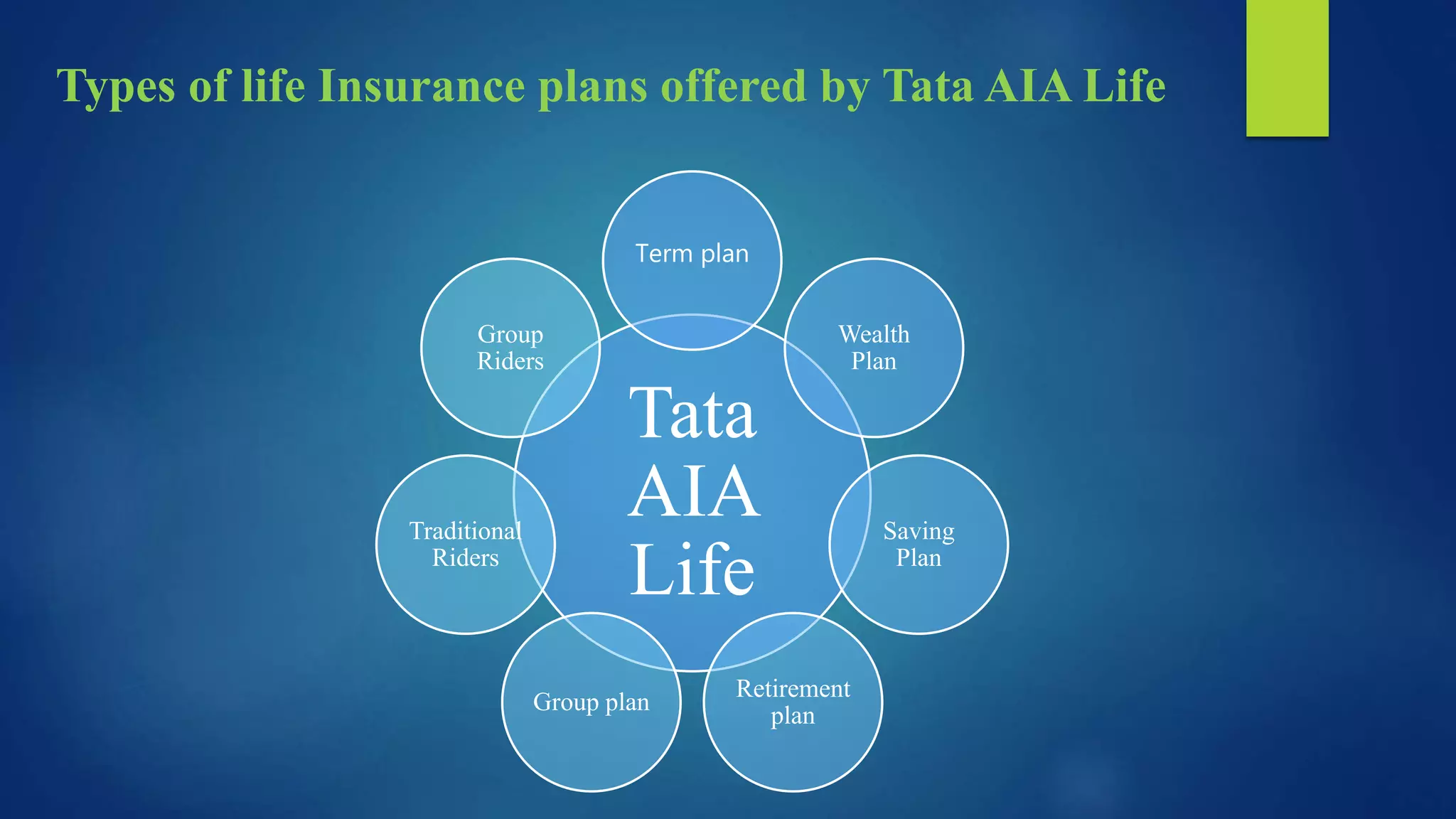
AIA life insurance products are diverse financial instruments designed to provide risk mitigation through death benefits, disability support, and long-term wealth accumulation. These offerings range from term life protection to investment-linked policies and critical illness plans, tailored to individual market regulations across AIA’s operational footprint. Selecting the right product requires evaluating specific coverage needs, premium affordability, and long-term financial goals.
The Scope of AIA Life Insurance Offerings
AIA Group, operating across numerous markets in the Asia-Pacific region, structures its life insurance portfolio to address the distinct needs of individuals at different life stages. Unlike a monolithic product, AIA's offerings are categorized by the primary intent of the contract. Understanding these categories is the first step toward aligning your financial strategy with the appropriate policy.
1. Protection-Focused Policies
These products prioritize high coverage amounts for a lower initial cost, focusing on providing a safety net for dependents or replacing income in the event of premature death or total permanent disability. Term life insurance is the quintessential example here, offering coverage for a set period without cash value accumulation.
2. Investment-Linked Policies (ILPs)
Investment-linked products provide a hybrid approach, combining a death benefit with the potential for investment growth. A portion of your premium is directed toward unit-linked funds, allowing policyholders to participate in market returns. These policies require active monitoring of the underlying fund performance, as investment risk is borne by the policyholder.
3. Savings and Endowment Plans
Designed for disciplined capital accumulation, endowment plans function as a mix of life coverage and a savings vehicle. These products often guarantee a payout at maturity or upon specific milestones, making them popular for education funding or retirement planning. They generally offer lower liquidity than standard investment accounts but provide a structured, disciplined way to ensure financial stability.
4. Critical Illness and Medical Protection
AIA frequently bundles or offers standalone riders for critical illness and medical expenses. Given the rising cost of healthcare, these products are designed to cover treatment costs, hospital stays, and post-recovery rehabilitation. Unlike death benefits, these are triggered by diagnosis or medical intervention, providing essential liquidity during health crises.
Core Considerations for Policy Selection
When evaluating AIA life insurance products, you must look beyond the marketing brochure. A life insurance policy is a long-term financial commitment, often spanning decades. Consequently, the following factors should influence your decision-making process:
- Coverage Adequacy: How much protection do you actually need? A common rule of thumb is to calculate the total amount required to settle existing debts, provide for family living expenses, and fund future milestones (such as child education) until your dependents are self-sufficient.
- Premium Commitments: Can you sustain the premium payments during periods of economic volatility? Defaulting on premiums can lead to policy lapse, often resulting in the loss of all accumulated benefits and paid premiums.
- Rider Flexibility: Many AIA products allow the attachment of riders—supplementary benefits that cover accidental death, waiver of premium in case of disability, or specific critical illness coverage. Determine if these riders are cost-effective or if they duplicate existing insurance coverage you may hold elsewhere.
- Surrender Value and Liquidity: If you are choosing an endowment or investment-linked plan, investigate the "surrender value"—the amount you receive if you terminate the policy early. Early termination often results in significant financial loss due to high initial administrative costs.
Comparison of Common AIA Product Structures
To better navigate the variety of options, the following table summarizes the typical characteristics of the main product categories available under the AIA brand.
| Product Type | Primary Objective | Risk Profile | Liquidity |
|---|---|---|---|
| Term Life | Pure protection | Low (for insurer) | None |
| Endowment | Goal-based savings | Low to Moderate | Low (early surrender) |
| Investment-Linked | Wealth growth + Protection | High (Market dependent) | Moderate |
| Critical Illness | Health cost coverage | Low (Binary trigger) | N/A |
Navigating the Application Process
Securing a policy is not merely a purchase; it is a financial and medical underwriting process. Understanding how this process functions can prevent delays or unexpected premium loadings.
Step 1: Needs Analysis
Professional financial planners (or digital self-service tools) perform a "Fact Find" or "Needs Analysis." This step involves disclosing your current income, assets, liabilities, and existing insurance coverage. Be transparent during this phase, as omissions can invalidate claims in the future.
Step 2: Underwriting and Disclosure
You will be required to complete a health declaration form. Depending on the face value of the policy and your age, AIA may require a medical examination, blood tests, or a summary of medical records from your primary care physician. If you have pre-existing conditions, your premium might be higher, or certain conditions may be excluded from coverage.
Step 3: Policy Issuance and Free-Look Period
Once approved, you receive the policy contract. Most jurisdictions provide a "Free-Look Period" (typically 14 to 30 days), during which you can review the terms, conditions, and exclusions. If the policy does not meet your expectations, you may return it for a full refund of premiums paid, minus any medical expenses incurred during the underwriting process.
Managing Your Policy in 2026
If you already hold an AIA policy, the digital ecosystem in 2026 allows for streamlined management. Most policyholders are expected to utilize official mobile applications or online portals to track their policy value, update personal details, and process claims.
- Premium Payments: Use automated direct debit arrangements to avoid the risk of accidental policy lapses. If you encounter financial difficulties, contact an advisor immediately to discuss options like premium holidays or partial surrenders, rather than simply stopping payments.
- Fund Switching: For those with investment-linked policies, ensure your portfolio allocation still aligns with your risk tolerance as you age. Financial advisors often recommend a rebalancing exercise at least once every two years.
- Beneficiary Management: A critical, often overlooked task is ensuring your beneficiary details are up to date. Life events such as marriage, divorce, or the birth of a child should trigger an immediate review of your nominated beneficiaries.
Frequently Asked Questions
Are AIA life insurance payouts taxable? Tax treatment of life insurance benefits depends entirely on the jurisdiction in which the policy was issued. In many regions, death benefits are exempt from income tax, but you should consult a local tax advisor to understand the specific statutes applicable to your policy.
What happens if I miss a premium payment? Missing a payment typically triggers a "grace period," usually 30 to 60 days. If the premium remains unpaid after this period, the policy may lapse. Depending on the product type, the insurer might automatically use the cash value of your policy to pay the overdue premium, a process known as "Automatic Premium Loan," which will incur interest.
Can I increase my coverage later? Some policies include "guaranteed insurability" options, allowing you to increase your coverage at specific life stages (like getting married or having a child) without undergoing further medical underwriting. Check your specific policy document for these provisions.
How long does it take for a death benefit claim to be processed? Once the required documentation—including the death certificate and the claimant's identification—is submitted and validated, claims processing times vary. In 2026, many straightforward death claims are processed within a few weeks, though investigations into recent policy purchases or cause of death may extend this timeline.
What is the difference between a participating and non-participating policy? A participating policy allows you to share in the profits of the insurer’s life insurance fund through bonuses or dividends. These are not guaranteed. A non-participating policy provides guaranteed benefits, meaning you do not share in the insurer's surplus, but your payout is fixed regardless of company performance.
Final Recommendation: Proactive Management
The most significant risk associated with life insurance is not the insurance product itself, but the lack of regular maintenance. You should schedule a comprehensive policy review at least once every three years. During this review, assess whether your coverage is keeping pace with inflation and your evolving financial obligations. If you are unsure of your current policy status, log in to your official AIA client portal or schedule a meeting with a licensed financial representative to obtain an "In-Force Illustration," which provides a clear view of your current protection levels and projected future values.