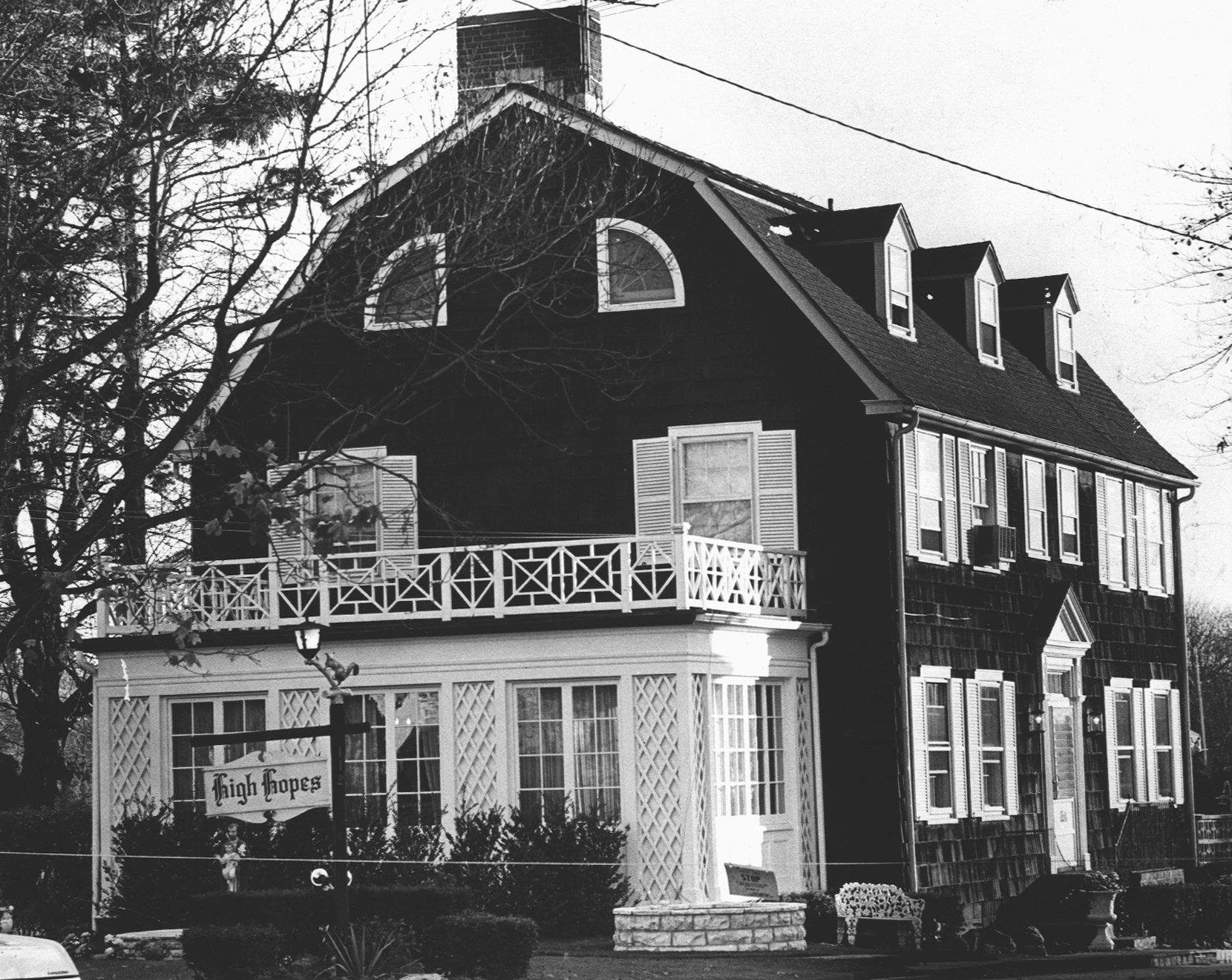
The iconic "eye" windows of the Amityville Horror house, located at 108 Ocean Avenue, were original quarter-round (crescent-shaped) windows situated on the third-floor attic. While they became global symbols of the 1975 haunting, they were replaced with standard rectangular windows by subsequent owners to deter tourists and restore privacy to the private residence.
The architecture of 112 Ocean Avenue (now 108 Ocean Avenue) in Amityville, New York, is perhaps one of the most recognizable in American pop culture. While the house itself is a classic Dutch Colonial Revival, its most distinctive features were undoubtedly the pair of quarter-round windows on the top floor. To the casual observer, these windows resembled malevolent eyes, a visual cue that was exploited heavily in the marketing of the 1979 film The Amityville Horror. As of 2026, the house remains a private residence, and though it has undergone significant structural and aesthetic changes, the legacy of those original windows continues to fascinate architectural historians and paranormal enthusiasts alike.
The Architectural Design of the Original "Eye" Windows
The original windows were a specific architectural choice intended to complement the Dutch Colonial style of the home, which was built in 1927. These were quarter-round windows, often referred to in architectural circles as quadrant windows. Positioned on either side of the chimney stack on the third-floor attic level, their placement was symmetrical, creating the unintended illusion of a face when viewed from the street or the South Oyster Bay side.
The windows were designed to provide ventilation and light to the finished attic space. In the context of 1920s suburban architecture, such windows were a sign of craftsmanship and high-end design. They featured wooden muntins—the strips of wood separating the panes of glass—which divided the semi-circle into smaller, pie-shaped segments. This "sunburst" or "fan" pattern was common in the early 20th century, but at 112 Ocean Avenue, the specific scale and height of these windows gave the house its legendary "watching" quality.
Architecturally, the windows served to soften the steep angles of the gambrel roof. The gambrel roof is a hallmark of the Dutch Colonial style, characterized by a two-sided roof with two slopes on each side. The lower slope is steeper than the upper one. By placing the quarter-round windows within the gable ends of this roof, the original architects maximized the utility of the attic while adding a unique flair to the facade.
The Cultural Impact and "Pareidolia"
The windows gained notoriety not because of their design, but because of the events that occurred within the house. Following the tragic DeFeo murders in 1974 and the subsequent claims of a haunting by the Lutz family in 1975, the windows became the "face" of the story.
Psychologically, the human tendency to see faces in inanimate objects is known as pareidolia. The Amityville house is perhaps the most famous example of architectural pareidolia in the world. The two windows served as eyes, the chimney as a nose, and the lower porch or front door as a mouth. When the 1979 film was produced, the filmmakers recognized this visual power. They didn't just use the house's likeness; they emphasized the windows in movie posters, often depicting them glowing with an eerie, infernal light.
In the film, the windows were portrayed almost as sentient entities. There is a famous scene where a window slams shut on a child's hand, and the "bleeding" walls of the house were often associated with the malevolence "seen" through those third-floor eyes. This cinematic treatment cemented the quarter-round windows as a symbol of evil, regardless of their mundane reality as 1920s attic vents.
The Removal and Replacement: Seeking Anonymity
The fame of the windows became a curse for the owners who followed the Lutz family. In 1977, James and Barbara Cromarty purchased the home. They were the ones who first attempted to distance the property from its cinematic counterpart. The most significant change they made—one that altered the silhouette of the house forever—was the removal of the quarter-round windows.
The Cromartys replaced the iconic "eyes" with standard, double-hung rectangular windows. This was a tactical decision. By removing the house's most identifiable feature, they hoped to discourage the thousands of tourists who flocked to the street to take photographs. They also changed the house's address from 112 Ocean Avenue to 108 Ocean Avenue and repainted the exterior from its original dark colors to a lighter, more conventional palette.
Despite these changes, the "ghost" of the original windows remained in the public consciousness. Even today, in 2026, when the house is discussed, people often refer to it as the "house with the eyes," even though those eyes haven't existed for nearly five decades.
Evolution of the 108 Ocean Avenue Facade
The house has passed through several hands since the Cromartys, including the O'Neills, the Wilsons, and the D'Antonios. Each owner has added their own touch to the property, further distancing it from the "horror" aesthetic.
Recent renovations have seen the house updated with modern siding, energy-efficient glazing, and a revamped outdoor space including a pool and a boathouse. The rectangular windows that replaced the quarter-rounds have themselves been updated to modern standards. As of 2026, the house looks like any other high-end, well-maintained waterfront property in a prestigious Long Island neighborhood.
The current windows are high-performance, double-pane glass designed for the coastal climate of Amityville. They offer superior insulation and UV protection compared to the single-pane wooden windows of the 1920s. From a real estate perspective, these upgrades are essential for maintaining the value of a property that sits in a flood-prone, salt-air environment.
Comparison of Original vs. Modern Window Specifications
| Feature | Original Windows (1927-1977) | Modern Windows (As of 2026) |
|---|---|---|
| Shape | Quarter-round / Quadrant | Standard Rectangular |
| Material | Single-pane glass, wood frame | Double-pane, vinyl or clad wood |
| Function | Manual ventilation / Aesthetics | Energy-efficient, Tilt-in cleaning |
| Placement | Symmetrical on 3rd floor gable | Symmetrical on 3rd floor gable |
| Cultural Status | "The Eyes of Amityville" | Discreet residential glazing |
| Visual Impact | High (Pareidolia effect) | Low (Blends with neighborhood) |
The Legal and Privacy Struggles of "The Window House"
The windows represent more than just glass and wood; they represent a decades-long struggle between private property rights and public curiosity. The village of Amityville has had to implement strict parking and loitering laws around Ocean Avenue to protect the residents.
For the owners of 108 Ocean Avenue, the windows are a reminder of the "Dark Tourism" industry. Dark tourism involves traveling to sites associated with death or tragedy. Because the original windows were so distinctive, they served as a beacon for these travelers. The decision to maintain standard windows is a permanent defensive measure. In 2026, many mapping services and "haunted tour" sites still use photos of the old windows, which often leads to confusion for visitors who find a house that looks nothing like the movie posters.
It is important to note that the house used in the filming of the 1979 movie was actually located in Toms River, New Jersey. The filmmakers were denied permission to film at the actual Long Island location, so they found a similar house in New Jersey and modified it to include the iconic quarter-round windows. This means there are actually two sets of "Amityville windows" in history: the real ones in New York and the prop ones in New Jersey.
Technical Specifications of Dutch Colonial Windows
To understand why the original windows were so unique, one must look at the technical requirements of Dutch Colonial Revival architecture. This style, popular from 1900 to 1940, frequently utilized:
- Multi-pane over single-pane sash: Typically 6-over-1 or 8-over-1 configurations.
- Symmetry: Windows were almost always placed in pairs or balanced across a central axis.
- Dormer Windows: Frequently used to provide light to the upper floors tucked under the gambrel roof.
- Accent Windows: Quarter-round, elliptical, or fanlight windows were used in gables or above front doors to add architectural distinction.
The quarter-round windows at Amityville were technically "fixed" or "awning" style accents. Because they were located in the attic, they were likely not used for primary egress but for light. Their removal meant that the interior attic space had to be reframed to accommodate the structural load of rectangular window headers, a task that required professional carpentry to ensure the gambrel roof's integrity was not compromised.
Frequently Asked Questions
Do the "eye" windows still exist today?
No. The original quarter-round windows were removed in the late 1970s. They were replaced with standard rectangular windows to change the house's appearance and discourage tourists. As of 2026, the house features modern, rectangular residential windows.
Why did the original windows look like eyes?
The "eye" appearance was a result of pareidolia, where the human brain perceives a face in a building. The two quarter-round windows were placed symmetrically on either side of a central chimney, mimicking the placement of eyes on a face. The curved top of the windows resembled eyelids, and the dark glass inside created the "pupil."
Where are the original windows now?
The location of the original windows removed by the Cromarty family is unknown. It is likely they were discarded or destroyed during the renovation process in the 1970s. There are no records of them being sold at auction or donated to a museum.
Can I visit the house to see the windows?
The house at 108 Ocean Avenue is a private residence. It is not a museum, and it is not open to the public. The owners and the village of Amityville strictly enforce privacy and trespassing laws. Visitors are discouraged from stopping, taking photos, or lingering in the neighborhood.
Was the house in the movie the real house?
No. The 1979 film The Amityville Horror used a house in Toms River, New Jersey, as a stand-in. The filmmakers added "eye" windows to that house to make it look like the New York original. The real house in Amityville was never used for the filming of the original movie or its sequels.
Conclusion and Final Recommendations
The windows of the Amityville house serve as a fascinating case study in how architecture can be transformed by narrative. What began as a standard design element of the Dutch Colonial Revival style became a global icon of the supernatural. For the historian, these windows represent the craftsmanship of the late 1920s. For the movie fan, they represent the "face" of a haunting. For the residents of Amityville, however, the removal of those windows was a necessary step in reclaiming their neighborhood from the grip of a sensationalized past.
If you are a student of architecture or a history enthusiast, the best way to appreciate the "Amityville windows" is through historical archives and architectural drawings of the Dutch Colonial era. Respect the privacy of the current homeowners by viewing the legacy of the house through books, documentaries, and digital archives rather than in person.