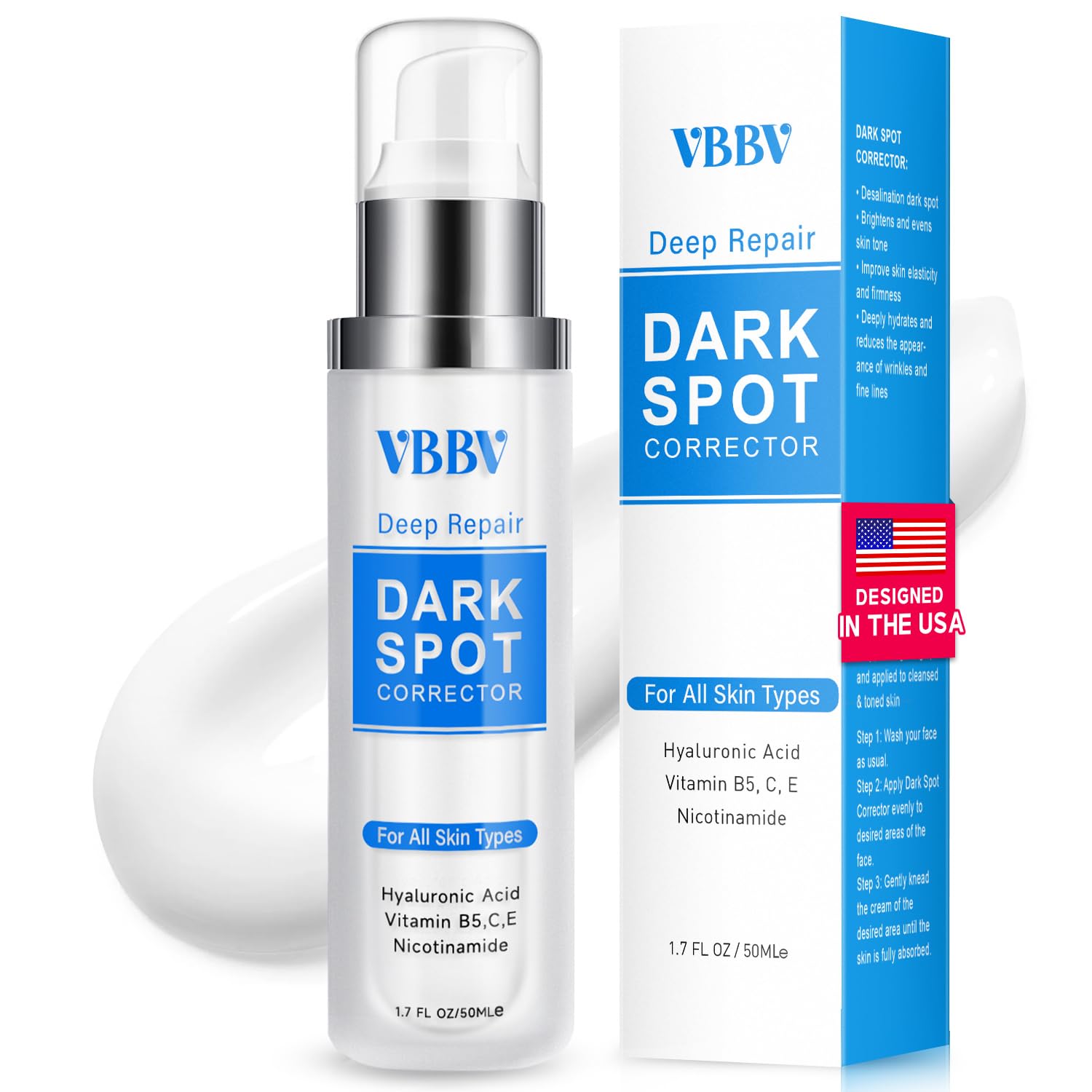
Age spots, clinically known as solar lentigines, are flat, brown, or gray patches that appear on sun-exposed areas of the skin as a result of prolonged UV exposure over many years. For men, these spots often appear on the face, hands, shoulders, and scalp, and while they are benign, many seek to diminish their appearance for cosmetic reasons. Addressing these spots requires a combination of targeted topical treatments, professional dermatological procedures, and, most importantly, rigorous photoprotection to prevent further hyperpigmentation.
Understanding the Nature of Age Spots in Men
Age spots are not, as the name might imply, caused by age itself, but by the cumulative effects of ultraviolet (UV) radiation from the sun or tanning beds. UV light accelerates the production of melanin—the pigment responsible for skin color—in localized areas. In men, who often have thicker skin and different hormonal profiles than women, these spots can appear more pronounced due to years of sun exposure during outdoor work or recreational activities, often exacerbated by a historical lack of consistent sunscreen use.
It is critical to distinguish age spots from other forms of hyperpigmentation or skin growths. Before initiating any removal regimen, men should have any new or changing skin lesion evaluated by a board-certified dermatologist. This ensures the lesion is a benign solar lentigo rather than a sign of actinic keratosis or melanoma, which requires vastly different medical management.
Topical Ingredients for Fading Pigmentation
Topical treatments work by either inhibiting the production of new melanin or accelerating the turnover of skin cells to slough off existing hyperpigmented layers. When selecting a product, look for ingredients backed by dermatological research rather than marketing claims.
The Gold Standard: Retinoids
Retinoids, including prescription-strength tretinoin and over-the-counter retinol, are among the most effective topicals for age spots. They function by increasing cell turnover. As the skin produces new cells faster, the clusters of melanin that make up an age spot are shed more efficiently. Consistent use over several months is required to see visible lightening.
Tyrosinase Inhibitors
Tyrosinase is the enzyme responsible for melanin production. Ingredients that inhibit this enzyme effectively prevent the "over-firing" of pigment-producing cells in the area of the age spot. Common ingredients in this category include:
- Hydroquinone: Often considered the most potent topical lightening agent, typically available in 2% concentrations over the counter and higher concentrations via prescription.
- Vitamin C (Ascorbic Acid): A powerful antioxidant that interferes with melanin production while brightening the skin surface.
- Kojic Acid and Azelaic Acid: Naturally derived compounds that help lighten skin tone and reduce the contrast between the age spot and surrounding skin.
Clinical Procedures for Accelerated Removal
For those seeking faster or more dramatic results than topical creams can provide, clinical dermatological procedures are the standard of care. These methods are generally more expensive but provide more immediate results.
Laser Therapy
Laser treatments, such as Q-switched lasers or intense pulsed light (IPL) therapy, specifically target the melanin in the age spot. The laser energy breaks up the pigment, which the body then clears away through its natural lymphatic system. This process is usually performed over several sessions and may cause temporary redness or darkening of the spot before it flakes off.
Cryotherapy
Cryotherapy involves applying liquid nitrogen to the age spot to freeze the excess pigment. This causes a small blister to form, which eventually heals, leaving behind clearer skin. While highly effective, it carries a small risk of temporary or permanent skin discoloration if the surrounding tissue is affected.
Chemical Peels
A professional-grade chemical peel uses acids (such as glycolic or trichloroacetic acid) to remove the top layers of the skin. This encourages the growth of new, evenly pigmented skin. Peels can be quite effective but require downtime for the skin to heal and shed.
Comparison of Age Spot Removal Methods
| Method | Mechanism | Speed of Results | Typical Downtime |
|---|---|---|---|
| Topical Creams | Cell turnover/Inhibition | Slow (3–6 months) | None |
| Laser Therapy | Pigment destruction | Fast (2–4 weeks) | Minimal (Redness) |
| Cryotherapy | Freezing excess pigment | Moderate (2–3 weeks) | Moderate (Blistering) |
| Chemical Peels | Exfoliation of layers | Moderate (2–4 weeks) | Significant (Peeling) |
The Role of Photoprotection and Prevention
Removal of an age spot is a temporary victory if the underlying cause—UV damage—is not managed. Without daily sun protection, the pigment-producing cells will continue to be stimulated, and the spots will inevitably return or new ones will form nearby.
For men, the most practical approach to prevention is the daily application of a broad-spectrum sunscreen with an SPF of at least 30. Look for "water-resistant" formulas if you are active or prone to sweating. Additionally, wearing broad-brimmed hats and seeking shade during peak UV hours (typically 10:00 AM to 4:00 PM) are essential habits. It is important to note that even on cloudy days, UV rays penetrate the atmosphere and contribute to skin damage.
Establishing a Consistent Skincare Routine
For many men, a complex, multi-step regimen is not sustainable. To be successful, the routine should be integrated into existing daily habits, such as shaving or showering.
- Morning: Cleanse the face, apply a targeted serum containing Vitamin C or an antioxidant, and finish with a daily moisturizer that contains SPF 30 or higher.
- Evening: Cleanse the skin thoroughly to remove sweat and environmental pollutants. Apply a retinoid-based cream or a targeted spot treatment containing kojic or azelaic acid to the affected areas.
- Weekly: Periodic exfoliation with a gentle scrub or a chemical exfoliant (like lactic acid) can help remove dead skin cells and enhance the absorption of your evening treatment products.
Addressing Common Mistakes
One of the most frequent mistakes men make is expecting "overnight" results. Pigmentation is embedded within the skin layers, and biological turnover takes time. Expecting a spot to vanish in a week leads to product hopping and frustration. Consistency is the primary factor in success.
Another mistake is the failure to properly patch-test products. Before applying a new serum or cream to the entire face, apply it to a small, inconspicuous area (like the inner forearm) to ensure it does not cause irritation or an allergic reaction. This is especially important for men with sensitive skin or those using stronger ingredients like high-percentage hydroquinone or prescription-strength retinoids.
Frequently Asked Questions
Are age spots the same as moles? No. Age spots are flat, brown pigmentations caused by sun exposure. Moles are typically growths of pigment cells that can be raised or flat. If a spot is raised, asymmetrical, multicolored, or changes rapidly, it must be examined by a physician immediately, as these are warning signs of potential malignancy.
Do natural remedies like lemon juice work? While some suggest lemon juice for skin brightening due to its acidity, it is not recommended. It is highly acidic and can cause severe skin irritation, increase sun sensitivity, and lead to further hyperpigmentation (a condition called phytophotodermatitis) when the skin is exposed to the sun. Stick to formulated, pH-balanced skincare products.
Will my age spots come back after treatment? Existing spots treated by lasers or professional peels rarely return in the exact same spot. However, if you continue to expose your skin to UV radiation without protection, new age spots will inevitably develop in the same or adjacent areas.
Is there a difference between face and hand age spot treatment? The skin on the hands is often thinner and more prone to sun damage. Topical treatments are generally safe for both, but you may need a more moisturizing cream for the hands, as they have fewer oil glands and can become dry and irritated more easily than the face.
Can diet affect the appearance of age spots? While no specific food can erase an age spot, a diet high in antioxidants (found in leafy greens, berries, and nuts) supports overall skin health and may help mitigate the oxidative stress caused by UV exposure. However, diet alone is not a sufficient replacement for topical or clinical treatments.
Final Recommendations for Action
If you are concerned about age spots, start by evaluating your current sun protection. If you are not wearing SPF 30 daily, that is your first priority. Second, consult a dermatologist to confirm the nature of the spots. If you desire treatment, begin with a consistent evening application of a retinol or azelaic acid serum. If you do not see desired progress after three months of consistent use, schedule a consultation with a professional for laser or cryotherapy options. Remember that in 2026, many cosmetic dermatologists offer virtual consultations, making it easier than ever to get a professional assessment of your skin concerns.