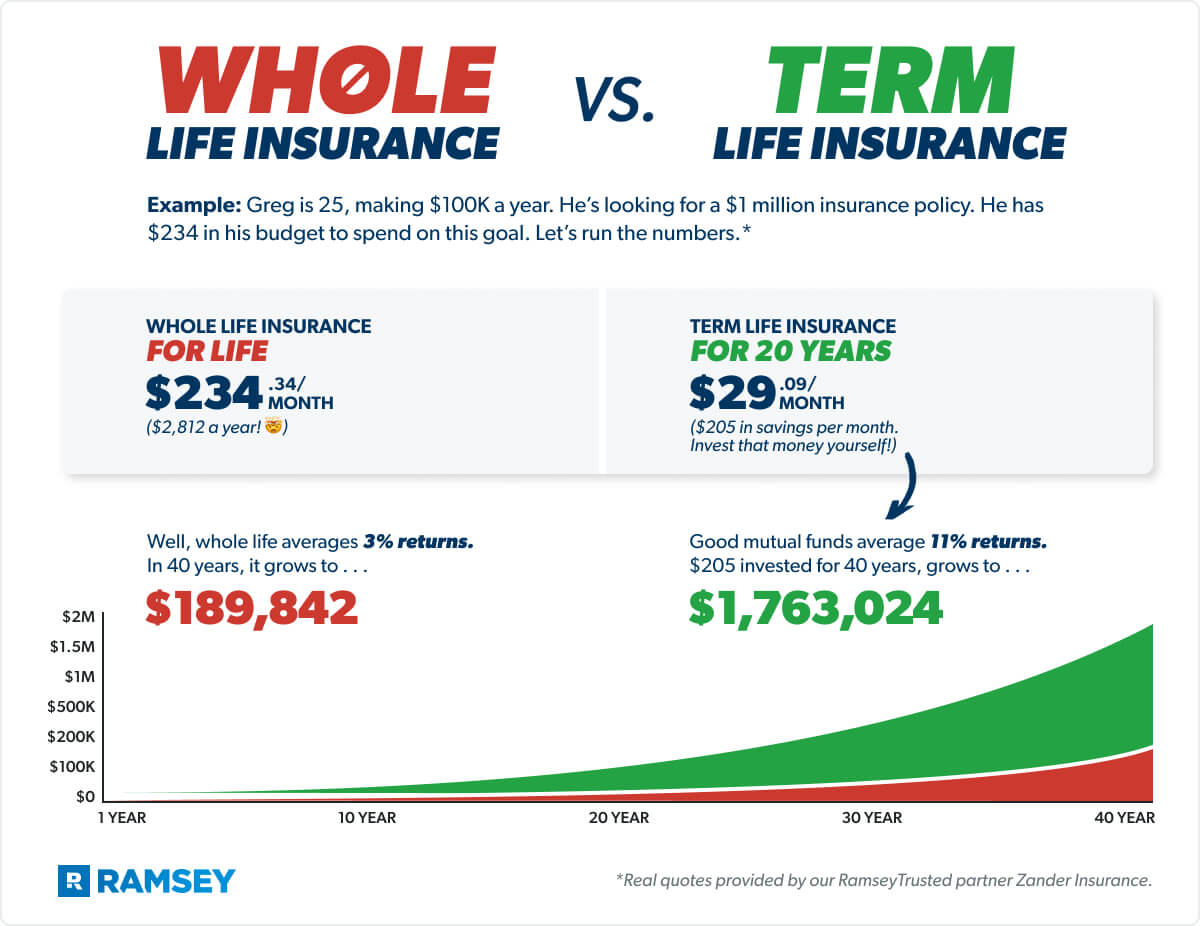
Life insurance investment refers to permanent life insurance policies—such as Whole Life, Universal Life, or Indexed Universal Life—that combine a death benefit with a tax-advantaged savings component known as cash value. While these policies offer unique tax benefits, asset protection, and estate planning utility, they are often criticized for high fees, complexity, and lower relative returns compared to traditional market-based portfolios.
For decades, the debate over using life insurance as an investment vehicle has divided financial professionals. On one side, proponents argue that the "tax-free" nature of policy loans and death benefits provides an unparalleled shield against future tax hikes. On the other, critics point to the high commissions and cost of insurance (COI) that can erode early-year gains. As we navigate the financial landscape of 2026, understanding the nuances of these instruments is critical for any sophisticated financial plan.
Understanding the Mechanics of Cash Value Life Insurance
Before weighing the pros and cons, it is essential to understand how a life insurance policy functions as an investment. Unlike term life insurance, which only provides a death benefit for a specific period, permanent life insurance is designed to last a lifetime. A portion of the premium paid goes toward the cost of insurance (the death benefit), while the remainder is directed into a cash value account.
This cash value grows over time, fueled by interest, dividends, or market performance, depending on the specific policy type. In 2026, the most common "investment-grade" policies include:
- Whole Life Insurance: Offers fixed premiums, a guaranteed death benefit, and a guaranteed rate of return on cash value, often supplemented by non-guaranteed dividends from the insurer.
- Universal Life (UL): Provides flexibility in premium payments and death benefits. The cash value grows based on current interest rates set by the insurer.
- Indexed Universal Life (IUL): Credits interest to the cash value based on the performance of a market index (like the S&P 500) without direct market exposure, usually featuring a "floor" (to prevent losses) and a "cap" (limiting gains).
- Variable Universal Life (VUL): Allows the policyholder to invest the cash value directly into sub-accounts (similar to mutual funds). This offers the highest growth potential but carries significant market risk.
The Advantages of Life Insurance Investment
The primary appeal of life insurance as an investment lies in its tax treatment and its role in long-term wealth preservation.
1. Tax-Deferred Growth and Tax-Free Access
The Internal Revenue Code (specifically Section 7702) grants life insurance unique status. The cash value within a policy grows on a tax-deferred basis, meaning you do not pay annual capital gains or income taxes on the growth. Furthermore, policyholders can access this money through tax-free withdrawals (up to the "basis" or total premiums paid) and tax-free policy loans. If managed correctly, these loans are never repaid but are instead deducted from the death benefit upon the insured's passing.
2. Death Benefit Protection and Estate Liquidity
The most significant "advantage" that distinguishes this from a 401(k) or IRA is the immediate creation of an estate. Should the policyholder die shortly after the first premium is paid, the beneficiaries receive a lump sum that is generally exempt from federal income tax. In 2026, with the sunsetting of various Tax Cuts and Jobs Act (TCJA) provisions, life insurance remains a cornerstone for high-net-worth individuals to provide liquidity for estate taxes, ensuring that heirs do not have to sell off illiquid assets like real estate or family businesses.
3. Asset Protection and Creditor Shielding
In many jurisdictions, the cash value and death benefits of life insurance policies are protected from creditors and legal judgments. While the level of protection varies by state, this feature makes life insurance an attractive "fortress" asset for professionals in high-liability fields, such as medicine or law.
4. "Forced" Savings and Stability
For many investors, the discipline of a recurring premium acts as a forced savings mechanism. Whole Life policies, in particular, provide a level of non-correlated stability. When the stock market is volatile, the cash value of a permanent policy continues to grow at its guaranteed or dividend-aided rate, providing a "volatility buffer" that can be tapped during market downturns to avoid selling stocks at a loss.
The Disadvantages of Life Insurance Investment
Despite the benefits, life insurance is not a universal solution. Its drawbacks are significant and often lead to "buyer's remorse" if the policy is not properly structured.
1. High Initial Costs and Commissions
The first few years of a permanent life insurance policy are often "underwater" regarding cash value. A substantial portion of early premiums goes toward agent commissions (which can be 60% to 100% of the first year's premium), administrative fees, and the cost of insurance. Compared to low-cost ETFs or index funds, the "drag" on performance in the first decade is substantial.
2. Complexity and Performance Risks
Life insurance contracts are notoriously dense. For example, Indexed Universal Life (IUL) policies involve "participation rates," "caps," and "spreads" that the insurance company can change at its discretion. If the insurer increases the internal cost of insurance or lowers the interest cap, the policy may not perform as illustrated, potentially requiring the policyholder to pay higher premiums later in life just to keep the policy in force.
3. Illiquidity and Surrender Charges
If you need to cancel the policy in the first 7 to 15 years, you will likely face "surrender charges." These fees can wipe out a significant portion of your accumulated cash value. This makes life insurance a poor choice for "emergency funds" or short-term savings goals. It is a 20- to 50-year commitment.
4. Opportunity Cost
Money paid into a life insurance premium is money that is not invested in the broader market. Historically, the S&P 500 has outperformed the internal rates of return (IRR) of most Whole Life and Universal Life policies. For an investor with a long time horizon and a high risk tolerance, "buying term and investing the difference" often results in a larger terminal wealth balance, despite the lack of tax-deferred growth in the brokerage account.
Comparison of Life Insurance Investment Types
The following table compares the primary characteristics of common life insurance vehicles as they stand in 2026.
| Feature | Whole Life | Indexed Universal Life (IUL) | Variable Universal Life (VUL) | Term Life (For Context) |
|---|---|---|---|---|
| Premium Flexibility | Low (Fixed) | High (Adjustable) | High (Adjustable) | Low (Fixed) |
| Cash Value Growth | Guaranteed + Dividends | Market Index Linked | Direct Market Investment | None |
| Downside Risk | None (Guaranteed) | Protected (0% Floor) | High (Market Risk) | N/A |
| Management Fees | Moderate | High | Very High | Low |
| Best Use Case | Conservative wealth transfer | Tax-advantaged growth | High-growth potential | Pure protection |
The Impact of the "Modified Endowment Contract" (MEC) Rule
A critical risk for anyone treating life insurance as an investment is accidentally creating a Modified Endowment Contract (MEC). Under IRS Section 7702A, if you fund a policy too quickly (exceeding the "7-pay test"), the policy loses its favorable tax status. Withdrawals and loans from a MEC are taxed on a "last-in, first-out" (LIFO) basis, meaning gains are taxed as ordinary income first, and a 10% penalty may apply if the owner is under age 59½. Proper policy design by a qualified professional is required to ensure the policy remains a non-MEC.
Is Life Insurance Right for Your Portfolio?
Determining whether to use life insurance as an investment depends largely on your "tax bracket" and "estate size." In 2026, those in the highest federal income tax brackets find the tax-free arbitrage of policy loans increasingly attractive. However, for a middle-income earner who has not yet maximized their 401(k) or IRA contributions, the high fees of life insurance typically outweigh the tax benefits.
Furthermore, consider the "Internal Rate of Return" (IRR). A well-structured IUL or Whole Life policy might yield a long-term IRR of 4% to 6% on the cash value. While this is lower than the historical 10% of the stock market, it is "net" of taxes. In a 35% tax bracket, a 5% tax-free return is equivalent to a 7.7% taxable return, making it a competitive alternative to bonds or fixed-income investments.
Troubleshooting and Common Pitfalls
Many policyholders encounter issues when they treat life insurance like a bank account without understanding the underlying mechanics.
- Policy Lapse: If you borrow too much from the cash value and the remaining balance cannot cover the monthly cost of insurance, the policy may lapse. This can trigger a massive tax bill, as all previous gains become taxable immediately.
- Underfunding: Especially in Universal Life policies, if interest rates remain low and the policy is underfunded, the death benefit may expire before the insured does.
- Inadequate Review: Life insurance is not a "set it and forget it" asset. Annual reviews are necessary to monitor the "cost of insurance" vs. "cash value growth" to ensure the policy remains sustainable.
Frequently Asked Questions
Can I lose money in a life insurance investment?
In a Whole Life or Indexed Universal Life policy, your principal is generally protected by guarantees or "floors" that prevent negative returns due to market performance. However, in a Variable Universal Life (VUL) policy, you can lose money if the underlying sub-accounts perform poorly. Furthermore, in any policy, if the fees and cost of insurance exceed the interest credited, your cash value will decline.
Is the death benefit taxable to my heirs?
Generally, no. Under current 2026 tax law, death benefits paid to beneficiaries are exempt from federal income tax. However, if the policy is owned by the insured, the value of the death benefit may be included in the gross estate for federal estate tax purposes. Utilizing an Irrevocable Life Insurance Trust (ILIT) is a common strategy to remove these proceeds from the taxable estate.
How does "Infinite Banking" work with life insurance?
Infinite Banking is a strategy where you use the cash value of a Whole Life policy as your personal bank. You take a policy loan to finance large purchases (like a car or business equipment) and pay yourself back with interest. The advantage is that your full cash value often continues to earn dividends and interest even while you have a loan outstanding, creating "compound interest in two places at once."
What is the difference between cash value and surrender value?
The cash value is the total amount of equity built up within the policy. The surrender value is the amount you actually receive if you cancel the policy, which is the cash value minus any surrender charges or outstanding policy loans. In the early years of a policy, the surrender value is often significantly lower than the cash value.
Can I convert my term insurance into an investment policy?
Many term life policies include a "conversion rider" that allows you to switch to a permanent policy without a new medical exam. This is a valuable feature if your health has declined, but you should be aware that the premiums will increase significantly once the policy becomes a permanent, cash-value-building contract.
Practical Recommendation
If you are considering life insurance as an investment, your first step should be to maximize your traditional tax-advantaged accounts (401k, 403b, IRA, HSA). Once those are capped, evaluate your need for long-term death benefit protection. If you have a permanent need—such as providing for a special-needs dependent or covering a future estate tax liability—then a permanent policy with a cash value component is a logical choice.
Always request a "full illustration" from the insurance carrier that shows both the "guaranteed" and "non-guaranteed" values. Pay close attention to the surrender charge schedule and the internal expense charges. Consulting with a fee-only financial planner who does not earn a commission on the sale can provide an unbiased perspective on whether the policy fits your specific 2026 financial goals.