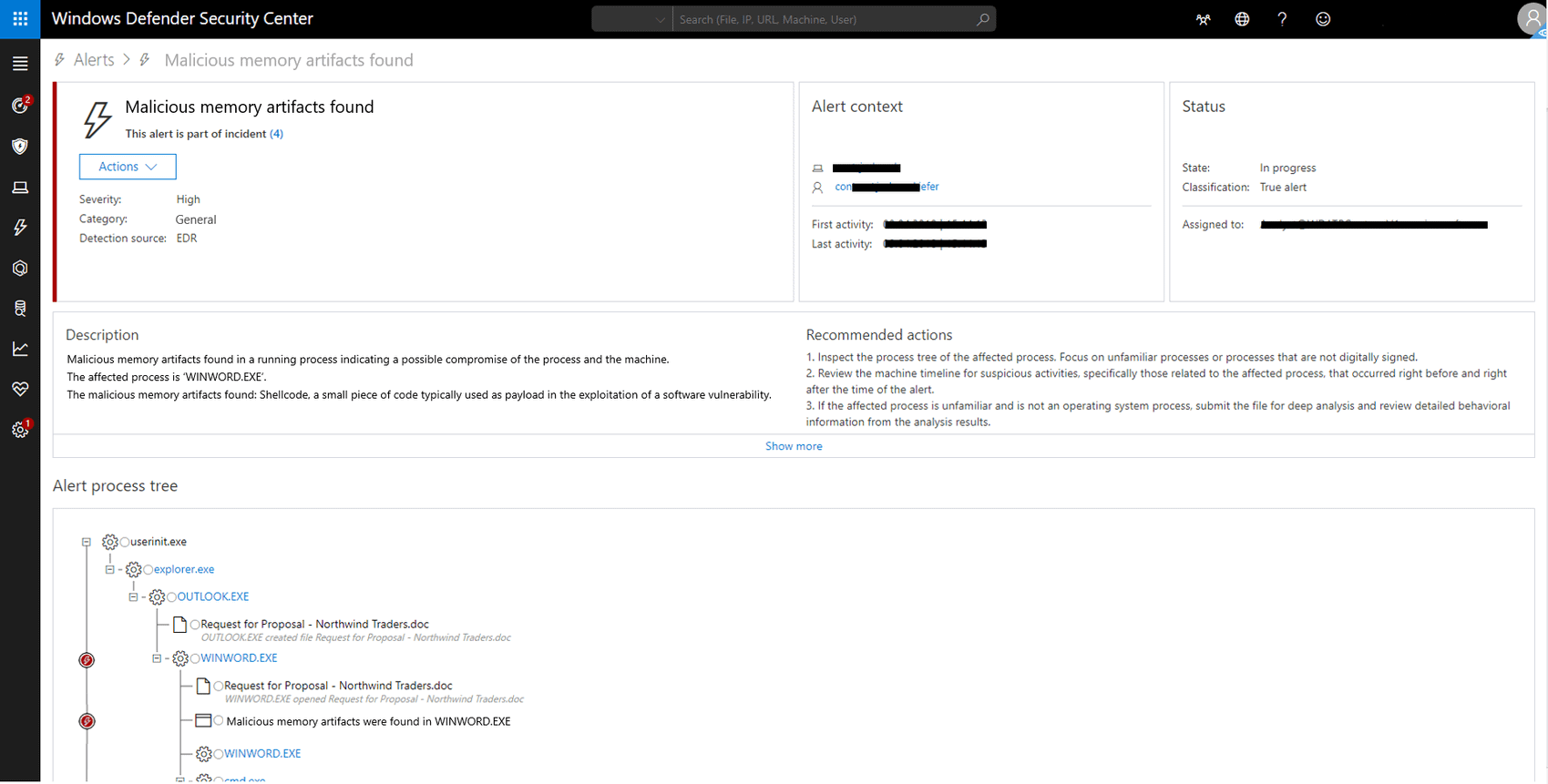
Advanced threat protection (ATP) refers to a category of integrated cybersecurity solutions designed to detect, analyze, and mitigate sophisticated, multi-stage cyberattacks that traditional signature-based security tools typically fail to recognize. These systems combine behavioral analysis, sandboxing, threat intelligence feeds, and machine learning to intercept zero-day exploits, advanced persistent threats, and targeted malware campaigns across endpoints, networks, and email gateways.
The Evolution of Cybersecurity and the Need for Advanced Threat Protection
Traditional security measures, such as legacy antivirus programs and signature-based firewalls, rely heavily on known markers of malicious activity. When a piece of malware or a virus enters a network, these systems compare the file against a vast database of known cryptographic hashes and code patterns. While this approach effectively blocks ubiquitous threats and historical attack vectors, it fundamentally struggles against modern adversaries.
Modern cyber threats are dynamic, polymorphic, and highly targeted. Threat actors frequently deploy zero-day vulnerabilities—software flaws unknown to the vendor and unprotected by existing patches—alongside custom-built malware that alters its structure to evade detection. Furthermore, attacks often unfold over extended periods, utilizing living-off-the-land techniques that leverage legitimate administrative tools already present in the target environment.
Advanced threat protection emerged to bridge this visibility and defense gap. By shifting the paradigm from static signature matching to continuous behavioral monitoring and deep context analysis, ATP solutions provide organizations with the capability to identify malicious intent even when the specific tool or code has never been encountered before. This architecture is essential for safeguarding modern enterprises, where the attack surface has expanded due to remote work, cloud adoption, and interconnected supply chains.
Core Components of an Advanced Threat Protection Architecture
An enterprise-grade ATP framework is not a single product, but an ecosystem of interconnected technologies working in concert. Each component addresses a specific phase of the attack lifecycle, ensuring comprehensive coverage from the perimeter to the endpoint.
Behavioral Analysis and Machine Learning
At the heart of modern ATP is behavioral analysis. Instead of asking "Does this file look like a known virus?", the system asks "Is this process behaving like malware?" Machine learning models continuously ingest telemetry data from operating systems, network traffic, and user sessions to establish a baseline of normal activity. When a process attempts unauthorized privilege escalation, initiates unexpected outbound connections, or mass-encrypts files, the system flags the anomaly instantly.
Sandboxing Environments
When an ATP gateway encounters an unfamiliar file or suspicious attachment, it often routes it through a secure, isolated virtual environment known as a sandbox. Within this controlled ecosystem, the file is executed to observe its actual behavior. The sandbox monitors registry modifications, system calls, network traffic, and memory injections. If the execution yields malicious indicators, the file is quarantined before it can touch the production network.
Global Threat Intelligence Feeds
No organization operates in a vacuum, and no single security tool possesses infinite visibility. Advanced threat protection systems integrate with global threat intelligence feeds that aggregate data on emerging indicators of compromise, malicious IP addresses, known command-and-control servers, and active phishing campaigns. This crowdsourced defense mechanism ensures that an attack neutralized in one part of the world instantly updates the defense postures of all connected nodes globally.
Email and Collaboration Security Gateways
Email remains the primary vector for initial compromise, often via spear-phishing or malicious links. ATP solutions extend deep into email and cloud collaboration platforms (such as Microsoft 365 or Google Workspace) to inspect inbound messages, rewrite malicious URLs dynamically at the time of click, and analyze attachment payloads within sandboxes before they reach the user's inbox.
Key Differences: Traditional Security vs. Advanced Threat Protection
To understand the operational impact of ATP, organizations must evaluate how it diverges from traditional security models across critical operational vectors.
| Feature / Capability | Traditional Security (Legacy AV / Firewalls) | Advanced Threat Protection (ATP) |
|---|---|---|
| Detection Mechanism | Signature-based, hash matching, rule sets | Behavioral analysis, machine learning, sandboxing |
| Zero-Day Vulnerabilities | Highly vulnerable; requires a pre-existing patch or signature | Protected via anomaly detection and isolated execution |
| Visibility Scope | Isolated per device or perimeter choke point | Centralized telemetry across endpoints, cloud, and network |
| Response Capability | Mostly manual quarantine or alert generation | Automated remediation, isolation, and rollback features |
| Threat Intelligence | Static, updated periodically via database pulls | Dynamic, real-time cloud-fed intelligence |
Implementation Strategies and Prerequisites
Deploying an advanced threat protection solution requires careful planning, architectural alignment, and an understanding of organizational maturity. Organizations cannot simply deploy an ATP tool and expect instant security without proper foundational preparation.
Assessing Organizational Readiness
Before selecting an ATP vendor, IT and security leaders must conduct a comprehensive asset inventory. Knowing where sensitive data resides, how users access applications, and what endpoints exist within the environment dictates where sensors and agents must be deployed. Organizations must also evaluate their internal incident response capabilities; an ATP tool generates high-fidelity alerts that require skilled analysts to investigate and remediate.
Integrating with Existing Infrastructure
ATP solutions should not operate in silos. Effective implementation requires tight integration with existing Security Information and Event Management (SIEM) platforms, Security Orchestration, Automation, and Response (SOAR) tools, and identity and access management (IAM) frameworks. This integration ensures that when an ATP sensor detects a compromised endpoint, identity privileges can be automatically revoked across the entire enterprise directory service.
Phased Rollout Approach
A sudden, enterprise-wide deployment of aggressive blocking rules can disrupt business operations if legitimate software is falsely flagged as malicious (false positives). Organizations typically follow a phased rollout:
- Audit Mode / Passive Monitoring: Deploy agents to observe and log behavior without blocking actions, allowing security teams to tune baseline parameters and minimize false positives.
- Targeted Pilot Groups: Enable active protection within a specific business unit or IT department to validate system performance under real-world conditions.
- Enterprise-Wide Enforcement: Roll out active detection and automated remediation policies across all endpoints, servers, and cloud workloads.
Operational Limitations and Challenges
While advanced threat protection represents the gold standard in modern defense, organizations must navigate several inherent operational challenges to maximize its efficacy.
- Alert Fatigue: The sheer volume of telemetry generated by ATP systems can overwhelm security operations centers. Without proper tuning and automated triage, critical alerts can be buried beneath low-priority notifications.
- Resource Consumption: Endpoint agents running continuous behavioral monitoring and cryptographic hashing can impact system performance, particularly on legacy hardware or resource-constrained devices.
- Sophisticated Evasion Techniques: Advanced threat actors continuously study ATP mechanisms. Modern malware frequently employs sandbox-awareness techniques, remaining dormant or simulating benign user activity when it detects it is running within an analysis environment.
- Cost and Expertise: Enterprise ATP licenses, combined with the specialized talent required to manage them, represent a substantial financial and operational investment for mid-sized organizations.
Frequently Asked Questions
What is the difference between endpoint detection and response (EDR) and advanced threat protection (ATP)?
While both are advanced security concepts, EDR specifically focuses on continuous monitoring and investigation of endpoint devices (laptops, servers, workstations) to detect and remediate post-compromise activity. ATP is a broader category that encompasses endpoint defense, but also integrates email security, network monitoring, cloud workloads, and sandboxing to intercept threats before or during the initial compromise phase.
Can advanced threat protection completely replace traditional antivirus software?
Yes, in modern enterprise environments, comprehensive ATP solutions—often delivered as part of Extended Detection and Response (XDR) platforms—have largely superseded legacy antivirus software. They perform all the functions of traditional antivirus while adding behavioral analytics and cloud-scale intelligence that legacy tools lack.
How do ATP solutions handle encrypted network traffic?
Modern attackers frequently use TLS/SSL encryption to hide command-and-control communications and exfiltrate data. ATP gateways address this by utilizing TLS inspection (or SSL decryption), where traffic is temporarily decrypted at a secure gateway, inspected for malicious payloads, and then re-encrypted before continuing to its destination, ensuring privacy standards are maintained without sacrificing security visibility.
What causes false positives in advanced threat protection systems?
False positives occur when legitimate software, scripts, or administrative utilities exhibit behaviors that mirror malicious activity—such as modifying system registries or executing code in memory. To mitigate this, administrators must build robust exclusion lists and leverage machine learning feedback loops to refine the sensitivity of behavioral heuristics over time.
How does cloud-based threat intelligence improve ATP effectiveness?
Cloud-based threat intelligence allows ATP systems to benefit from a collective defense model. When a zero-day attack or novel phishing campaign is identified on a single network anywhere in the world, the indicators of compromise are instantly indexed in the cloud and distributed to all other protected endpoints globally, neutralizing the threat for everyone else before they are targeted.
Strategic Recommendations and Next Actions
Implementing advanced threat protection is a continuous journey rather than a one-time configuration task. Organizations aiming to fortify their security posture should begin by auditing their current visibility gaps, focusing heavily on unmanaged devices, remote endpoints, and cloud collaboration channels.
Security leaders must prioritize solutions that offer seamless integration between endpoint telemetry and network gateways, reducing the friction required to investigate and contain sophisticated attacks. Furthermore, organizations should invest in ongoing training for security operations personnel to ensure they can effectively interpret complex behavioral alerts and leverage automated remediation playbooks. By combining robust technological architecture with well-defined operational processes, enterprises can successfully neutralize sophisticated threats before they inflict operational disruption.