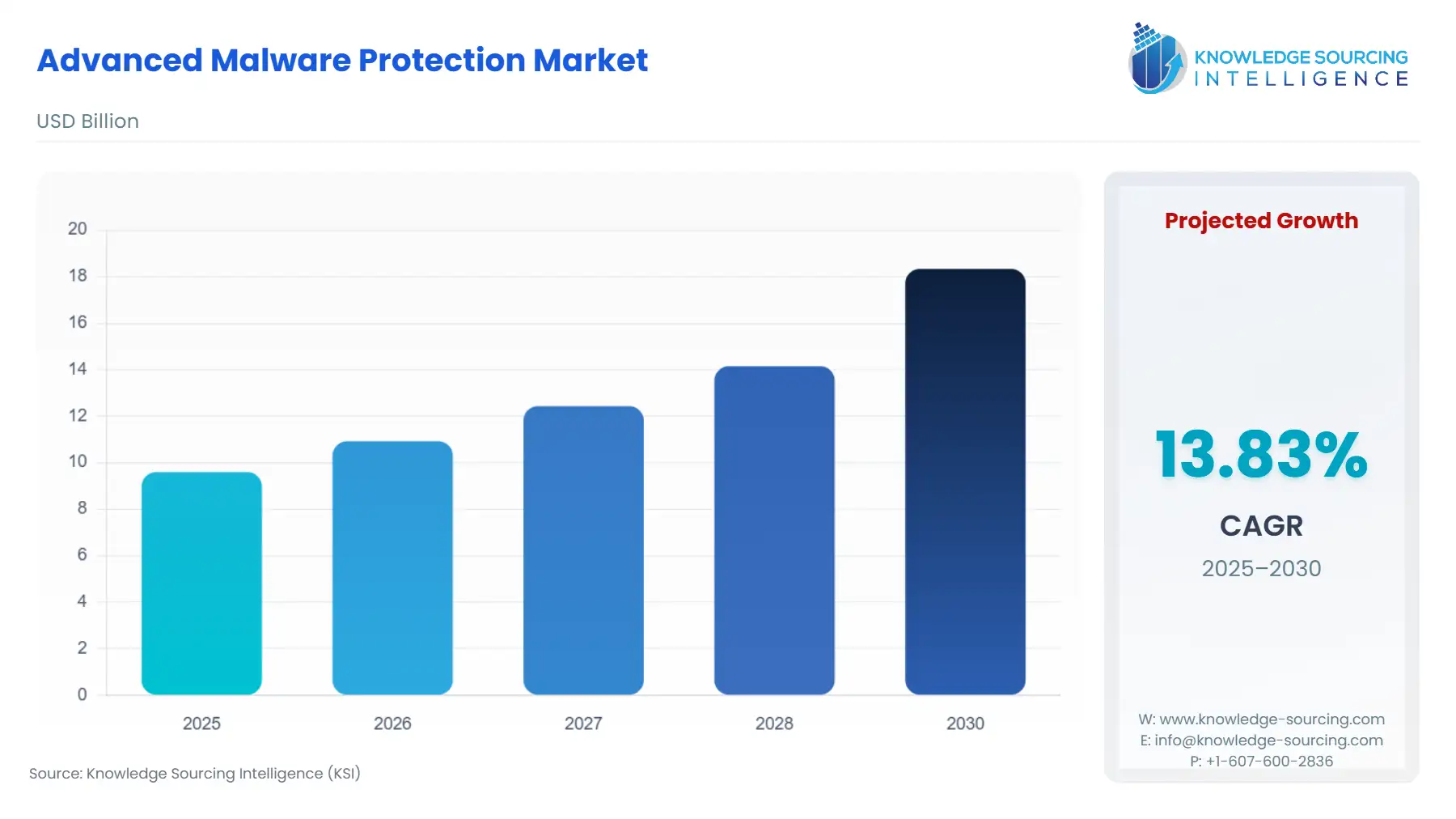
Advanced malware protection for the modern workforce safeguards distributed employees, remote endpoints, and cloud-native applications against sophisticated, evasive cyber threats by combining behavioral analysis, endpoint detection and response, artificial intelligence, and zero-trust security principles.
The Evolving Threat Landscape for Distributed Teams
The rapid shift toward hybrid and remote work models has fundamentally altered the corporate attack surface. Historically, enterprise security relied on a perimeter-based defense model: employees worked inside an office, connected to a physical local area network, and routed their internet traffic through corporate firewalls and secure web gateways.
The modern workforce operates differently. Employees access sensitive corporate data, SaaS applications, and cloud storage from home networks, public Wi-Fi hotspots, and mobile devices across the globe. This decentralization has rendered traditional, perimeter-centric security models insufficient. Cybercriminals now exploit the human element and the inherent vulnerabilities of unmanaged or semi-managed home networks.
Advanced malware has evolved past simple file-based viruses that traditional antivirus signatures could easily catch. Modern threat actors deploy fileless attacks that execute directly in system memory, polymorphic strains that alter their code to evade signature detection, and sophisticated ransomware that targets cloud backups and network shares. Furthermore, social engineering vectors like hyper-targeted phishing campaigns and malicious AI-generated communications specifically target remote workers who may lack immediate IT support.
Securing this modern workforce requires a paradigm shift from reactive, signature-based defense mechanisms to proactive, continuous, and context-aware advanced malware protection. Organizations must ensure that every endpoint—regardless of its physical location—maintains the same level of rigorous defense as a physical corporate server room.
Core Pillars of Advanced Malware Protection
To effectively defend against contemporary cyber threats, modern security architectures must integrate several complementary technological pillars. No single tool can guarantee absolute security, which is why a multi-layered defense-in-depth approach is essential.
- Defense-in-Depth Architecture
- [ Perimeter / Cloud ] -> Secure Web Gateways & CASB
- [ Endpoint Agent ] -> EDR, Behavioral Analysis, AI/ML
- [ Identity & Access ] -> Zero-Trust Architecture & MFA
Endpoint Detection and Response (EDR) and Extended Detection and Response (XDR)
Traditional antivirus software relies on known signatures—database records of specific malicious file hashes. EDR solutions go much further by continuously monitoring endpoint activities, recording system events, process spawns, network connections, and file modifications. XDR expands this visibility by correlating endpoint data with network traffic, email servers, and cloud workloads. This provides security operations center (SOC) teams with holistic visibility to detect stealthy, multi-stage attacks.
Behavioral Analysis and Machine Learning
Modern malware often utilizes obfuscation techniques to hide its intent. Behavioral analysis engines monitor software execution in real time. If an application attempts to encrypt a mass number of files, inject code into a legitimate system process, or modify critical Windows registry keys, the behavioral engine intercepts and neutralizes the threat instantly, even if the specific file has never been seen before. Machine learning models trained on vast datasets of malicious and benign behaviors help automate this detection process at scale.
Threat Intelligence Integration
Advanced malware protection tools do not operate in a vacuum. They ingest real-time global threat intelligence feeds that track emerging campaign indicators of compromise (IoCs), threat actor tactics, techniques, and procedures (TTPs), and newly discovered zero-day vulnerabilities. This allows protection platforms to proactively block communication with known command-and-control (C2) servers and quarantine compromised assets automatically.
Architectural Requirements for Remote and Hybrid Environments
Deploying security tools across a decentralized workforce introduces unique technical challenges. Solutions must balance robust security enforcement with employee productivity, device performance, and network bandwidth constraints.
Lightweight Agents and Minimal Resource Footprint
Remote workers use a variety of devices, ranging from high-performance corporate laptops to older hardware. An advanced malware protection agent must operate with a minimal CPU and memory footprint. Heavy scanning routines that consume excessive resources frustrate users, leading them to disable security features or bypass controls. Cloud-native agents offload heavy computational workloads—such as global threat lookups and deep file analysis—to cloud infrastructure, keeping local device performance unhindered.
Offline Protection and Autonomous Remediation
Remote employees frequently travel or work in environments with intermittent or unsecured internet connectivity. An effective protection solution cannot rely solely on continuous cloud connectivity to make security decisions. The endpoint agent must possess autonomous local intelligence capable of detecting and isolating threats locally. Once reconnected to the network, the agent synchronizes logs and remediation status with the central management console.
Centralized Visibility and Unified Management
IT and security teams need a single pane of glass to monitor organizational health. Cloud-delivered management consoles allow administrators to push policy updates, review alerts, investigate incidents, and initiate remote remediation actions—such as system isolation or file quarantine—regardless of whether the endpoint is in New York, London, or a home office.
Comparing Traditional Antivirus Versus Advanced Malware Protection
Understanding the technical distinction between legacy antivirus and modern advanced malware protection highlights why modernization is critical for the contemporary workforce.
| Feature / Capability | Traditional Antivirus (AV) | Advanced Malware Protection (EDR/XDR) |
|---|---|---|
| Detection Mechanism | Signature-based (known file hashes) | Behavioral analysis, heuristics, AI, and signatures |
| Visibility Scope | Local file system scans | Continuous endpoint, network, and cloud telemetry |
| Response Capability | Manual or basic automated quarantine | Automated isolation, rollback, and script execution |
| Zero-Day Resilience | Low (fails against unknown variants) | High (detects anomalous behavior and memory injections) |
| Management Model | On-premises servers, periodic updates | Cloud-native, real-time telemetry and policy pushes |
Integrating Zero-Trust Principles with Malware Defense
Advanced malware protection cannot be treated as a standalone security layer. It must be deeply integrated into a broader Zero-Trust architecture. Zero Trust operates on the core philosophy of "never trust, always verify."
In a modern workforce scenario, identity verification alone is insufficient. An attacker who compromises a legitimate user's credentials can access corporate resources just like the actual employee. Advanced malware protection acts as a critical health check for Zero-Trust network access (ZTNA) policies.
Before an endpoint is granted access to sensitive internal repositories, the ZTNA gateway queries the advanced malware protection agent to verify device posture. The system checks whether the OS is fully patched, whether security sensors are active and running, and whether the device is currently flagged for any suspicious activity. If the device's security posture is compromised, access is automatically restricted or revoked entirely until the threat is remediated.
Operational Best Practices for Security Teams
Implementing advanced protection technology is only half the battle. Security leaders must establish robust operational processes to maximize the efficacy of their security investments.
- Establish Automated Isolation Protocols: Configure automated response playbooks to isolate endpoints from the network immediately upon detecting high-severity anomalies, preventing lateral movement across corporate assets.
- Conduct Regular Threat Hunting: Do not wait for alerts. Empower security analysts to proactively query endpoint telemetry for hidden indicators of compromise that automated rules might miss.
- Enforce Principle of Least Privilege: Restrict user accounts from possessing local administrator rights. This prevents most malware variants from installing system-level drivers or disabling security agents.
- Simulate Real-World Attacks: Execute routine penetration testing and adversary simulation exercises (such as red teaming) to test the detection capabilities and response readiness of your security stack.
- Maintain Comprehensive Patch Management: Malware frequently exploits known software vulnerabilities. Ensure operating systems, browsers, and third-party applications are updated continuously across all remote endpoints.
Overcoming Challenges in Modern Endpoint Defense
Deploying and maintaining advanced security controls across a diverse workforce presents several operational hurdles that organizations must navigate carefully.
Privacy Concerns and Employee Monitoring
Modern EDR and XDR tools capture deep telemetry, including process execution history, web browsing context, and keystroke patterns in certain configurations. For remote workers operating on personal devices (Bring Your Own Device or BYOD models) or corporate laptops used for personal tasks, this level of monitoring raises valid privacy concerns. Organizations must establish transparent acceptable use policies, limit telemetry collection strictly to security-relevant telemetry, and clearly communicate what data is gathered and analyzed.
Alert Fatigue and Resource Constraints
Advanced detection systems generate significant volumes of telemetry, often resulting in numerous alerts. Security operations teams frequently suffer from alert fatigue, where genuine threats are missed amidst a flood of false positives. Organizations must tune detection rules carefully, leverage automated triage workflows, and utilize machine learning to filter out benign anomalies before they reach human analysts.
Complexity of Multi-Cloud and Heterogeneous Environments
Modern workforces utilize a mix of Windows, macOS, Linux, iOS, and Android devices across various cloud infrastructures. Ensuring consistent policy enforcement and threat visibility across these disparate operating systems requires careful vendor selection. Organizations should prioritize unified platforms that offer parity in protection capabilities across all major operating systems utilized by their workforce.
Frequently Asked Questions
What is the primary difference between traditional antivirus and advanced malware protection?
Traditional antivirus relies primarily on static file signatures to identify known malicious software stored on a disk. Advanced malware protection employs behavioral analysis, machine learning, and continuous telemetry to detect unknown threats, fileless attacks, memory injections, and anomalous activities in real time.
How does advanced malware protection secure remote workers?
It utilizes cloud-native, lightweight agents that monitor endpoints regardless of their physical location or network connection. These agents can autonomously detect and isolate threats locally while providing security teams with centralized visibility and remote remediation capabilities via cloud management consoles.
Can advanced malware protection stop ransomware attacks?
Yes. Behavioral engines and EDR solutions detect the early stages of ransomware execution—such as rapid, unauthorized file encryption or shadow copy deletion—and automatically terminate the malicious process and isolate the device before widespread damage occurs. Some modern solutions also offer automated file rollback capabilities.
Does advanced malware protection slow down employee devices?
Modern cloud-native endpoint protection solutions are designed to have a minimal performance footprint. By offloading intensive threat analysis, global threat intelligence lookups, and machine learning computations to the cloud, local endpoint resource consumption is kept exceptionally low.
How does advanced malware protection integrate with Zero Trust?
It acts as a dynamic health verification mechanism for Zero-Trust network access (ZTNA). Before allowing an endpoint to access sensitive corporate applications, the ZTNA system verifies the device's security posture through the protection agent. If anomalies or compromised states are detected, access is restricted automatically.
Conclusion and Next Actions
Securing the modern workforce requires moving past outdated perimeter defenses and reactive signature scanning. By deploying cloud-native EDR and XDR solutions, implementing behavioral analysis, and integrating endpoint health checks into a cohesive Zero-Trust architecture, organizations can effectively neutralize sophisticated, evasive threats targeting remote and hybrid employees. Security leaders should audit their current endpoint inventory, evaluate their autonomous remediation capabilities, and establish rigorous telemetry monitoring to ensure organizational resilience against evolving cyber threats.